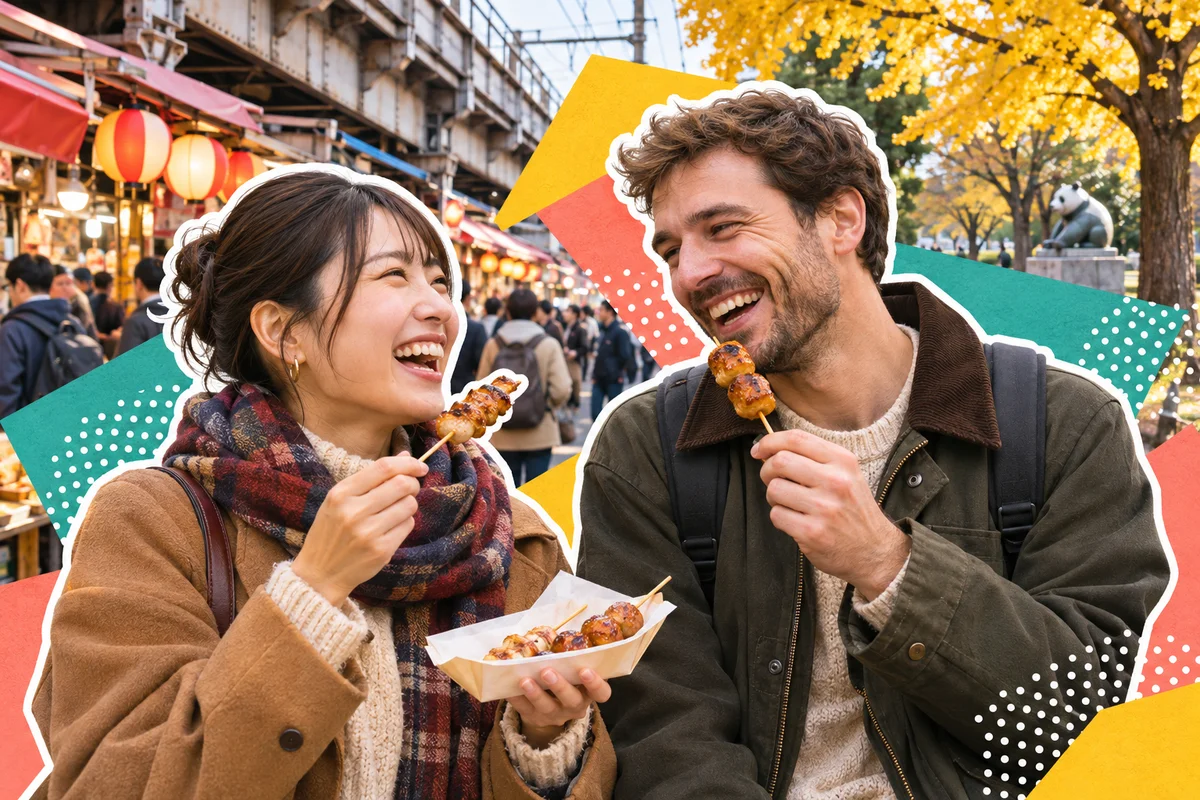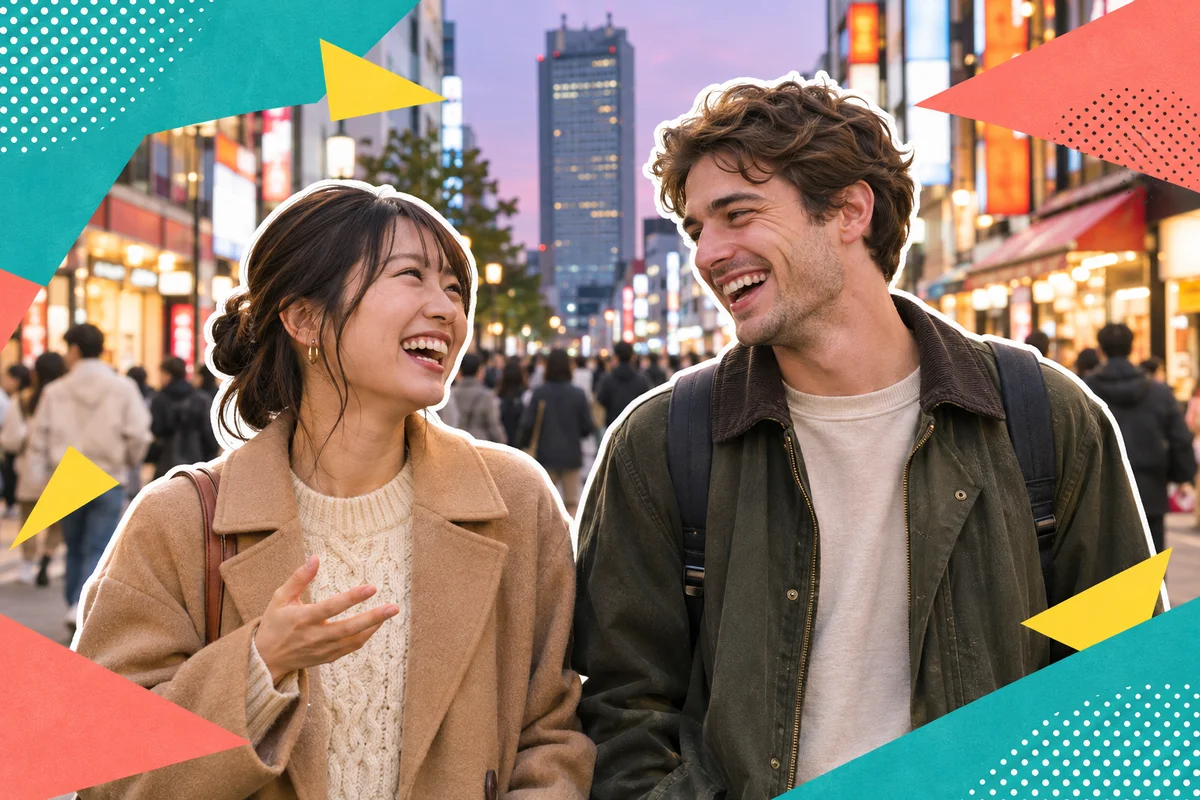
Ikebukuro is full of foreigners who don't know each other. Students from the language schools, English teachers commuting in on the Seibu and Tobu lines, young workers who picked the area because rent is easier than in Shibuya, anime fans who came for a week and stayed for a year. You hear English, Chinese, Korean and Vietnamese on Sunshine Street every evening.
So why do so many people who live here say they still have no real friends in the neighborhood?
Part of it is that Ikebukuro has no famous "foreigner bar street." It isn't Roppongi, and it doesn't have Shinjuku's Golden Gai. The social life is scattered, so you have to know where to look. This guide breaks it down by area, east side, west side and around Sunshine City, so you can pick one spot and start showing up.
Short version: in Ikebukuro, friendships come from places you return to, not nights out. A sports pub, a weekend market, a cafe near Rikkyo, a Japanese class. Pick one and go back.
Ikebukuro Station is one of the busiest terminals in Tokyo. That sounds like a social advantage. In practice, it works against you.
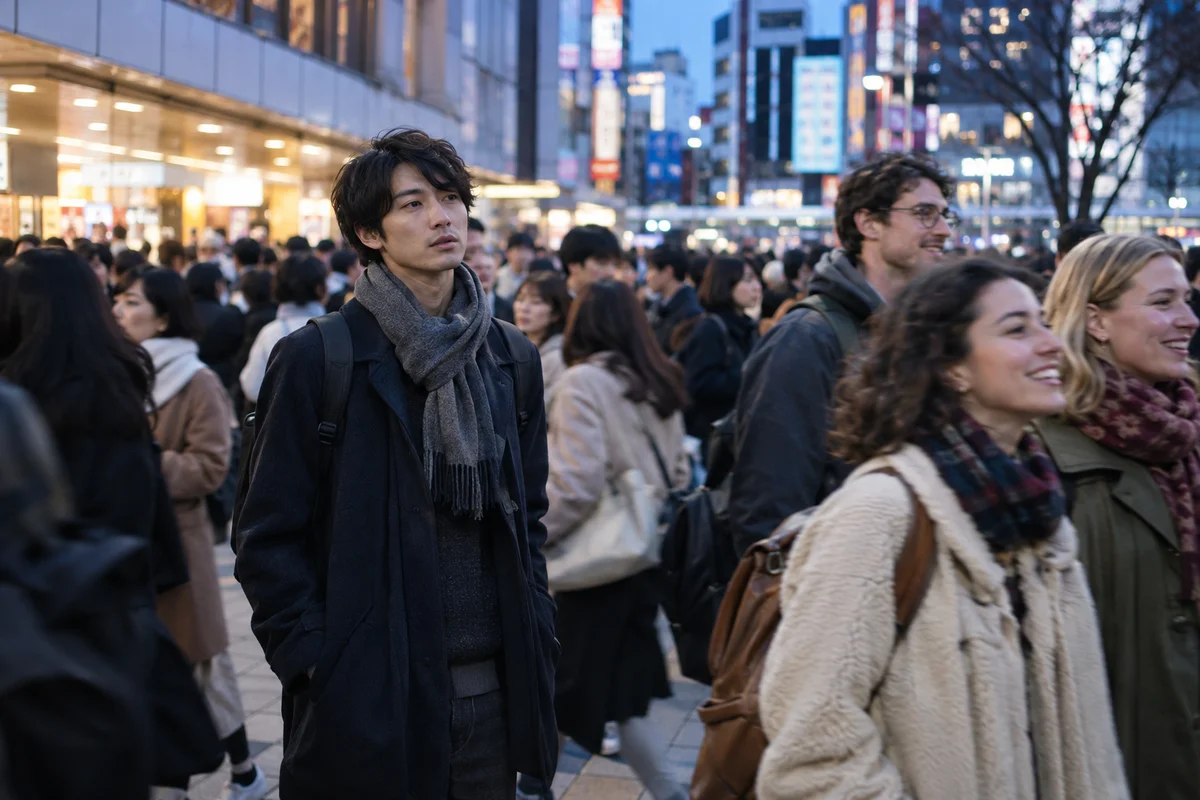
Everyone is passing through. Ikebukuro is a transfer and shopping hub. People go from the train to Seibu, Tobu, Parco or Bic Camera and back to the train. Nobody is lingering, so nobody is chatting.
The international crowd is split into very different groups. Tourists visiting anime shops, students at nearby universities and Japanese language schools, and people who live and work around the Seibu Ikebukuro and Tobu Tojo lines. They want different things and stay for very different lengths of time. If you don't decide who you're looking for, you end up meeting everyone once and no one twice.
There's no single nightlife core. Bars are spread around the east and west exits. You have to choose your own spots instead of following the crowd.
The upside is real, though. A lot of the foreigners and Japanese people you see here actually live in the area. That makes Ikebukuro better than most tourist districts for friendships that last, because you can see the same people again next week.
The east and west sides of the station have different personalities. Start with the side that fits you.
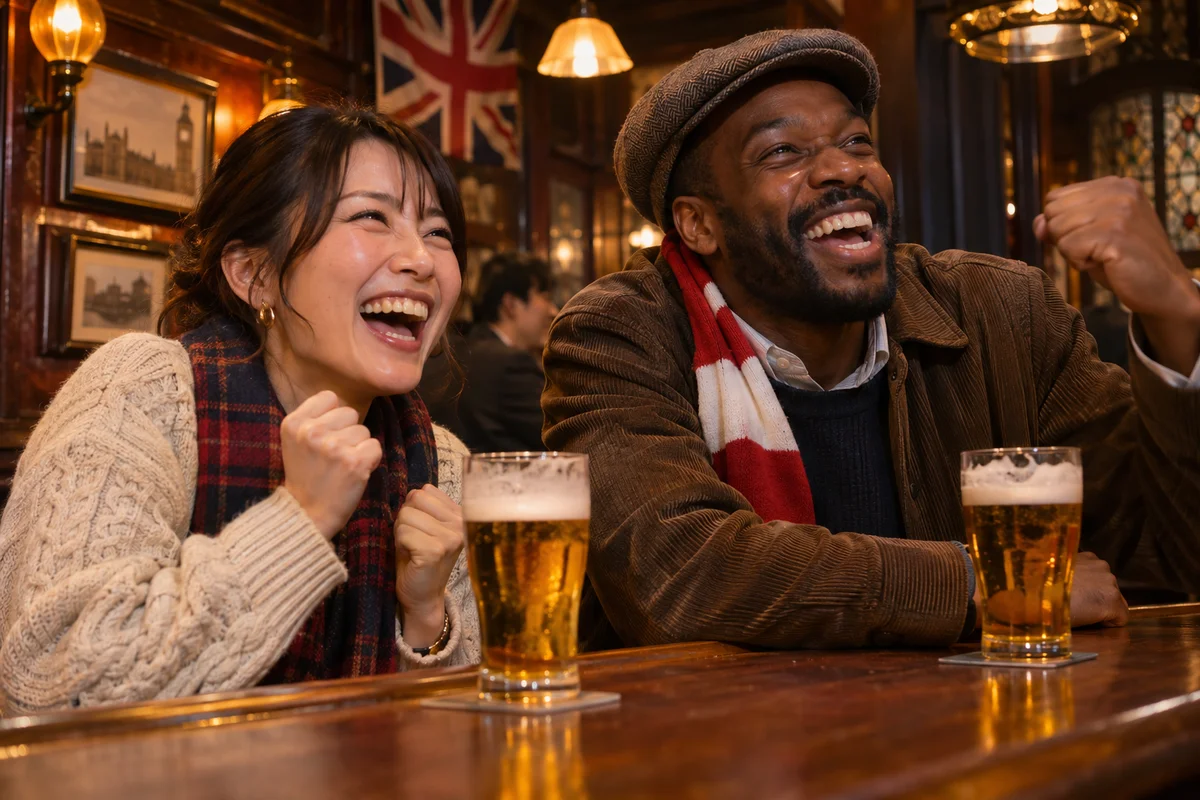
If you're searching "Ikebukuro expat bar," the honest answer is British-style sports pubs. There are several around the station, including branches of the HUB chain, and they show football, rugby and other big games. On a big game night, Japanese and international fans end up watching the same screen and cheering at the same moments. Branches and hours change, so check before you go.
Pubs work because the format helps you. Standing room and long counters put you next to strangers, and the game gives you a ready-made topic. "Who are you supporting?" at half-time is all it takes.
Tactic: go alone or with one friend on a game night. Don't force conversation during play. Talk at half-time and after the final whistle. If you click with someone, ask which game they're watching next and come back for it.
The streets around Sunshine City, including Otome Road, are a pilgrimage zone for anime, manga and gaming fans. Animate's Ikebukuro flagship store, reopened after a major renovation, is one of the biggest anime shops anywhere and draws fans from all over the world.
Walking up to a stranger in a shop is awkward for everyone. But if you share a fandom, you're never short of things to say. The smoother route is to connect online first, in fan communities or on a map app, then say "let's meet in Ikebukuro." Friendships that start with a favorite series tend to survive long after the visit ends, over messages and calls.
The west side is home to Rikkyo University's Ikebukuro campus, and there are Japanese language schools scattered around the area. From the west exit toward Rikkyo-dori, you'll see a lot of students.
It's a student neighborhood, so there are cheap cafes and set-meal restaurants where you can sit for a while. Long-term international students here often want Japanese friends, and many Japanese students want international ones. Unlike tourists, people here are around next month too. That's the west side's biggest advantage for lasting friendships.
If you're not a student, don't wander onto campus. The cafes nearby, the events below and apps are the realistic way in.
Ikebukuro West Gate Park has an open-air theater that hosts concerts, traditional performances and seasonal events, many of them backed by Toshima City and open to anyone walking by.
People often search for an "Ikebukuro international festival," but the name and lineup aren't the same every year. Check the Toshima City website and ward announcements for multicultural events in the season you're here. Treat events as a way to start recognizing faces, not as a one-shot friendship machine.
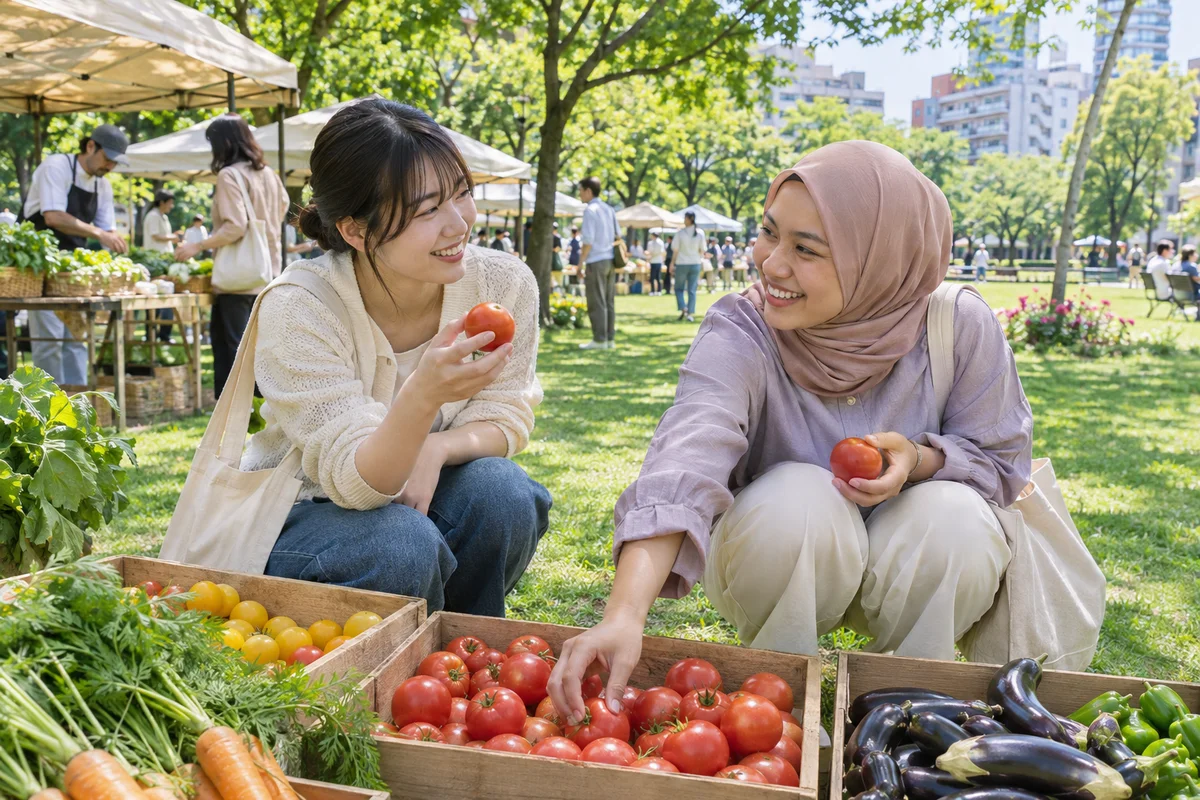
IKE・SUNPARK (Toshima Green Disaster Prevention Park) is a big lawn park between Ikebukuro and Otsuka stations. Its weekend farmers market brings in produce, baked goods and coffee stands, and it draws families and neighbors from the surrounding apartments. Check the market schedule before going, since dates can change.
This is the no-alcohol, low-pressure version of meeting people. Two people reaching for the same tomatoes is enough of an opening. Locals with kids, international students, couples on a Sunday walk: the people here mostly live nearby.
Around Ikebukuro you'll find Japanese and English exchange nights on Meetup and similar sites, plus get-togethers for specific nationalities. Dates and venues move around a lot, so check the latest listing before you go.
If you live in Toshima, look at community Japanese classes too. Gakushuin University runs the Wakuwaku Toshima Japanese Class with support from the ward, and volunteer-run classes are listed on the city's site. For residents, a class is a weekly appointment with the same people, which is exactly what friendship needs.
Here's the mindset that keeps you going: an exchange night isn't homework. It's a place to meet future friends.
East exit / Sunshine Street: The busiest strip. Pubs, izakaya, cinemas, game centers. Best for casual evening conversation.
Sunshine City / Otome Road: Anime and gaming fans plus tourists. Start here if a shared hobby is your way in.
Higashi-Ikebukuro / IKE・SUNPARK: Calmer, residential, parks and apartment blocks. Good for daytime and weekend meetups.
West exit / West Gate Park: Nightlife plus an event venue. Crowds gather for theater and park events.
Rikkyo-dori side: Student district with lots of international students and relaxed cafes. Best for friendships that last.
North exit: Known for Chinese restaurants and grocery stores. Worth a food crawl if you love trying different cuisines, ideally with someone new.
The most common mistake is trying somewhere new every week. Ikebukuro has so many options that it's tempting. But friendships come from "oh, you again" moments, repeated.
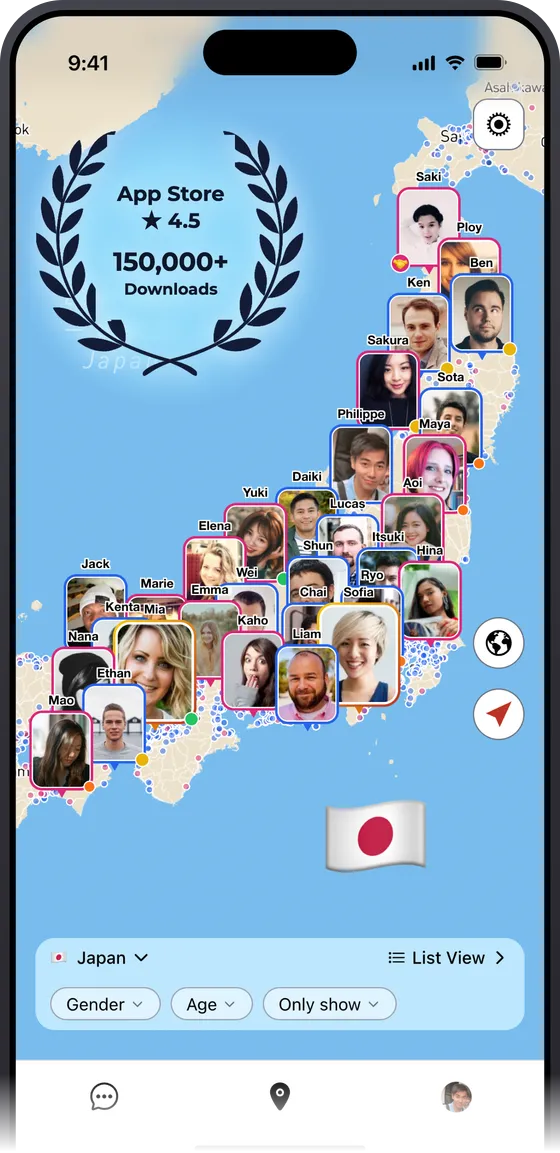
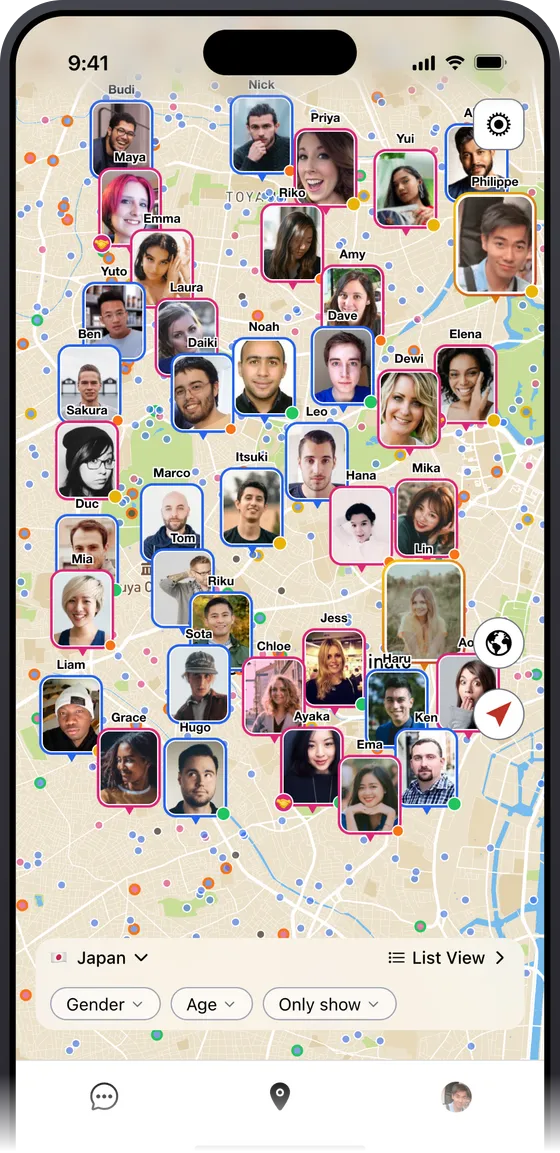
Ikebukuro suits a map-based app. There are so many people around that a quick look at the map shows people from all over the world, Japanese locals included.
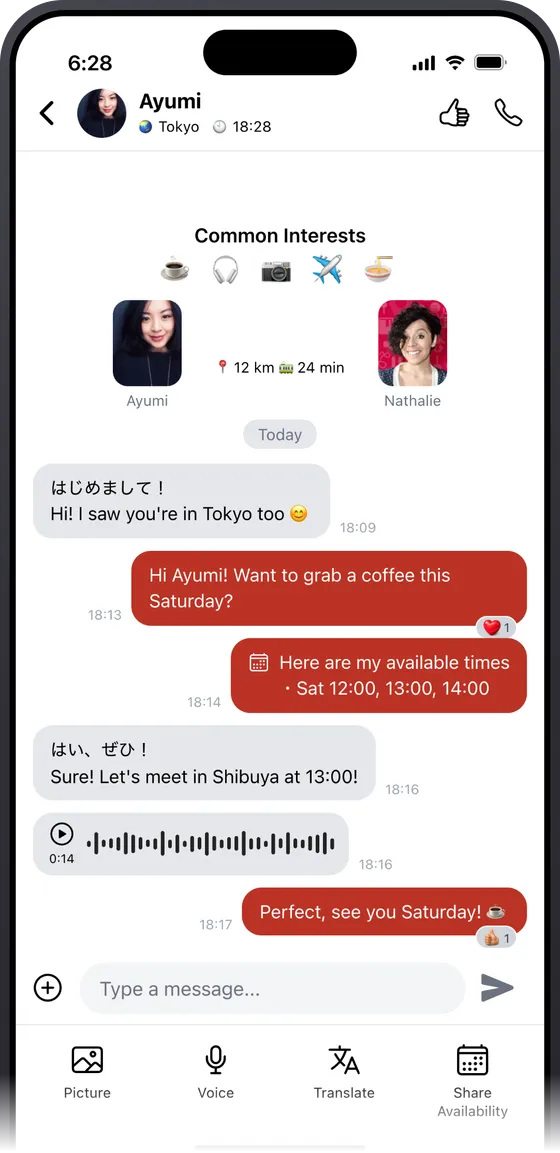
It works best in the gaps of your day: after work, between classes, while you're shopping. Check who's nearby, find someone whose interests overlap with yours, and send a message. "Coffee near Sunshine Street for 30 minutes?" is easy to say yes to, and everyone knows the landmarks, so meeting up is simple.

SewaYou isn't limited to the station area, either. It's a map of people nearby and around the world, so from your apartment in Ikebukuro you can explore another city or country, make friends there without any travel plans, or connect with people before a trip and meet once you're nearby. It's built for friendship, whether that friend is a ten-minute walk away or on the other side of the world.
Make Japanese Friends On a Live World Map


Still comparing options? See our guide to the best apps for making international friends.
Tourists cluster around Sunshine City, Otome Road and Sunshine Street on the east side. Students and long-term residents are more common on the west side near Rikkyo University. It varies by day and time, so walk both sides once and see which feels like yours.
Not one central group, which is why it feels hidden. Instead there are lots of smaller circles: regulars at sports pubs, language exchange groups on Meetup, community Japanese classes, anime fan meetups. Joining one regularly is how you find the wider network.
Yes. Sports pubs showing big games are some of the easiest places to start talking, because you're all watching the same game. The trick is coming back for the next game instead of treating it as a one-off.
Yes. Counter and standing-room bars get plenty of solo customers, and being alone actually makes you easier to talk to. Set a limit, like one drink or one hour, so it feels low-stakes.
West-side cafes, the weekend farmers market at IKE・SUNPARK, ward and community events, community Japanese classes and Meetup exchanges. You can also use a map app to find people who'd rather meet at a cafe.
Names and programs change year to year, so check the Toshima City website for current multicultural and international events. West Gate Park's open-air theater and other venues host events throughout the year.
Want to compare neighborhoods? Read how to make friends in Shinjuku, how to make friends in Shibuya and how to make friends in Tokyo.
Ikebukuro doesn't have a flashy foreigner nightlife street. What it has is people who live here: international students, neighbors, the same faces at the same pub every game night.
Those friendships take a few weeks to start, and then they last. You don't need to try every place in Ikebukuro. You need one place you keep going back to. Somewhere in that crowd outside the station is someone you'll see again.
Looking for friends in Ikebukuro?
SewaYou is a map-based friendship app for finding people nearby and anywhere in the world. See who's around the east exit, the west exit or Sunshine City right now and invite them for coffee, or explore cities abroad from home and make friends there, with or without travel plans.
Download SewaYou and find your people in Ikebukuro and beyond. 🌏
Looking at another city? Check our city-by-city guide to making friends.