

Shinjuku is the Tokyo neighborhood foreigners are most overwhelmed by. The world's busiest train station, eight separate exit areas, Kabukicho's chaos, the office towers of West Shinjuku, the queer bars of Ni-chome, the K-town of Shin-Okubo, the salaryman drinking culture of Omoide Yokocho. Each of those is a different scene with different people. "Let's meet in Shinjuku" is the laziest possible plan.
But Shinjuku also has a foreigner-relevant infrastructure that nowhere else in Japan can match: Golden Gai's tiny English-friendly bars, the longest-running international community in Tokyo, Shin-Okubo's Korean-and-international young crowd, dozens of language exchange events per week, and an after-hours scene that's the only one in Japan still going at 4 AM on a Tuesday.
This guide breaks down which parts of Shinjuku produce real friendships, which parts produce only headaches, and how to navigate it all in 2026. Useful whether you work in West Shinjuku at one of the corporate towers, you're a student at the surrounding universities, you're queer and want to find Ni-chome's foreigner-friendly side, or you're just trying to figure out where to start in Tokyo's most chaotic neighborhood.
The scale problem first. Shinjuku station processes 3.5+ million passengers per day. Every social subculture in Tokyo passes through here. The downside is that without a map of the micro-neighborhoods, you'll spend your first month wandering aimlessly. The upside is that within Shinjuku's 2km² area, you can plug into pretty much any social scene that exists in Japan.
The honest dynamics:
Shinjuku has zero "core" — it's eight neighborhoods stitched together. Kabukicho's nightlife, West Shinjuku's offices, Ni-chome's queer scene, Shin-Okubo's K-town, Golden Gai's tiny bars, Omoide Yokocho's old salaryman alleys, Sanchome's mid-density social scene, and the Yoyogi-side residential areas. They don't blend.
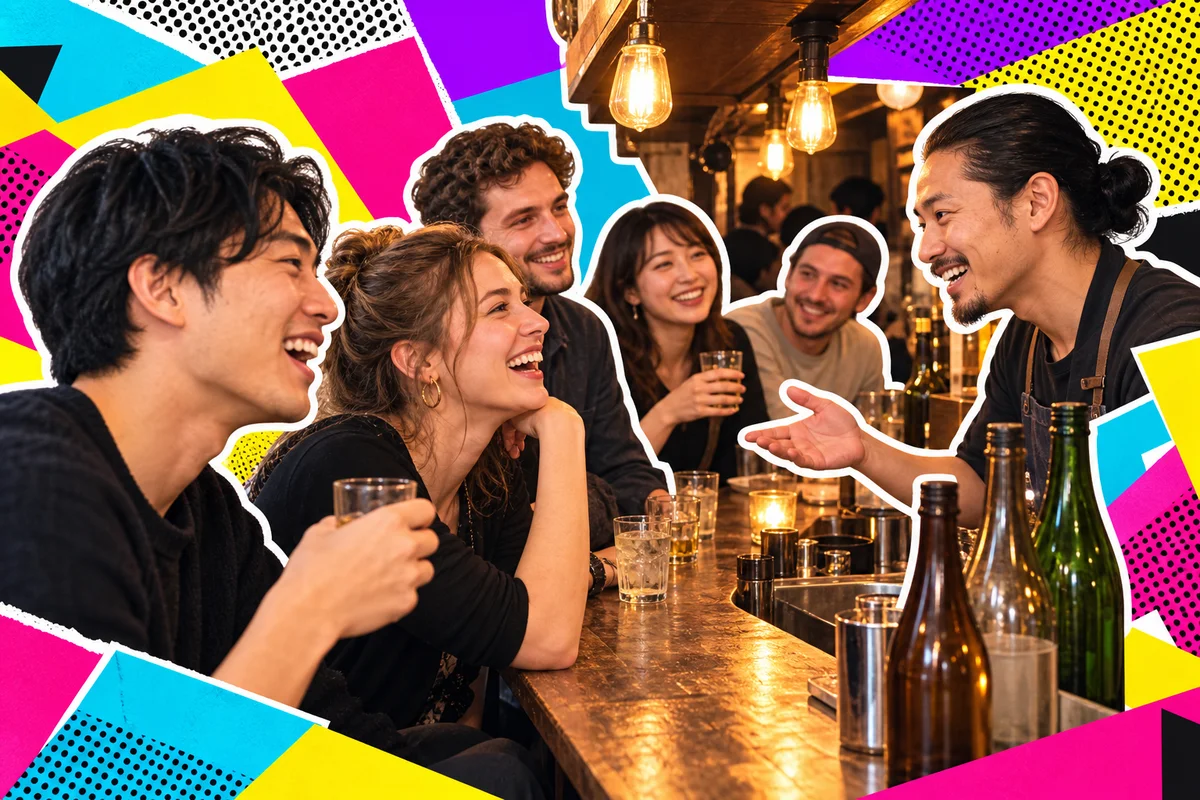
The bar density is unmatched in Japan. Golden Gai alone has 200+ tiny bars in a one-block radius. About 20-30 of them are actively foreigner-friendly. Once you find your bar, the social model writes itself.
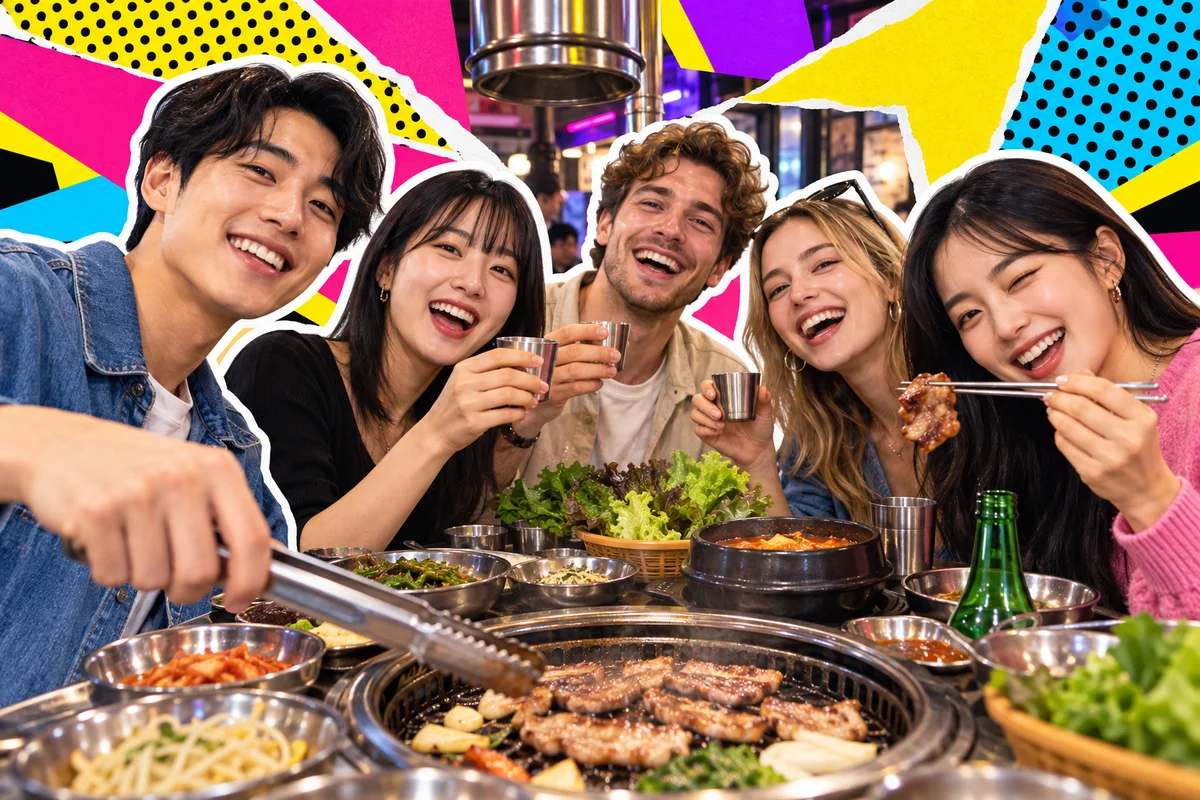
Shin-Okubo is the most slept-on foreigner-meeting area in Tokyo. It's K-town officially but the actual demographic is mixed Japanese-Korean-Chinese-Western with a younger skew (early 20s to mid 30s). The cafes and Korean BBQ spots are excellent for chill mixed groups.
Kabukicho is fine for one-time fun, terrible for friendship. Most of the bars have a transactional vibe. Some are explicit hostess clubs you don't want to walk into. The places that produce friendships in Kabukicho are specific (a few craft beer bars, certain karaoke spots) and not the obvious choices.
Ni-chome is the global gay village. If you're queer, this is where your social life happens. Foreigner-friendly, multilingual, low pressure. There are also several queer-friendly events (open mic nights, language exchanges) that draw straight allies and queer people of all backgrounds.
Golden Gai is famous and most of it is overrated tourist-trap bars charging ¥1500 cover. But about 20 of the bars in Golden Gai have steady foreigner regulars and warm bartenders who'll introduce you to the room.
Tactic: ignore Lonely Planet recommendations. Walk the alleys on a Tuesday or Wednesday (off-peak). Find a bar that's small but has 3-4 people inside who look comfortable. Walk in. Order a drink. The bartender will start a conversation. By visit three you'll know other regulars.
Names that worked for years: Albatross, Bar Plastic Model, the absurdly tiny "Ace's Bar." But these change — the hunt is part of the fun.
Shin-Okubo (officially K-town, one stop north of Shinjuku) has a younger, more international crowd than Shinjuku proper. Cafes like the K-pop themed spots and the bigger korean BBQ restaurants are explicitly mixed-international.
This is where you'll meet a younger Japanese crowd who explicitly want non-Japanese friends. Less "language exchange" formality, more "we're all here because we like Korean food and we'll vibe."
Ni-chome (technically Shinjuku 2-chome) is one of the densest queer neighborhoods in Asia. For queer foreigners, this is your social hub. Bars like Aiiro Cafe, Eagle Tokyo, and many smaller spots are explicitly mixed and foreigner-friendly.
The bonus: Ni-chome is also genuinely friendly to straight allies who happen to like the vibe. Some of the cafes here are great mixed-friendship spots independent of orientation.
The corporate towers of West Shinjuku house a lot of foreign-friendly companies (Yahoo Japan, multiple international consultancies, foreign banks). Co-working spaces like WeWork Shinjuku regularly host meetups — startup events, design talks, language-specific dev meetups.
If you're in tech or business, these events are dense Japan-foreigner social mixers around shared professional interests.
Just like Shibuya, Yoyogi Park is a 10-minute walk from Shinjuku. The same run clubs that meet at Yoyogi serve both Shinjuku and Shibuya residents.
In Shinjuku, the issue is too many people, not too few. Map-based apps like SewaYou let you cut through the noise — see who's actually nearby right now, filter by what you're actually looking for (Japanese conversation partner vs. drinking buddy vs. queer friendship), and skip the random Tokyo-wide swipe pool.
The dense neighborhood also makes spontaneous meet-ups realistic. "Free in Shin-Okubo for korean BBQ in an hour?" is a yes from people on the map within walking distance.
East Shinjuku / Kabukicho: Famous nightlife district. Mostly skip for friend-making (transactional vibe). The corners with craft beer bars or the smaller jazz clubs are exceptions.
Golden Gai: The 200-bar alley grid. Half is for tourists, half is real. Find your one bar.
Ni-chome: Queer hub. Friendly to allies. Some of the best small-bar friendship-making in Tokyo, period.
Shin-Okubo: K-town. Younger international crowd. Less formality than Shinjuku proper.
West Shinjuku: Office towers, hotels, government buildings. By day a business district, by night dead. Co-working space events are the social hook here.
Sanchome (3-chome): The middle ground — bars, restaurants, smaller venues. A lot of queer-adjacent and creative-industry social happens here. Often where the more "real" Tokyo nightlife lives.
Omoide Yokocho: Old-school salaryman drinking alley. Tourist-heavy now. Some good yakitori but not where friends form.
Yoyogi side / Sasazuka direction: Quieter, more residential. Where many people who work in Shinjuku actually live.
Week 1: Walk Shinjuku station's 8 exits and the immediate area around each. Get a mental map of which exit goes where. This sounds dumb, it's not — most foreigners' first month in Shinjuku is wasted on pure geographic disorientation.
Week 2: Pick ONE micro-neighborhood (Shin-Okubo for international younger crowd, Ni-chome for queer scene, Golden Gai for bar regular vibe, Sanchome for general). Visit twice that week.
Week 3: Return to the same spot. Find one bar/cafe you'd want to be a regular at.
Week 4: Become a regular. Same place, same time, twice a week.
The biggest mistake is the same as everywhere: trying to attend Shinjuku's volume of events without depth. The neighborhood has hundreds of events per week. You'll burn out and never form a real connection. Pick depth.
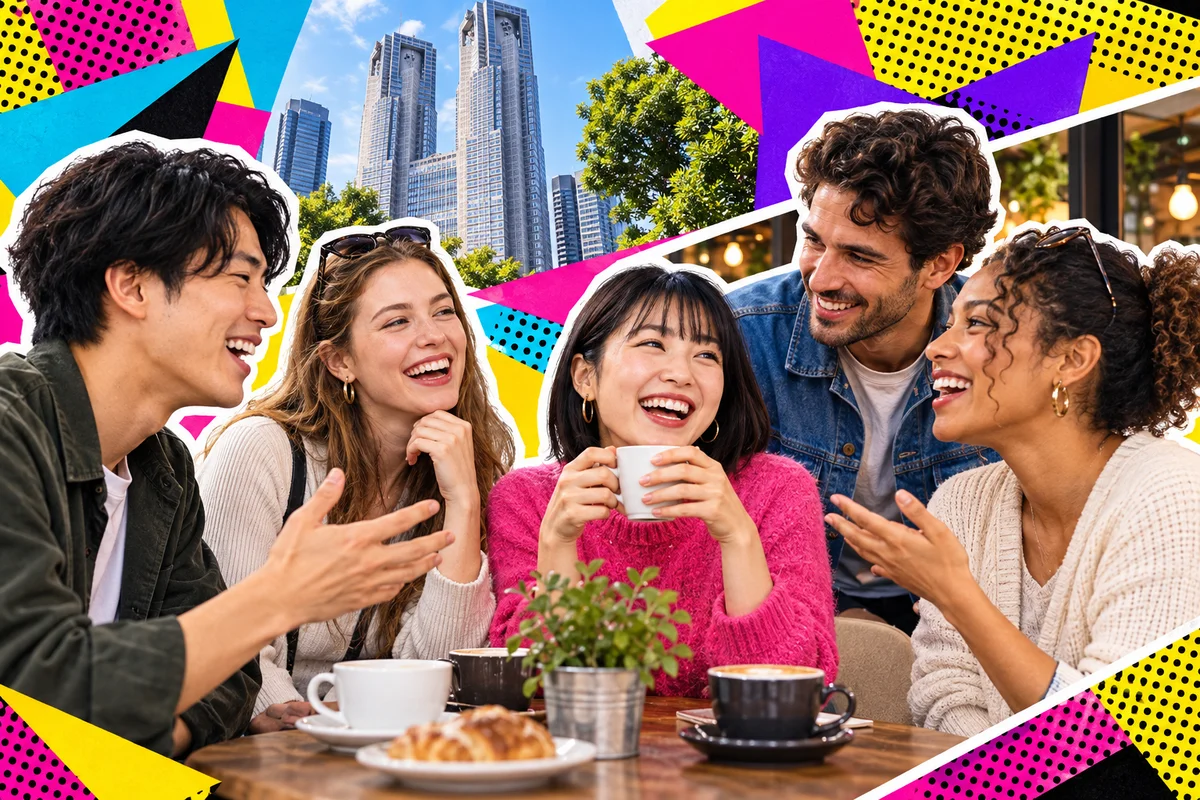
Unlike Shibuya (where the foreigner scene is somewhat unified), Shinjuku's micro-neighborhoods are different worlds. The friend group you build via Ni-chome is totally different from the one you build via Shin-Okubo, which is totally different from the one you build via Golden Gai regulars.
This is actually a feature: you can pick your scene based on who you actually want to be friends with. Want creative-industry queer foreigners and locals? Ni-chome. Want a younger international K-pop-and-Korean-food crowd? Shin-Okubo. Want craft-beer bartender-introduced bar friendships? Golden Gai.
Shinjuku is one of the better neighborhoods for map-based apps because it's so dense and so varied. SewaYou's map view shows you who's nearby AND filters by your interests, which means you can find the specific micro-community you want without having to physically attend events in all 8 micro-neighborhoods.
Especially useful: when you're in Shinjuku for work and have an unexpected free hour, the app shows you who's around RIGHT NOW. Spontaneous coffee meetups are how Tokyo friendships often actually happen, and Shinjuku's scale rewards spontaneity.
Shinjuku rewards people who pick a sub-scene and commit. The Ni-chome long-timers know each other for decades. The Golden Gai regulars at certain bars have stable friendships built over years of returning to the same 8-seat counter. The Shin-Okubo younger crowd has Line groups that organize weekly.
You don't get those by attending every event you see advertised. You get them by picking one micro-scene, showing up consistently for 2-3 months, and letting the small-world dynamic of Tokyo's most chaotic neighborhood paradoxically deliver tight community.
Looking for foreign friends in Shinjuku?
Make Japanese Friends On a Live World Map
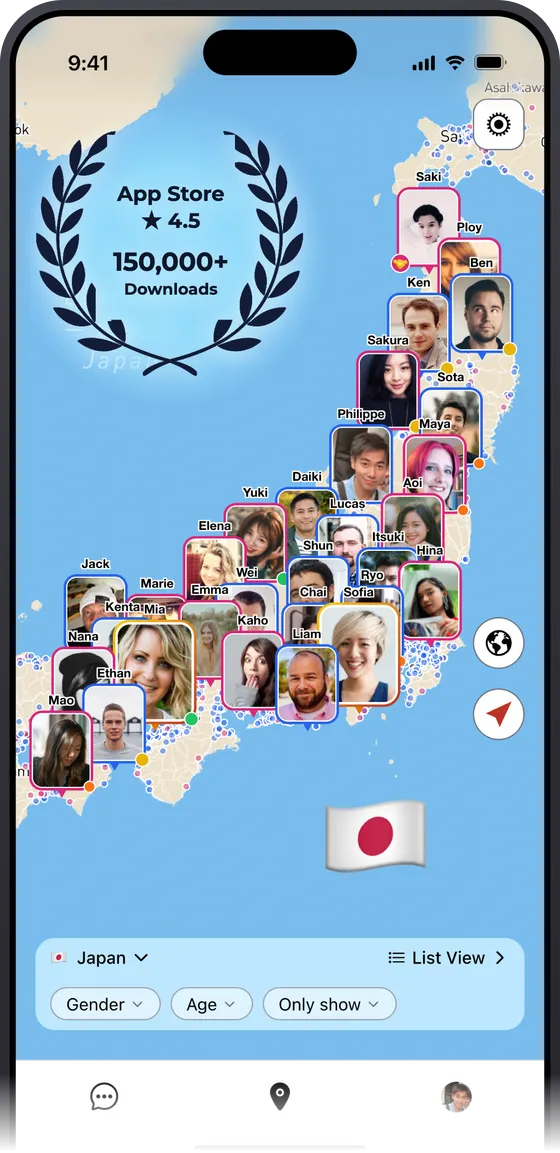
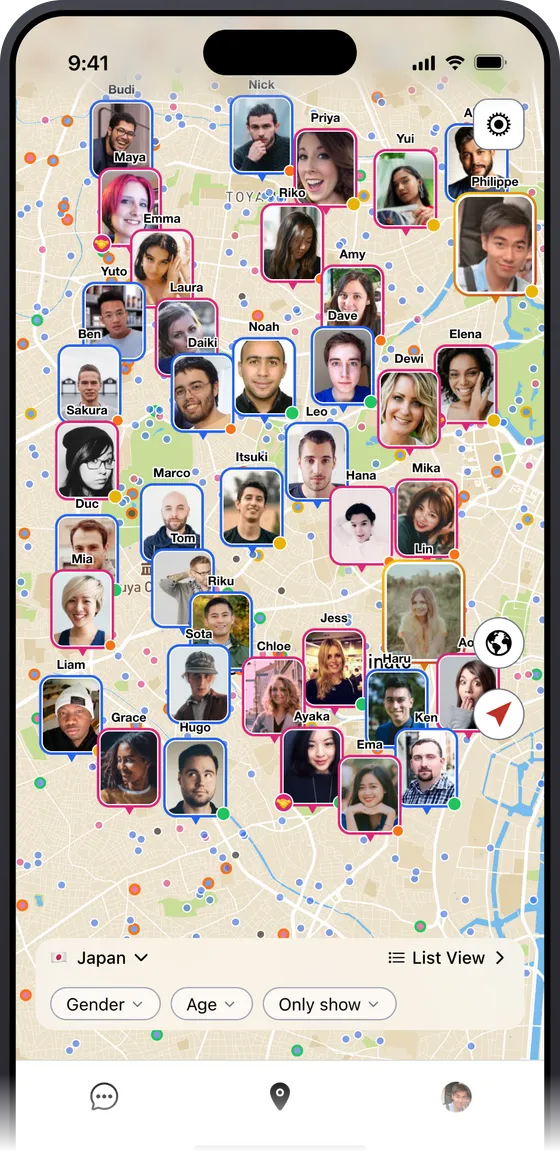
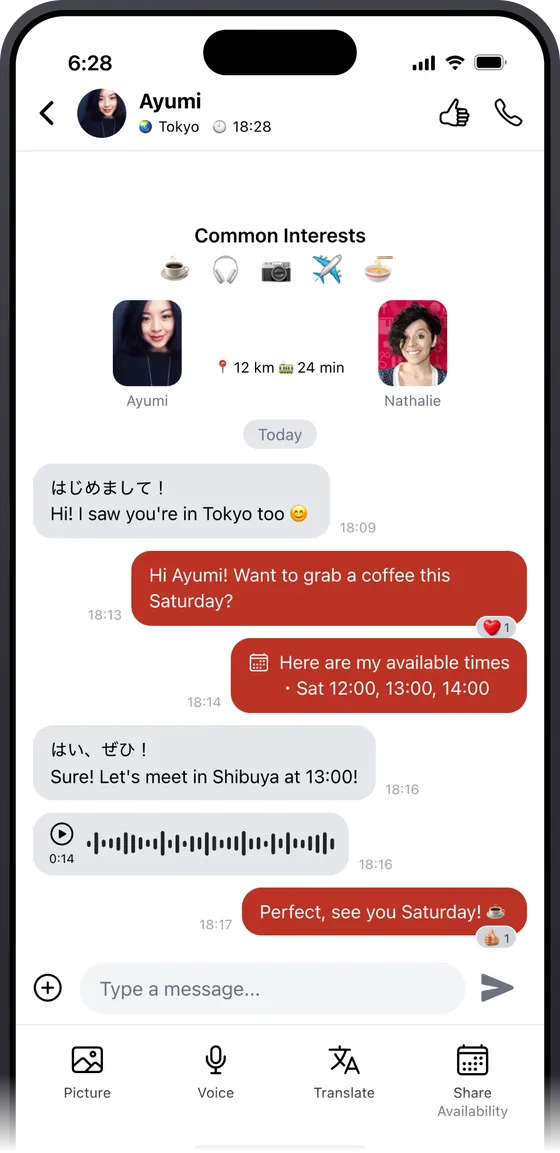


SewaYou shows Japanese people and foreigners actually near you on a live map. In Shinjuku — Tokyo's most overwhelming neighborhood — the map cuts through the chaos. See who's nearby in Shin-Okubo, Ni-chome, or near Golden Gai right now, message a few you'd want to grab a drink with, and meet at one of the spots you both already know.


