

Roppongi has a reputation problem with the long-term Tokyo expat crowd. The mention of Roppongi gets eye-rolls from people who've been here five years. "Roppongi is for tourists" or "Roppongi is just bars trying to get you drunk and take your money" — you'll hear this constantly.
A lot of it is true. The Roppongi Crossing area at 2 AM on a Saturday is its own ecosystem of touts, themed bars, and very-obviously-targeting-tourists clubs. If you only know that Roppongi, you'll bounce off it.
But Roppongi is also genuinely the most international neighborhood in Tokyo. The embassies are here. The Mori Tower and Roppongi Hills draw a global business crowd. The Mori Art Museum and the National Art Center are walking distance. The morning brunch crowd at the cafes is half foreigner. And the smaller jazz bars, the daytime gallery scene, and the international corporate community produce a kind of foreigner-Japanese mixing you don't get elsewhere — older, wealthier, more design-y, more art-and-finance.
This guide covers what's actually worth doing in Roppongi for friendship-making in 2026, where to skip, and how to use the neighborhood without falling into the bar-tout trap. Whether you're in finance or consulting at one of the international firms, you work at an embassy, you're studying art at one of the nearby schools, or you just want to leverage Roppongi's international density without getting dragged into the dating-club scene — this is for you.
The honest framing. Roppongi has two layers:
Surface Roppongi (Roppongi Crossing, Gas Panic, certain themed clubs): What tourists see. What ALTs and exchange students experience their first weekend. Loud, crowded, occasionally sketchy, occasionally fun. Not where friendships form.
Real Roppongi (Mori Tower / Hills, the gallery district, the embassy area, smaller jazz bars, daytime cafes): Where the international corporate crowd lives, where the art world overlaps with the finance world, where you can have a multi-hour conversation in a cafe with someone you genuinely want to be friends with.

Most of what you've heard about Roppongi is about the first layer. The friend-making advice in this guide is about the second.
Specifics:
The international corporate density is real. Goldman, McKinsey, BCG, foreign banks, multiple law firms, international consulting all have Roppongi or nearby offices. The lunch crowd at Hills cafes is explicitly multinational.
Embassies create a stable foreign community. Diplomats and embassy staff rotate through but the surrounding social infrastructure (international schools, foreigner-friendly clinics, Western groceries) caters to long-term residents who often live in or near Roppongi.
The art and design world overlaps here. Mori Art, National Art Center, Suntory Museum, Pacific Asia Society — all walking distance. The art opening crowd at any of these is one of the most internationally-mixed groups you'll find in Tokyo.
Older skew than Shibuya. Roppongi's foreigner crowd skews 30-50 vs. Shibuya's 22-35. If you're in your 30s+ and want peers in similar life stages, this matters.
The bar district at night is genuinely dating-focused, not friend-making. Don't go to Roppongi at 11 PM expecting to make platonic friends. Go at 8 AM, noon, or 6 PM.
The Roppongi Hills area on weekend mornings is one of the most foreigner-friendly daytime scenes in Tokyo. Specific cafes — the third-wave coffee spots, the Western-style brunch places — draw a regular international crowd.
Tactic: pick ONE cafe near Hills. Go on Saturday or Sunday morning at 9-10 AM (before the brunch rush). Sit at the bar or shared table. The other regulars are usually long-term foreigners who live in the neighborhood. They'll talk to you within a few visits because the daytime cafe scene is small and warm.
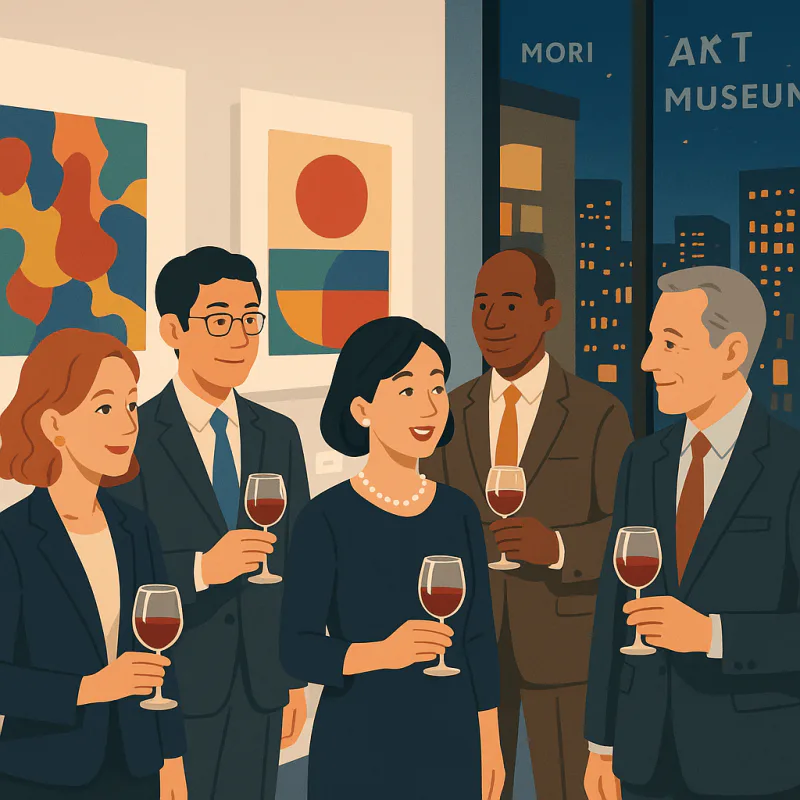
The major museums in Roppongi — Mori Art Museum, National Art Center Tokyo (NACT), Suntory Museum of Art, 21_21 Design Sight — host opening events for new exhibitions. Most are free or cheap, attended by an internationally-mixed art-world crowd.
Strategy: subscribe to the email lists for 2-3 of these museums. Show up to openings. Stand near the wine table. Talk to whoever's nearby. The art-world friendship circuit in Tokyo is small and welcoming.
If you're in tech, finance, or consulting: Roppongi hosts dozens of professional meetups per month — startup events, finance industry talks, leadership groups for foreign professionals (FCCJ, ACCJ, Tokyo American Club).
These produce stable, peer-level friendships among foreigners and internationally-minded Japanese in similar career stages.
Roppongi has a strong jazz tradition. STB139, Body & Soul, and several smaller venues do nightly live shows. The crowd skews 30+, mixed Japanese-foreigner, music-appreciator energy.
Going alone to a Tuesday night jazz set is genuinely fine. The seated format and live music create natural conversation breaks during sets.
If you're a US citizen or eligible: the Tokyo American Club (TAC) is the long-running international community hub. Membership isn't cheap but provides instant access to a stable, multi-decade community. Multiple weekly events.
Foreign Correspondents' Club of Japan (FCCJ) is the other historical hub — journalist-focused but open to many professions. Both are explicit communities of long-term foreigners with deep social networks.
For the older / professional Roppongi demographic, apps like SewaYou with explicit "platonic / no-romance" filters are useful — the surrounding bar scene is so dating-coded that a platonic-explicit option is a relief.
The map view in Roppongi shows the international-corporate crowd plus embassy-area expats. Filter by interests (art, finance, tech, design) and you'll find peers who specifically want non-dating connection.
Roppongi Crossing: The chaotic intersection. Avoid for friendship-making. Pass through, don't linger.
Roppongi Hills: The Mori Tower complex. Cafes, art, restaurants, business crowd. Best daytime social area in the neighborhood.
Tokyo Midtown / Akasaka side: Slightly more upscale, design-y, international corporate. Great daytime cafes, fewer bars.
Nogizaka direction: Quieter, residential, embassies. Where many of the long-term foreigners actually live.
Azabu (next to Roppongi): Older money, calmer, international school district. Lots of long-term foreign residents. Worth knowing for daytime cafes and the foreigner-friendly grocery (Nissin) infrastructure.
Hiroo: One stop south, walkable. Even more international, more relaxed than Roppongi proper. Many Roppongi-frequent foreigners actually live in Hiroo.
Week 1: Walk Roppongi Hills ↔ Tokyo Midtown ↔ Azabu in daylight. Note cafes, museums, signs in English. Skip the night-time Roppongi Crossing area.
Week 2: ONE thing: a Saturday brunch cafe regular OR a weekday museum opening OR a Tuesday night jazz set.
Week 3: Same thing again. Recognize one face.
Week 4: Add a peer-professional thing — TAC visit (if eligible), FCCJ event, or industry-specific meetup.
The Roppongi-specific mistake to avoid: going to the Crossing area at night thinking that's where social life happens. It's not. The neighborhood's friend-making infrastructure is daytime, weekday-evening, and weekend brunch.
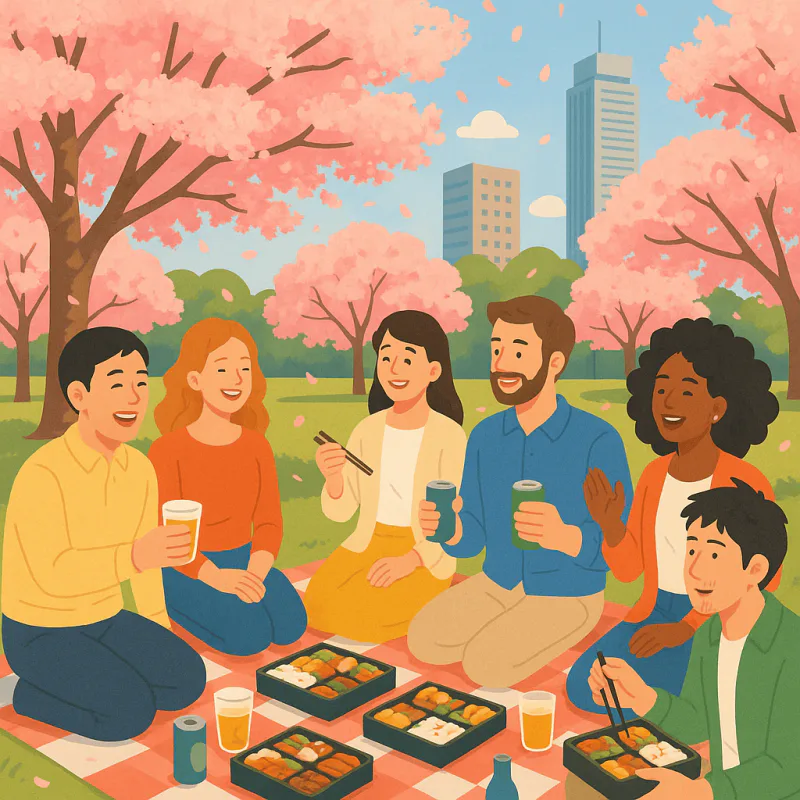
Long-term Tokyo expats sometimes warn newcomers off Roppongi entirely because they remember (or had) bad first-month experiences in the Crossing area. They're partially right — that part of Roppongi is genuinely not where friendships form.
But the same expats often live in Hiroo or Azabu, attend events at TAC or FCCJ, do their gallery openings at NACT, and have brunch on Saturdays at the Hills cafes. They're using "real Roppongi" without thinking of it as Roppongi. The neighborhood works — you just have to know which layer to engage with.
For the international-corporate Roppongi crowd, app-based friend-finding is genuinely effective because the crowd is digitally fluent and time-poor. Map-based apps like SewaYou let you see who's around during a free lunch hour or after work, message someone with a specific interest in common (design, art, finance, whatever), and have an actual coffee in 20 minutes.
The proximity advantage in Roppongi: foreigners who live in Hiroo or Azabu walk into Roppongi for cafes and events. Suggesting a meet-up at a specific Hills cafe is genuinely easy because everyone in the area knows it and can be there in 10 minutes.
The foreigners who build great social lives anchored in Roppongi are usually older (30+), professionally oriented, and use the neighborhood for its daytime/professional infrastructure rather than its nightlife.
If you're 22 and want a wild Tokyo social life, Shibuya or Shin-Okubo are better. If you're 32 and want stable peer friendships with other internationally-minded professionals — including Japanese in similar life stages — Roppongi is one of the best neighborhoods in Asia, period.
The trick is not to confuse Roppongi-Crossing-at-2-AM with Roppongi-Hills-on-Saturday-morning. They're different cities.
Looking for foreign friends in Roppongi?
Make Japanese Friends On a Live World Map
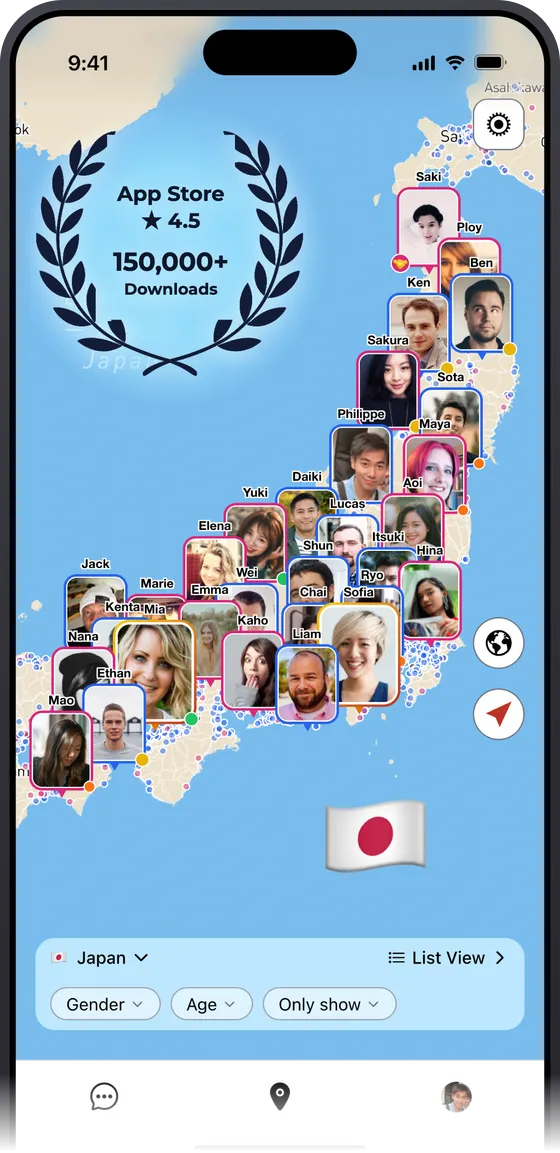
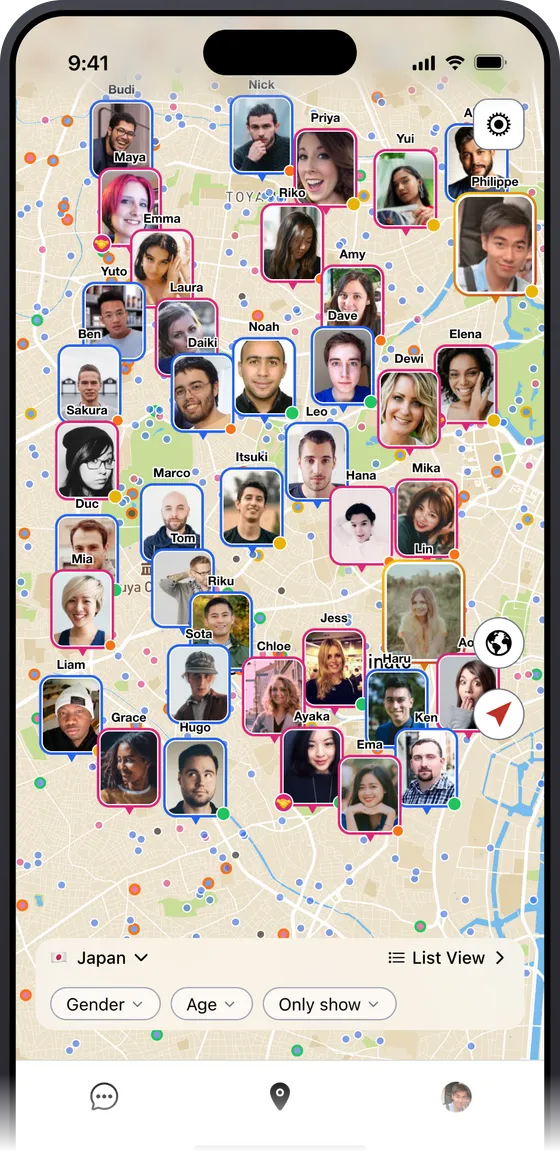
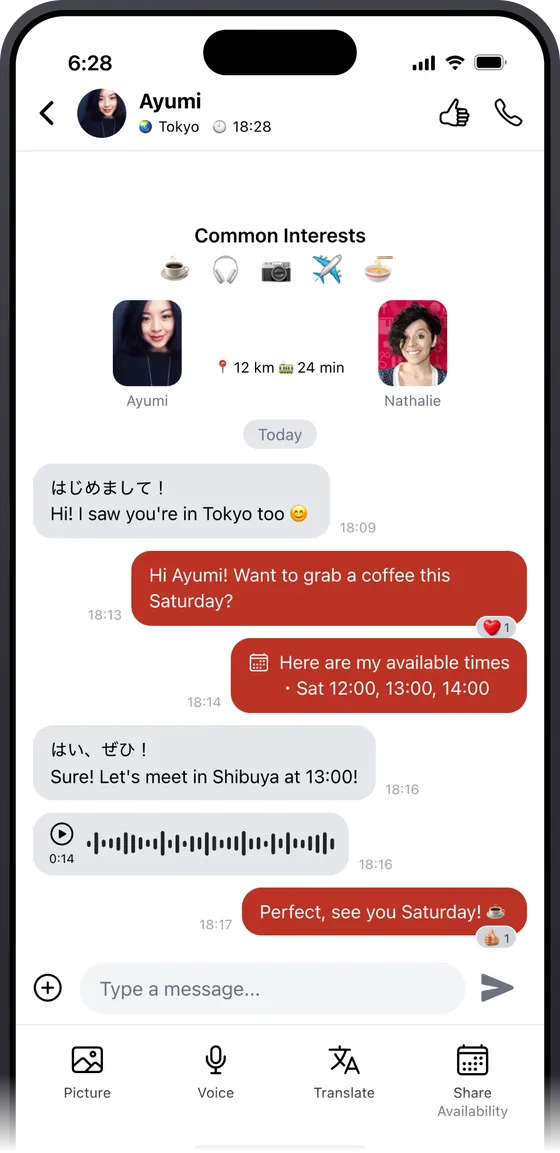


SewaYou shows Japanese locals and foreigners actually near you on a live map. In Roppongi, the platonic-friendship filter is especially useful — the surrounding nightlife is dating-coded, but the daytime/professional crowd genuinely wants peer friendships. See who's nearby in Hills, Hiroo, or Azabu and reach out for a coffee.


