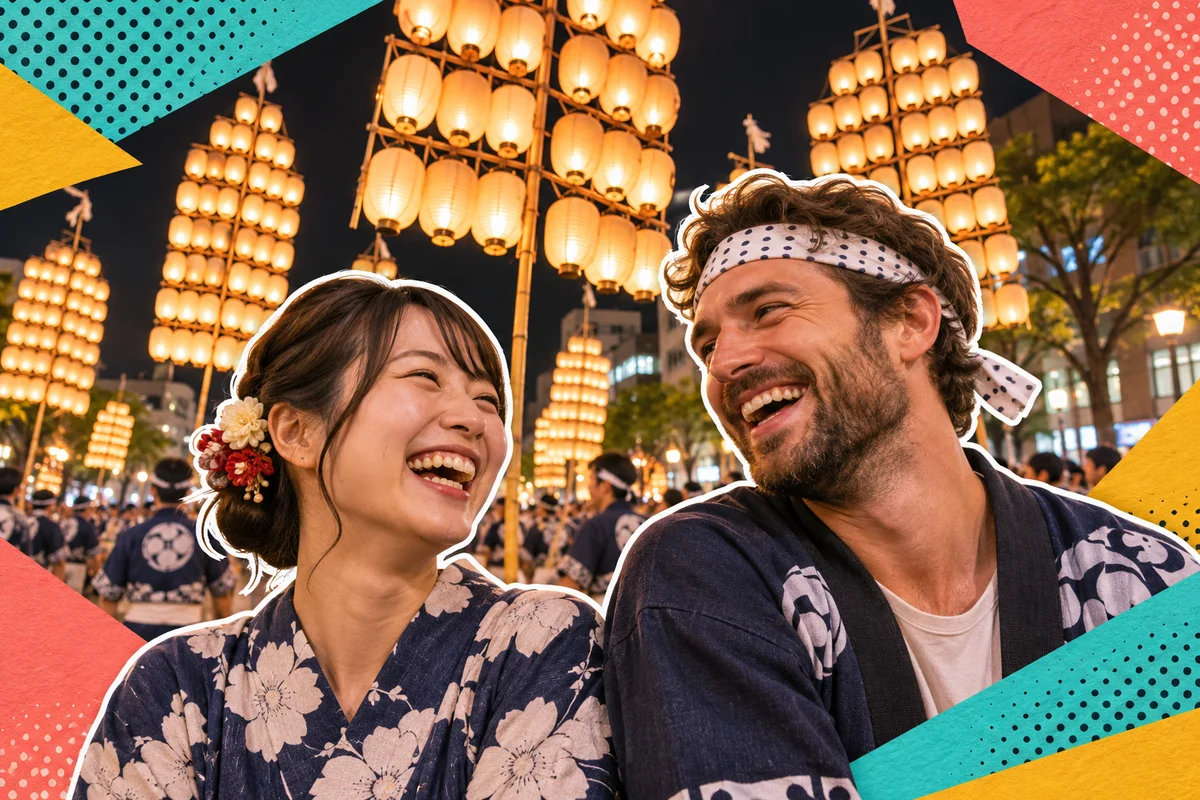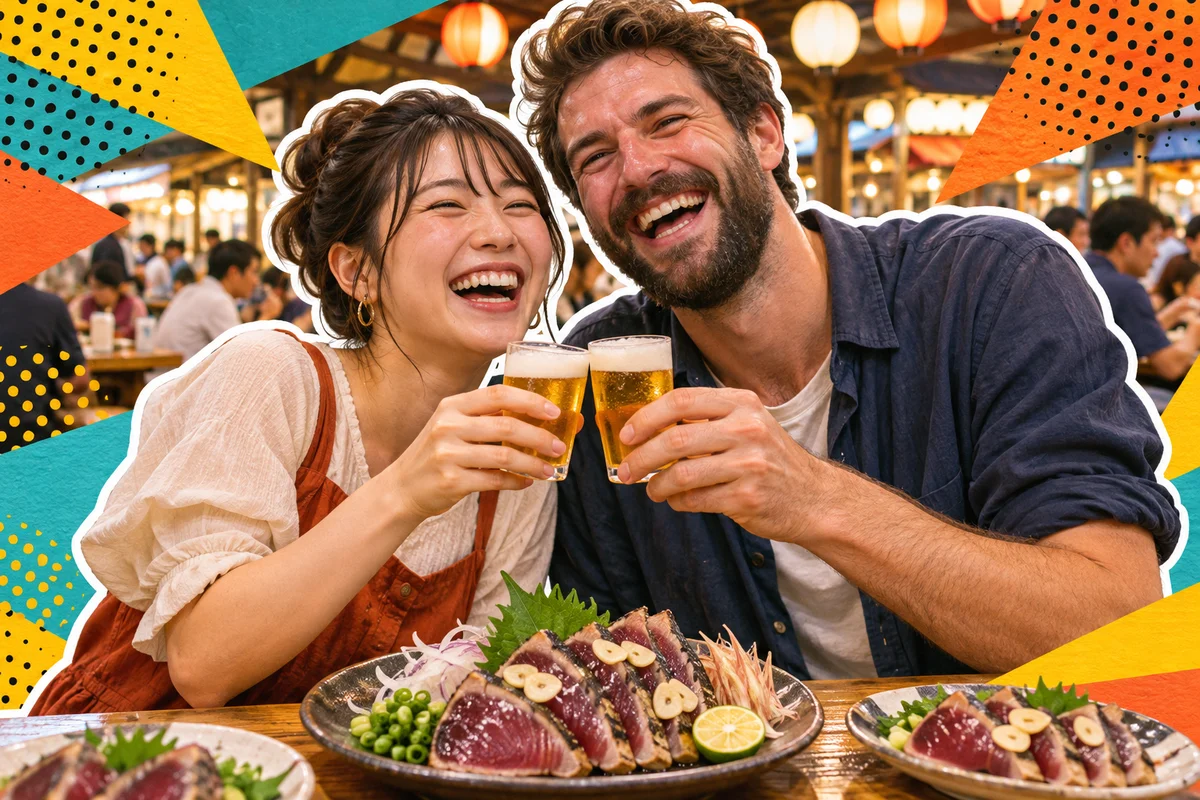
Maybe you teach English here. Maybe you moved to Funabashi because the rent made more sense than Tokyo and the Sobu Line gets you downtown fast. Maybe you're here with your family. Whatever brought you, there's a good chance you've noticed the same thing: you see other foreigners at the station or at LaLaport, but you don't have a single person you could text for dinner tonight.
That's not a you problem. Funabashi is a big, lively city right next to Tokyo, and plenty of internationals live here. It's just not the kind of place where everyone ends up at the same bar on Friday night. This guide covers how to make friends in Funabashi in 2026, area by area, with the stuff that actually turns strangers into friends.
Funabashi doesn't have a Roppongi or a Shibuya. There's no obvious "foreigner street" where you can just show up and meet people. That changes the strategy.
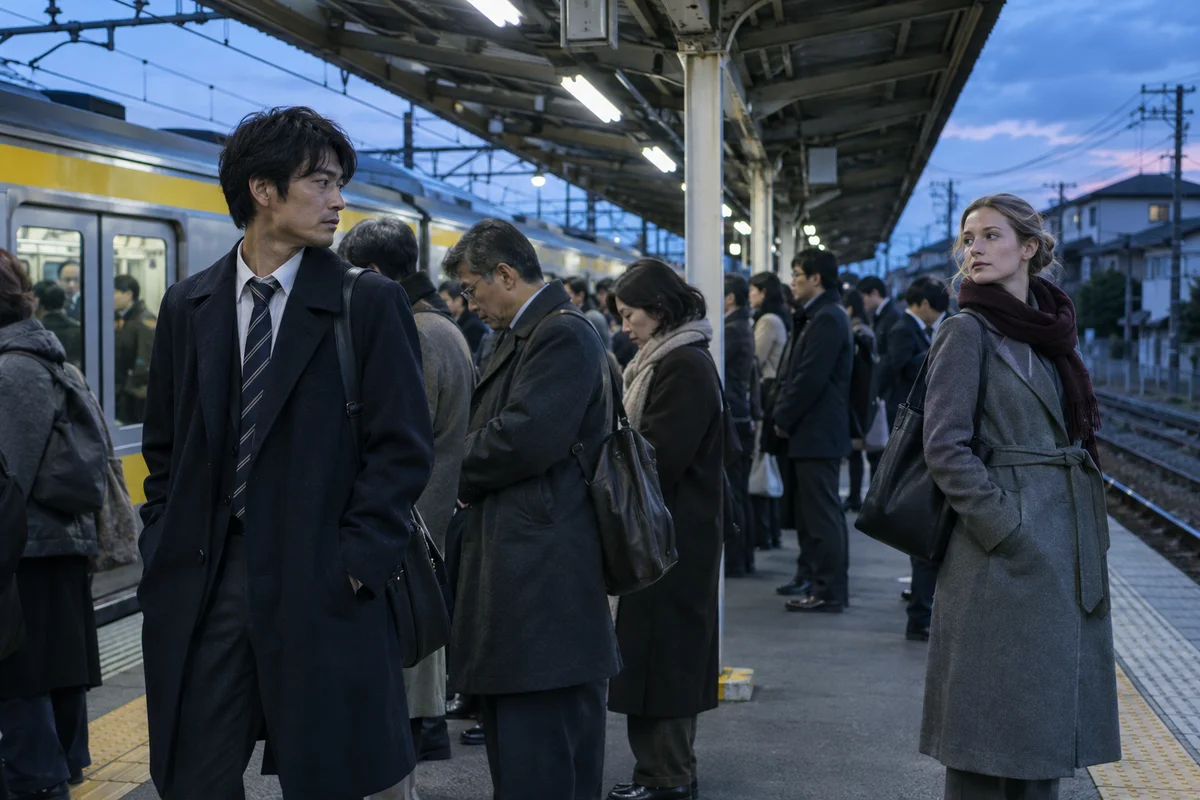
The first reason is the commuter rhythm. A lot of people here live weekdays in Tokyo, weekends at home. They ride the Sobu Line, the Tozai Line or the Keisei Line into the city, grab drinks near the office, and come back to Funabashi to sleep. Japanese residents and foreigners alike.
The second reason is that the foreign community is spread across very different lives. Office workers commuting to Tokyo, families with kids in local schools, students at Japanese language schools, people working locally. They don't share one hangout, so there's no single scene to plug into.
The third reason: many of the foreigners you see around LaLaport TOKYO-BAY or LaLa arena TOKYO-BAY are visiting for shopping, a concert or a game. Great vibe, but hard to turn into a second meeting.
Here's the upside, though. Funabashi rewards anyone who builds one place you return to every week. Forget nightlife hunting. Community groups and showing up repeatedly are what work here.
Pick the area closest to your daily routine and start there. You'll stick with something that's on your way home.
Funabashi Station is the busiest part of the city, with JR, the Tobu Urban Park Line and Keisei Funabashi Station right next door. Both the north and south exits have streets full of bars and restaurants, including some with English menus and a regular foreign crowd.
The Funabashi International Relations Association, which we'll get to in a second, has its office inside Funabashi City Hall, a walk from the station. So you can pick up info on international events during the day and swing by a bar near the station in the evening.
Nishi-Funabashi is a transfer hub where JR, the Tokyo Metro Tozai Line, the Musashino Line and the Toyo Rapid Line meet. It's an easy place to meet people who commute to Tokyo or live elsewhere in Chiba.
There are plenty of places to eat and drink around the station, which makes it perfect for "one drink on the way home" friendships. If you want weeknight hangouts with fellow commuters, this is a solid base.
Minami-Funabashi is home to LaLaport TOKYO-BAY and LaLa arena TOKYO-BAY. On weekends the area fills up with shoppers, concertgoers and sports fans.
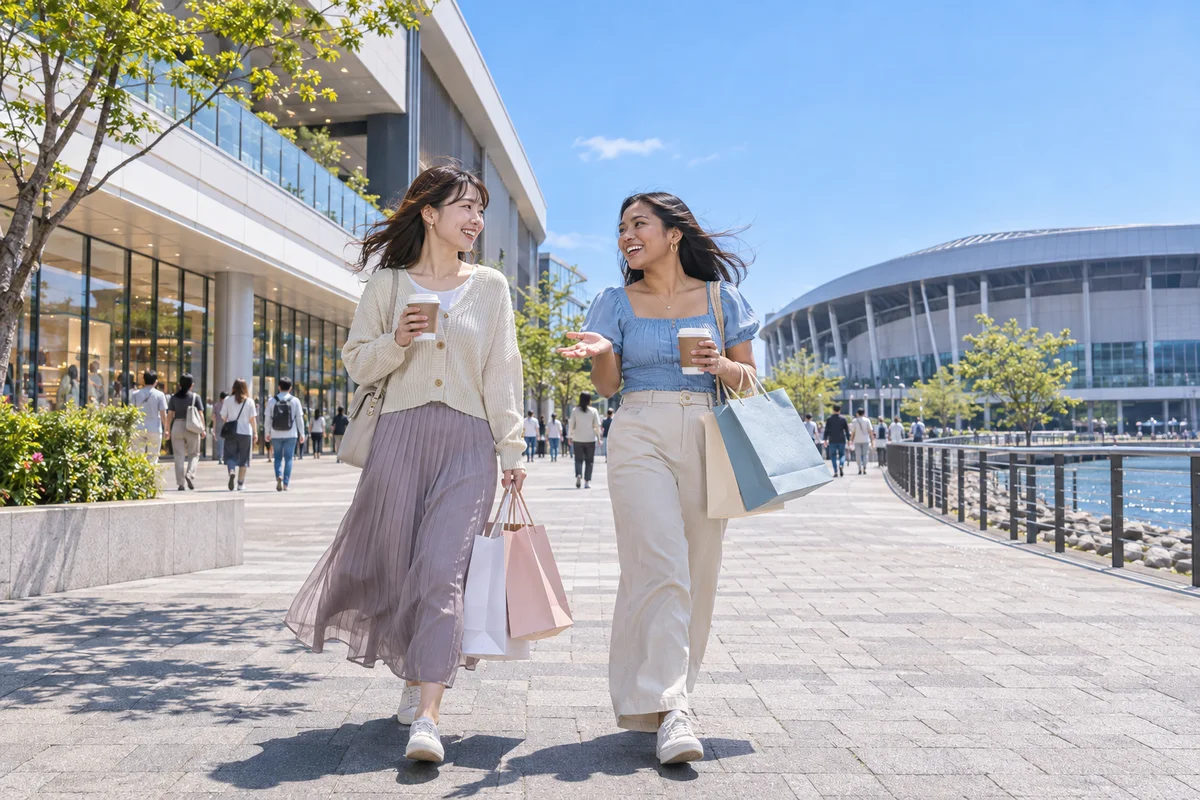
Think of it less as a place to meet people and more as the place you go once you've met them. Grabbing food after an event or wandering the mall together gives you an easy excuse for a second and third hangout.
Next door at Funabashi Racecourse, a Vietnamese culture festival called "Xin Chao! Funabashi Vietnam Fes 2026" was announced for July 2026. When festivals like that come around, the bay area turns into a genuinely international scene.
The north side is mostly residential, with a lot of foreign families. Funabashi Andersen Park has even hosted the city's International Festival in the past.
If you live up here, local Japanese classes and kid-related networks will probably do more for your social life than any bar downtown.
If you're searching for a Funabashi expat community, start with the Funabashi International Relations Association (FIRA). It was founded in 1987 so the city and its residents could promote international exchange together, and its office sits in the city's International Exchange Division.
FIRA runs exchange events where Japanese residents and foreign residents get to know each other, plus an international understanding seminar about once a year. In 2026, its site listed things like the International Festival and a film screening about Hayward, Funabashi's sister city in California. Dates change every time, so check the site regularly.
Anyone interested in international exchange can become a member, and honestly, becoming a member is the shortcut. You get the announcements, so you stop missing events.
Want something deeper than a one-off event? FIRA runs Japanese classes at seven locations around the city for people who live or work in Funabashi, and those classes rely on volunteers.
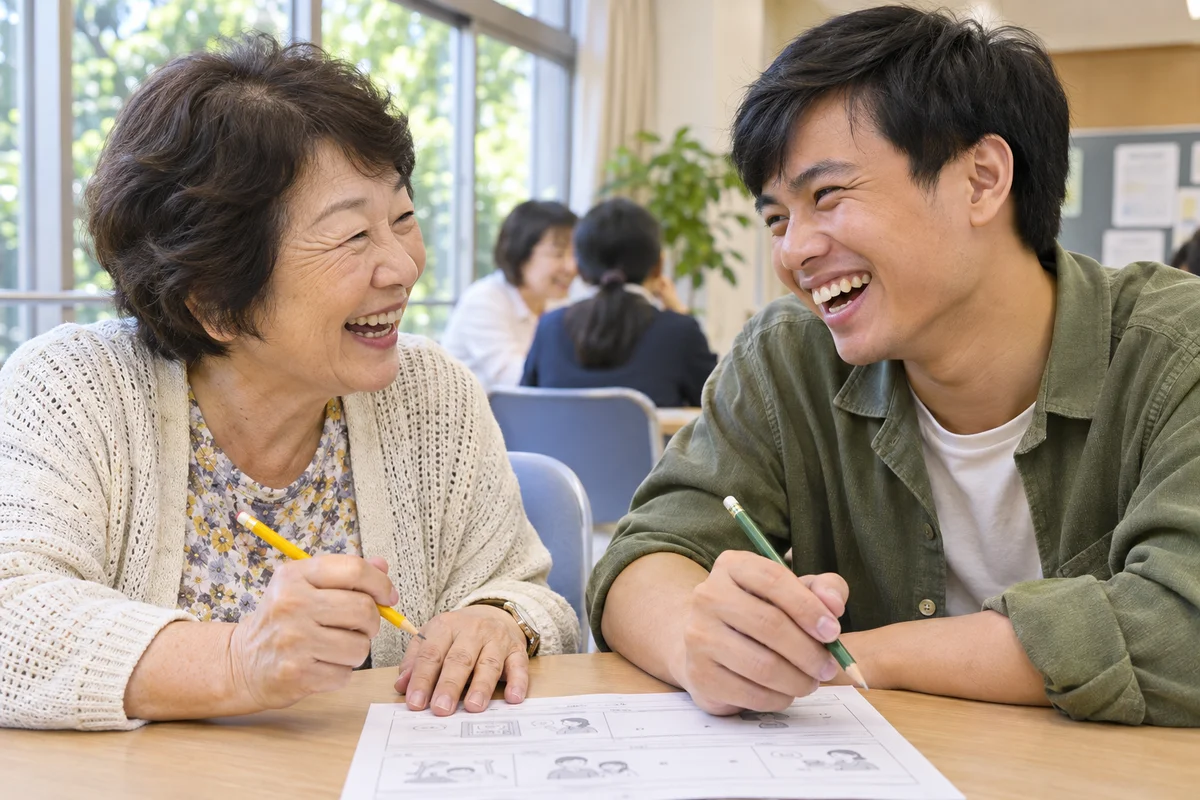
If you're a learner, joining a class puts you in a room with the same people every week. That's exactly how friendships form in Japan: repeated contact in a shared context. If your Japanese is advanced, ask whether they need helpers. Either way, the conversation happens in Japanese, so it's great practice too.
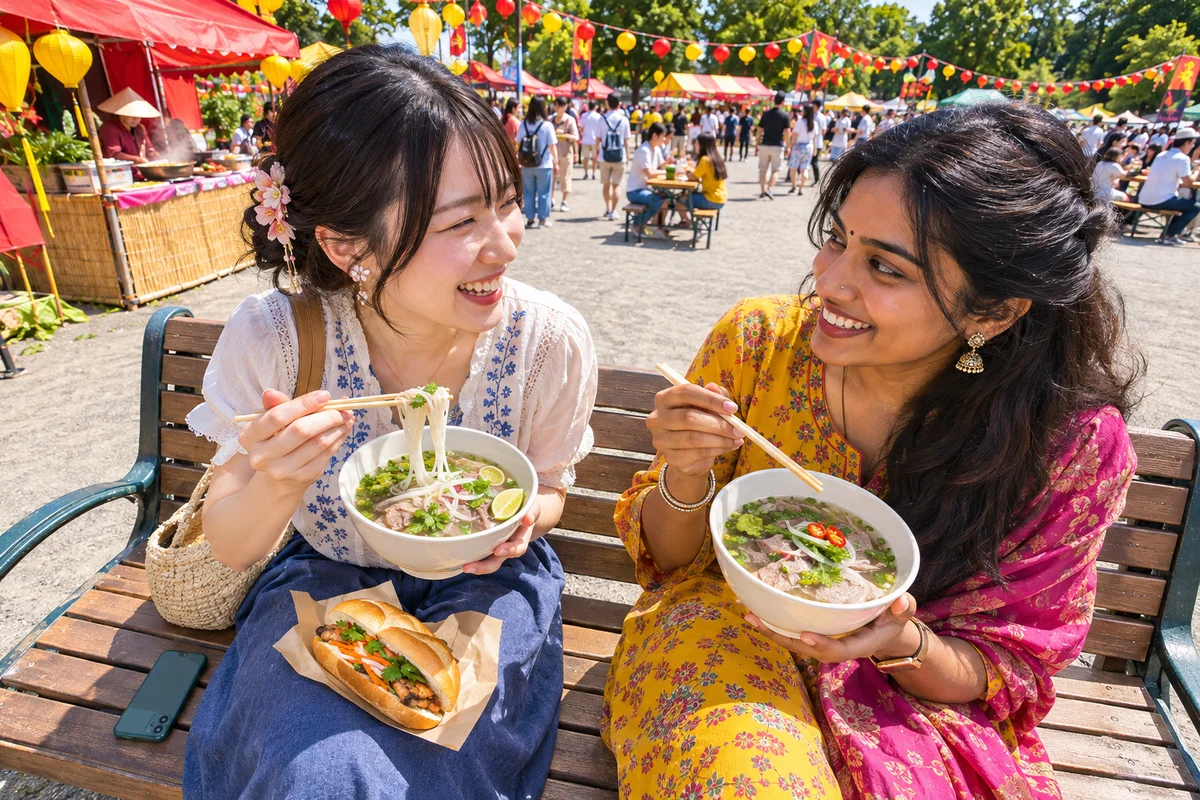
Between FIRA's International Festival and events like Vietnam Fes at the racecourse, Funabashi has festivals where different cultures meet. Food stalls and stage shows create an atmosphere where talking to strangers feels normal.
Keep it light. Standing in a food line? Ask the person next to you what they're getting. If you hit it off, swap contacts right there. Then you've got someone to invite to the next one.
People search for "a foreigner bar in Funabashi," but the real answer isn't one famous spot. It's a handful of places scattered around the north and south exits, including British-style pubs and spots with English menus.
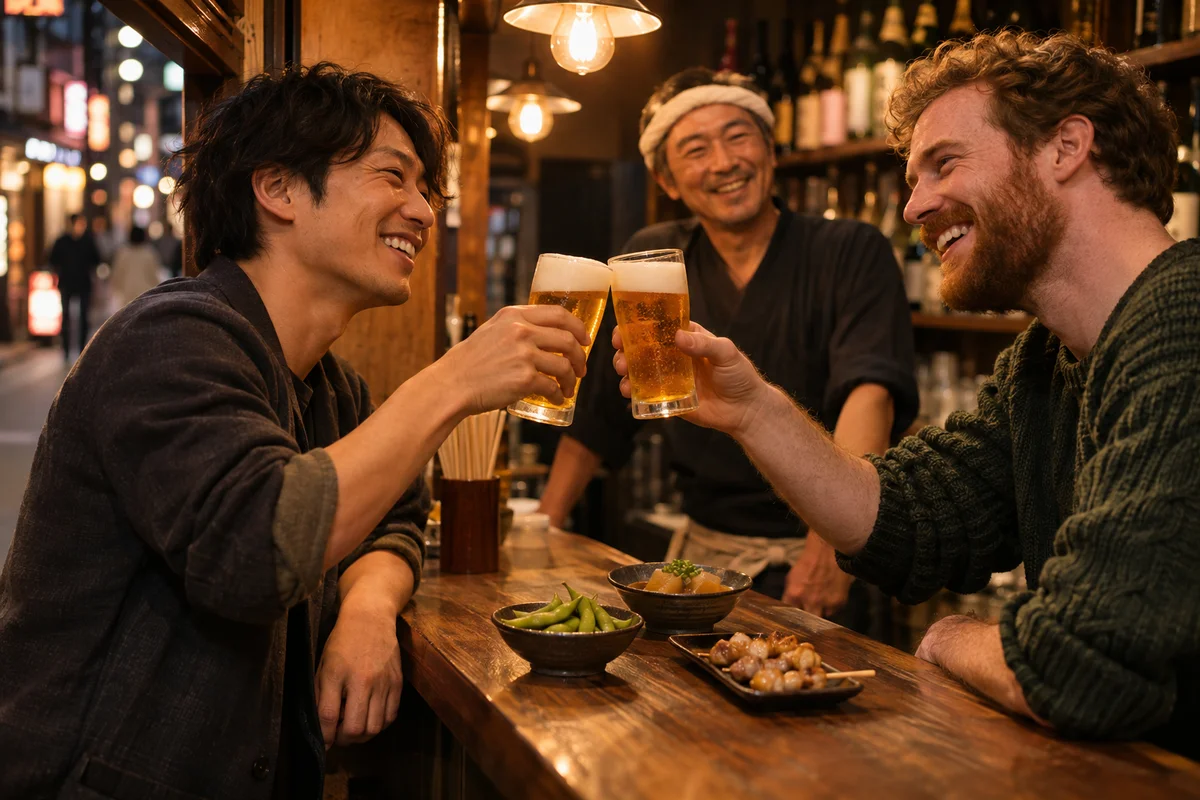
The strategy is simple. Pick one place and go on the same night of the week, three or four times. Once the staff recognize you, introductions to other regulars start happening on their own. Early weeknight evenings are usually calmer and better for actual conversation than late weekends.
If you commute to Tokyo, you don't need to build your whole social life inside Funabashi. Tokyo has endless language exchanges and international meetups, all a short ride away on the Sobu or Tozai Line.
It happens a lot: you meet someone in Tokyo and it turns out they live in Funabashi, Ichikawa or Nishi-Funabashi too. Once you realize you're neighbors, weekend plans get much easier. For the Tokyo side, see our guide on how to make friends in Tokyo.
Tsudanuma, Makuhari and the area around Chiba Station are all a few stops away, and each has its own international crowd. Put them on your map. Our guide to making friends in Chiba covers the wider prefecture.
Week 1: Browse FIRA's site and pick one event or volunteer opportunity you can actually make. Look up a few bars near Funabashi Station or Nishi-Funabashi with lots of English reviews.
Week 2: Go to just one thing. A FIRA event, a Japanese class, or a weeknight at one of those bars. One is enough.
Week 3: Go back to the same place. Say "hey, good to see you again" to someone you met last week. This step matters more than anything else.
Week 4: Invite someone you've clicked with to grab food or wander around Minami-Funabashi. A second setting is what moves people from acquaintance to friend.
The classic mistake is trying ten different events once each. In a commuter city like Funabashi, the person who keeps showing up wins.
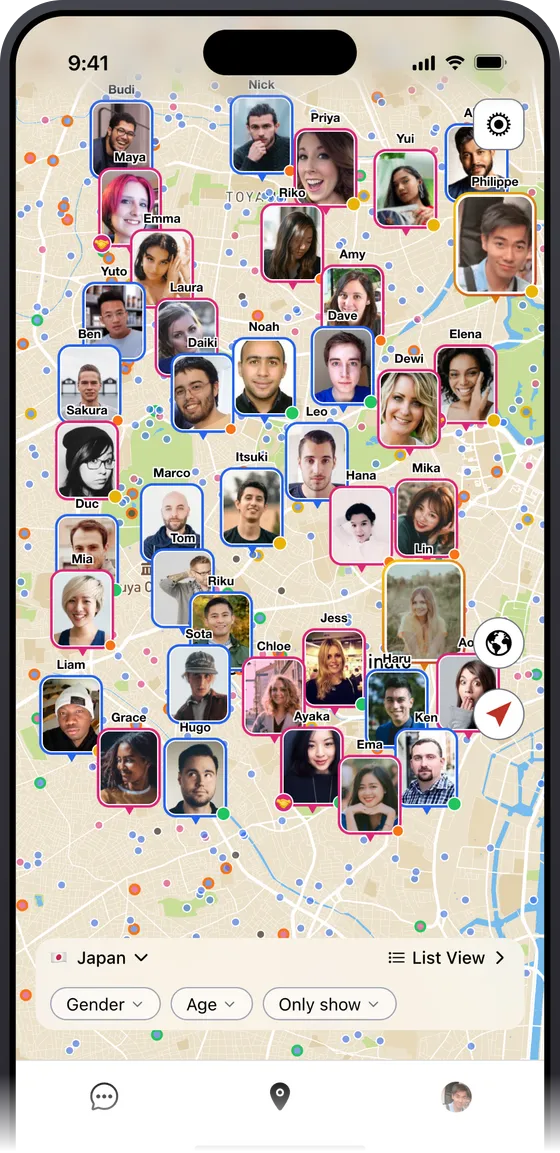
Because people in Funabashi are so spread out, a map makes a real difference. Just seeing who uses the same station or lives within walking distance changes how many people you can actually meet.
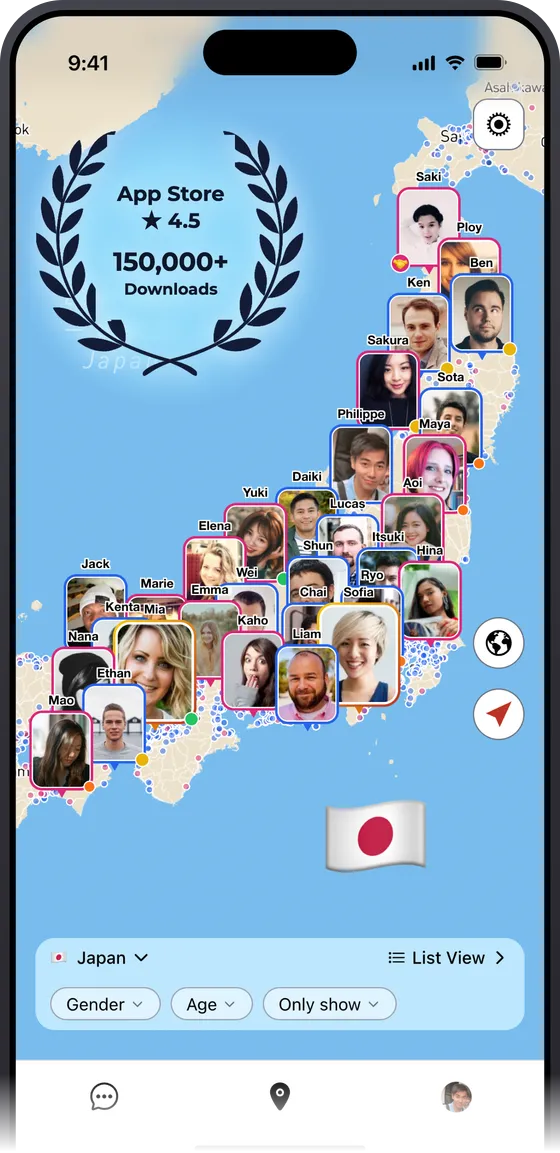
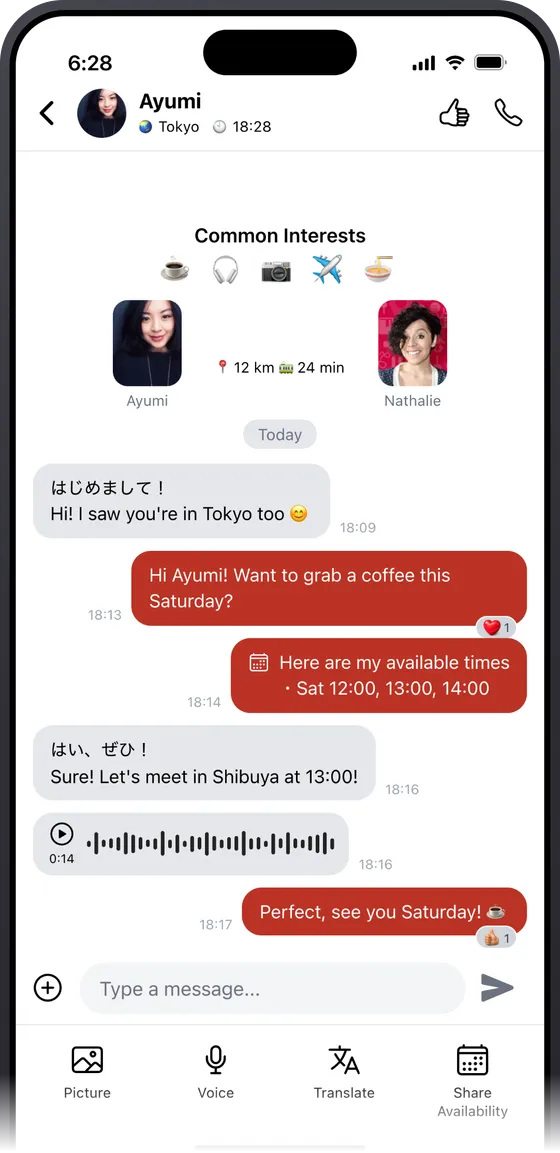
That's what SewaYou is built for. It's a map-based friendship app where you can find people near you in Funabashi and people anywhere in the world. Spot someone a few stations away and suggest coffee at LaLaport this Saturday. Or open the map from your couch, explore a city or country you're curious about, and make friends online with no travel plans at all. If you're heading somewhere soon, you can connect before the trip and meet when you're nearby.
Make Japanese Friends On a Live World Map


Still comparing options? Our roundup of the best apps for making international friends can help.
Is there an expat community in Funabashi?
Yes, but it's spread out rather than centered on one neighborhood. The most reliable starting point is the Funabashi International Relations Association, with its exchange events, International Festival and Japanese classes. For evenings, try the pubs and English-menu spots around Funabashi Station.
What are good things to do in Funabashi to meet people?
Join FIRA events, take or help with a local Japanese class, go to festivals like the International Festival, and become a regular at one bar near the station. Save the Minami-Funabashi bay area for hanging out once you've met people.
Is there a foreigner bar in Funabashi?
There isn't one famous spot where foreigners are guaranteed to be. There are British-style pubs and places with English menus around Funabashi Station, though. Pick one, go a few times, and get to know the staff and regulars.
Should I just make friends in Tokyo instead?
Do both. Meet people at Tokyo events, and if they live nearby, hang out in Funabashi on weekends. Fitting your social life into a weekday-Tokyo, weekend-Funabashi rhythm is what makes it sustainable.
Do I need to speak Japanese to meet locals in Funabashi?
It helps a lot, but you don't need to be fluent. Many locals will happily slow down for you, and Japanese classes give you a low-pressure place to practice with the same people every week. Effort matters more than accuracy.
Funabashi is a city where you'll pass plenty of foreigners and friendly locals without an obvious way to actually become friends. But combine FIRA's events, a weekly class or volunteer slot, a regular bar and weekends in the bay area, and a real circle comes together.
Ready to start? Download SewaYou, see who's around Funabashi Station or Minami-Funabashi, or explore people anywhere in the world from home, and turn this week into the week you meet someone new.
Looking at other cities? Check out our guide to making friends city by city.