So you've landed in Kochi. Maybe you're a new ALT on the JET Programme, maybe you're studying at Kochi University, or maybe work or a partner brought you to the far side of Shikoku. Either way, you've probably noticed something: people here are warm, the food is great, and strangers will happily pour you a drink at Hirome Market. And yet, a few weeks in, you might not have a single person to text on a Saturday.
That's normal. Kochi is not Tokyo or Osaka, and the playbook is different. This guide covers how to make friends in Kochi in 2026: the areas where locals and internationals actually mix, the organizations worth knowing, and the habits that turn a fun night into a real friendship.
Let's be honest first. In Kochi, friends don't just show up on their own. In a big city you can stumble into an international meetup any night of the week. Here, you have to go looking.
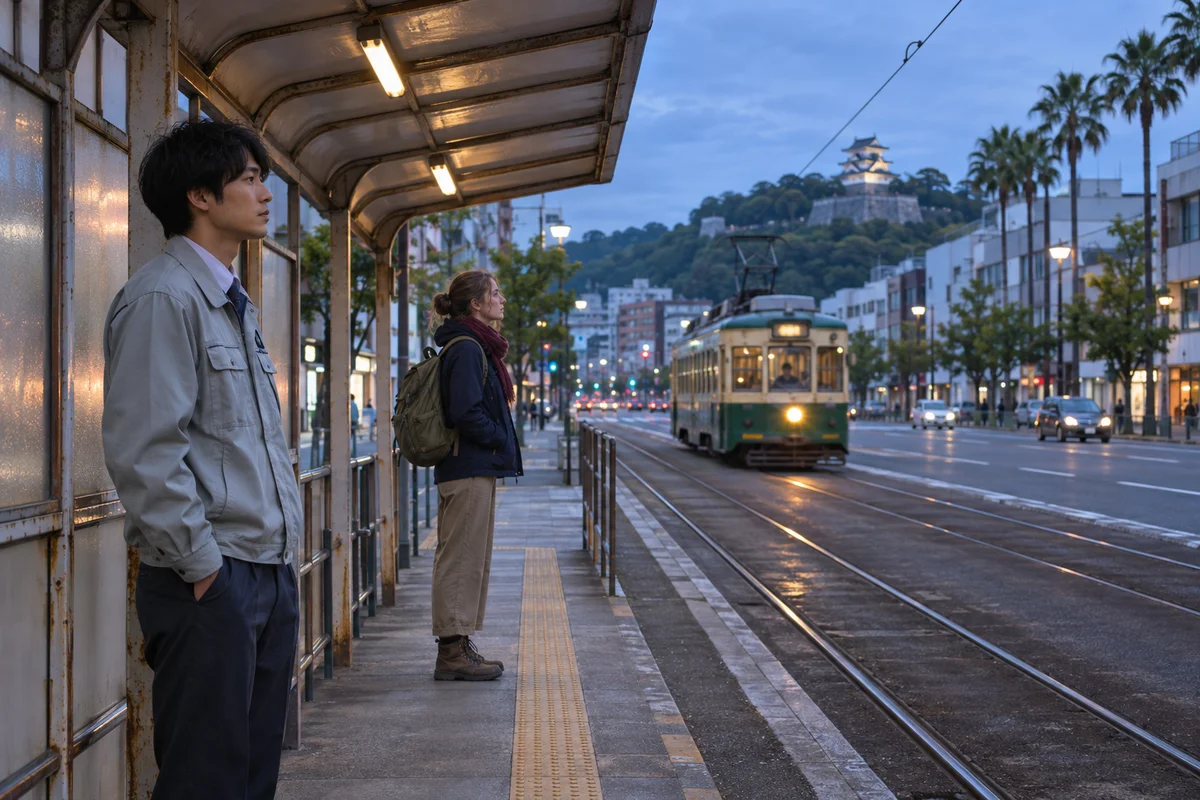
The first reason is that the foreign community is spread out. ALTs are placed in schools in towns and villages all over the prefecture, and plenty of people who came for work live outside Kochi City. Even if you're right in the center, you won't bump into other foreigners every day.
The second reason is that information is scattered. International events get announced on association and university websites, social media and paper flyers, and there's no single calendar that pulls it all together.
The third reason is that tourists and residents blend together. The person you had a great time with at Hirome Market might be heading to Shimanto or Cape Muroto the next morning.
Here's the upside, though. Because the community is small, one good friend opens the whole circle. Once a few people know your face, friends of friends appear fast.
Central Kochi City is compact. Between the streetcar (the Tosaden) and a bicycle, you can get almost everywhere. Knowing the feel of each area helps a lot.
If you only go to one place, make it this one. Hirome Market sits at the western end of the Obiyamachi shopping arcade. It's a big indoor food hall packed with stalls selling katsuo no tataki (seared bonito), sake and beer, and everyone eats at shared tables.
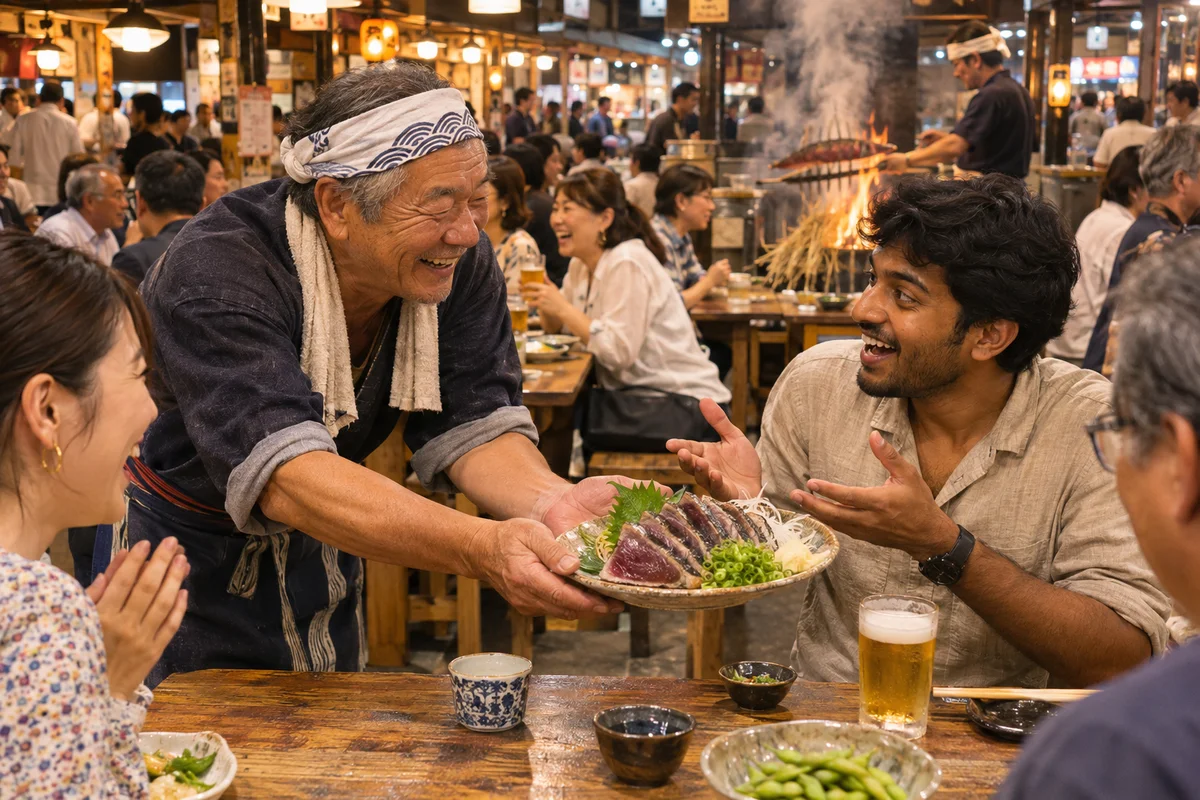
Locals and visitors sit side by side, so asking the person next to you "what did you order?" is all it takes to start talking. Weekends get packed, so weekday evenings or early afternoons are easier for actual conversation. This is where Kochi's famous drinking culture, the "okyaku" spirit of sharing a drink with whoever's around, feels most alive.
The stretch from Harimayabashi up toward Kochi Station is full of hotels, restaurants and bars. You'll see travelers, but also foreign residents grabbing a drink after work.
The streets between Obiyamachi and Harimayabashi are dense with izakaya and small bars. Go for the tiny places with a counter. Pick one, go back a few times, and the owner will start introducing you to the other regulars, foreign and Japanese.
Kochi University's Asakura campus is where you'll find international students. According to the university's own figures, there were around 100 international students as of May 2025. That's small compared to big-city universities, but it's also a size where people get to know each other quickly.
For non-students, the easiest way in is through public lectures and seminars the university opens to the community. Kochi University has run community-and-international seminars aimed at both international students and local residents. Check the university's event page for what's coming up.
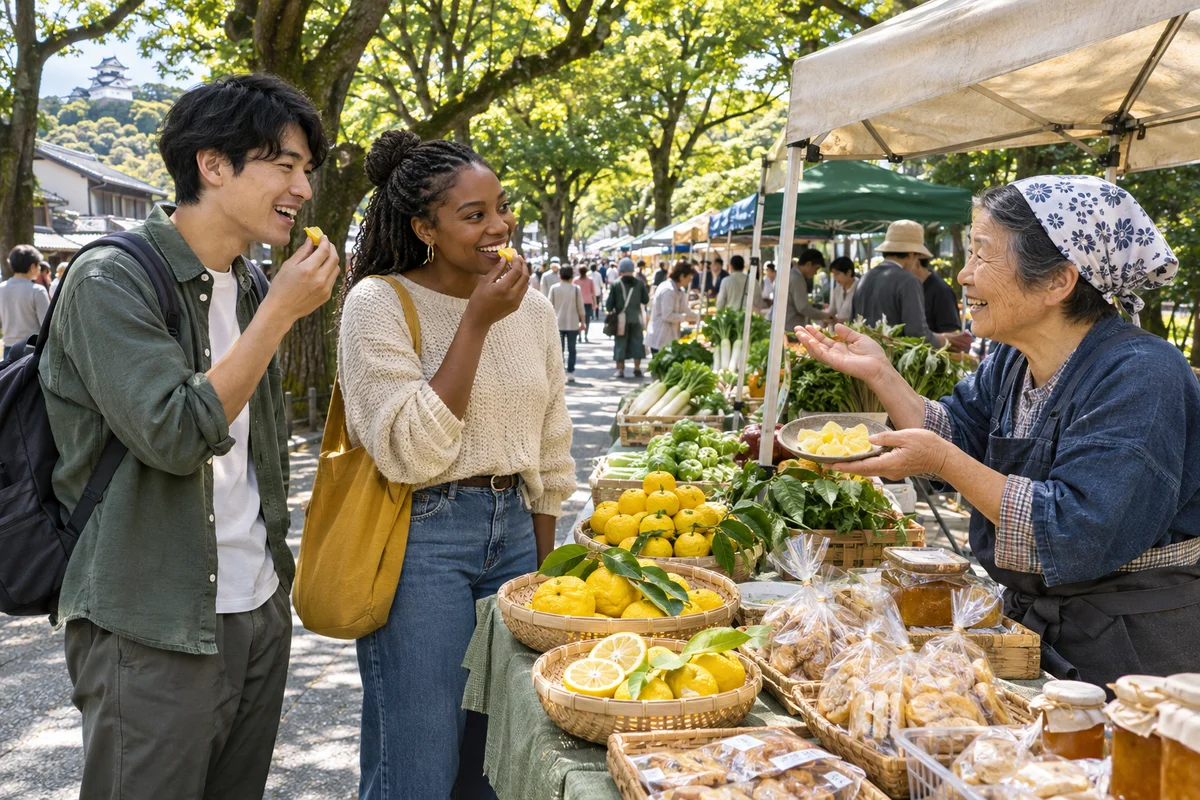
Every Sunday, the Sunday Market (Nichiyoichi) takes over Otesuji, the avenue running east from Kochi Castle. Stalls selling vegetables, fruit and inaka-zushi (countryside sushi) line the street, and both visitors and foreign residents wander through.
The great thing here is that you're constantly handed reasons to talk. When a vendor offers you a sample, turning to the person beside you and asking "what is this?" is the most natural thing in the world. It's a relaxed morning crowd, so it's ideal if late-night bars aren't your thing.
The most useful starting point for international life here is the Kochi International Association (KIA), a public-interest foundation with its office in the Marunouchi Building in Honmachi, Kochi City. It runs Japanese classes for international residents, multicultural understanding programs and other community projects.
Its own flyers list free in-person Japanese classes on weekday evenings at the KIA office, split by level, plus an online option. Classes mean the same faces every week, which is exactly what you want. Check KIA's website for current schedules and sign-up details before you go.
KIA's site also explains how to get involved as a volunteer. The Kochi Foreign Residents Support Center (CoCoFORET) recruits volunteers too, for things like consultation days, events and interpreting. If you have language skills, this is a great way to be useful and meet people at the same time.
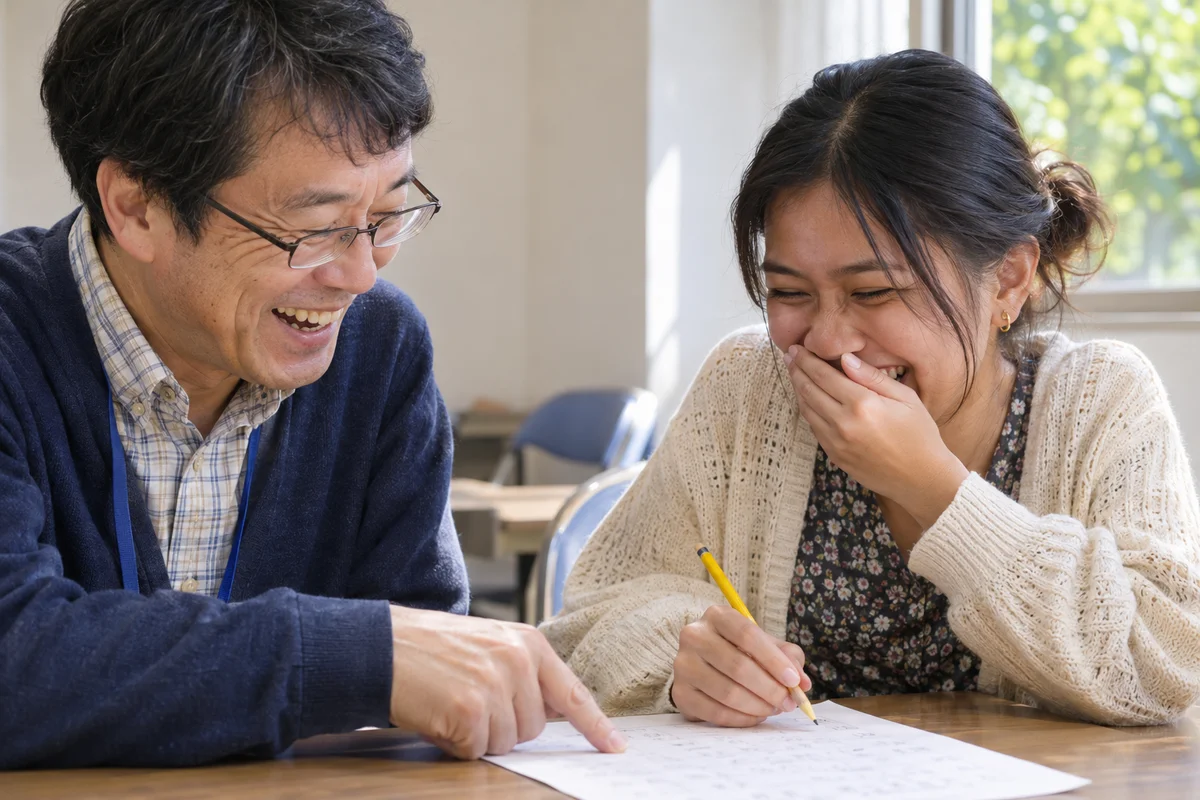
The real value is repetition. Seeing the same people every week beats one great conversation at a bar. You'll also meet the Japanese locals who care about international exchange, which is exactly the crowd most likely to want foreign friends.
Every August, the Yosakoi Matsuri fills Kochi's streets with dancing teams; in 2026 it ran August 9 to 12. According to prefectural materials, participants come from many countries and regions overseas, and there have been years with teams made up of people from abroad.
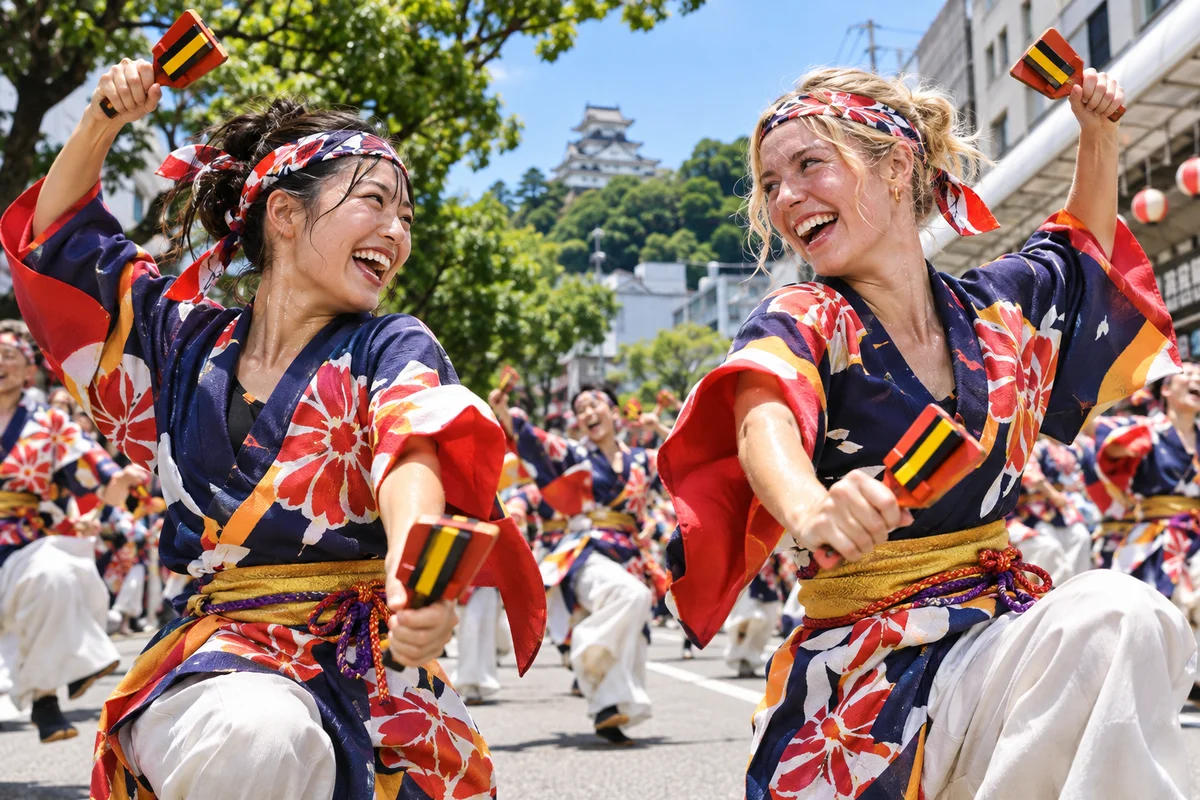
Watching is fun. Joining a team as a dancer is a different level. You practice together for weeks before the festival and sweat through the big days side by side, and by the end you have a group of real friends. Recruitment timing and requirements vary by team, so start looking around spring.
Don't treat Hirome Market or the Sunday Market as one-time sightseeing. Go on the same day, at roughly the same time, a few weeks in a row. You'll start recognizing the regulars, and they'll recognize you.
"You were here last week, right?" keeps a conversation going far better than "where are you from?" ever will.
If you're an ALT, your fellow JETs are your built-in network. They're spread across the prefecture, and many come into Kochi City on weekends. If you're not an ALT but you meet one through work, your kids' school or a local event, that's a valuable connection.
A simple "want to hit Hirome Market sometime?" is enough. One friendly ALT can introduce you to the others and to their Japanese friends. Just make sure your social life doesn't stay entirely inside the foreigner bubble.
Public gatherings, like Kochi University seminars or multicultural events at Otepia (the complex that houses Kochi's main library), are worth checking out. They're a good fit if you want somewhere calm to talk without alcohol.
When it ends, talk to just one person. You're both there because the topic interested you, so you already have something to talk about.
Week 1: Browse the KIA website and Kochi University's event page. Pick one class, volunteer role or seminar you can realistically attend.
Week 2: Go to the Sunday Market, then have lunch at Hirome Market. Say one sentence to whoever sits next to you.
Week 3: Attend the class or event you picked. Afterward, swap LINE with one person.
Week 4: Go back to the same place. Greet last week's person with "I came back."
The most common mistake is showing up once everywhere and never returning. Kochi doesn't have a huge number of events, so commit to one place and keep going.
Events and markets are only half of it. The other half is knowing who's around you right now.
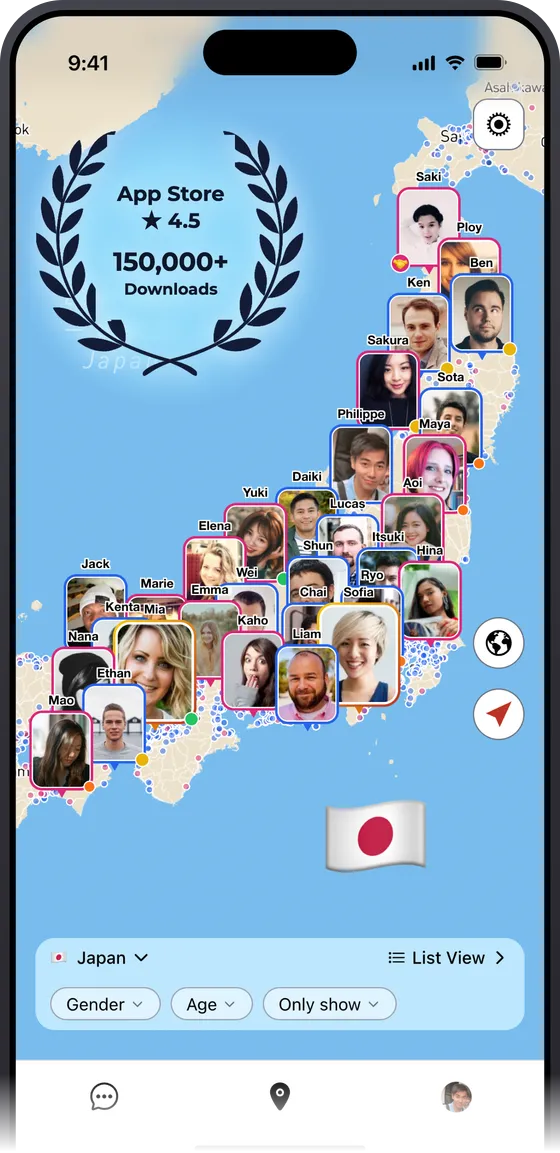
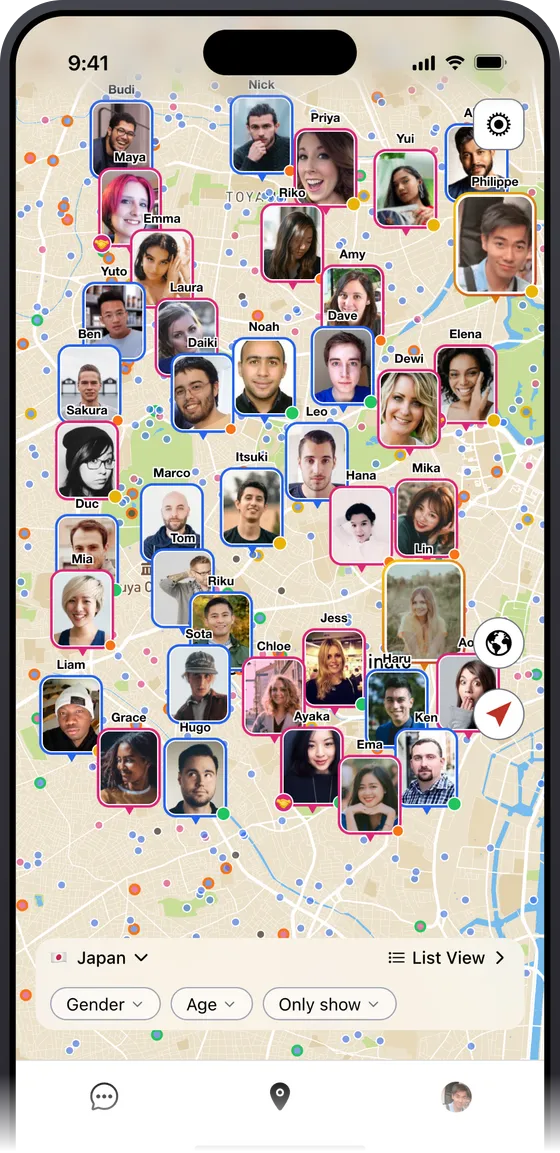
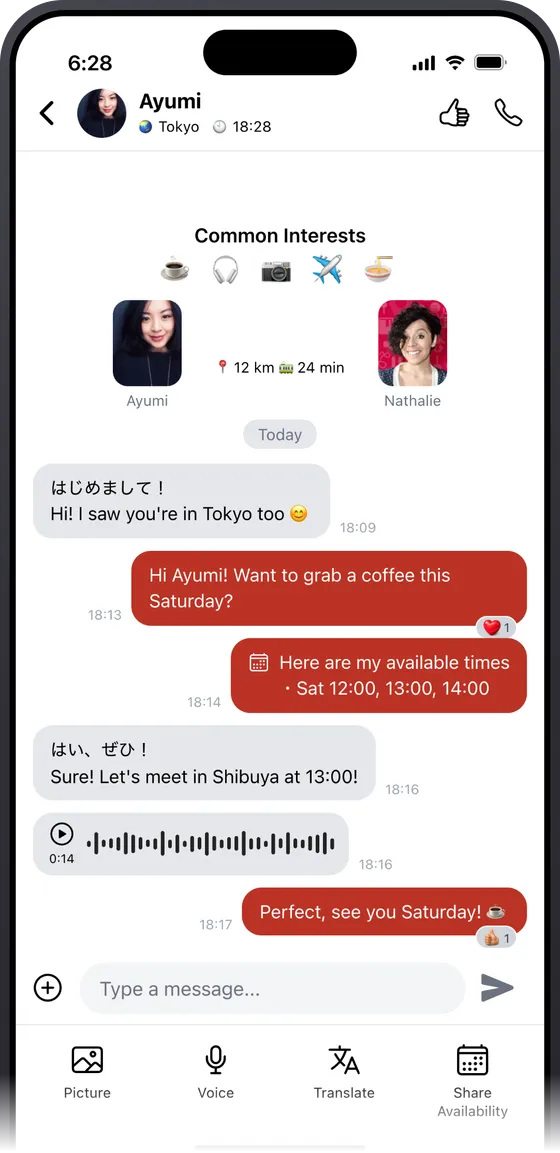
That's what SewaYou is built for. It's a map-based friendship app where you can find people near you in Kochi and people anywhere in the world. Central Kochi is small, so you can spot someone around Obiyamachi or Harimayabashi and suggest meeting at Hirome Market that same evening. Or open the map from home, explore a city or country you're curious about, and make friends online with no travel plans at all. If a trip is coming up, you can connect before you go and meet when you're nearby.
Make Japanese Friends On a Live World Map


Still comparing options? Our roundup of the best apps for making international friends can help.
Where can foreigners meet people in Kochi?
Start with Hirome Market in Obiyamachi and the Sunday Market on Otesuji. Shared tables and food samples give you easy reasons to talk. For deeper friendships, try KIA's classes and volunteering, or join a team for the Yosakoi Festival in August.
Is there an expat community in Kochi?
Yes, but it's small and spread out. ALTs live all over the prefecture, international students are concentrated around Kochi University in Asakura, and many people come into Kochi City on weekends. Hirome Market, the bars between Obiyamachi and Harimayabashi, and KIA events are where the community tends to cross paths.
Are there bars in Kochi where foreigners hang out?
Rather than one famous foreigner bar, foreign residents tend to drink in the dense bar area between Obiyamachi and Harimayabashi. Pick a small counter bar, go back a few times, and get to know the owner and regulars.
How do I find international events in Kochi?
Check the Kochi International Association website, Kochi University's event page and JICA Shikoku's event listings. Announcements are scattered, so sign up early when something catches your eye.
Do I need Japanese to make friends in Kochi?
It helps a lot. Outside the main tourist spots, English is less common than in big cities, and the local Tosa dialect adds another layer. But many people are happy to try, and KIA's Japanese classes are a good way to improve while meeting people. Effort matters more than accuracy.
The trick to making friends in Kochi is not playing the numbers game like you would in a big city. Pick one place, keep showing up, get close to one person, and let the circle grow from there. Before long, you'll have people to call on a Saturday.
Ready to start? Download SewaYou, see who's around Obiyamachi or Harimayabashi, or explore people anywhere in the world from home, and make this the week you meet someone new in Kochi.
Heading elsewhere in Shikoku? See our guide on how to make friends in Matsuyama, or browse our guide to making friends city by city.