
Tsukuba should be the easiest place in Japan to make friends as a foreigner. You hear a dozen languages at the supermarket. Your lab has people from five continents. The University of Tsukuba alone reported 2,341 international students from 114 countries as of May 2025. And yet a lot of people who move here for a research post or a degree end up a year in with colleagues, a few classmates, and nobody they'd call on a Saturday.
So what's going on? Tsukuba isn't short on people. It's short on the places where those people bump into each other outside work. This guide covers how to make friends in Tsukuba in 2026, whether you're a researcher, a student, or a partner who followed someone here: the neighborhoods, the organizations, the events, and a plan for your first month.
Tsukuba is a planned science city, about 45 minutes from Akihabara on the Tsukuba Express rapid train. According to Ibaraki Prefecture's figures for the end of 2023, it has more foreign residents than any other city in the prefecture. The international community is real. The problem is how life here is structured.
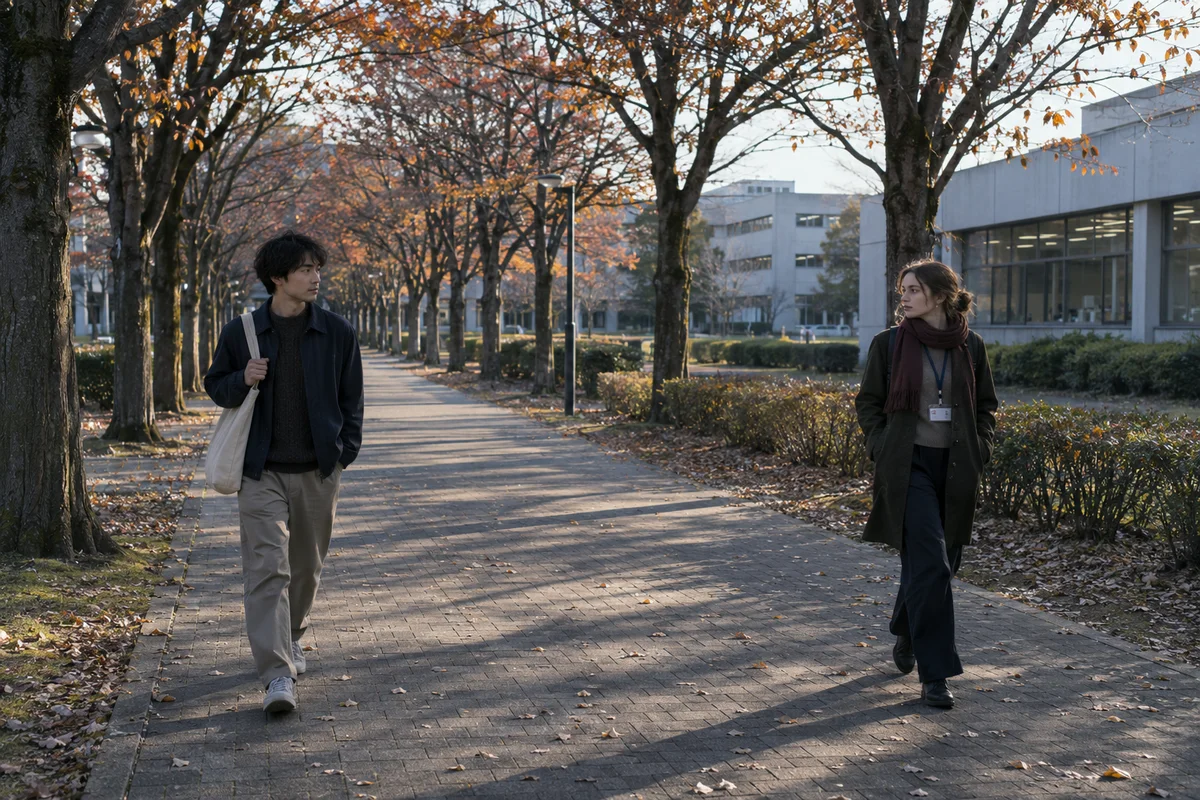
In my opinion, three things work against you.
First, life happens inside the gates. Researchers have their institute, students have the campus, and both offer enough social life that you never really need to leave. That's comfortable, but it means you rarely meet the Japanese residents who live around you.
Second, the city is spread out. Institutes and campus zones are scattered across a wide area, and much of daily life runs on bikes, buses and cars. There's no single nightlife district where everyone ends up, the way there is in Tokyo or Osaka.
Third, people keep leaving. Fixed-term research contracts and two-year degrees mean the friend you made in spring might fly home next winter. Every long-term Tsukuba resident knows this feeling.
The upside is that turnover cuts both ways. New people arrive all the time, and plenty of them are looking for friends too. Tsukuba rewards people who know where to look.
Think of Tsukuba in four zones. Get a bicycle early; it changes everything about how far your social life can reach.
This is the hub. Tsukuba Center sits right on top of Tsukuba Station, with the bus terminal, shops, Center Square and Central Park all close together. If you take a bus out to an institute or the university, you probably transfer here.
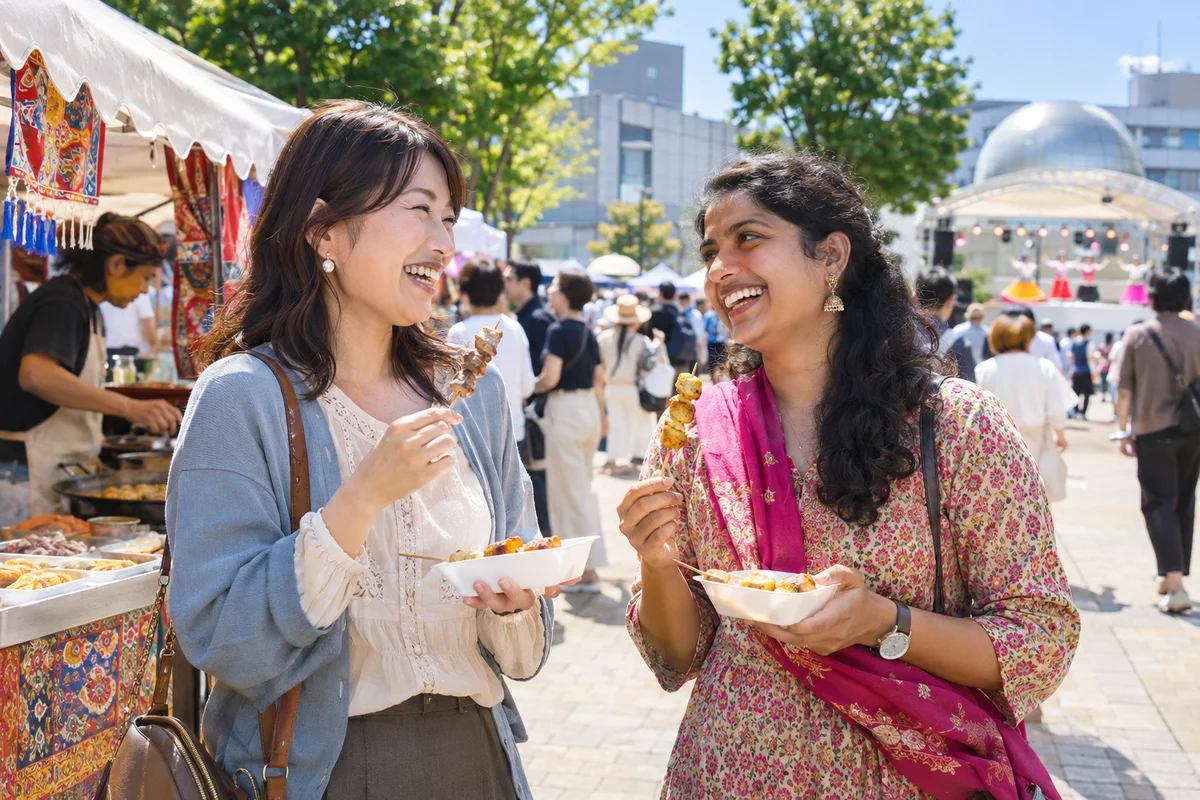
The Tsukuba International Association (TIA) has its office in this area too, inside the Corridoio building in Azuma, and many of its events happen around here. If you're wondering where Tsukuba's international scene starts, the answer is basically Tsukuba Center. The cafes around the station are also where you'll see residents from abroad working on laptops on weekends.
Amakubo is the student neighborhood right next to the University of Tsukuba. Along the main street you'll find izakaya, Chinese restaurants and cheap set-meal places, and many international students live nearby. On weeknights it's full of students eating and drinking together.
Kasuga is home to the university's Kasuga area and is walkable from Tsukuba Station. If you're not a student, the university's public lectures and open events are an easy way in.
Takezono and Namiki are residential areas close to many of the institutes. Lots of parks, and lots of families from abroad.
Here, friendships tend to come from daily life rather than nightlife: playgrounds, daycare and school events, kids' lessons. You become familiar faces as parents first. For families, this is the strongest route, because friends made through kids tend to stick.
One stop before Tsukuba on the Tsukuba Express, the Kenkyu-gakuen area has new apartment buildings and a big shopping mall, and it has grown a lot in recent years. It feels like a neighborhood of young families and recent arrivals, which makes it a good place to meet other people who are also new.
TIA is the most useful single resource for foreigners here. It runs Japanese classes for foreign residents, cultural tea gatherings, international cooking classes and other cultural events, and its office in Corridoio is a good place to ask questions in person.
If you're searching for a Tsukuba expat community and don't know where to begin, check the TIA website first. Event schedules and sign-up methods change, so always confirm the latest details there before you go.
TIA's Japanese classes run by semester, in person at Corridoio or online, and you'll see the same classmates every week. That repetition is exactly what friendship needs. Your classmates will often be other researchers' partners and people who just moved to Japan, all in the same boat as you.
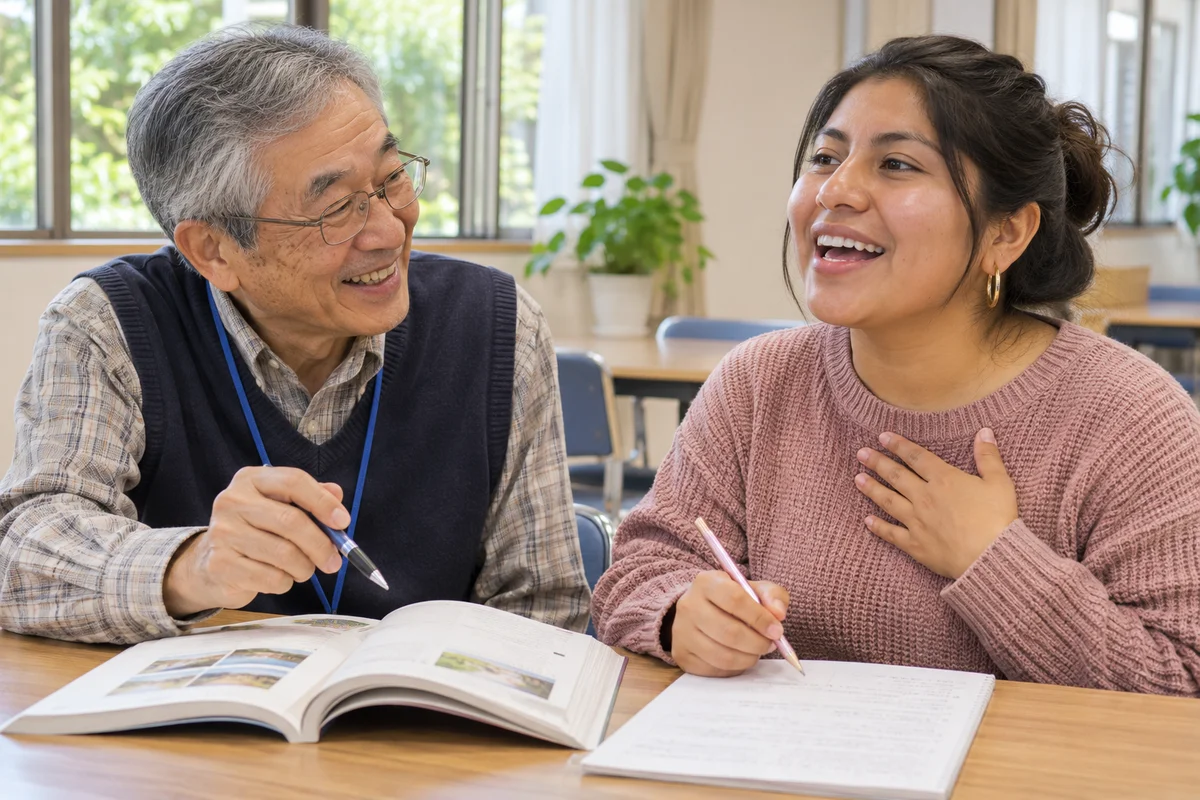
TIA also lets people register as volunteers for things like interpreting, translation and event staffing. If your Japanese is decent, or your English is useful to someone, volunteering puts you next to Japanese residents who actively want to meet people from abroad. Ask the association what's open when you arrive.
TIA runs the Tsukuba City Chat Cafe with the University of Tsukuba, a Sunday conversation event in English with international students, held on the third floor of Corridoio. The FY2026 schedule on TIA's site lists sessions running through February 2027.
You don't have to think of it as a language event. Treat it as a low-pressure way to meet students and local residents in the same room. It's in groups, so it works even if one-on-one small talk isn't your thing.
The Tsukuba Festival happens every year, with science and international exchange as its themes. In 2026 it ran on May 16 and 17 at Tsukuba Center Square and Oshimizu Park, and TIA ran the international exchange stage and the world food area.
Standing in line at a stall selling food from another country is one of the easiest conversation starters there is, with the people running it and the people next to you. For next year's dates, keep an eye on the TIA and Tsukuba City websites in spring.
If you want to meet people in the evening, the izakaya and small bars around the main street in Amakubo are your best bet. Instead of hunting for a famous foreigner bar, pick one place with a counter and keep going back. The owner will start introducing you to other regulars, students and researchers alike.
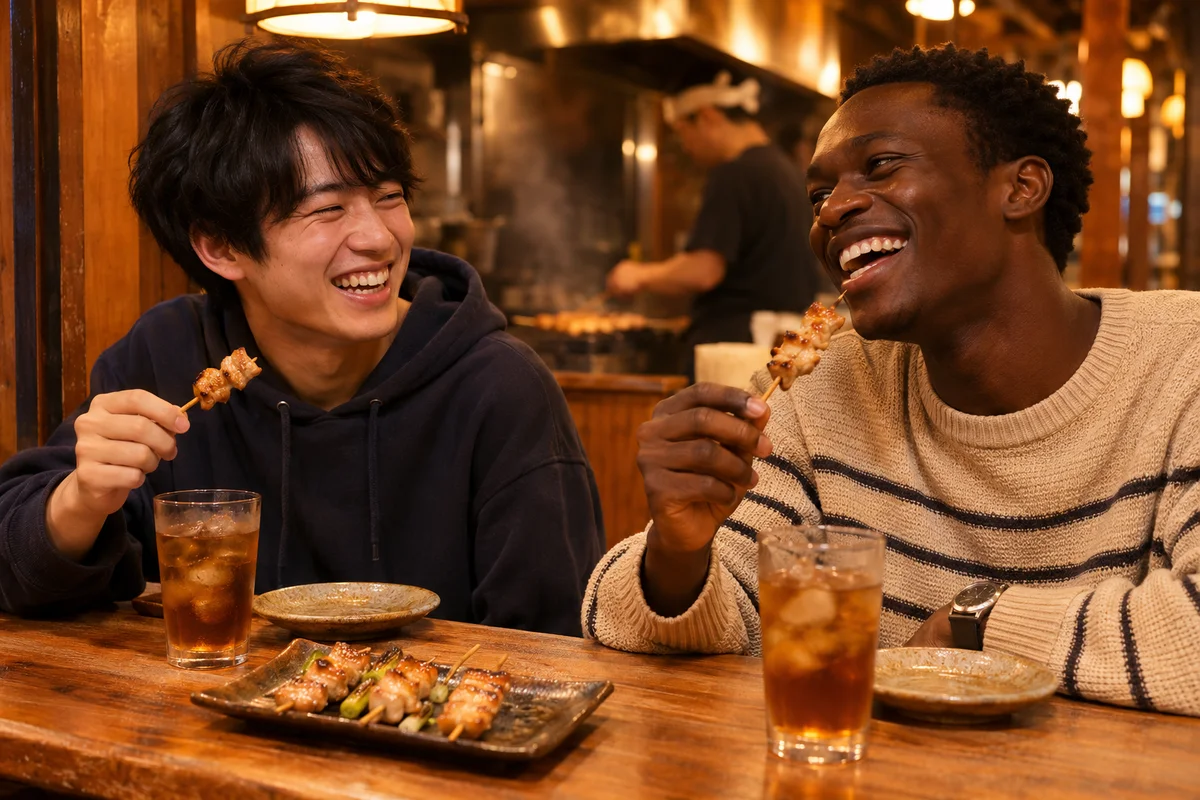
Don't worry if searching for "Tsukuba foreigner bar" turns up nothing useful. Showing up again beats finding the perfect spot, especially in a city this size.
If you live in Tsukuba, Mt. Tsukuba is the best social venue you have. Hiking is easy company: silences aren't awkward, and the view gives you something to talk about.
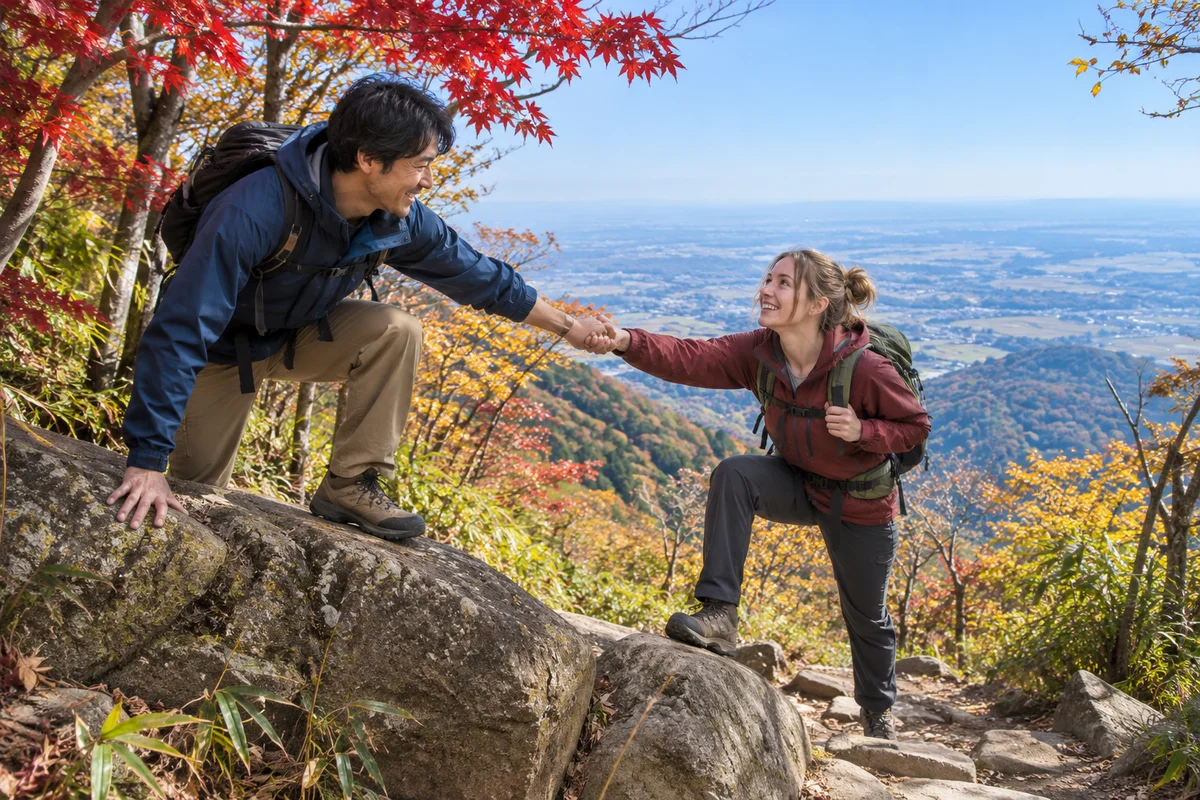
It's also the perfect excuse for a second meeting. Met someone at the Chat Cafe or a TIA event? "Want to hike Mt. Tsukuba sometime?" is an easy, specific invitation. A shared climb turns acquaintances into friends faster than another coffee.
Week 1: Look at the TIA website and pick one event, class or volunteer role that fits your schedule.
Week 2: Explore around Tsukuba Center on foot or by bike and find one cafe you like. Have dinner in Amakubo on the weekend.
Week 3: Go to the event you picked. Afterward, swap contacts with just one person you talked to.
Week 4: Go to the same event again. Invite last week's person for coffee or a Mt. Tsukuba hike.
The most common mistake is trying everything once and committing to nothing. Because people come and go so often here, the ones you see again and again are the ones worth investing in.
Alongside events and volunteering, a map of real people helps in a city as spread out as Tsukuba. It's hard to know who lives near you when everyone is tucked away in different institutes and housing areas. Seeing that someone with similar interests is a short bike ride away makes reaching out much easier.
The map isn't limited to Tsukuba, either. From home, you can explore a city or country you're curious about and make friends there online. No travel plans needed to make friends, and if you do visit later, you already know someone. That fits Tsukuba especially well: when a friend's contract ends and they go home, you can still find each other on the map.
Make Japanese Friends On a Live World Map
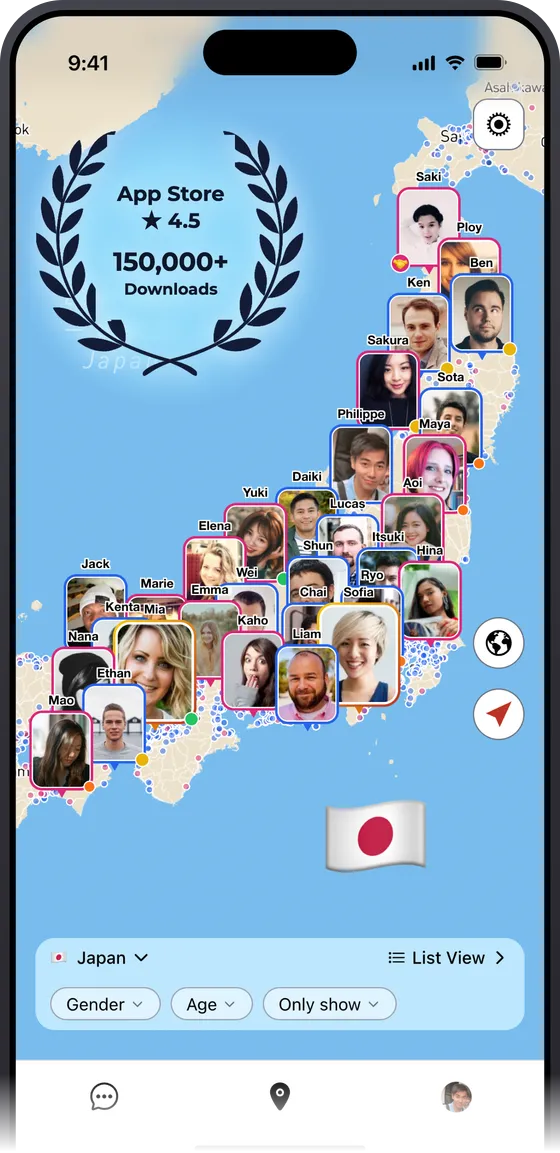
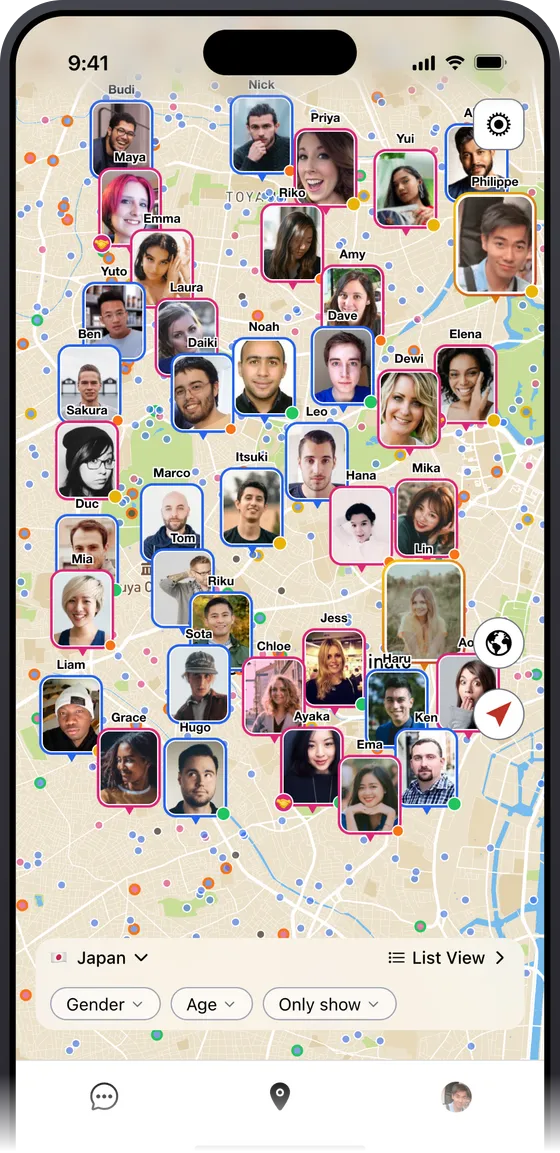
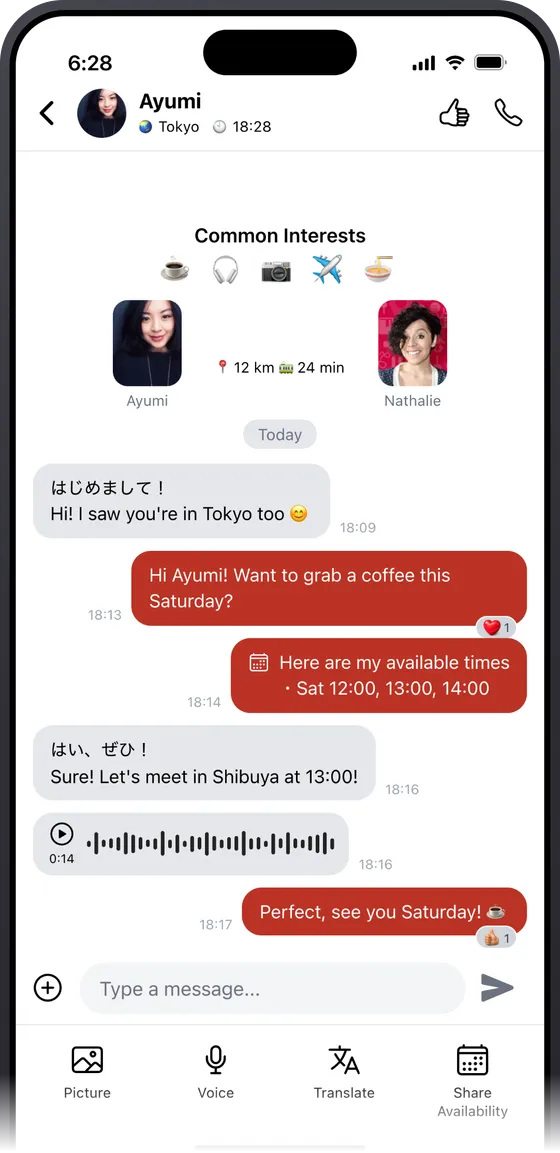


That's what SewaYou is for. It's a map-based friendship app for finding people nearby and anywhere in the world. Look around Tsukuba Center or Amakubo for internationals and Japanese locals to meet for coffee, or browse a country you've always wanted to visit and start a friendship from your couch.
Still comparing options? Our roundup of the best apps for making international friends can help.
Where can foreigners meet people in Tsukuba?
Start around Tsukuba Center, where the Tsukuba International Association is based and holds events like the Chat Cafe. For evenings, try Amakubo next to the University of Tsukuba. Families tend to meet other families in the parks and community events of Takezono and Namiki.
Is there an expat community in Tsukuba?
Yes. Between the research institutes, the university and their families, Tsukuba has one of the larger international populations in Ibaraki. The easiest way to plug in outside your workplace is through TIA's classes, events and volunteer roles.
Do I need to speak Japanese to make friends in Tsukuba?
Not to get started. Many residents here work or study in English, and events like the Chat Cafe are held in English. Learning some Japanese, through TIA's classes for example, opens up friendships with your Japanese neighbors and makes daily life much easier.
When is the Tsukuba Festival?
It's held every year. In 2026 it took place on May 16 and 17 at Tsukuba Center Square and Oshimizu Park. Check the TIA or Tsukuba City website for next year's dates.
What are good things to do in Tsukuba to meet people?
A weekly class or a regular volunteer role, the Chat Cafe, the Tsukuba Festival, a regular spot in Amakubo, and hiking Mt. Tsukuba with someone you've just met. The key is repeating the same thing rather than trying everything once.
The trick to making friends in Tsukuba is having one place outside your lab or campus where you'll see the same faces again. Make one friend there, and you'll quickly meet their lab mates, classmates and neighbors. The circle grows faster than you'd expect.
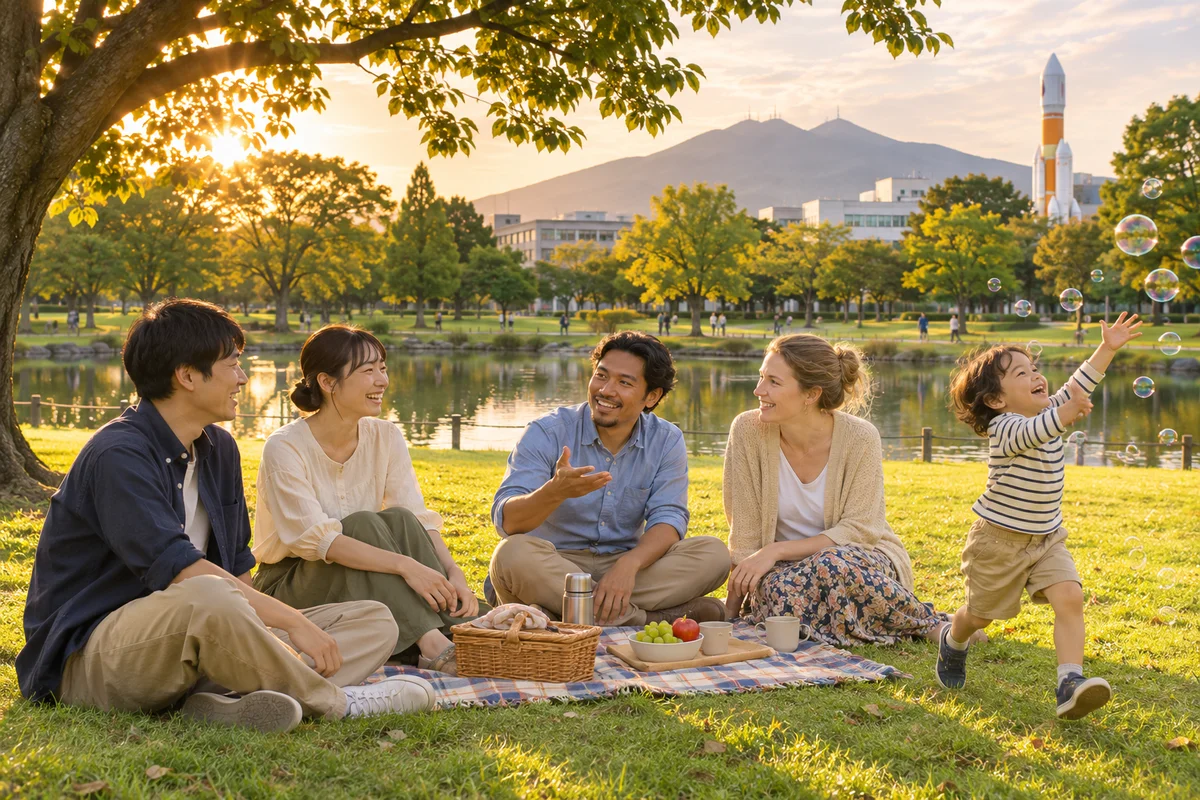
Looking for friends in Tsukuba? Download SewaYou and find people near you and around the world today.
Heading elsewhere in Japan? Browse our guide to making friends city by city.