

Sapporo gets talked about a lot for its snow, its beer, and its ramen. What doesn't get talked about enough is how quietly lonely it can feel if you're a foreigner who just moved there. Hokkaido's capital has this reputation for being warm and open compared to Tokyo, which is partly true, but "open" doesn't automatically translate to "easy to make friends." You still have to show up, keep showing up, and figure out where the right kind of people hang out.
If you're living in Sapporo in 2026 and trying to build an actual social circle, this guide walks through what actually works. Real neighborhoods, real venues, and a few things people don't tell you until you've been there for six months and are wondering why your weekends are still spent alone at Nijo Market.
First, the honest part. Sapporo is Japan's fifth-largest city, but the foreign population is smaller and more spread out than in Tokyo or Osaka. You won't walk into a random bar in Susukino and stumble into a pile of English-speaking expats the way you might in Shibuya. The scene exists, it's just quieter and you have to go looking for it.
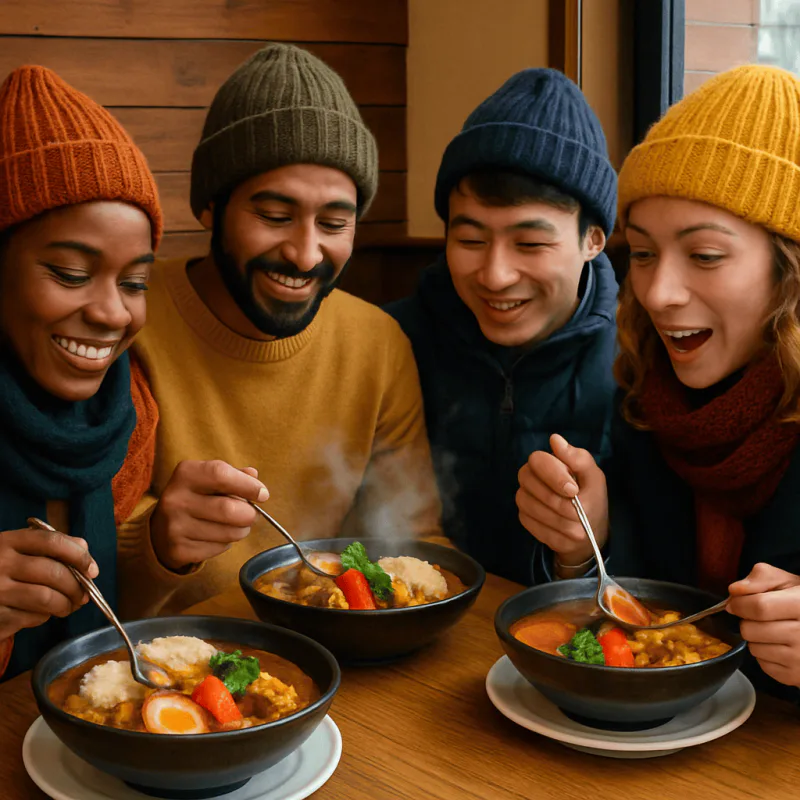
Second, the weather runs your social life whether you like it or not. From late November through March, the city is buried in snow. This sounds miserable, but it actually helps your social life in a weird way because everyone is forced indoors into the same cafes, izakayas, and onsens. The summer is short, so when it arrives, everyone is outside, all the time. Learn to work with the seasons instead of against them.
Third, Sapporo locals are friendly, but they're not pushy. People here won't invite you to things uninvited. You have to ask, show up, and be the one who follows up. This is a quiet rule of the whole island of Hokkaido and once you understand it, things get easier.
Not every part of Sapporo is equal for meeting people. A few neighborhoods do most of the heavy lifting for social life.
Susukino is the obvious one. Japan's biggest entertainment district north of Tokyo is stuffed with izakayas, karaoke boxes, and late-night ramen shops. It gets rowdy, but it's also where you'll find the most mixed crowds of locals and foreigners, especially around Tanukikoji Shopping Arcade's southern end. The standing bars around the Susukino crossing are good for solo visits because the counter seating forces conversation.
Odori Park and Tanukikoji are where daytime Sapporo lives. If you're new in town, walking Tanukikoji on a Saturday afternoon, grabbing a coffee at one of the third-wave cafes that have popped up around Minami 3-jo, and then drifting into Odori Park during a festival is one of the easier ways to start bumping into people naturally.
Maruyama is the quieter, more residential side. A lot of long-term foreigners end up here because it has nice cafes, easy access to Maruyama Park, and a more local feel. If you want friendships that feel like friendships rather than just drinking buddies, Maruyama's cafes and the hiking crowd around Mount Maruyama are where you plant seeds.
Nakajima Park and the Horohira area south of Susukino have a younger, slightly artsier vibe. Small galleries, music venues, and craft beer bars. Good for creative types.
Kita-ku around Hokkaido University is obvious if you're a student or under thirty. Even if you're not enrolled, the cafes and cheap izakayas around the north gate pull in a crowd that's used to international students.
Sapporo's social calendar runs on festivals and weather, and plugging into that calendar is the fastest way to meet people.

In February, the Sapporo Snow Festival turns Odori Park into a tourist zoo, but the side events, the ones at Tsudome and around the smaller community snow sculptures, are where locals actually hang out. Volunteer shifts for the festival, which fill up in January, are a legitimately great way to meet people because you're literally working side by side for a week.
In summer, the Sapporo Summer Festival and the beer gardens in Odori Park take over all of July and August. Beer gardens are basically a free pass to sit down at a big table with strangers. Go alone, order a Sapporo Classic, and just start talking to whoever's next to you. This actually works. The whole atmosphere is designed for it.
Ski season is another one. If you ski or snowboard, getting a season pass at Sapporo Teine or Kokusai and going regularly means you'll start recognizing the same people on the same lifts. The snowboard crowd especially has a tight scene. Same logic applies to the cross-country trails around Makomanai.
One-off events are fine, but friendships come from repetition. Find something that happens on the same day every week.
Language exchanges are the most obvious example. The ones that run weekly at cafes around Odori and Susukino usually have a healthy mix of Japanese locals learning English and foreigners learning Japanese. Show up three weeks in a row and you'll start having real conversations instead of the opening small talk loop.
Sports work even better. Sapporo has a surprising number of pickup leagues for things like futsal, basketball, and ultimate frisbee, and they skew international because the organizers often run them partly in English. Running clubs that do loops around Nakajima Park or the Toyohira River path are another easy one because all you have to do is keep showing up.
Board game cafes in Susukino and around Sapporo Station host weekly meetups that are great if drinking isn't your thing. Same for climbing gyms. There are a handful of good bouldering spots in the city and the regulars at any of them will start saying hi once you've been a few times.
Cooking classes, pottery workshops, and coffee cupping events at specialty roasters like Saza or the smaller places in Maruyama tend to attract the kind of people who are up for making friends. Recurring classes are better than one-offs for the same reason as sports.
Sapporo's cafe culture is underrated. It's not as intense as Melbourne or Tokyo, but there's a real third-wave coffee scene now, especially in Maruyama, the streets around Nishi 18-chome, and the pockets of Minami-ku.
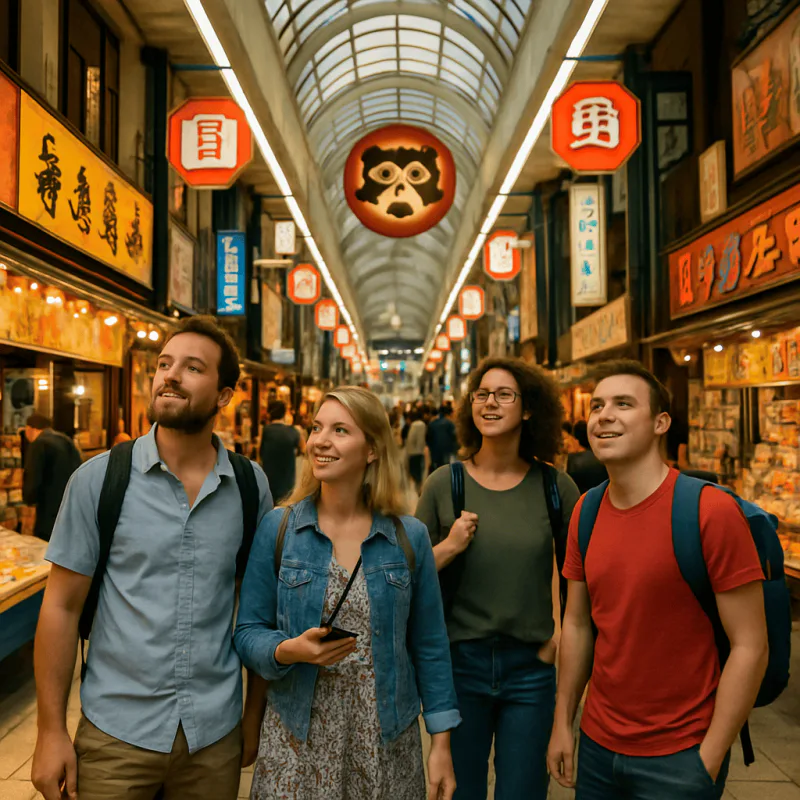
The strategy is simple. Pick two or three cafes that are small enough that the staff will start recognizing you, and go regularly. Not every day, but consistently. Morihico in the Maruyama area, the various small roasters that have opened up over the last few years, and the old-school kissaten in the backstreets of Susukino all work. Once the staff know you, they'll start introducing you to other regulars. This is an ancient Japanese social tactic that still works because cafes function as neighborhood hubs here.
This sounds slow because it is slow. But six months in, you'll have a few people you genuinely know, and that's worth more than fifty Instagram contacts from one-off events.
This sounds weird to say but sentos and onsens are social infrastructure in Sapporo. Not the touristy ones, the neighborhood public baths that locals actually use.
Places like the various sentos in Toyohira-ku or the onsen facilities in Jozankei, which is technically within the Sapporo city limits, are where regulars bump into each other every week. The conversation levels are low because nobody wants to shout across a bath, but if you become a regular at a smaller neighborhood sento, you'll start getting nods, then short conversations, then eventually invited to grab a drink after.
For a foreigner, this is a surprisingly effective long game because most foreigners don't do this. The regulars notice you, remember you, and once you're known, you're in.
Sapporo has a lot of small-venue live music, especially around Susukino and the side streets between Odori and Tanukikoji. Jazz spots, small clubs for indie bands, and DJ nights in basements that hold forty people tops. These are intimate by necessity and the same people come back week after week.
Same goes for the galleries and small art spaces in Nakajima and the areas south of Tanukikoji. Opening nights are essentially free drinks plus people who want to talk to you about what they're looking at.
Hokkaido University's international office also runs events that are open to non-students, and even if you're older than the crowd there, language exchange events and cultural nights at the university campus are more welcoming than you'd guess. The same applies to the various international centers and community spaces Sapporo runs, which post event calendars that most foreigners never think to check.
A few specific things trip people up that are worth flagging.
The language barrier is sharper than in Tokyo. English coverage in Sapporo is okay in tourist spots but drops off fast in residential areas. Intermediate Japanese will take you much further here than in Tokyo because you'll have access to social circles that a purely English speaker cannot reach. If you're planning to stay in Sapporo long-term, actually studying Japanese, not just doing Duolingo, is probably the highest-return investment you can make in your social life.
Winter isolation is real. The snow is beautiful for the first month and exhausting by the third. A lot of foreigners who move to Sapporo hit a wall in February where the cold, the dark, and the logistics of doing anything make them just stay home. This is the exact moment you need to be pushing yourself to go out, even when you don't feel like it. Winter is actually when Japanese social life intensifies because everyone is indoors together.
The foreign community turns over. Sapporo has a lot of English teachers on one-year or two-year contracts, ski seasonal workers, and exchange students. If you only make friends with short-term foreigners, you'll watch your whole social circle leave every spring. Mix in some Japanese friends and long-term foreigners and your social life becomes much more stable.
Events skew toward drinking. If you don't drink or don't want to drink heavily, Sapporo's social culture can feel exclusionary at first. This is why the sports, hobby, and outdoor angles matter so much. They give you social outlets that don't require matching everyone else's izakaya pace.
Where can I meet foreigners in Sapporo?
The reliable spots are Susukino's international-friendly izakayas and bars, language exchange events that usually run weekly at cafes around Odori and Tanukikoji, Hokkaido University's campus area, and ski resorts like Teine and Kokusai during winter. Maruyama has a lot of long-term foreign residents if you're looking for people with actual roots in the city rather than tourists.
Is Sapporo foreigner-friendly compared to other Japanese cities?
Yes, generally. Hokkaido has a slightly more open social culture than mainland Japan because it was settled relatively recently and has a looser attachment to old customs. Sapporo itself is used to tourists and ski-season workers, so people are comfortable with foreigners. That said, "foreigner-friendly" doesn't mean "easy to make close friends" and you should expect the deeper friendships to take time, like anywhere in Japan.
Do I need to speak Japanese to make friends in Sapporo?
You can get by without it in surface-level social scenes like international bars, language exchanges, and ski trips. But if you want friendships that extend beyond the foreign bubble, basic to intermediate Japanese makes a huge difference. Sapporo's English coverage is thinner than Tokyo's, so even a few months of serious study will open up whole social circles that are otherwise closed to you.
What's the best time of year to move to Sapporo for making friends?
Late April or May is the sweet spot. The snow is gone, the city is waking up, summer festival season is about to start, and you have several months of warm weather to build relationships before winter hits. Moving in December or January is the hardest because everyone's hunkered down and you'll spend your first two months just figuring out how to walk on ice.
Here's the honest part. Even with all the right tips, making friends in a new city is slow, and Sapporo is no exception. You'll go to events where nothing clicks. You'll sign up for things that don't work out. That's normal.
Make Japanese Friends On a Live World Map
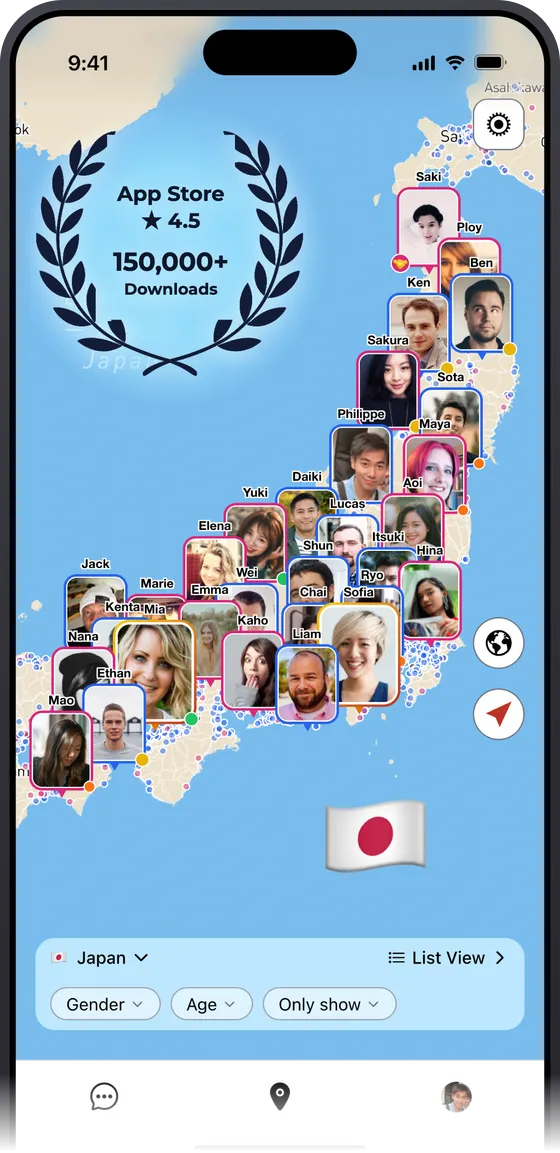
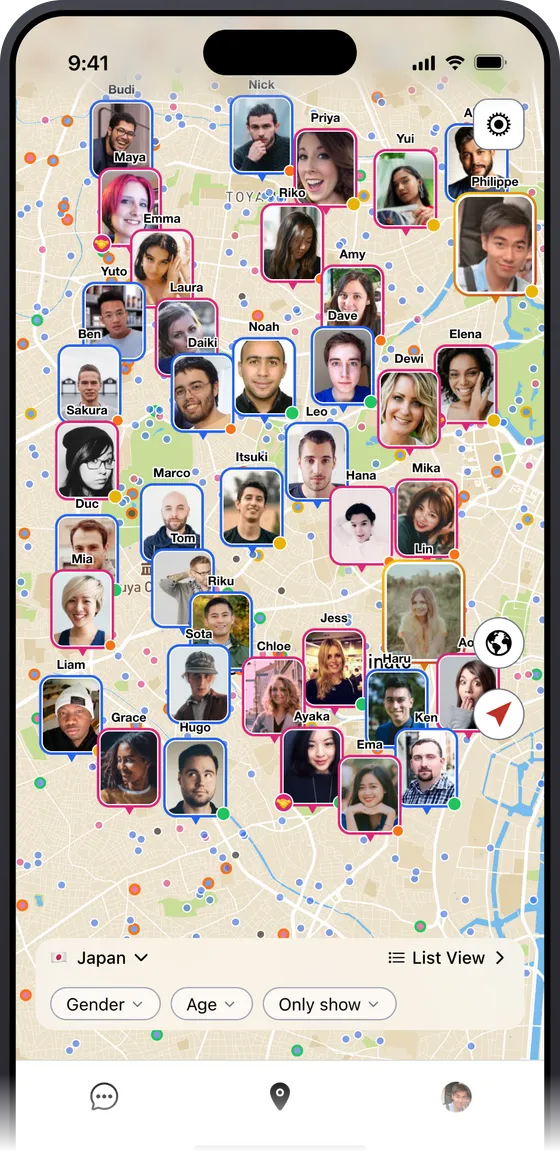
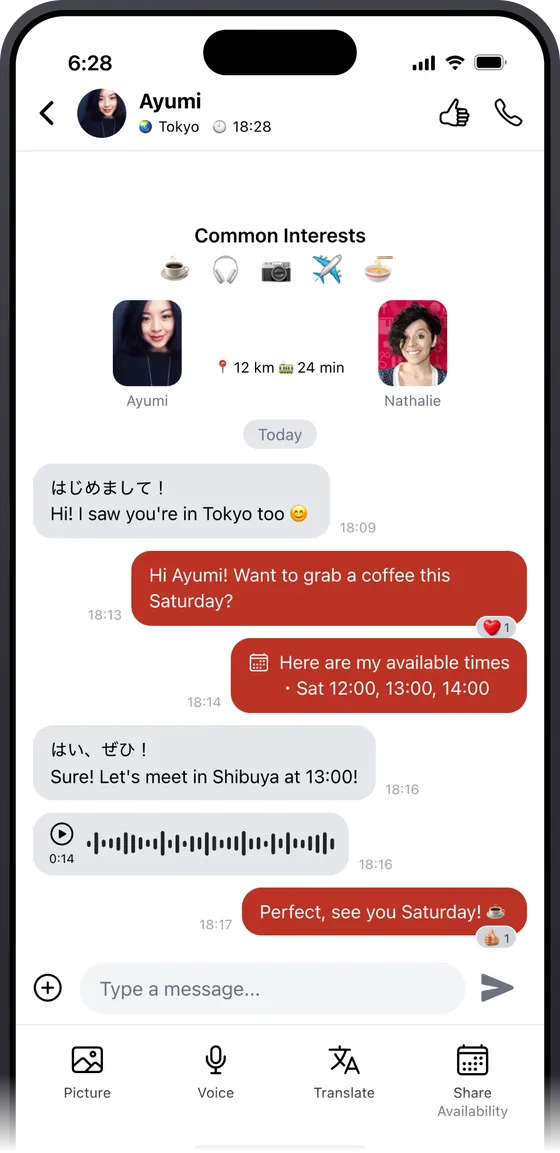


What helps is having a way to find people who are already nearby, already open to meeting, and already in your area. SewaYou is a map-based friendship app where you can find people nearby in Sapporo or anywhere in the world. You see who's around you on a map, what they're into, and whether they're up for grabbing a coffee or heading to an event. It's a low-friction way to skip the "where do I even start" phase of moving to a new city and just start meeting people who are actually nearby, actually interested, and actually looking.
Sapporo rewards people who stay long enough to let the city grow on them. Give it a year, show up to the same places regularly, and by your second winter the city will feel like home.


