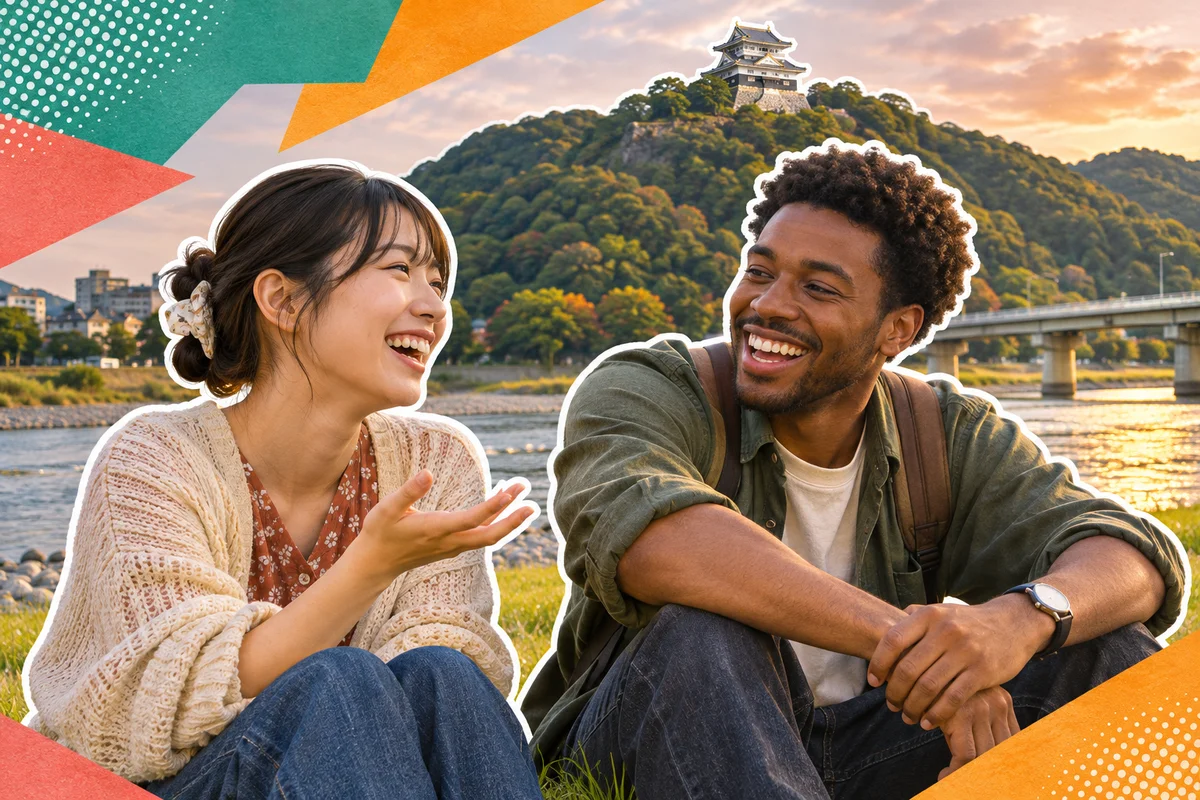
Maybe you got placed in Wakayama as an ALT. Maybe you're studying at Wakayama University, or you took a job here and rented an apartment near the station. Either way, you've probably noticed that you're not the only foreigner in town. You see other ALTs, international students, and travelers heading to Koyasan or the Kumano Kodo. And yet nobody calls you on Saturday to grab dinner.
Wakayama is an easy place to live and a surprisingly hard place to stumble into friends. This guide covers how to make friends in Wakayama in 2026: the areas where people actually cross paths, the international center that runs exchange activities, the volunteering that turns strangers into regulars, and the castle and seaside spots that make easy hangouts. It focuses on Wakayama City, the prefectural capital. If you're happy to ride the train for nightlife, read how to make friends in Osaka too.
Here's the honest version: Wakayama doesn't lack foreigners. It lacks the places where they bump into each other.
The first reason is Osaka. From Nankai's Wakayamashi Station you can ride straight to Namba, and from JR Wakayama Station there are direct trains toward Tennoji and the rest of Osaka. So when people want a night out, they leave. Plenty of foreigners living in Wakayama follow the same pattern: work in Wakayama, weekends in Osaka.
The second is that everyone is spread out. ALTs are scattered across schools all over the prefecture. International students live around the Wakayama University campus on the northern edge of the city. Tourists bounce between the station hotels and the castle, then move on to Koyasan or Shirahama. There's no single spot where you know foreigners will be.
The third is that the city has two main stations. JR Wakayama Station and Nankai Wakayamashi Station sit a fair distance apart, so the downtown never really comes together in one place. That kills the random "met someone at the next table" moments that build friendships.
The flip side is that central Wakayama mostly fits inside the triangle between those two stations and the castle. It's a city where one good connection spreads fast, because the people who go out tend to know each other.
You don't need to know the whole city. Four areas cover most of what you need.
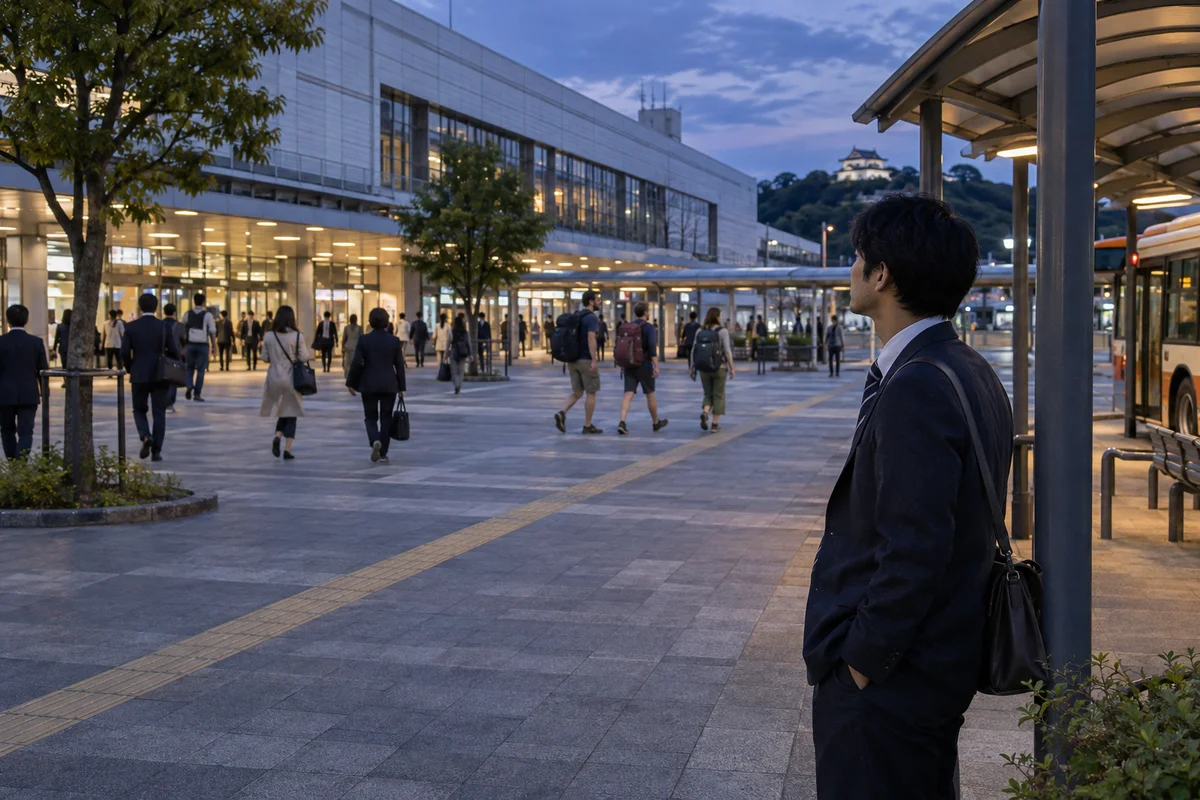
JR Wakayama Station is the city's main gateway, served by the Hanwa Line from Osaka and limited express trains heading south toward the Nanki coast. The area is full of hotels, so it's where you'll most often see business travelers and tourists, and there are plenty of izakaya and small bars nearby.
If you're searching for a bar in Wakayama where foreigners go, start here and in Arochi (below). ALTs heading home from work and people who work in the city sometimes stop in for a drink.
Burakuri-cho is the old covered shopping arcade running from Nankai Wakayamashi Station toward the castle. It still has a Showa-era feel, but new shops in renovated old buildings and small events have been popping up too.
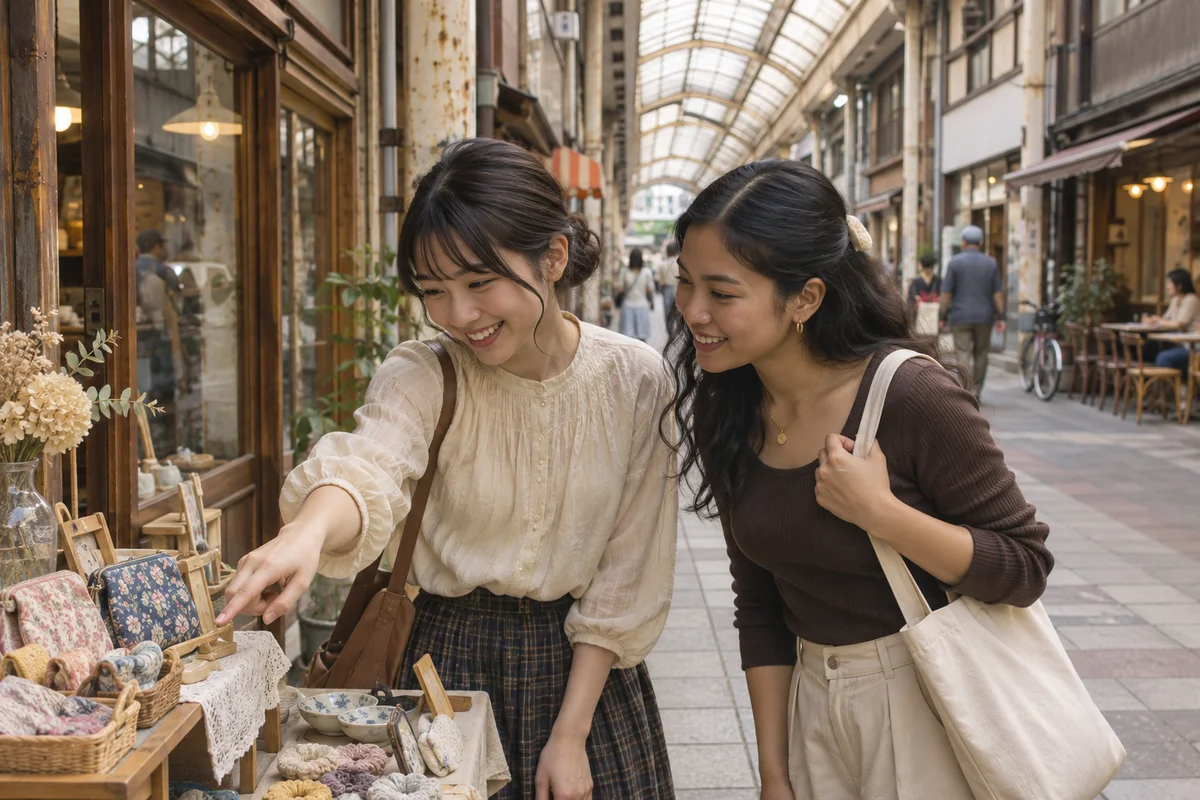
It's not a place packed with foreigners. What it does have is lots of independent shops, and getting to know a shop owner is one of the best ways into local circles in a city this size. It's also a great place to wander with a new friend, local or foreign, because everyone finds a shop they didn't know existed.
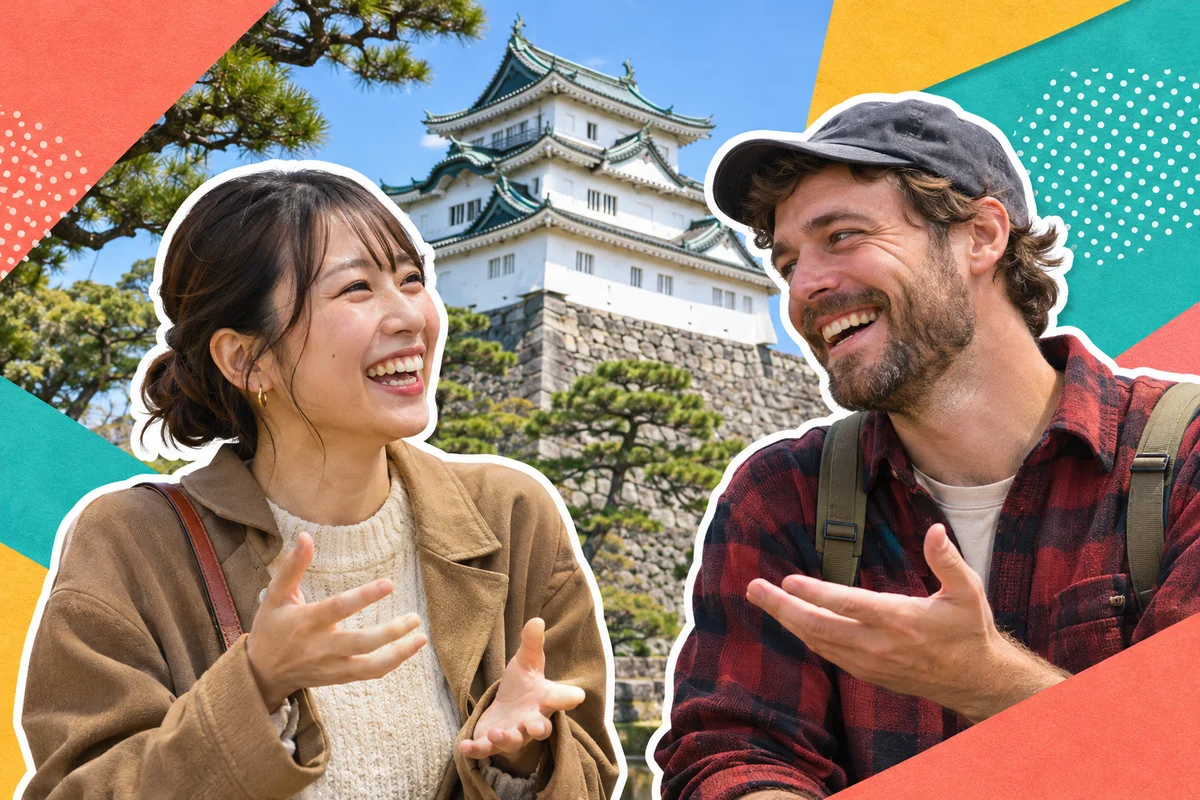
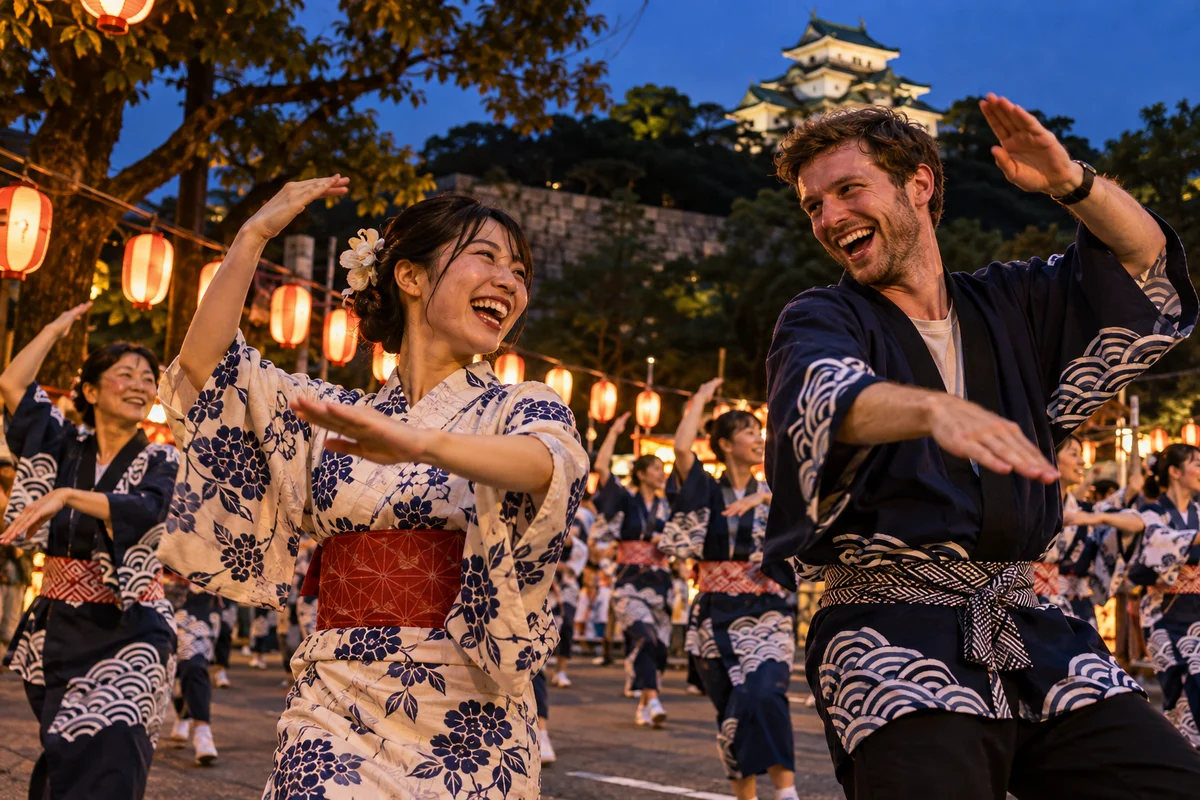
Wakayama Castle is, in my opinion, the best "want to hang out?" spot in the city. Walk through the park, climb up to the keep, and you'll never run out of things to talk about. In summer, the area around the castle hosts the Kishu Odori "Bundara-bushi" dance festival, held on August 1 in 2026. The dance videos are posted in advance, which makes it friendly for first-timers and people from abroad.
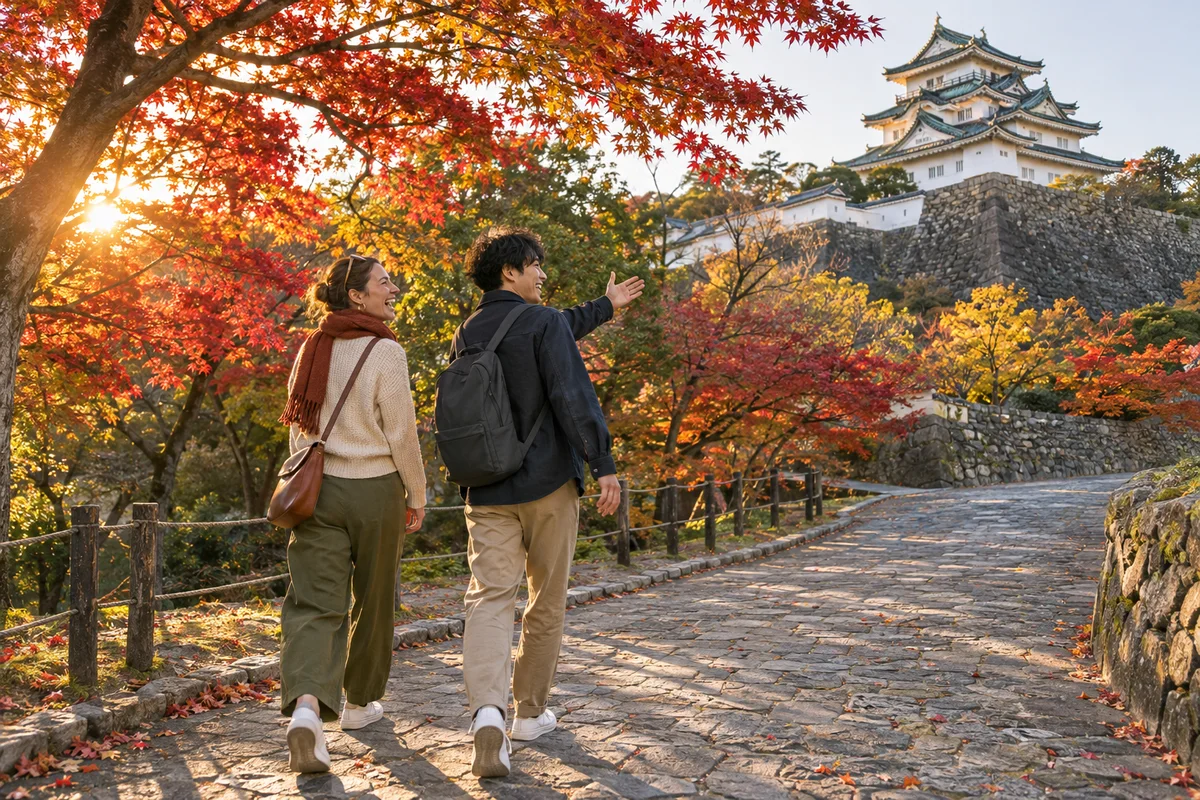
Just east of the castle is Arochi, Wakayama's main nightlife district, packed with izakaya and bars. If your social life is going to happen after dark, it'll probably happen here.
Wakayama University's Sakaedani campus has international students from many countries. The university's own materials describe cross-cultural exchange with local residents, plus student clubs and NPOs that support international students. If you're not a student, the natural way in is through university festivals and public events where international students take part.
When you're looking for foreigner-friendly spots, use Google Maps. Shortlist a few places with lots of English reviews or an English menu. Reading the English reviews tells you pretty quickly whether foreign customers actually go there.
Then pick one and stop bar-hopping. Go back to the same place three times and you stop being a stranger. The owner starts remembering you, and in small bars the owner is often the one who introduces regulars to each other. Wakayama's international community isn't huge, so one friend usually leads to their friends.
If you want something that isn't built around drinking, the most reliable option is the Wakayama International Center. It's on the 8th floor of the Wakayama Big Ai community plaza in Tebira, and it's run by the Wakayama International Exchange Association (WIXAS), the prefecture's only designated regional international association.
The center has an exchange lounge and club rooms, supports foreign residents with daily life, and shares information about international exchange across the prefecture. The association also trains international exchange volunteers. If you're looking for exchange groups or events in Wakayama, asking here is the shortcut. It's open 10:00 to 18:30 and closed Wednesdays and national holidays.
One-off events are a good start, but weekly contact is what turns acquaintances into friends. The international center runs Japanese classes for foreign residents, with volunteers helping teach and support learners.
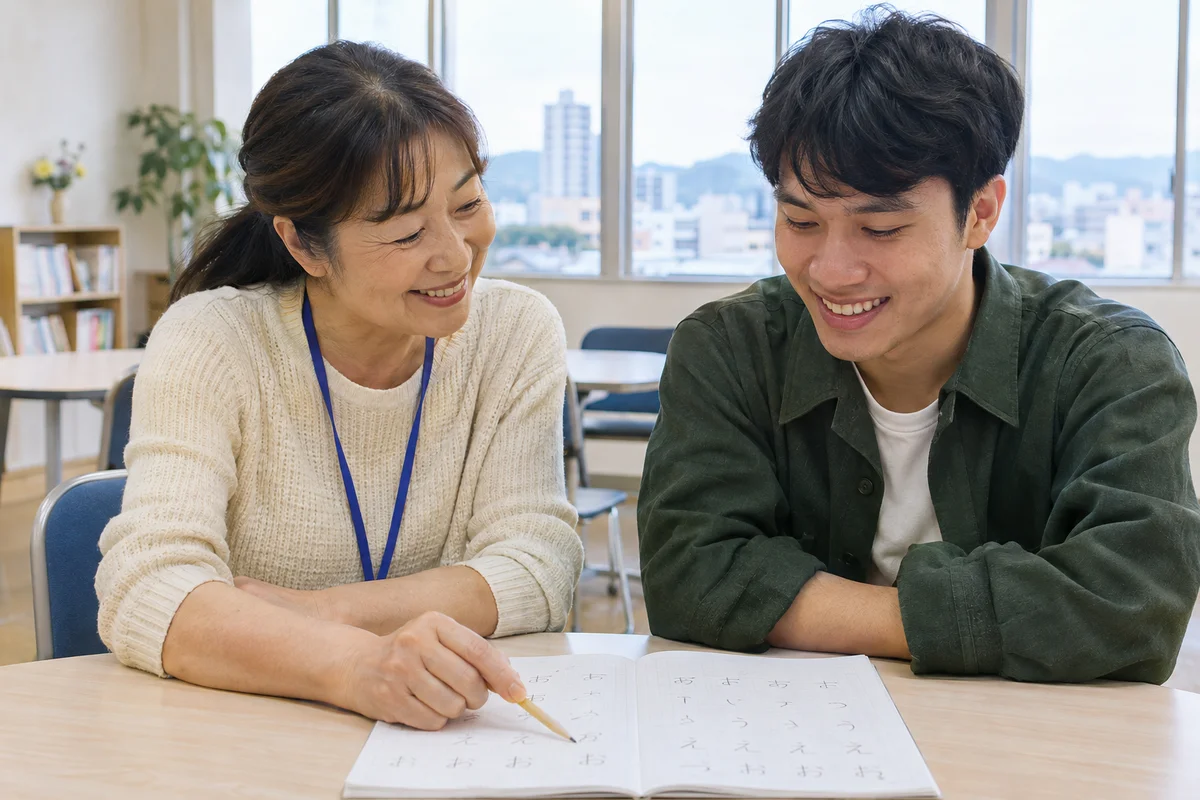
If your Japanese is solid, ask whether they need volunteers. If you're still learning, ask about joining a class. Either way you see the same faces every week, and the small talk before and after slowly becomes real friendship. For current openings, contact the association directly.
On the city side, the International Affairs Division of Wakayama City Hall runs foreign language courses in its International Friendship Exchange Salon on the 10th floor of the main building. In fiscal 2026 there were Chinese, English and Korean courses, open to people who live or work in the city (students excluded). This year's sign-ups have closed, so file it away for next year.
Courses like these come with built-in conversation topics, and they attract locals who are curious about other cultures. That's exactly the kind of person who wants a foreign friend.
Wakayama's real strength is that a castle and the sea sit right next to the city. If you're here in summer, dancing in the Kishu Odori with a local friend is one of the quickest ways to get close. Once you're in the circle, copying the moves and getting them wrong together, the laughing takes care of itself.
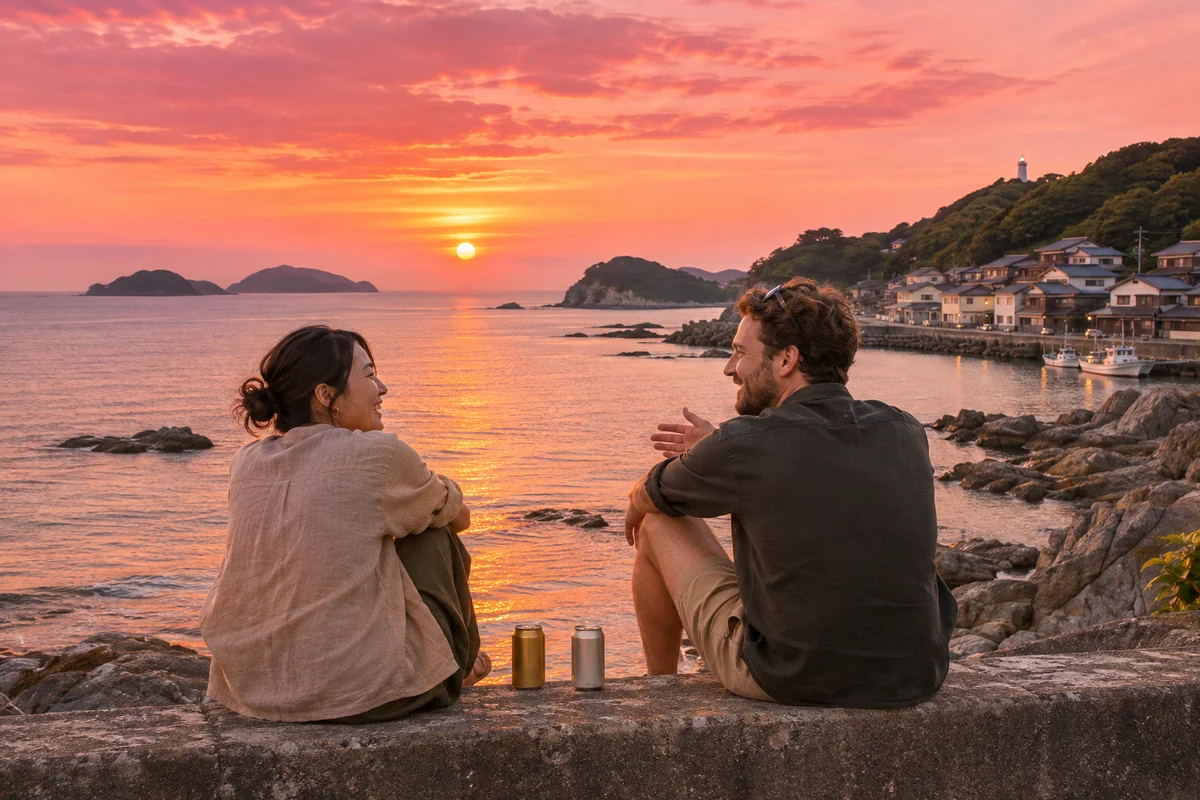
Any time of year, the coast at Wakanoura and Saikazaki is worth the trip. The sunsets over the water are the kind of view people remember, and grabbing a bowl of Wakayama ramen on the way back gives you an easy excuse to meet again.
If event dates never fit your schedule, or late nights at bars aren't your thing, a map-based app lets you look for people around Wakayama on your own time. More on that below.
For a night out, focus on the JR Wakayama Station area and Arochi. Earlier evenings on weeknights tend to be easier for actual conversation than late weekend nights.
Without alcohol, go to the Wakayama International Center at Big Ai, the city's International Friendship Exchange Salon, and public events at Wakayama University. If you prefer English, searching "Wakayama" on Meetup or Facebook sometimes turns up groups announced in English.
In a city this size, showing up repeatedly beats showing up everywhere. Find one thing and stick with it.
Week 1: Visit the Wakayama International Center and ask about Japanese class volunteering and upcoming exchange events. Walk around the station area one evening and note a few bars that look right.
Week 2: Go to one gathering the center told you about. On the weekend, try one of the bars you noted.
Week 3: Go back to the same gathering and the same bar. Say hi to whoever you talked to last time.
Week 4: Invite someone you clicked with for a walk around the castle or a sunset at Wakanoura.
The classic mistake is trying to show up everywhere in month one. You end up being "the new person" in five places instead of a familiar face in one. Wakayama's international community is well connected, so being trusted in one spot tends to open the others.
A map-based app like SewaYou suits Wakayama because the people are here, they're just spread out with no obvious place to meet. Open the map, see foreigners and locals near Wakayama Station or Burakuri-cho who are also looking for friends, and suggest a castle walk whenever it suits you.
And it isn't limited to people nearby. SewaYou also lets you find people anywhere in the world on the same map. You can make friends online in a country you're curious about without any travel plans, or connect with people before they come to walk Koyasan or the Kumano Kodo, so there's already a friend waiting when they arrive.
Comparing options? See our guide to the best apps for making international friends.
Where can I meet people in Wakayama as a foreigner?
At night, the JR Wakayama Station area and Arochi. Without alcohol, the Wakayama International Center on the 8th floor of Big Ai. Public events at Wakayama University and summer festivals like the Kishu Odori also make it easy to start conversations.
Is there an expat community in Wakayama?
Yes, though it's spread out. ALTs, international students and people working in Wakayama are scattered across the city and prefecture, so the community lives in recurring events, volunteer groups and a few bars rather than one neighborhood. Once you're in one circle, introductions to others come quickly.
What does the Wakayama International Exchange Association do?
It runs the Wakayama International Center. It supports foreign residents with daily life and multilingual consultations, trains international exchange volunteers, and shares information about exchange groups and events around the prefecture.
Do I need Japanese to make friends in Wakayama?
Not at first, but it helps more here than in Osaka. Many locals are happy to try English, and settings like Japanese classes are built for people still learning. Even a few basic greetings go a long way and open up far more of local life.
Should I just go to Osaka instead?
Osaka has more events and bars. Wakayama is smaller, which means you see the same faces again and again, and that's exactly how friendships deepen. Many people use both.
Wakayama has the people. What it lacks is obvious places to meet them. Combine one bar near the station or in Arochi, the Wakayama International Center, the Wakayama University scene, and the castle and the sea for hangouts, and you can build a real circle of friends here.
Looking for friends in Wakayama?
Make Japanese Friends On a Live World Map
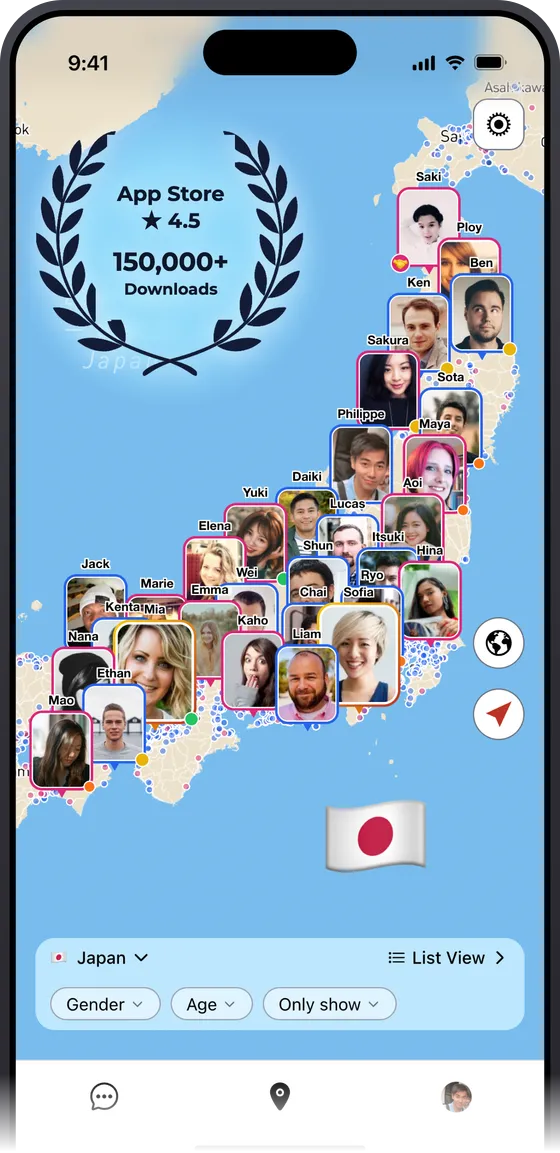
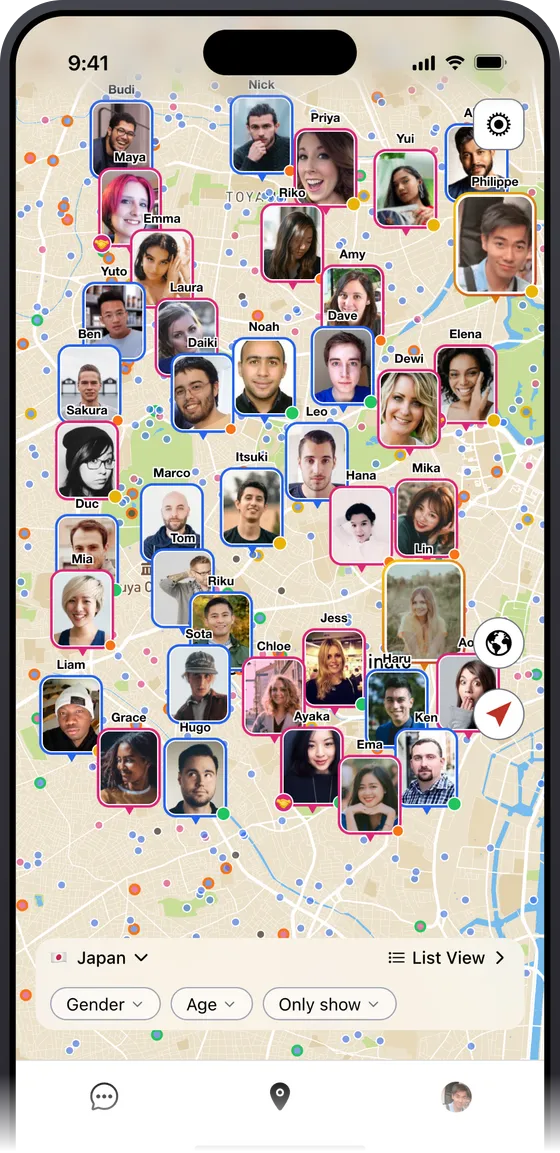
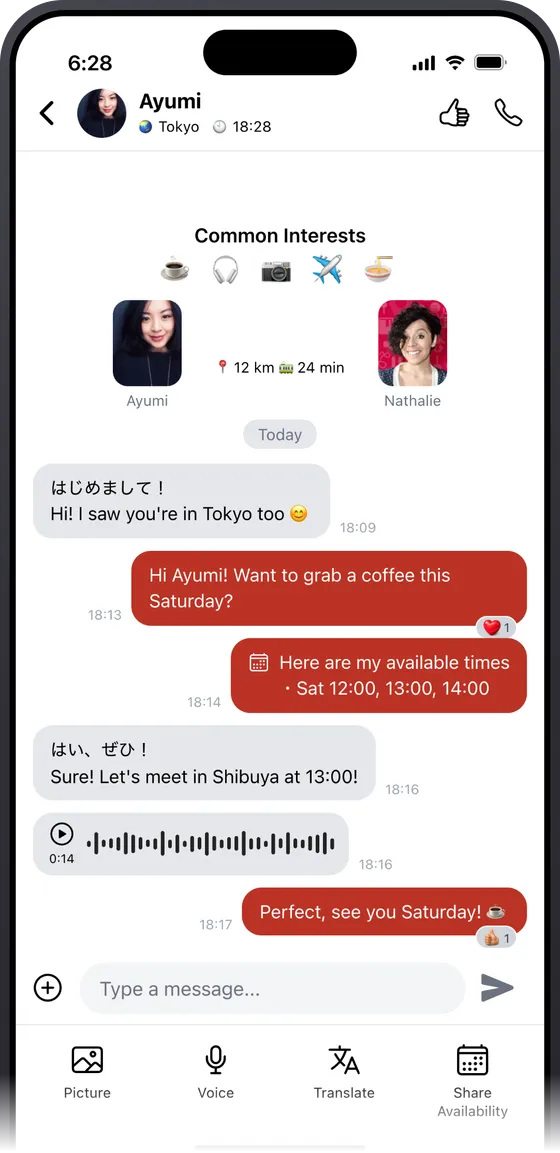


SewaYou is a map-based friendship app for finding people nearby and anywhere in the world. Find foreigners and locals around Wakayama and meet up for a castle walk or a Wakanoura sunset, or make friends online in another country from home. Download SewaYou today and start growing your circle from Wakayama.
Looking for another city? See our guide to making friends city by city.