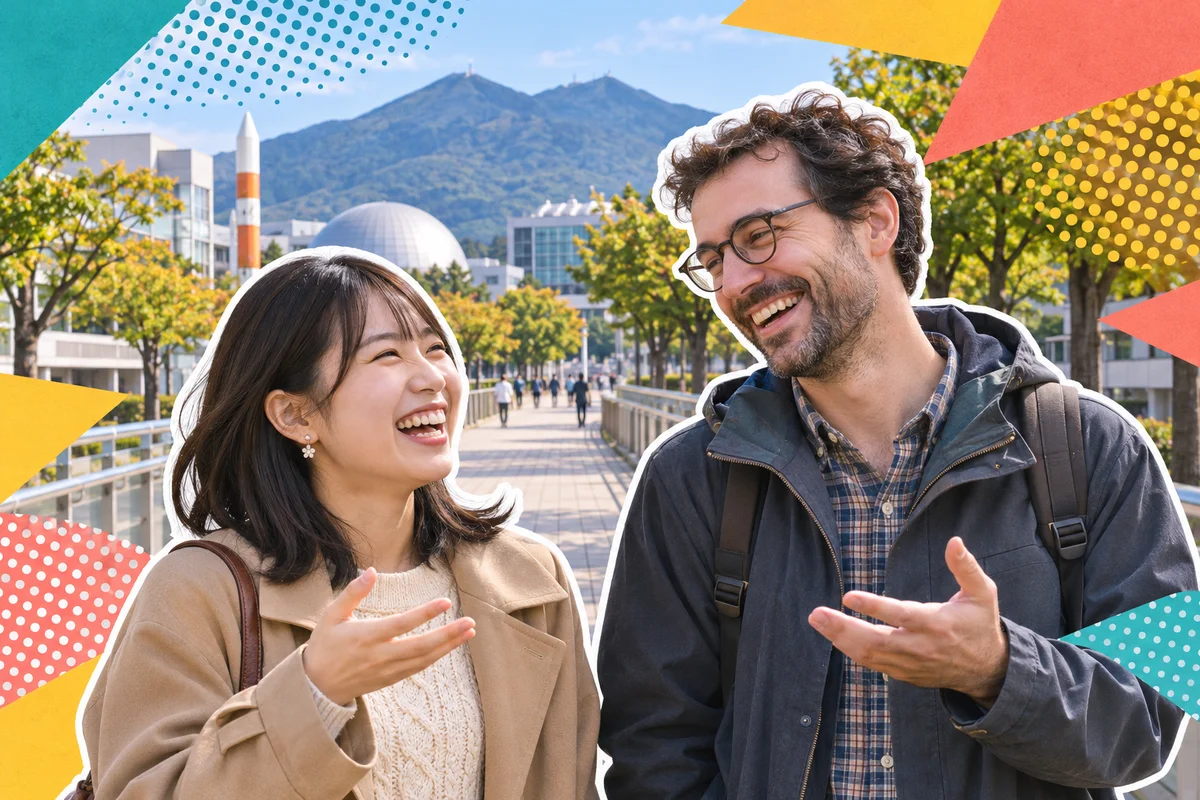
So you've just arrived in Saga, maybe as a JET, maybe as a student at Saga University, maybe because work brought you here, and you've noticed something. Where is everyone? Saga doesn't have a big international nightlife district, and on a quiet weeknight it can feel like you're the only foreigner in the prefecture.
You're not. International students, ALTs teaching in schools across the prefecture, people working in factories and on farms, and travelers passing through Kyushu all live their lives here. They're just harder to spot. This guide covers how to make friends in Saga in 2026, with the neighborhoods, organizations and events that actually help you meet both locals and other internationals.
Saga is one of the smaller prefectures in Kyushu, and it doesn't work like Fukuoka. You won't find one street where the international crowd gathers every Friday. In my opinion, three things make meeting people here trickier than you'd expect.
First, people are spread out. ALTs get placed in schools in towns like Karatsu, Imari, Takeo and Kashima, and many workers live close to their workplace. If you only look inside Saga City, you'll miss most of them.
Second, it's car country. A lot of people, Japanese and foreign, drive from home to work and back, and that's the day. Fewer chance encounters means fewer accidental friendships.
Third, Fukuoka is right there. Hakata is a short limited express ride from Saga Station, so plenty of people spend every weekend in the big city instead of building a life at home.
Here's the upside, though. In Saga, faces become familiar fast. The social circles are small, so once you click with one person, you'll be meeting their friends within weeks.
Saga City is easiest to think about as four areas, all within bus or bike range of Saga Station. Grab a bicycle if you can. It makes everything below much easier.
The station is the hub. There's a bus center here connecting towns across the prefecture, so ALTs coming into the city on weekends tend to pass through.
North of the station is the SAGA Arena, which pulls in crowds from outside the prefecture on game and concert days. Around the south exit you'll find izakaya serving local food and Saga sake, and it's not unusual to see visitors from abroad there.
This is the center of international life in Saga. The Saga International Plaza sits on the first floor of the Saga Shoko Building in Shirayama, and the Saga Prefecture International Relations Association (SPIRA) is based there too. It's about a 20-minute walk from Saga Station, or a short bus ride.
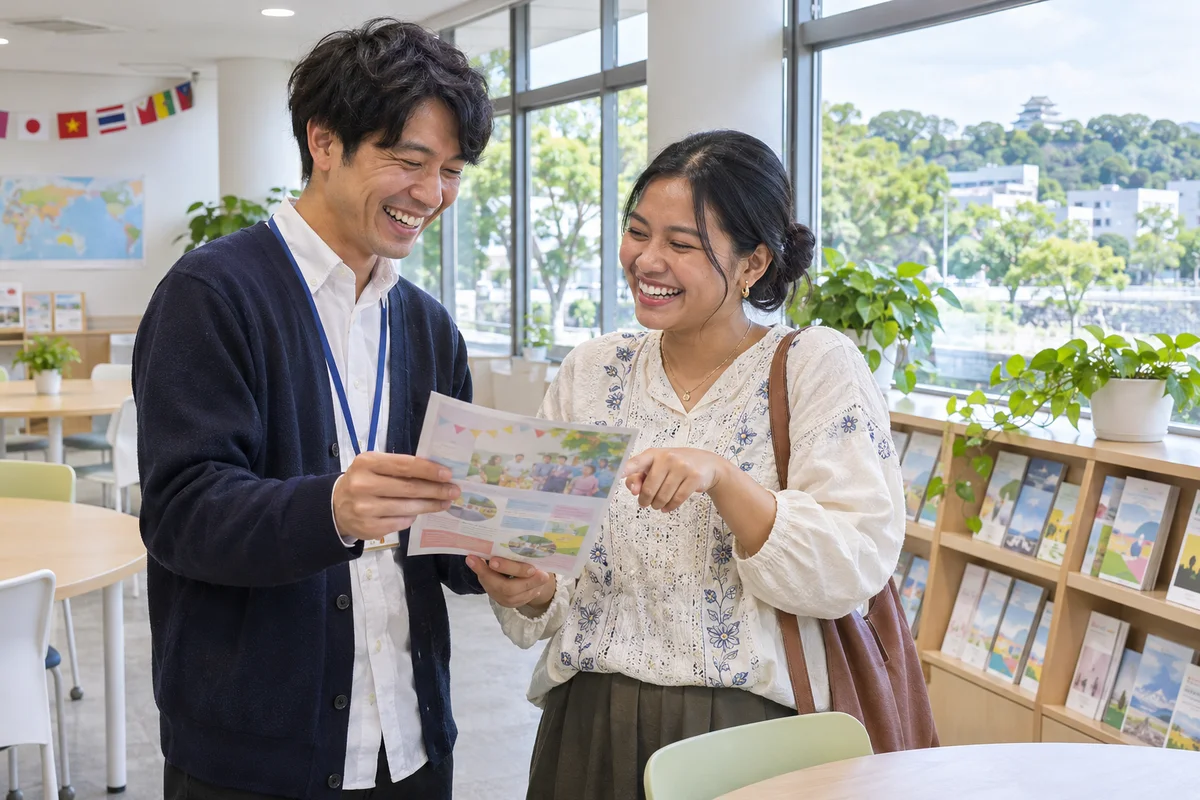
The streets around Shirayama and Aikyomachi are Saga City's downtown, dotted with izakaya and small bars. That means you can stop by the Plaza, then head out for dinner nearby, which is a nice rhythm once you've met a few people.
Honjo is home to Saga University's Honjo Campus, and many international students live nearby. Student apartments and cheap set-meal restaurants line the streets, and you'll see international students cycling around all day.
The university has a center for international exchange that organizes events for its international students. If you're not a student, public lectures and events the university opens to the community are an easier way in.
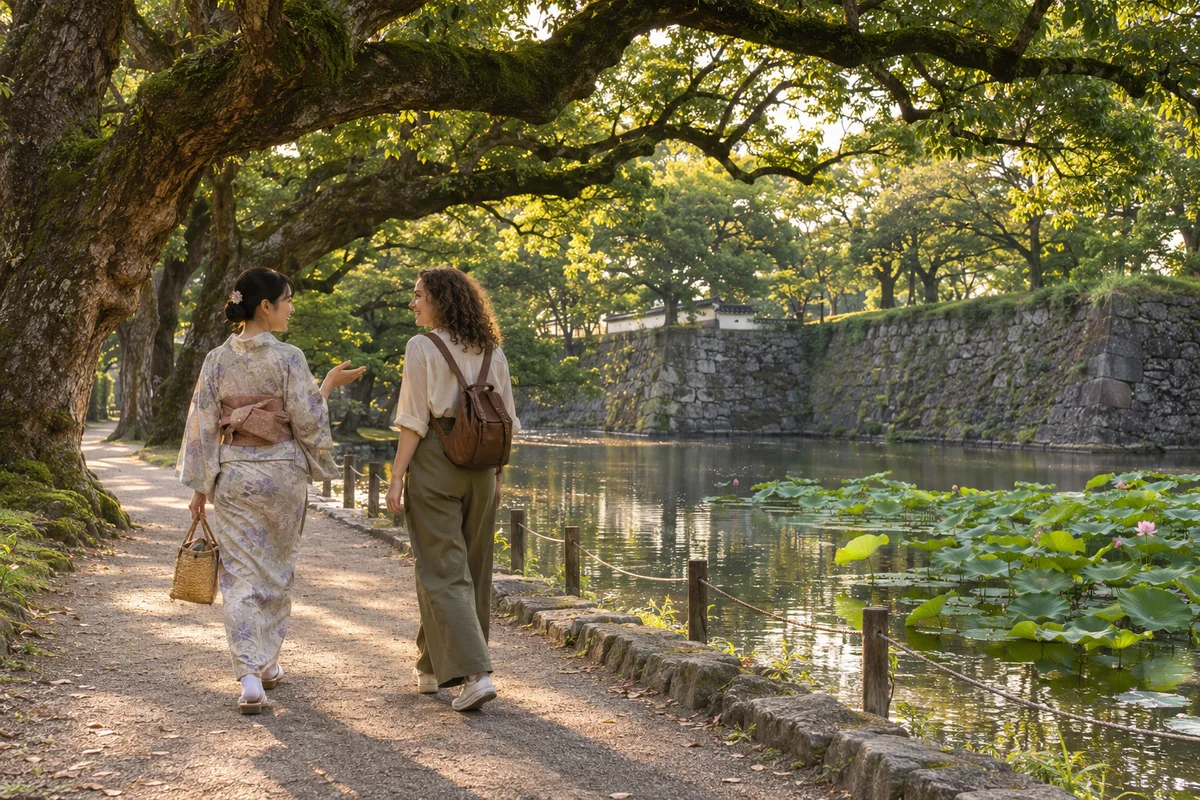
The area around Saga Castle Park is calm, with moats and giant camphor trees. The Saga Castle History Museum, the art museum and the prefectural museum are all here, and you'll often see visitors from abroad strolling around.
It's less a place to meet people and more a place to hang out once you have. Walking gives you something to talk about, so it's a great second meetup when conversation still feels a bit shaky.
The most useful starting point for international life in Saga is SPIRA. It offers consultation for foreign residents, supports Japanese classes, runs seminars and courses on multicultural living, and shares information about local events.
If you're wondering where to begin, check SPIRA's website first. It has an event calendar. Pick one thing that looks doable and go. Always confirm the latest dates and sign-up details on the official site, and check the Plaza's opening hours before you visit, since they vary by day.
SPIRA accepts volunteer registrations and runs training courses for Japanese-language volunteers. In late October 2026 it was recruiting participants for one of those courses. Saga City's international division also runs a community Japanese class called "Hanasu Kurasu," where foreign residents study Japanese and Japanese residents get to know other cultures, sometimes with sessions like cooking.
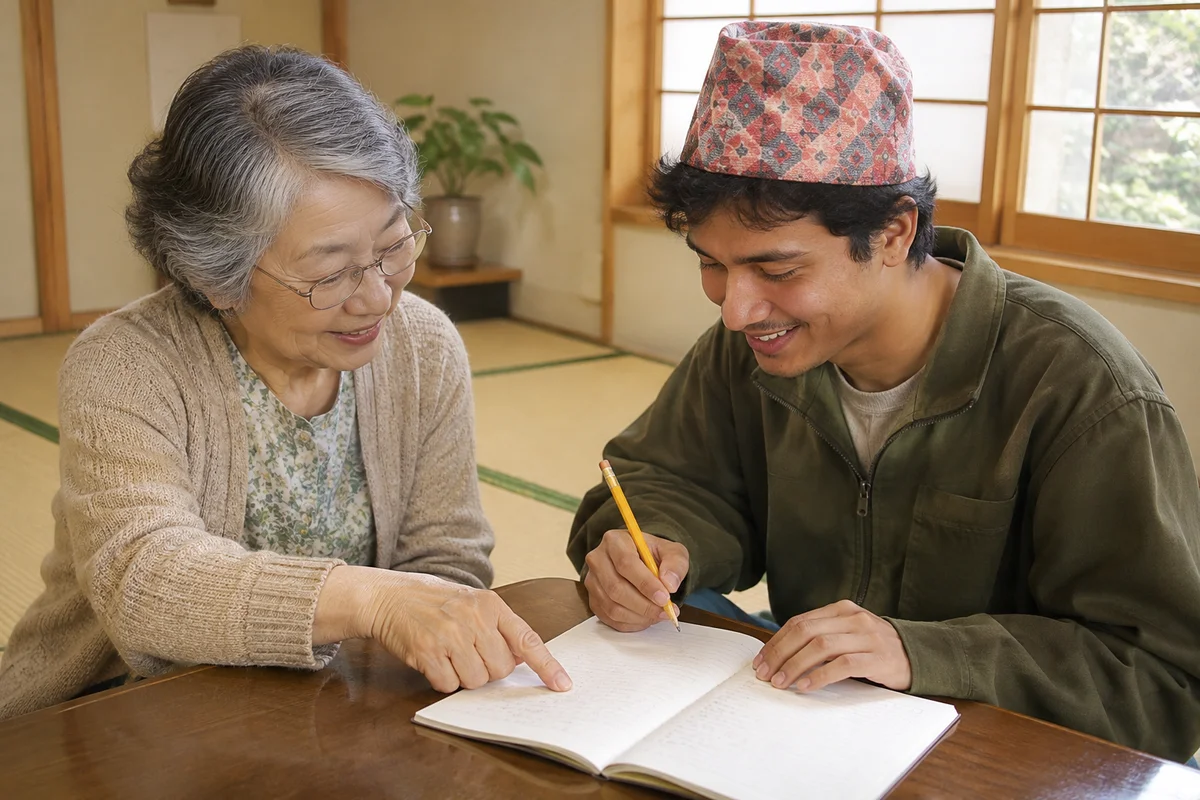
If you're a learner, a class like this means seeing the same faces every week. If your Japanese is strong, volunteering does the same thing from the other side. Either way, the repetition is what turns small talk into friendship. Ask the city or SPIRA directly about current schedules.
Searching for things to do in Saga to meet people? SPIRA's International Festa is the one to know. It's held every autumn in a different town around the prefecture, and in 2026 it took place in Kashima City on October 18.
World food stalls and culture booths give you endless easy openers. Keep an eye on SPIRA's site as autumn approaches to catch next year's date.
Saga's signature event is the Saga International Balloon Fiesta. In 2026 it ran from October 30 to November 3 along the banks of the Kase River. Pilots and teams come from overseas, and it's one of the busiest times of year for international visitors.
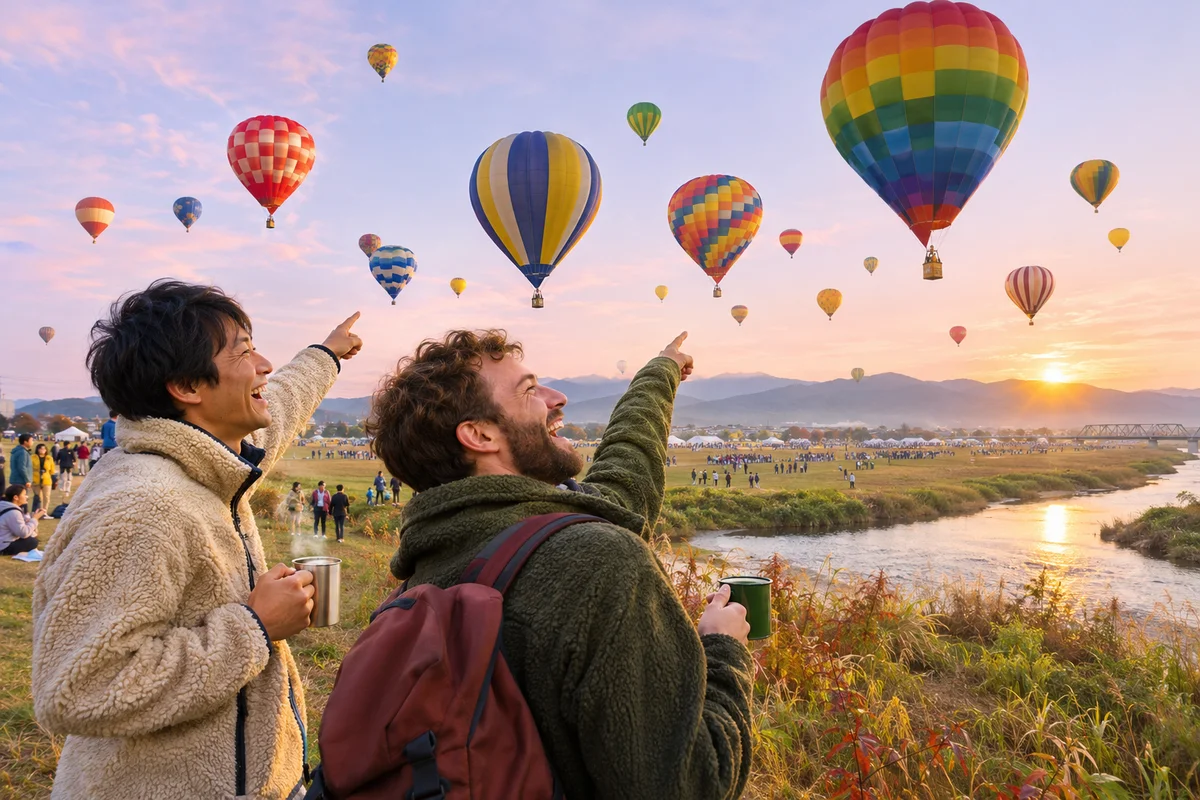
When the balloons lift off together in the early morning, turning to the person next to you and saying "wow" just happens. Shared awe closes the distance fast. Invite someone you've just met to come along. Check the official site for next year's dates.
If you search for a foreigner bar in Saga, you probably won't find a famous one. Saga just isn't that kind of city.
So make your own. Pick one izakaya with a counter around Shirayama, Aikyomachi or the south side of Saga Station and keep going back. Once the owner knows your face, you might get introduced to the ALTs and students who are regulars too.

Saga's JET community describes itself as small but tight-knit. The Saga AJET representative organizes events like cherry blossom picnics, and JETs have joined local events such as the Saga Dragon Boat Race. The Saga JET site also lists SPIRA and a wider community group for anyone living in Saga.
Start with one ALT you meet at work, at your kid's school or at an event. One friend usually leads to an invite to a weekend meetup or a group chat. One friend opens the next circle, and that's the best thing about a place like Saga.
Week 1: Browse SPIRA's site and event calendar. Choose one event or volunteer opportunity.
Week 2: Drop by the International Plaza in Shirayama. Grab dinner nearby in Shirayama or Aikyomachi.
Week 3: Go to the event you picked. Afterward, swap contacts with just one person you talked to.
Week 4: Go back to the same event. Invite last week's person for a walk around Saga Castle Park or a coffee.
The classic mistake is deciding "there's nothing to do in Saga" and spending every weekend in Fukuoka. Because the circles here are small, one solid place at home gets you a lot further than you'd think.
Events and volunteering work, but there's another tool worth adding. In a prefecture where internationals are scattered and everyone drives, seeing on a map that someone you'd get along with is nearby makes a real difference.
Make Japanese Friends On a Live World Map
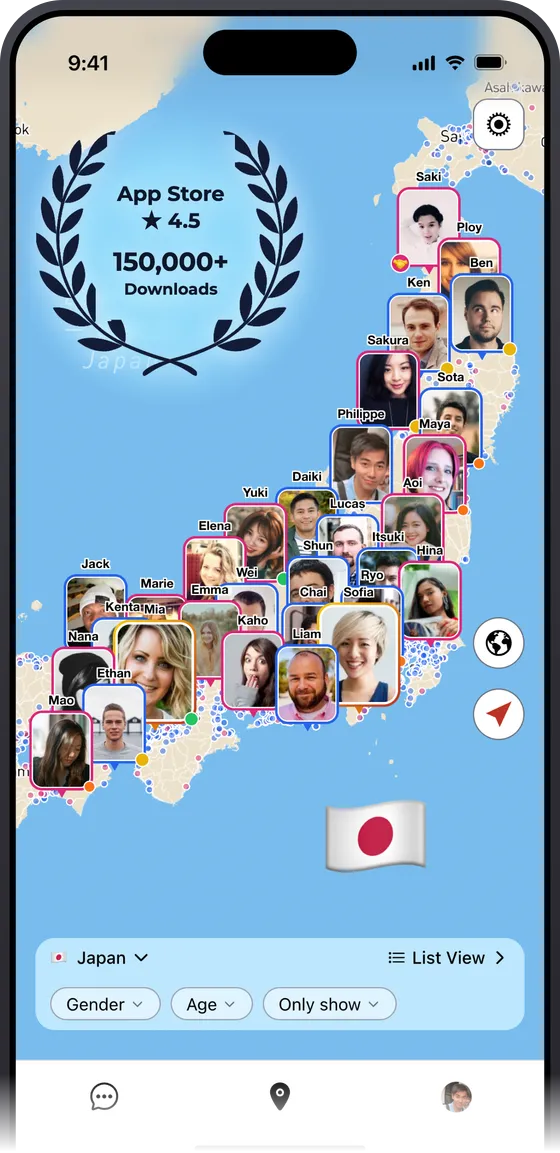
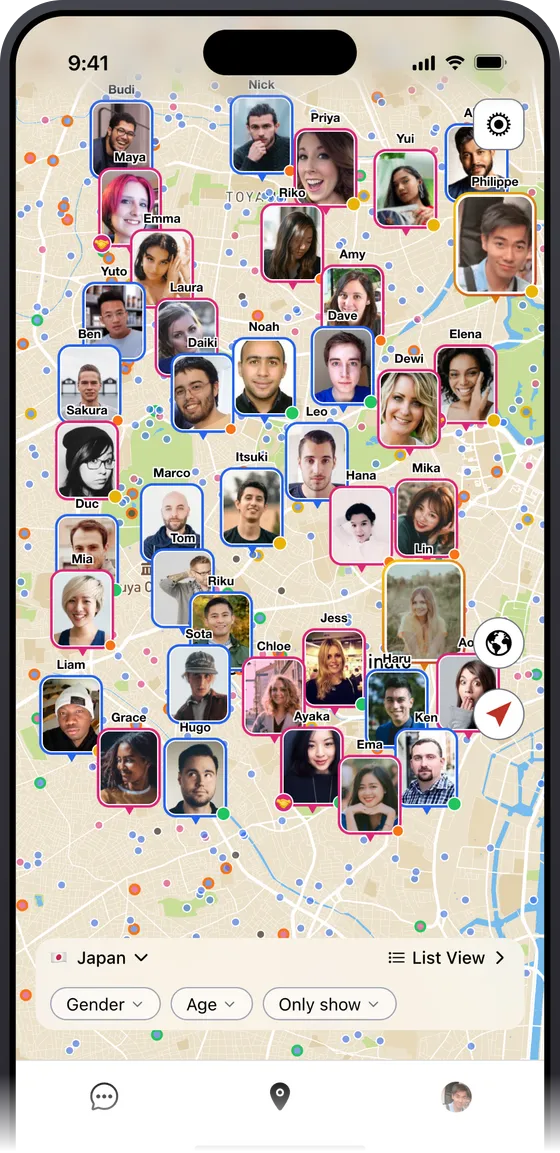
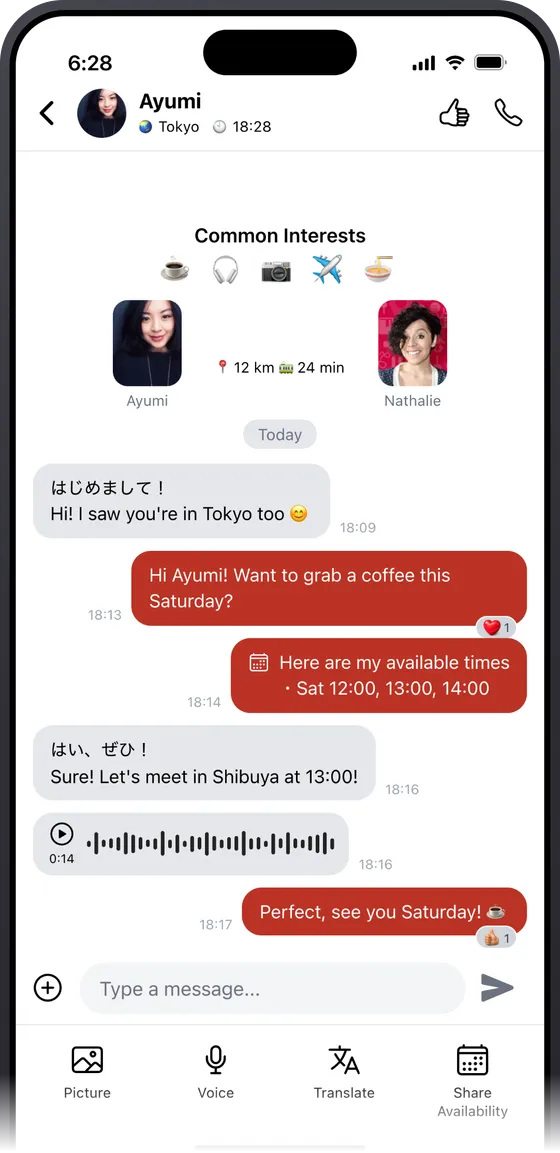


That's what SewaYou is for. It's a map-based friendship app for finding people nearby in Saga and anywhere in the world. Spot locals and internationals around Saga Station or Shirayama and meet up for coffee, or explore another city or country from home and build friendships online, with or without travel plans. Getting to know people somewhere you'd like to visit means you'll have someone to meet when you go. And when ALT or student friends move back home, you can stay connected across the map.
Still comparing options? Our roundup of the best apps for making international friends can help.
Where can I meet other foreigners in Saga?
Start around the Saga International Plaza in Shirayama and near Saga Station. Students should look around Honjo near Saga University, and in autumn the Balloon Fiesta on the Kase River draws a big international crowd.
What does SPIRA do?
The Saga Prefecture International Relations Association offers consultation for foreign residents, supports Japanese classes, runs multicultural seminars, and holds events like the International Festa. Its website and event calendar are the easiest way to find what's on.
Where is the Saga International Plaza?
On the first floor of the Saga Shoko Building in Shirayama, Saga City. It's about a 20-minute walk from Saga Station, or a short bus ride. Hours vary by day, so check the prefecture's official page before you go.
Is there an expat community in Saga?
Yes, though it's smaller and more spread out than in Fukuoka. The Saga JET community, Saga University's international students and SPIRA's events are the main places where internationals connect, and one friend usually leads to more.
Do I need to speak Japanese to make friends in Saga?
It helps a lot, since English is less common here than in big cities. But many foreign residents are learning Japanese too, community classes welcome beginners, and at the Balloon Fiesta or on a walk, broken Japanese and a smile go further than you'd expect.
The secret to making friends in Saga isn't finding some hidden scene. It's deciding Saga isn't "nothing" and building one place where you'll see the same people again. Click with one person there, and their coworkers, classmates and ALT friends follow sooner than you'd think.
Looking for friends in Saga? Download SewaYou to find people nearby and around the world on a map, and start your Saga social life today.
Heading elsewhere in Japan? Browse our guide to making friends city by city.