
Maybe you're an ALT placed somewhere in Ibaraki who comes into Mito on weekends. Maybe you're an exchange student at Ibaraki University, or you moved here for a job and your partner came with you. Either way, you've probably noticed the same thing: Mito is a pleasant, easygoing city, and it's surprisingly hard to figure out where the people are.
Search "Mito expat community" and you get scraps. There's no famous gaijin bar, no weekly language exchange party with two hundred people, no obvious scene. But there is a real community here, and once you know where the doors are, it opens fast. This guide covers the neighborhoods, the organizations and the habits that actually turn strangers into friends in Mito.
Mito isn't Tokyo, and it isn't trying to be. The city is the capital of Ibaraki, so people come in from all over the prefecture, but they don't all live in one central district. That changes how friendships form.
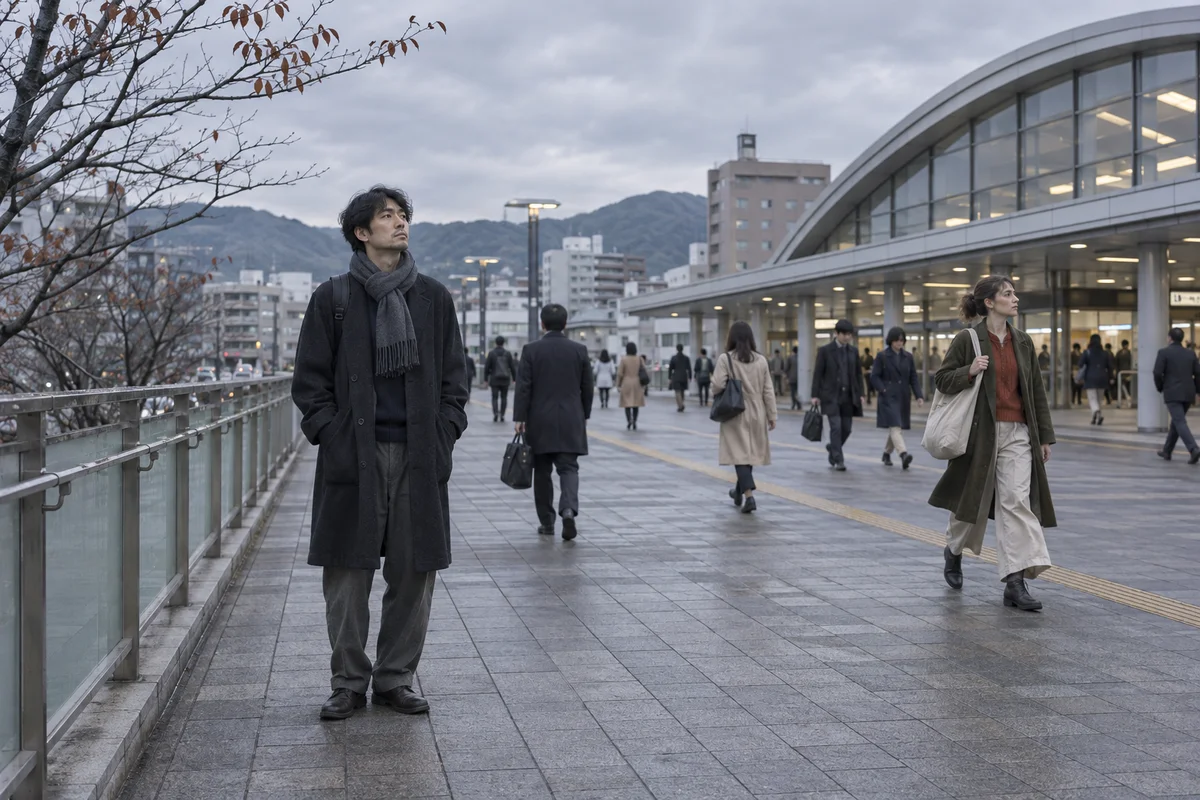
In my opinion, three things make it tricky:
Life stays inside work or school. International students mostly socialize on campus. ALTs have their schools and the town they're placed in. Locals have their own circles. Nobody is forced to meet anyone outside those bubbles, so most people don't.
It's a car city. People gather around Mito Station, but they live spread out. There's rarely a street you can walk down at night and assume someone you know will be there.
The information is scattered. International events do happen regularly. They just live on association websites, Facebook pages and LINE accounts that only regulars follow, so the same faces show up every time.
Here's the flip side, though. Mito is a small, fast-connecting city. Once a few people know your face, you'll find yourself meeting friends of friends much faster than you would in a big city where everyone is anonymous.
It helps to think of Mito in four zones. Some of them are a bus ride or a bike ride from the station, so a bicycle makes your social life noticeably easier.
This is the hub. Trains and buses bring people in from across Ibaraki, so on weekends you'll see ALTs from smaller towns and students in for the day. The station buildings and nearby cafes are the easiest meeting points in the city. Find one cafe here you actually like, because you'll need somewhere to suggest when you say "want to grab a coffee next week?"
The area from Izumicho, around Art Tower Mito, toward Omachi is Mito's traditional center. Omachi is known as the city's main nightlife district, full of izakaya and small bars. The Mito International Center is also nearby, so you can go to an afternoon event and then head to Omachi for a drink with whoever you met.
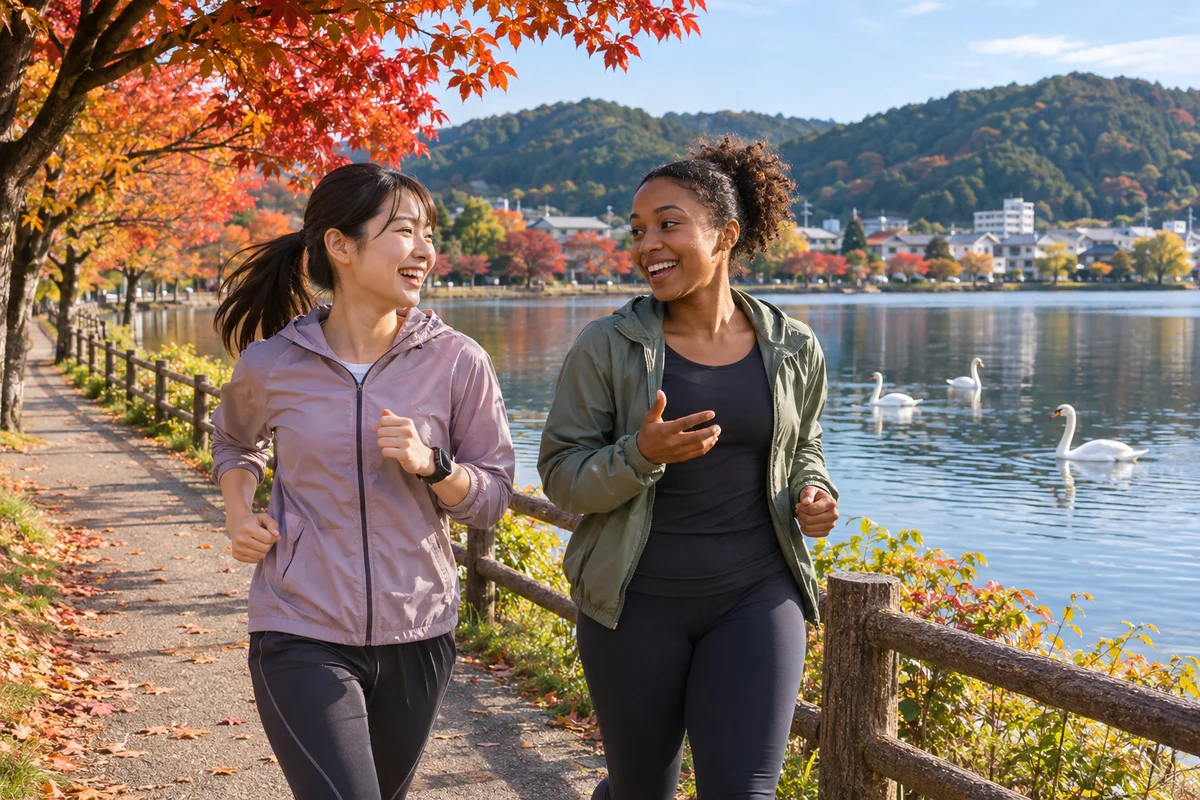
This is the part of Mito you'll want to show visiting friends. There's a walking path around Lake Senba with plenty of joggers and walkers, and the park area is perfect for low-pressure hangouts.
Spring is the big season. The 2026 Mito Plum Blossom Festival ran from February 11 to March 22 at Kairakuen and Kodokan. Lots of tourists come, but it's also a great excuse to invite someone you've just met.
Ibaraki University's Mito campus is in Bunkyo. According to Ibaraki Prefecture's figures, the university had 232 international students as of May 2025, counting all campuses, up from the year before. If you're not a student, the university's public lectures and open events are the natural way in. The small restaurants and cafes around campus are also where student friend groups slowly expand.
If you only do one thing from this guide, go here. The Mito International Center is in Bizencho and is run by the Mito City International Association. From Mito Station's north exit, take a bus toward Omachi and get off at Izumicho 1-chome, and it's a short walk.
Inside, the MITO International Library has a good selection of English books, including English translations of Japanese novelists like Haruki Murakami and Keigo Higashino, and anyone can read in the building. Just dropping by to browse is a perfectly good first visit. Note that it's closed on Mondays.
The association runs workshops and cultural events through the year. In 2026, the "International Gathering" was held at the center on October 31 and November 1, with things like an Andean instrument room and a tea ceremony session in English.
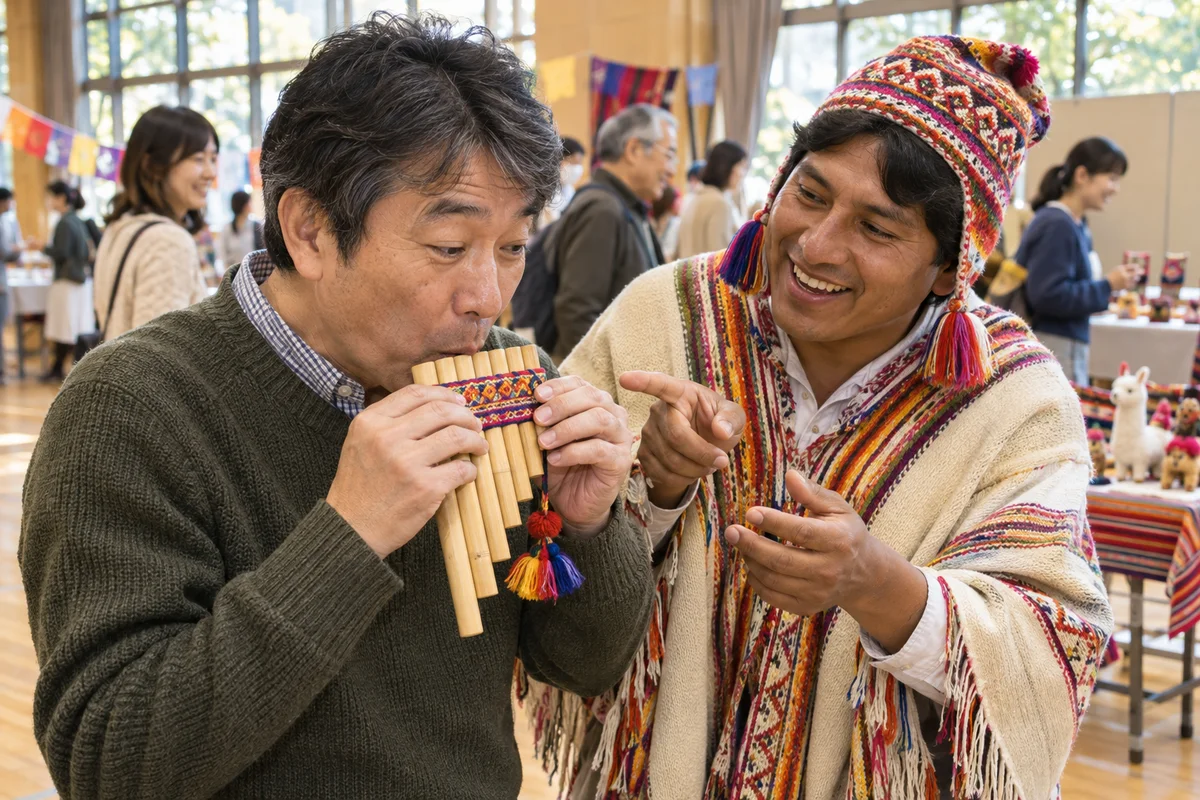
Other regular formats include World Talk, where a guest from abroad introduces their home country, events about food from around the world, and picture book readings in different languages. Small workshops are easier to talk at than big events, so pick one topic that genuinely interests you. The association announces events on its website, Facebook and LINE, and some have limited spots, so sign up early.
The association's website lists the international exchange groups active in the city. One of them, the Mito Uchihara International Communication Society (MUICS), based in the Uchihara area, holds a monthly English Salon together with Uchihara Library. It mixes English and Japanese, which makes it comfortable for locals who aren't confident in English and for foreigners still working on their Japanese.
There are also English study groups and country-specific friendship societies, such as Japan-Germany, Japan-China and Japan-Vietnam associations. If you're from one of those countries, or just love one, that society is a ready-made group of people who already care about the same thing you do.
If you're studying Japanese, Mito has a quiet advantage. The association's site says several Japanese classes run by volunteer groups meet at the Mito International Center, taught by volunteers. You see the same classmates and the same volunteer teachers week after week.
That matters more than any single big event. Weekly faces become real friends far more often than people you meet once at a party. And the volunteers are often exactly the kind of locals who want to know foreigners. Contact the groups or the association directly to ask how to join.
Searching for a "foreigner bar in Mito" will probably leave you disappointed. In my experience, smaller cities like this reward a different approach: pick one counter bar and keep going back, ideally around Omachi or Izumicho.
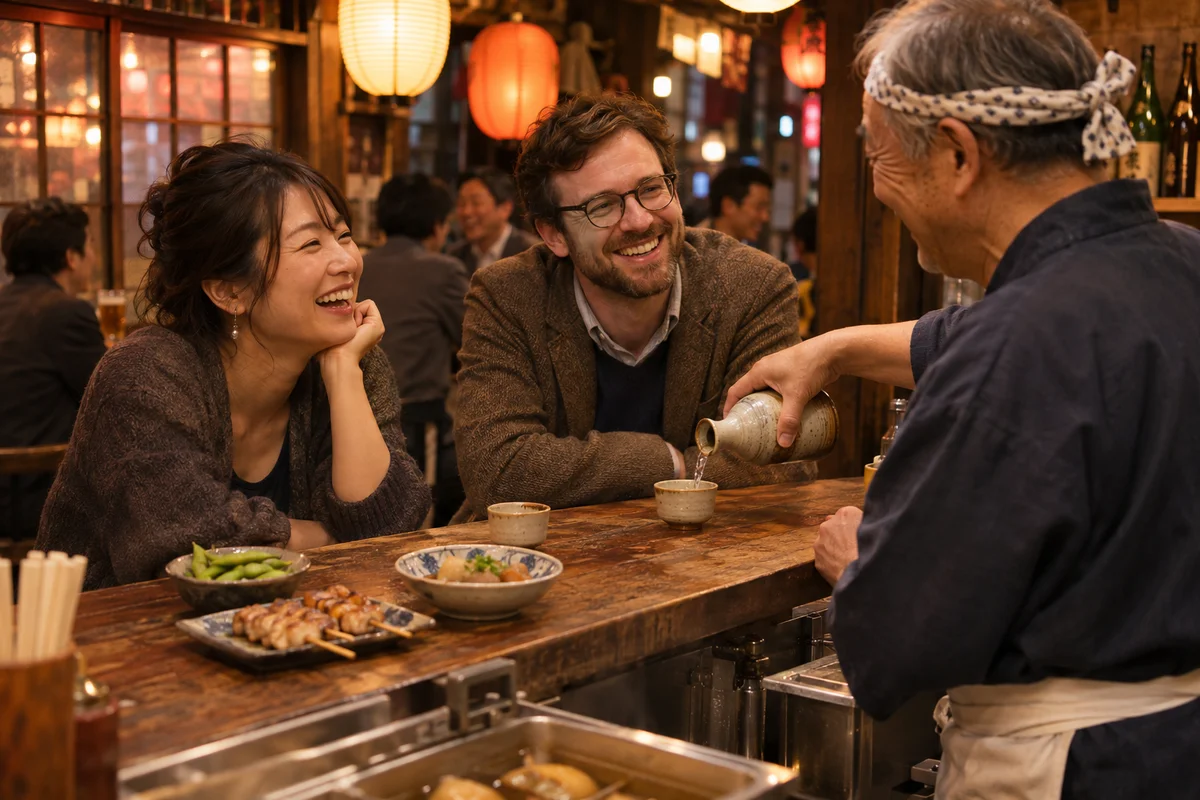
After a few visits, the owner remembers you, and owners in small cities know everyone. That's often how you get introduced to the other regulars, ALTs and students included. Earlier in the evening tends to be better for conversation than late on a Saturday.
The hardest part of making friends anywhere is the second hangout. In Mito, the answer is easy: "Want to walk around Lake Senba this weekend?" is a lower-pressure ask than dinner, and walking means silences never feel awkward because the scenery fills the gaps.
Plum season is the obvious highlight, but the lake path and parks work in every season. Sports help too. Mito HollyHock plays in J1 in 2026 at K's denki Stadium Mito, and a home game is an easy plan to invite a new friend to.
Week 1: Check the Mito City International Association's website, pick one event or group you could realistically attend, and visit the Mito International Center once.
Week 2: Find a cafe around Mito Station or Izumicho that could become your regular spot.
Week 3: Go to the event. Afterward, swap contacts with just one person you talked to.
Week 4: Go back to the same event or group. Invite last week's person for a walk around Lake Senba or a coffee.
The most common mistake is trying everything once and never going back. Mito doesn't have Tokyo's endless event calendar, so the people you can see again and again are worth far more than a long list of one-time contacts.
Events and groups are the core, but in a spread-out city like Mito, it also helps to see who's around. Knowing there's someone with similar interests a short bus ride away makes reaching out feel a lot less random.
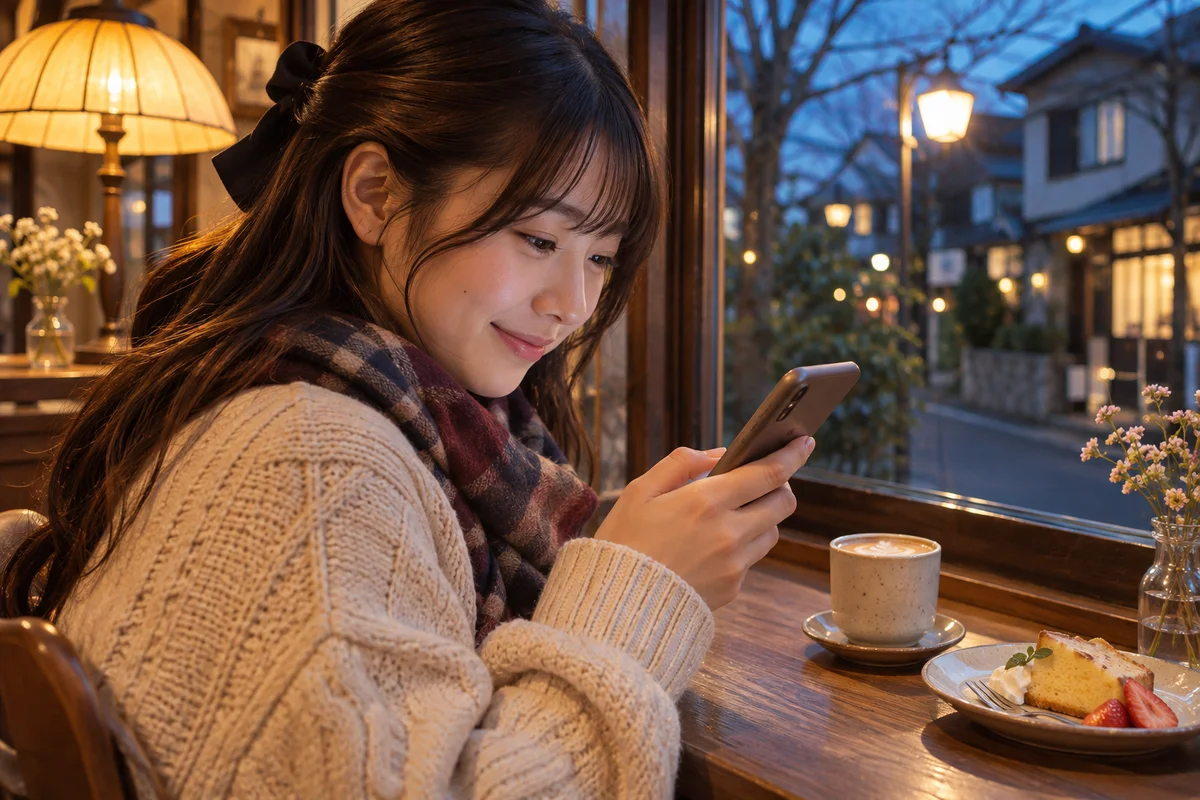
And the map doesn't stop at Mito's city limits. From home, you can explore people in another city or country and build friendships online. You don't need travel plans to make friends abroad, and if you do have a trip coming up, you can get to know people there before you land. When your ALT or student friends eventually move back home, you can keep in touch with them on the map too.
Make Japanese Friends On a Live World Map
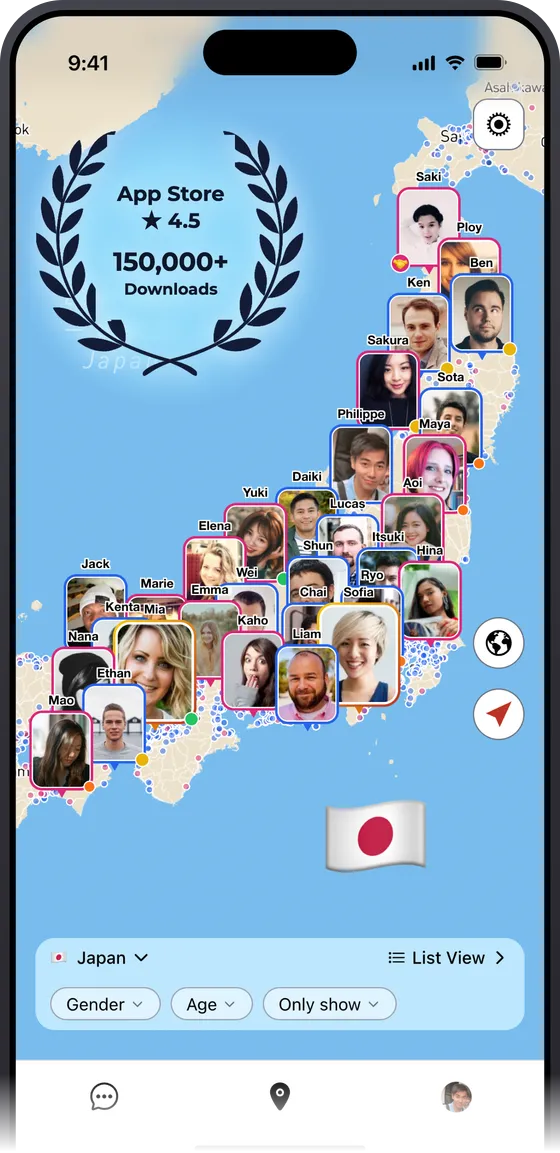
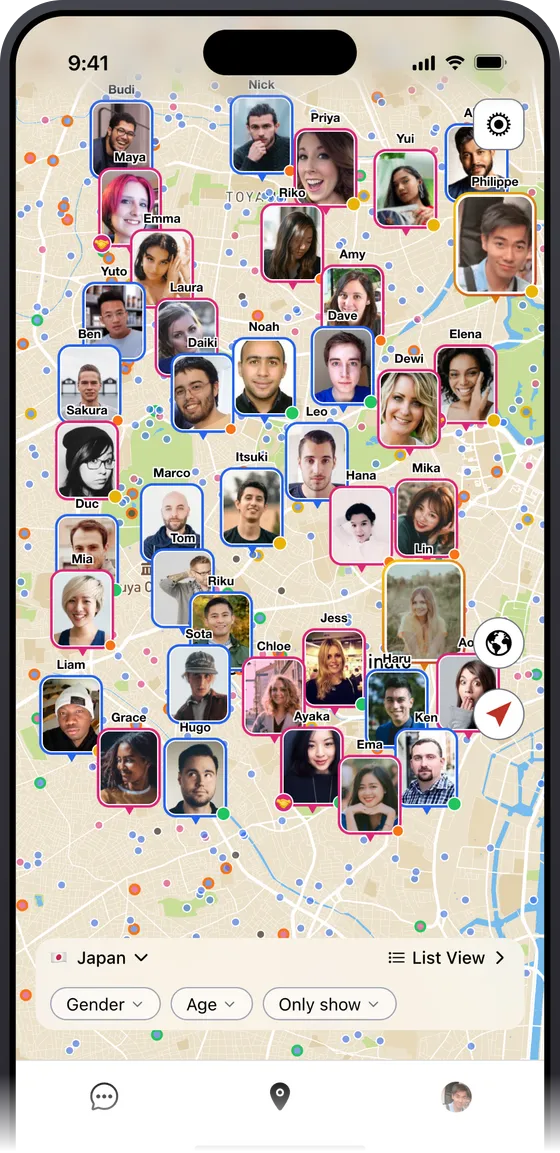
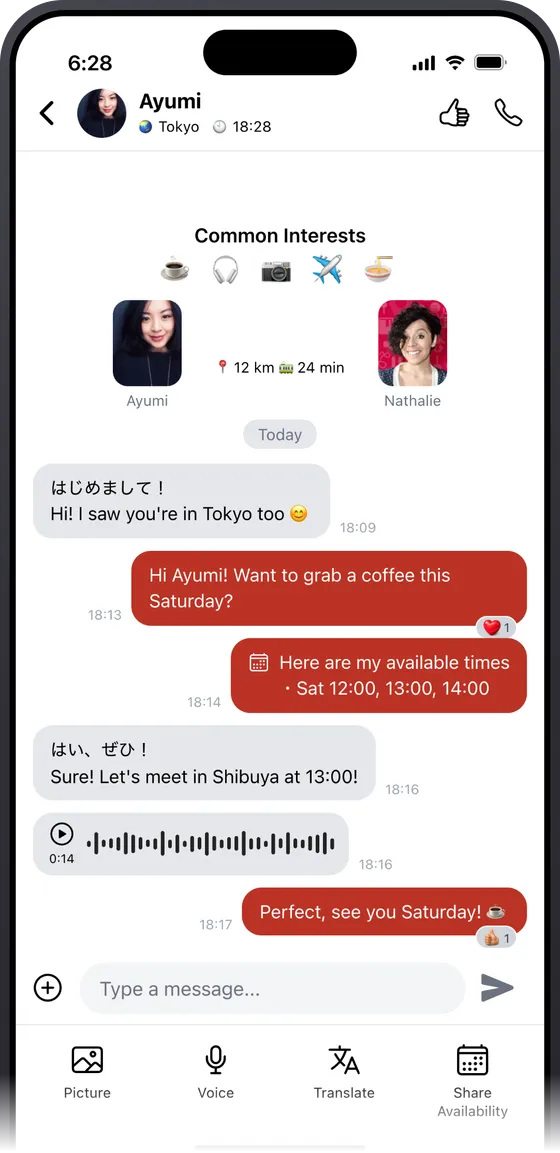


That's what SewaYou is for: a map-based friendship app for finding people nearby in Mito and anywhere in the world. If you're comparing options, see our guide to the best apps for making international friends. And if you spend time elsewhere in Ibaraki, check out how to make friends in Tsukuba.
Is there an expat community in Mito?
Yes, just a quiet one. It's made up of ALTs, Ibaraki University students, people working in the area and their families. The easiest entry points are the Mito International Center's events, the international exchange groups listed by the Mito City International Association, and the small bars around Omachi and Izumicho.
Where can I meet locals in Mito?
Association events, English salons and volunteer Japanese classes all attract locals who actively want to meet foreigners. Becoming a regular at one small bar or cafe works too, because owners tend to introduce their regulars to each other.
Is there a foreigner bar in Mito?
Rather than hunting for one specific foreigner bar, pick a counter bar or izakaya around Omachi or Izumicho and keep going back. Once the owner knows you, meeting other regulars, including foreign residents, gets much easier.
What are good things to do in Mito to meet people?
Go to a workshop at the Mito International Center, join a monthly English salon, volunteer or study with a Japanese class group, walk or jog around Lake Senba, visit Kairakuen in plum season, or catch a Mito HollyHock home game with someone new.
Do I need to speak Japanese to make friends in Mito?
No, but it helps a lot. Many locals at exchange events are happy to mix English and Japanese, and the English salons are built for exactly that. Joining a volunteer Japanese class gives you both language practice and a group of people you'll see every week.
The trick to making friends in Mito is building one place outside work or school where you'll see the same people again. It could be the International Center, an English salon, a Japanese class or one bar in Omachi. Make one real friend there, and their circle starts opening up to you faster than you'd expect.
Looking for friends in Mito? Download SewaYou to find people near Mito Station and Kairakuen for a casual coffee, or explore the map and make friends anywhere in the world from home. For other cities, see our city-by-city guide to making friends.