
Every few months a new video promises it has finally cracked it. The one method. Learn Japanese in six months, Spanish without grammar, French through nothing but cartoons.
I used to watch these and feel a small jolt of hope, then a bigger wave of guilt. If this method works so well, why wasn't I fluent yet? Was I just doing it wrong?
Here's what took me far too long to accept: there is no single method. There never was. And the sooner you stop hunting for it, the sooner you actually start learning.
Learning a language is slow. It's months of feeling clumsy, forgetting words you knew yesterday, and freezing up when someone talks faster than your textbook.
So of course a shortcut sounds amazing. A method promises that the slow, grinding part can be skipped if you just find the right trick. It turns a hard, years-long project into a shopping decision.
But think about who's selling it. A video needs views. A course needs buyers. "Keep showing up for two years and mix a few things together" doesn't make a great thumbnail, even if it's the truest advice out there.

When I look at people who really got good at a language, none of them used one thing. They used a bit of everything, in proportions that shifted over time.
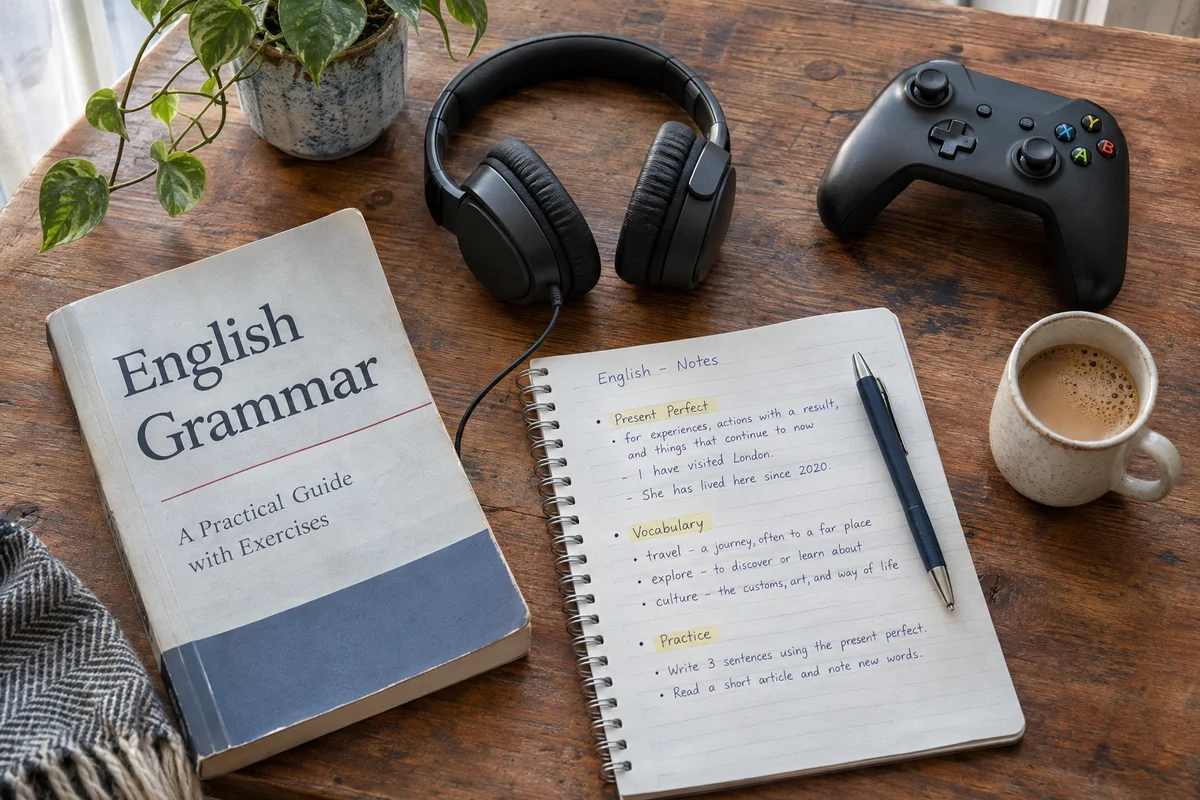
A rough menu looks like this:
None of these is "the" method. Each one covers a gap the others leave. Grammar books don't teach you to understand fast speech. Shows don't teach you to form your own sentences. Apps don't teach you to hold a conversation when someone goes off script.
Your method is the mix you build. That's it. That's the secret nobody can sell you.
Here's the part that most one-size-fits-all advice ignores: the right balance depends on where you are.
As a beginner, a story-heavy game or a fast drama with no subtitles is mostly noise. You'll understand almost nothing and quit out of frustration. At that stage, structure and simple input do most of the heavy lifting.
At an intermediate level, things flip. The textbook starts feeling stale, and real content becomes the main course. This is also when speaking with people stops being terrifying and starts being the fastest way forward.
At an advanced level, it's mostly living in the language: reading what you'd read anyway, talking with friends, and occasionally going back to fix that one grammar point you've been getting wrong for years.
Stuck usually means your mix is outdated. If something feels pointless, it might just be the wrong tool for your current level, not proof that you're bad at languages.
If I had to pick one thing that matters more than any technique, it's this: showing up regularly over a long time.
Twenty minutes a day for a year will take you further than a heroic three-week sprint followed by six months of nothing. The sprint feels productive. The daily habit actually is.
The good news is that a habit doesn't need to be impressive. Some days your "study" is one podcast episode on the train. Some days it's five flashcards before bed. That still counts. What matters is that the thread never fully breaks.

So why do some people stay consistent for years while others drop off after a month? In my experience, it's rarely discipline. It's having a reason that pulls you forward.
For some people that reason is a culture they love, a country they want to live in, or books they want to read in the original. For a lot of people, it's simpler than that: someone they actually want to talk to.
A friend who speaks the language changes everything. Suddenly vocabulary isn't abstract, it's the words you need to tell them about your weekend. Grammar isn't a chapter, it's the thing that lets you ask a better question. And you don't skip practice when practice means catching up with someone you like.
That's the piece no course can package. Real people make every other part of your mix stick.

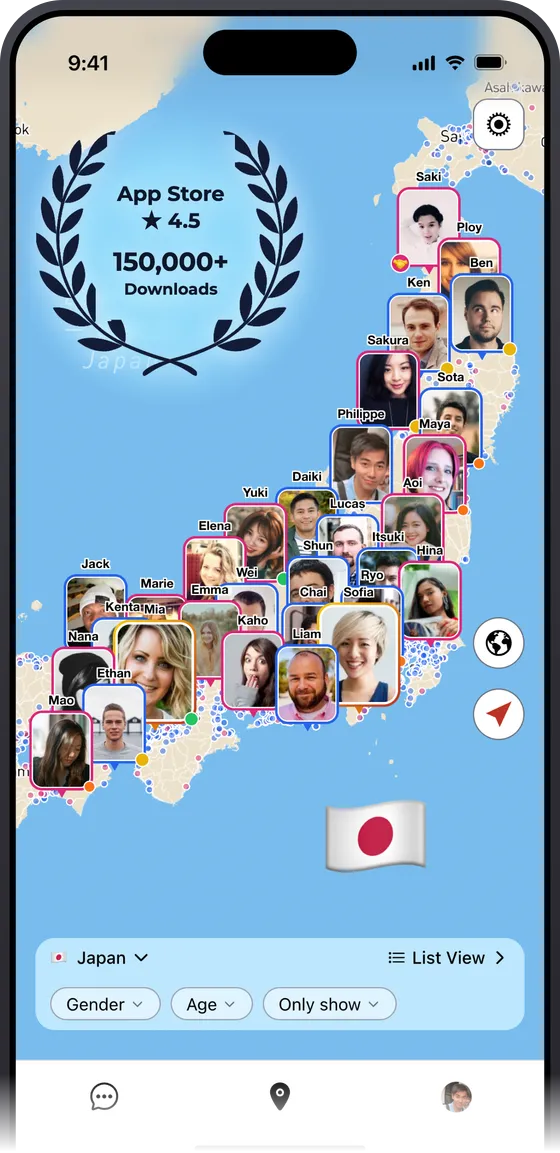
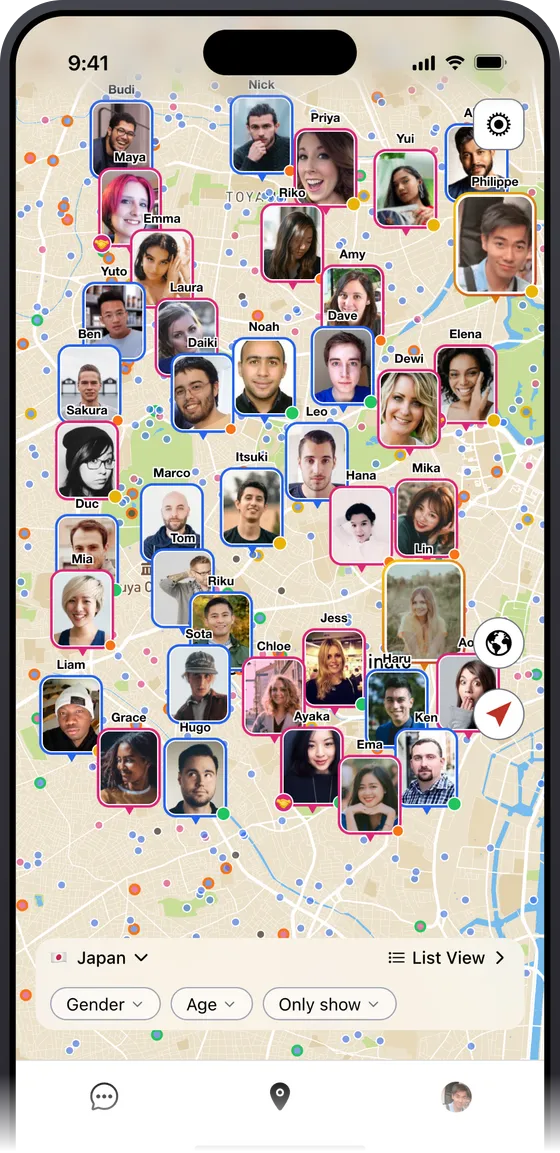
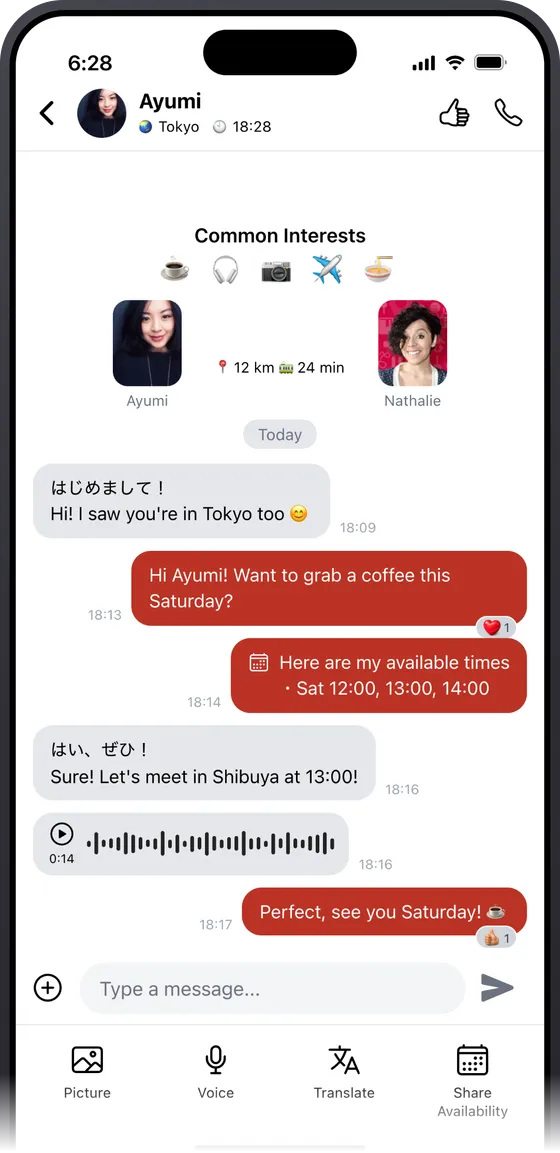
This is exactly why we built SewaYou. It's a map-based friendship app for meeting people nearby and anywhere in the world.
You can open the map and find someone in your own city to grab coffee with, or explore another country from home and make friends there before you ever buy a plane ticket. Learning Japanese? Chat with people in Tokyo or Osaka. Practicing Spanish? Browse Mexico City or Madrid from your couch. And if you do travel one day, you'll already know someone when you land.
It won't replace your grammar book or your flashcards. It's the part of the system that gives you a reason to keep using them.
Make Japanese Friends On a Live World Map


The honest answer is boring, and that's why nobody puts it in a thumbnail: a mix of approaches that fits your level, a small daily habit, and a reason to keep going.
Stop searching for the perfect technique. Pick a few things you can stick with, adjust as you grow, and find people who make you want to speak.
Ready to add real conversations to your mix? Download SewaYou and find your first language friend, around the corner or across the world.