Maybe you came to Takamatsu to teach English. Maybe you're studying at Kagawa University, or you fell for the art islands and decided to stay a while. Either way, there's a moment a few weeks in when it hits you: you see foreigners every single day at the ferry port, and you still don't have anyone to grab udon with on a Saturday.
Takamatsu is the gateway to Shikoku and the jumping-off point for the Seto Inland Sea islands. People from all over the world pass through. The trick is turning that traffic into actual friends, locals and other internationals who are still here next month. This guide covers how to make friends in Takamatsu in 2026: the neighborhoods worth knowing, the organizations that actually run events, and a simple plan for your first month.
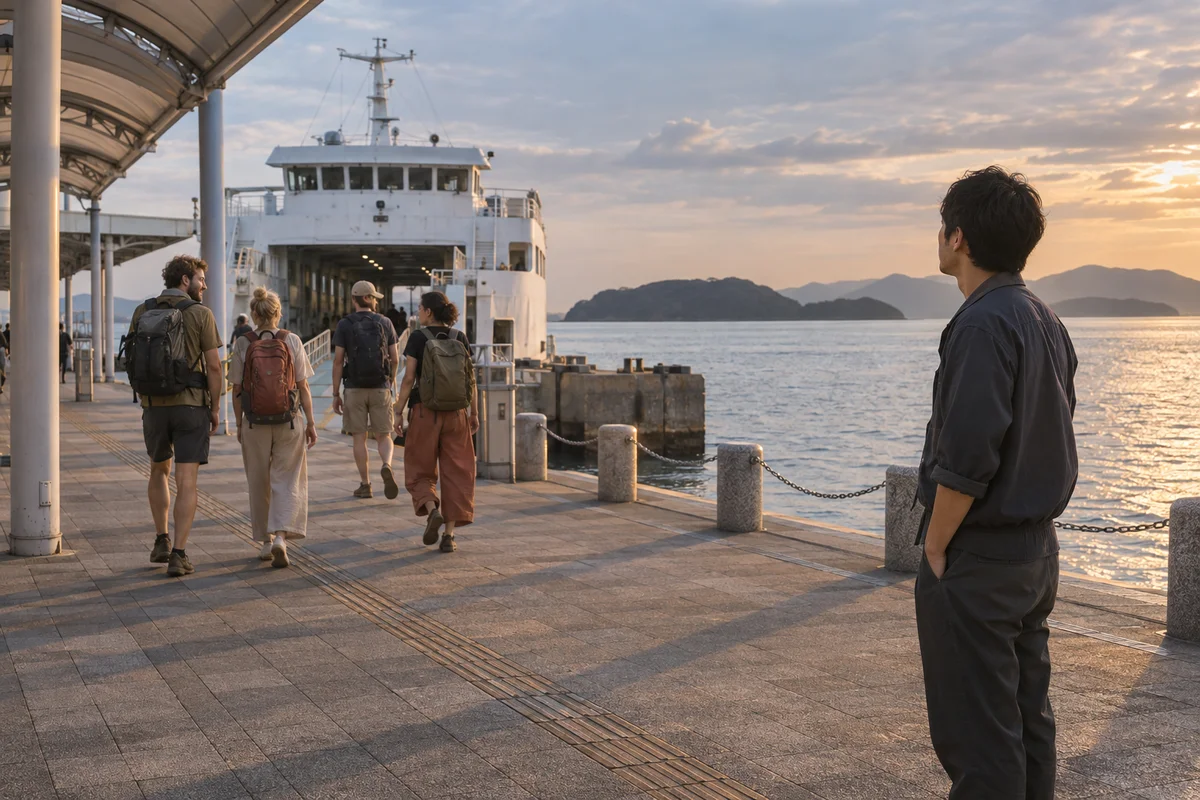
Let's be honest about the first problem. A lot of the foreigners you see in Takamatsu are travelers. They step off the train, walk to the port and catch a ferry to Naoshima, Teshima or Shodoshima. In Setouchi Triennale years the waterfront fills up with art lovers from abroad. They're friendly, they're interesting, and they're gone by tomorrow.
The second problem is size. There's a resident international community here, including international students at Kagawa University, English teachers and people working for local companies, but it's small. You won't find a language exchange night every week like in Tokyo or Osaka.
The third problem is visibility. A lot of what happens in Takamatsu's international scene lives on association websites, university notice boards and word of mouth. Search "Takamatsu expat community" and you mostly get tourist guides.
Here's the upside, though. Takamatsu is compact, so connections spread fast. The center is walkable, you keep running into the same faces, and once you know one person you're usually one or two introductions away from a whole circle.
Four areas are worth knowing. All of them are walkable from Takamatsu Station or Kawaramachi Station, or a short ride on the Kotoden.
The Takamatsu Central Shopping District is eight connected arcades, including Hyogo-machi, Katahara-machi, Marugame-machi, Lion-dori, Minami-shinmachi, Tokiwa-machi and Tamachi. Together they run about 2.7 km under cover, and they're often described as the longest shopping arcade in Japan.
Because it's covered, people are out here rain or shine, and you'll see plenty of foreigners in the cafes and shops during the day. The dome plaza at Marugame-machi is an easy place to meet someone. If bars aren't your thing, start with daytime events and small gatherings at cafes around the arcades.
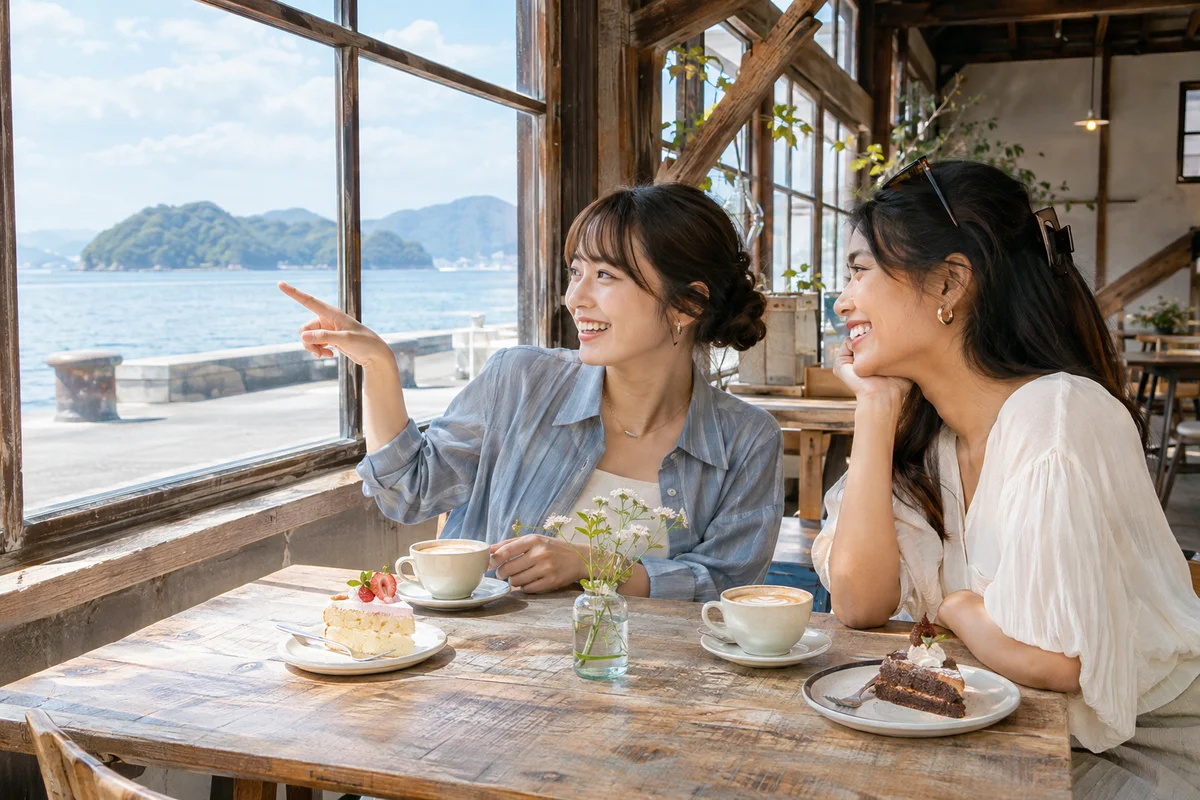
Near the port, Kitahama Alley is a row of old warehouses turned into cafes and little shops, many with a view of the sea. It has a relaxed, slightly arty feel that draws both locals and visitors from abroad.
Right next door, Sunport Takamatsu brings together the ferry terminal and Takamatsu Station, so you'll often find travelers resting after a day on the islands. Think of Kitahama and Sunport less as places to build a friend group and more as places to get comfortable starting conversations. Help someone with directions or a photo. It's low stakes practice for being the person who says hello first.
If you want to meet people at night, Kobaba, just east of Lion-dori, is Takamatsu's main nightlife district. It's packed with izakaya and tiny bars, and if foreign residents are out for a drink, this is where you'll most likely find them.
The area around Kotoden's Kawaramachi Station also has plenty of places to eat and drink. It's close enough to drop into on the way home from work, which matters when you're trying to show up regularly.
Want to meet international students? Keep Saiwaicho in mind, home to Kagawa University's main campus. The university has a student group called ICES, an intercultural exchange club that brings together international students, Japanese students and local people, with events like welcome parties for new arrivals.
Whether outsiders can join depends on the event, so check the university's international exchange announcements. Public lectures and community events at the university are another good way in.
The most reliable starting point is I-PAL Kagawa (the Kagawa International Exchange Center) in Bancho, run by the Kagawa International Exchange Association. It hosts foreign language courses, cultural understanding lectures and other exchange programs.
Every autumn it also hosts the Kagawa International Festa, where international groups from around the prefecture gather with stage performances, food from around the world and group exhibits. The 2026 edition took place in October, with the prefecture, the city, the Takamatsu International Association and JICA Shikoku all involved. It's basically a front door to Takamatsu's international circles. Find a group that interests you there, then show up to its next regular activity.
The Takamatsu International Association also promotes community-level exchange and posts courses and programs from time to time, so it's worth checking alongside I-PAL.
People always ask which bar in Takamatsu is "the foreigner bar." Honestly, naming one place isn't that useful. What works better is picking a small counter bar around Kobaba or Lion-dori and going back.
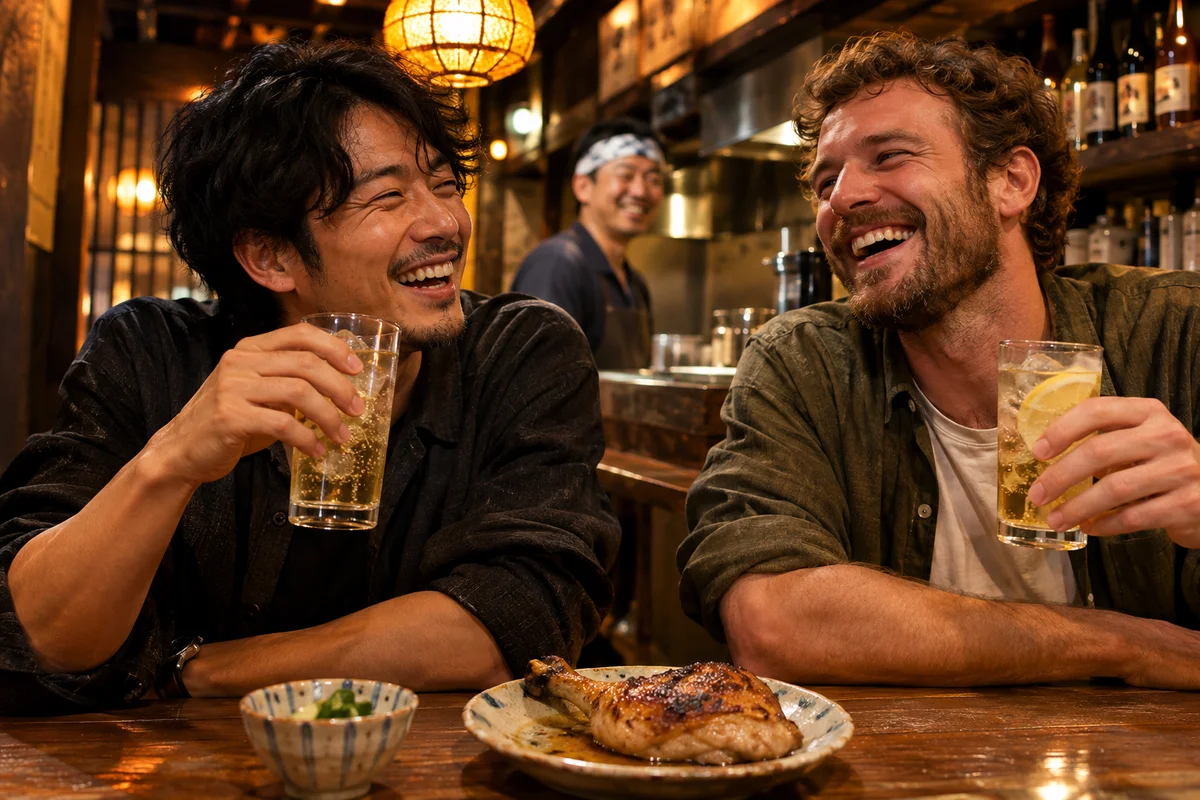
Go once a week, sit at the counter, say hi to the owner. By the third or fourth visit they'll remember you, and owners in small cities love connecting their regulars: "Oh, there was a guy from the UK in here last week, you should meet him." One bar visited often beats ten bars visited once, and that's even more true in a city Takamatsu's size. Order the local bone-in chicken, honetsuki-dori, while you're at it. It's a good conversation starter.
I-PAL's foreign language courses cover several languages. The class itself isn't the point here. The point is that people with the same interest in a country or culture end up in the same room every week, and going for food after class is a natural next step. It's also a way to meet the instructors, who are often from the countries they teach about.
As the gateway to the islands, Takamatsu has plenty of visitor-facing volunteer work. In Setouchi Triennale years, volunteers help run venues and guide visitors, and there are ongoing efforts to help foreign tourists too. The tourists come and go, but your fellow volunteers often include foreign residents and locals who've lived abroad. Friendships form much faster side by side than across a table.
Udon crawls, cycling out to the islands, running, photography. A shared hobby takes the pressure off language. Search "Takamatsu" on Meetup or Facebook and you'll sometimes find groups with foreign members. Things to do in Takamatsu to meet people don't have to be "meeting people" events. They just have to repeat.
Week 1: Walk the central arcades, Kitahama Alley, Sunport and Kobaba. Get a feel for each place and note any shops or posters that catch your eye.
Week 2: Go to one thing. An I-PAL course or event, a public event near Kagawa University, or that bar in Kobaba you walked past.
Week 3: Go back to the same place. Say hello first to someone you saw last time.
Week 4: Swap contacts with one person and suggest food or coffee. The city is small enough that "Want to try that cafe in Kitahama?" is an easy ask.
The classic mistake is being satisfied with traveler encounters. They're fun, but they rarely last. Make it your goal to see the same person three times, and things start feeling like friendship fast.
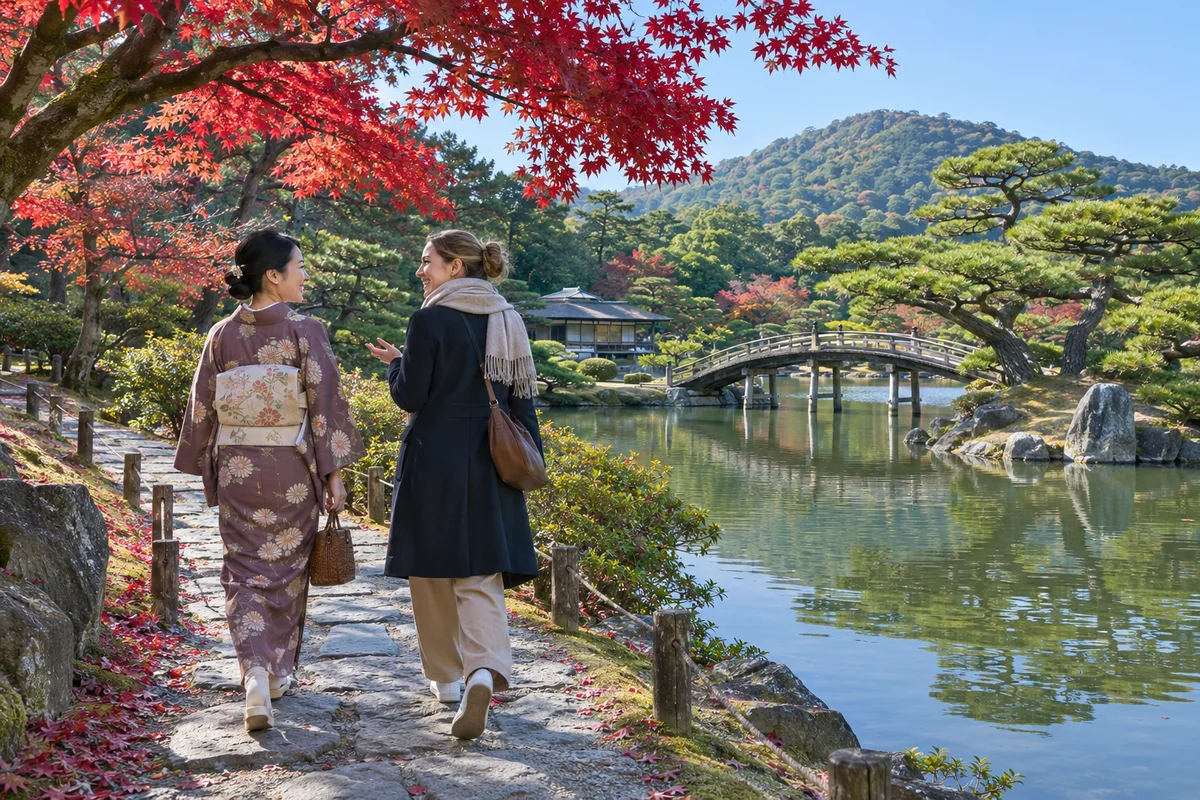
In a city like Takamatsu, waiting for events to come to you is slow. There just aren't that many of them.
That's where SewaYou comes in. SewaYou is a map-based friendship app for finding people nearby and anywhere in the world. Open the map and see who's around you in Takamatsu, locals and other internationals, then message someone and suggest an udon lunch this weekend or a coffee at Kitahama.
Make Japanese Friends On a Live World Map
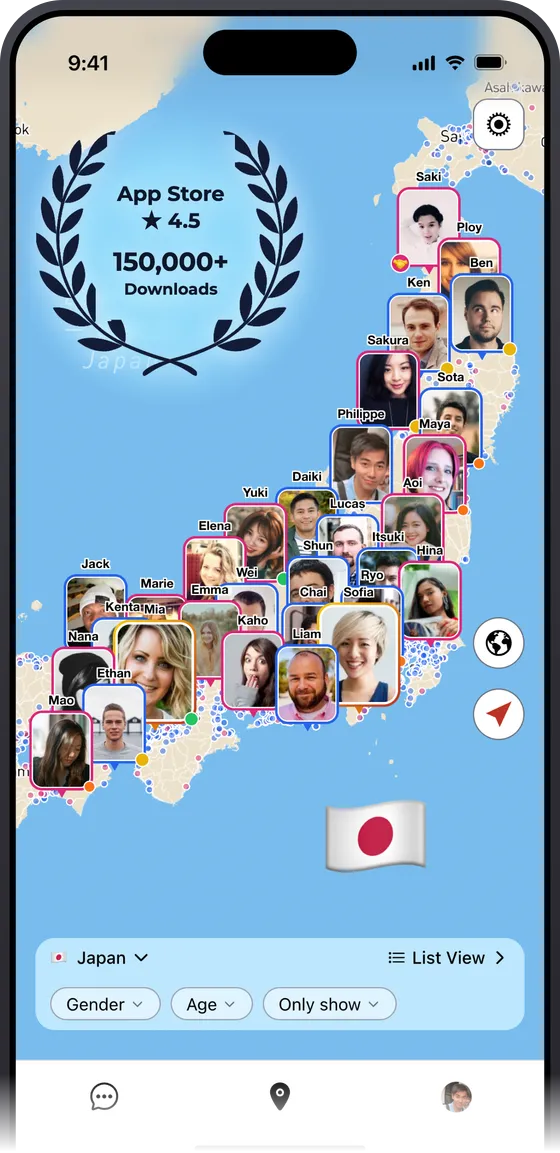
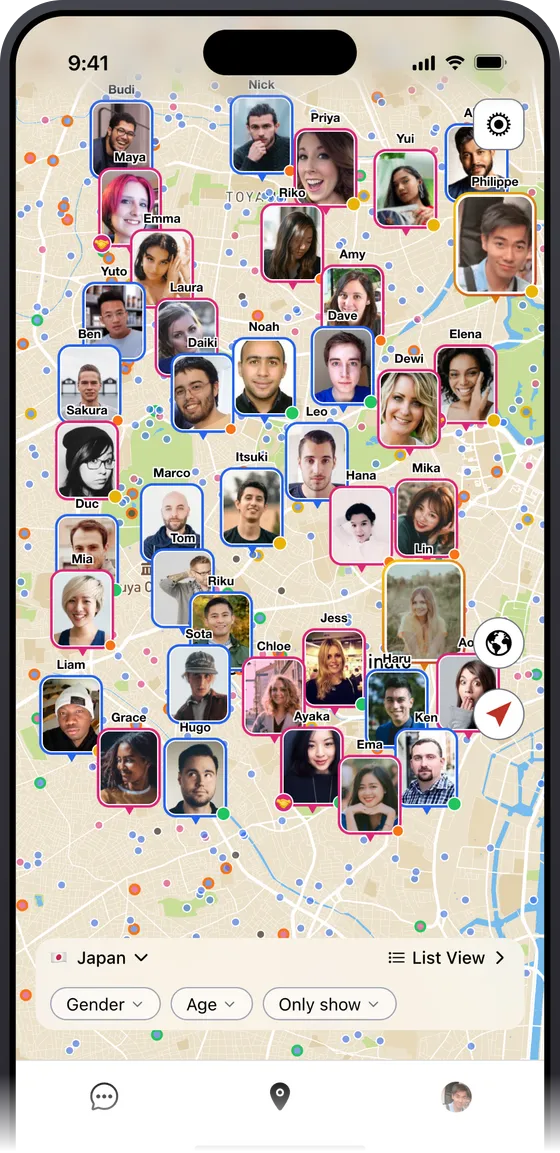
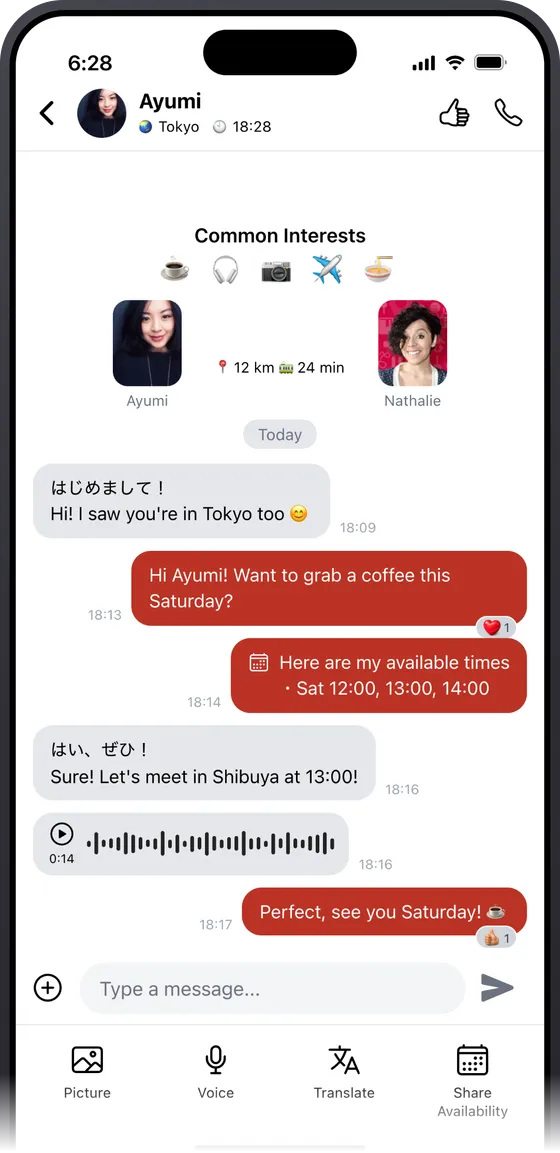


The map doesn't stop at Takamatsu either. You can explore Okayama, Osaka or a city on the other side of the world from your sofa, build online friendships with no travel plans at all, or connect with people before a trip and meet once you're there.
Still comparing options? See our guide to the best apps for making international friends. Somewhere else in Shikoku or the Seto Inland Sea? Read how to make friends in Matsuyama or how to make friends in Okayama.
Is there an expat community in Takamatsu?
Yes, but it's small and not very visible online. Foreign residents include Kagawa University students, English teachers and people working at local companies. The easiest ways in are I-PAL Kagawa, the Takamatsu International Association, university events, and becoming a regular at a bar in Kobaba.
Where can I meet locals in Takamatsu?
For organized exchange, I-PAL Kagawa in Bancho is the most reliable start. For a relaxed vibe, try the bars in Kobaba and around Kawaramachi. During the day, the cafes in the central arcades and at Kitahama Alley are good bets. Volunteering puts you next to locals regularly too.
What are good things to do in Takamatsu to meet people?
Go back to the same small bar, take a course at I-PAL, volunteer with island or tourism projects, join a hobby group, and go to the Kagawa International Festa in autumn. Repeat visits matter more than any single event.
Do I need to speak Japanese to make friends in Takamatsu?
It helps, but you don't need to be fluent. Plenty of people involved in international exchange are happy to mix languages, and hobby groups care more about showing up than perfect grammar. Some basic Japanese will open far more doors here than it would in Tokyo.
Takamatsu makes it easy to cross paths with people from abroad and surprisingly hard to keep them. The fix isn't a secret venue. It's going back to the same places, seeing the same people, and letting a compact city do its thing: once you're connected, your circle grows quickly.
Looking for friends in Takamatsu?
SewaYou is a map-based friendship app for meeting people nearby and anywhere in the world. Find locals and internationals around Takamatsu and meet up at a Kitahama cafe or in the arcades, or make friends in another city or country from home, with or without travel plans. Download SewaYou and send your first message today.
Exploring other cities too? Browse our city-by-city guide to making friends.