Moving to New York and don't know anyone? Here are practical, tested ways to build real friendships, not just acquaintances.
How to Make Friends in New York as a Foreigner in 2026
New York City has a reputation for being one of the loneliest cities in the world, which sounds absurd until you actually live here. You can pass 50,000 people on your walk to the subway and not exchange a single word with any of them. For foreigners landing in NYC in 2026, the city offers more social opportunities than almost anywhere else on earth, but figuring out how to turn those opportunities into actual friendships takes some know-how.
If you just moved here or you've been grinding through the work visa life for a year and realized your phone has three contacts in it, this guide is for you. Let's get into how to make friends in New York when you're new to the city and don't have the built-in college network or family roots that most locals rely on.
Why Making Friends in New York Is Harder Than It Looks
Here's the paradox: New York is packed with interesting people from every country on the planet, but everyone is also absurdly busy. The average New Yorker is juggling a demanding job, a 45-minute commute, a side hustle, a gym routine, and maybe a relationship. Adding new friends to that calendar requires genuine effort from both sides.
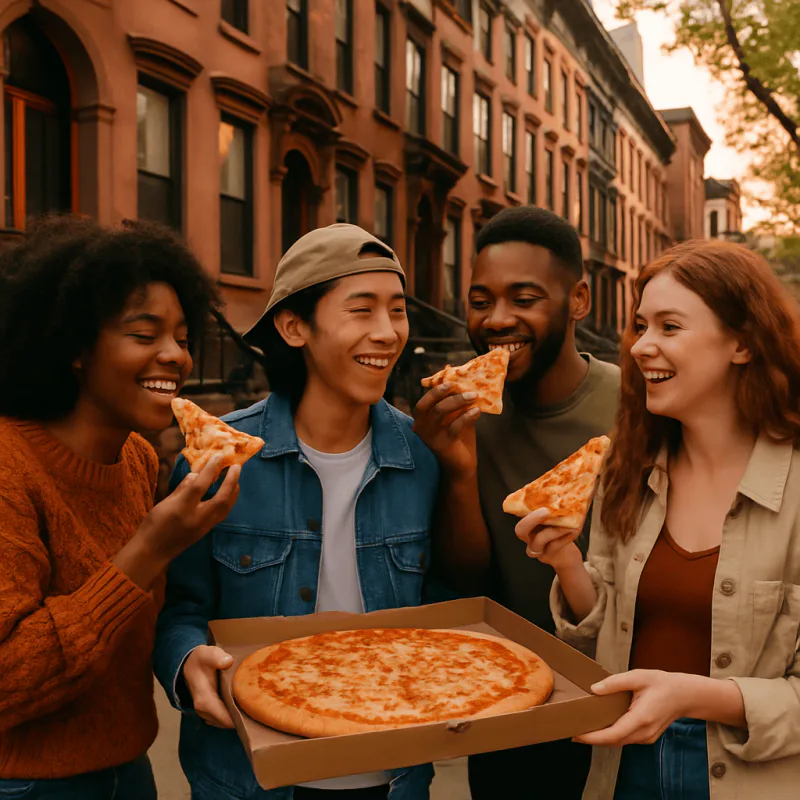
On top of that, New Yorkers are polite but distant. The subway etiquette of not making eye contact bleeds into everyday life. People in Chicago or Austin will strike up conversations at the coffee shop. People in Manhattan will put in earbuds and pretend you don't exist. This isn't rudeness, it's urban survival mode, and once you understand that, you stop taking it personally.
Foreigners face a few extra layers:
- The transient crowd problem. Many of the international people you meet are here on two-year grad programs or short work stints. You'll make a great friend in October and they'll move back to Berlin in June.
- The income gap. New York is expensive. If your social circle does dinners in the West Village every weekend, you're dropping $100 a night. Many foreigners on entry-level salaries or student budgets can't sustain that rhythm.
- The borough divide. A friend who lives in Astoria and a friend who lives in Bushwick are essentially in different cities on a Tuesday night. Geography kills more New York friendships than personality clashes do.
- Visa anxiety. If you're on an H-1B, OPT, or student visa, there's a background hum of uncertainty that makes it hard to commit to long-term social planning.
Knowing all this upfront helps you set realistic expectations. Friendships in NYC often form in layers over months, not weekends.
1. Pick the Right Neighborhood Anchor
Your neighborhood will shape your social life more than any app or meetup ever will. In a city this big, people cluster, and the bars, coffee shops, and bookstores on your block become your de facto community center.
Some neighborhoods that consistently punch above their weight for meeting people:
- Williamsburg and Greenpoint (Brooklyn). Stacked with international transplants in their 20s and 30s. The waterfront bars, the Sunday Smorgasburg food market at Marsha P. Johnson State Park, and the small music venues off Metropolitan Avenue are real social hubs.
- Astoria (Queens). Cheaper than most of Manhattan, loaded with Greek, Egyptian, Brazilian, and Colombian communities. Bohemian Hall Beer Garden on 24th Avenue is the closest thing NYC has to a pan-immigrant living room.
- The East Village (Manhattan). Dense with small bars, live music, and a mix of old-school New Yorkers and new arrivals. Tompkins Square Park on a sunny Saturday is a scene.
- Jackson Heights (Queens). The most diverse zip code in America. If you're looking for authentic Indian, Nepali, Colombian, or Mexican community groups, start here.
- Crown Heights and Prospect Heights (Brooklyn). Brownstone Brooklyn with a younger creative crowd. Prospect Park on a weekend looks like a UN social event.
If you haven't signed a lease yet, pick a neighborhood where you can actually afford to be social. Paying $3,500 for a studio in Tribeca and then eating cereal at home four nights a week is the fastest way to end up lonely in New York.
2. Lean Into Hobby Communities, Not Generic Networking
The biggest mistake foreigners make in NYC is trying to network their way to friendship. Random Meetup events in a Midtown hotel lobby full of strangers swapping LinkedIn QR codes rarely produce real bonds. You want hobby-specific environments where friendship is a byproduct, not the explicit goal.
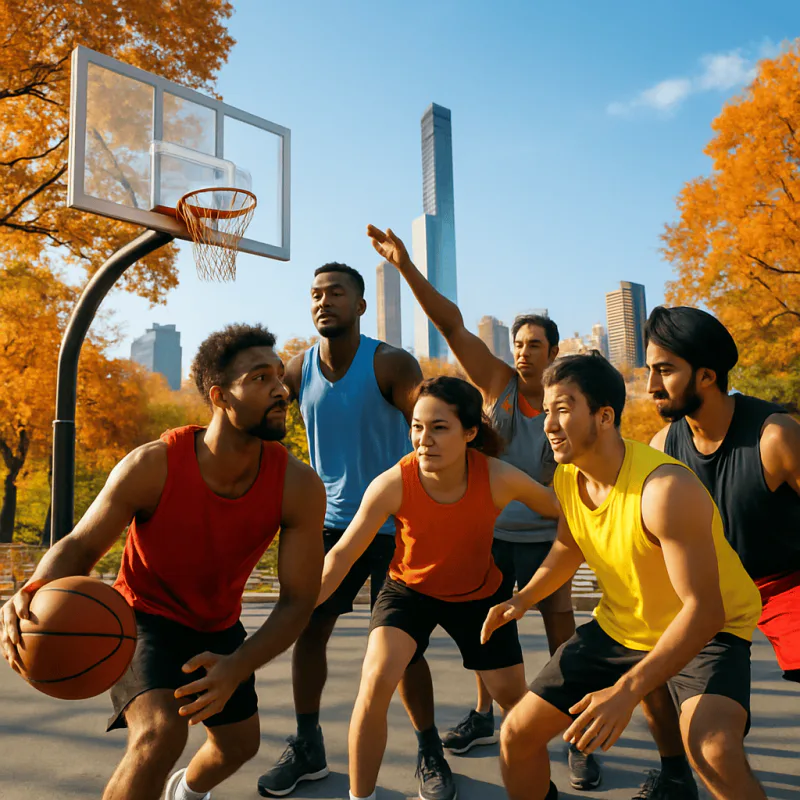
Some formats that work unusually well in New York:
- Run clubs. The city has exploded with run clubs in the last few years. Groups like NYC Bridge Runners, North Brooklyn Runners, Front Runners (LGBTQ+), and dozens of smaller crews host free weekly runs that end at a bar or coffee shop. Running three miles next to someone is a shockingly good friendship accelerator.
- Bouldering and climbing gyms. Brooklyn Boulders in Gowanus and VITAL in Williamsburg are basically clubhouses. You can show up alone, fail at a V3 problem, and have three people giving you beta within an hour.
- Pickleball. Yes, really. The free courts at Central Park, McCarren Park, and Brooklyn Bridge Park have developed regular crews. If you play twice a week for a month, you'll know everyone by name.
- Language exchange nightsand conversation cafés. New York has Spanish, French, Japanese, Korean, Mandarin, and Italian exchange nights running most weeknights. Search around Union Square, Koreatown, and the Lower East Side.
- Chess in the parks. Washington Square Park's chess tables are famous for a reason. Bryant Park and Union Square also have regular chess crowds. If you play, just sit down.
- Reading groups and indie bookstores. McNally Jackson, Books Are Magic, Greenlight Bookstore, and The Strand all host reader events. Book people tend to show up alone and want to talk.
The common thread: pick something you'd do anyway, and do it in public on a regular schedule. Repetition is the secret sauce. Showing up to the same Tuesday run club for eight weeks in a row will do more for your social life than 20 one-off meetups.
3. Use Map-Based Apps to Find People Actually Near You
This is where 2026 is different from even a few years ago. Traditional friend-making apps struggled in New York because they'd match you with someone in the Bronx when you live in Sunset Park, and the hour-long train ride killed any chance of hanging out.
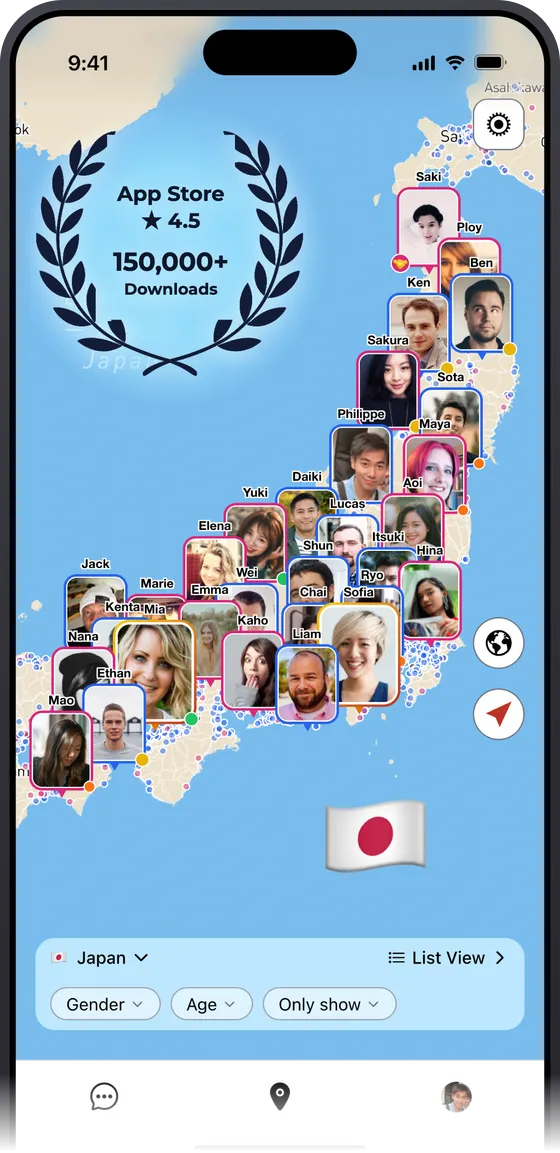
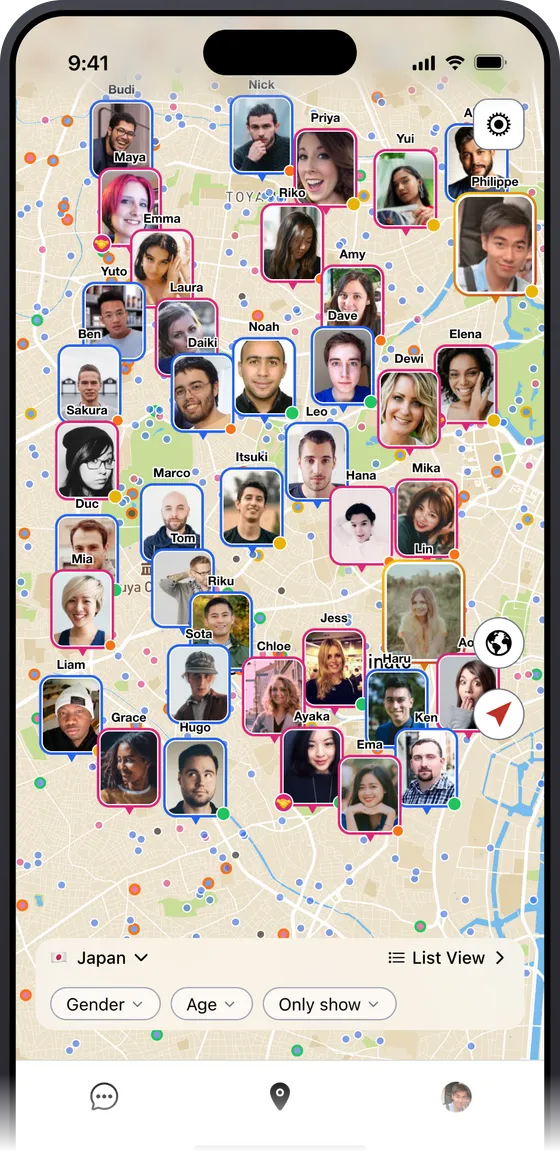
Map-based apps changed the game by letting you see who's genuinely in your area. You can open the app at your local coffee shop on a Saturday morning and find other people within a 10-block radius who are also open to meeting new people. No more dead-end matches with someone who lives a 90-minute commute away.
The key to using these apps well in New York:
- Put real effort into your profile. Specific interests beat generic ones. "I brew espresso and I'm trying to learn how to surf at Rockaway" will get better responses than "I like coffee and the beach."
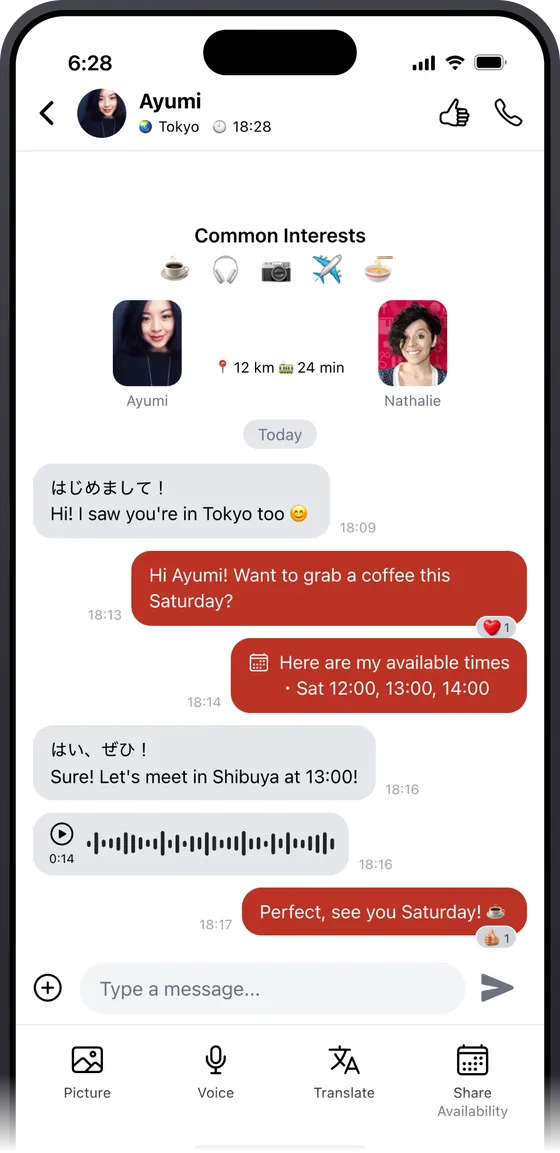
- Suggest low-stakes first hangouts. A 30-minute coffee at a specific café is easier to say yes to than a vague "let's grab drinks sometime."
- Don't ghost people who actually show up. New York runs on reliability. Flaking twice kills your reputation in a small social circle faster than you think.
4. Volunteer or Join a Cause
Volunteering is criminally underrated for friendship in New York. You get three things at once: a reason to leave your apartment on a weekend, a shared purpose with the people around you, and automatic conversation material.
Some options with strong community vibes:
- GrowNYC and the Greenmarket network. Volunteer at the Union Square Greenmarket or one of the neighborhood farmers markets on weekends.
- NYC Parks volunteer days. Cleanups in Prospect Park, Central Park, Inwood Hill Park, or along the Hudson River greenway. These groups often grab coffee or pizza after.
- City Harvest and Food Bank NYC. Packing food at a warehouse with 20 other volunteers is a weirdly good bonding activity.
- Little Free Library and mutual aid networks. Hyperlocal community groups in Brooklyn and Queens are always looking for hands.
- Cultural nonprofits. Asian American Arts Alliance, the Brooklyn Museum's volunteer corps, Museo del Barrio, and the Japan Society all have volunteer programs that connect you with people who care about specific cultural scenes.
If you're foreign, volunteering also gives you something to do when American friends are off visiting family for Thanksgiving, the Fourth of July, and Christmas, which can otherwise be some of the loneliest weekends of the year.
5. Play the Long Game With "Third Places"
Sociologists call them "third places," the spots that aren't home and aren't work, where you show up regularly and gradually get to know the regulars. New York has some of the best third places in the world, but only if you commit to being a regular at a specific one.
Some categories to consider:
- A specific coffee shop. Not a Starbucks. An independent spot where the baristas remember you. Devoción in Williamsburg, Abraço in the East Village, Variety in Bushwick, Partners Coffee in Greenpoint.
- A neighborhood dive bar. Dive bars are where real regulars form. Sunny's in Red Hook, Montero's in Brooklyn Heights, Rudy's in Hell's Kitchen, The Long Island Bar in Cobble Hill.
- A regular yoga or workout class. Same 7am class, three times a week, for three months. You will know the other regulars by name.
- A community garden. Yes, these exist in NYC. The East Village alone has dozens. You can apply to get a plot or just help out.
- A church, temple, mosque, or synagogue. Even if you're not particularly religious, faith communities in NYC are some of the strongest social networks for immigrants and foreigners. Many have culture-specific services in Mandarin, Spanish, Korean, Arabic, French, and more.
The trick with third places is that the magic only works if you go consistently. Showing up once does nothing. Showing up every Tuesday for two months turns strangers into acquaintances and acquaintances into friends.
Quick Tips for Foreigners in NYC Specifically
A few scattered pointers that don't fit neatly into the sections above:
- Accept every invitation for the first six months. You can be picky later. In the beginning, say yes to the random dinner party, the weird warehouse show in Bushwick, the stranger's birthday in Long Island City. Breadth first, depth later.
- Follow up within 48 hours. If you hit it off with someone, text them within two days to lock in a next hangout. New York schedules fill up fast, and a week later you'll both be "too busy."
- Host something small. Even if your apartment is tiny (especially if your apartment is tiny), invite four people over for cheap wine and homemade food from your country. Hosting flips you from guest to central node immediately.
- Winter is the hard part. January through early March is when people bail on plans because it's freezing. Build indoor habits (board game nights, movie nights, gym buddies) before the cold hits.
- Don't take subway silence personally. Nobody's going to strike up a conversation with you on the G train. That's not the venue.
Meet People Nearby in New York With SewaYou
Make Japanese Friends
On a Live World Map
Finding friends in a city of 8 million is less about running into magic strangers and more about having the right tools to see who's actually near you and open to meeting new people. SewaYou is a map-based friendship app where you can find people nearby in New York or anywhere in the world. You can see who's in your neighborhood right now, filter for shared interests, and suggest meeting up at a coffee shop or bar that's actually a reasonable walk away. No more matching with someone in Staten Island when you live in Harlem. If you're new to the city and trying to build your social circle from scratch, it's worth a try.
FAQ
Is it hard to make friends in New York as a foreigner?
It's not harder than in most big cities, but it takes more intentional effort than people expect. New Yorkers are friendly once you're in their circle, but breaking in requires consistency. The good news is that NYC has one of the largest foreigner and immigrant populations in the world, so you're definitely not alone. Most long-term New Yorkers have close friends from half a dozen different countries.
What are the best neighborhoods in New York for foreigners to meet people?
Williamsburg, Greenpoint, Astoria, the East Village, Crown Heights, and Jackson Heights are all strong choices depending on your vibe. Williamsburg and the East Village skew toward a younger creative crowd. Astoria and Jackson Heights are more diverse and affordable. Crown Heights and Prospect Heights have a nice balance of quiet residential feel with walkable social spots. Whatever you pick, make sure you can actually afford to go out in your neighborhood regularly.
How do I make local friends in New York if I don't drink?
Plenty of New York's best social scenes don't revolve around alcohol. Run clubs, bouldering gyms, pickleball, chess in the parks, volunteer groups, yoga studios, and coffee shop regulars all work great. Specialty coffee culture in Brooklyn and Manhattan is genuinely social, and sober curious events have been growing fast. You're not going to have any trouble building a social life here without drinking.
How long does it take to make real friends in NYC?
Expect about three to six months of consistent effort before you have a solid core group. The first month or two will feel discouraging because most interactions stay surface-level. Around month three, if you've been showing up to the same activities and following up with people, you'll start seeing the same faces and real friendships will start forming. Don't give up at week four. Everyone who's built a New York social life went through that exact low point.

Written by
SewaYou TeamChat Less, Meet More.
Make Japanese friends on a live world map 📍