

Moving to Taipei or visiting for a few months? You've picked one of the friendliest cities in Asia, but that doesn't mean making friends happens automatically. Taipei has a unique rhythm. People are warm and curious, night markets buzz until 2am, and the expat scene is tight but scattered across neighborhoods. Figuring out where to plug in takes a bit of strategy.
This guide covers exactly how to make friends in Taipei in 2026, with specific venues, neighborhoods, and activities that actually work. Whether you're an exchange student in Gongguan, a digital nomad working out of Da'an, or someone on a Gold Card who just landed at Taoyuan last week, there's a place for you here. You just need to know where to look.
Taipei gets a reputation for being one of the easiest cities in Asia for foreigners, and that's partly true. English is more widespread than in Tokyo or Seoul, locals are genuinely curious about people from abroad, and the food scene gives you endless reasons to meet someone for a bite. But there are some specific challenges you'll run into.

First, the foreigner community tends to cluster. You'll meet the same faces at Revolver, at certain language exchange events, and in specific Facebook groups. That's great at first but can feel limiting after a few months. Second, Taiwanese friendships often develop slowly. Someone might add you on LINE, chat occasionally, and then six months later invite you to their family's Lunar New Year dinner. Patience is the move. Third, if you don't speak any Mandarin, you'll find yourself in a bubble. A little Chinese, even just ordering food or saying thanks, opens doors that fluent English never will.
The good news? Taipei is small enough that you'll keep bumping into people you've met. The city rewards consistency.
Da'an is where a lot of the expat social life lives. Yongkang Street has the tourists, but the smaller alleys around Dongmen MRT are where residents actually hang out. This is where you'll find cozy bars like Ounce (a speakeasy tucked behind an unmarked door on Dunhua South Road) and coffee shops where everyone seems to be working on a novel or a startup. If you live in Da'an, you'll naturally cross paths with other internationals at your local breakfast shop or 7-Eleven.
Zhongshan has a more design-forward, creative feel. Cafes like Fika Fika and Rufous Coffee attract freelancers, and there's a strong Japanese expat presence around here. Minsheng Community, further east, has a leafy residential vibe that attracts a slightly older, settled crowd. Great for park picnics, yoga studios, and the kind of slow brunches where you end up chatting with the couple at the next table.
If you're a student or in your early twenties, Gongguan is your neighborhood. NTU students, language school kids, and a lot of young foreigners doing Chinese programs at Shida or ICLP end up here. The bars are cheap, the food is cheaper, and Roxy Rocker still plays vinyl until late. Baoting Road on a Friday night is basically an international mixer that nobody organized.
Ximen is loud, chaotic, and young. It's not where most expats live, but it's where you go to dance, catch a drag show at Taboo, or wander around Red House on a Sunday when the LGBTQ+ scene is in full swing. Wanhua, right next door, has Bopiliao and some of the oldest temples in the city. You meet a different crowd here, often more locally plugged in.
Xinyi is the business district, so expect a corporate crowd, rooftop bars, and the kind of English speakers who work at tech companies or consulting firms. Elephant Mountain at sunset is a weirdly social spot. Everyone hikes up, takes the same photo of 101, and ends up chatting while waiting for the light.

Taiwan is 70% mountains, and Taipei itself is ringed by them. Joining a hiking group is one of the fastest ways to meet people because you're stuck together for a few hours with nothing to do but talk. Groups like Taiwan Adventures and Taipei Hiking (both easy to find on Meetup and Facebook) organize weekend trips to places like Yangmingshan, Wuliaojian, or Teapot Mountain in Jiufen. If you're into trail running, the crew that meets at Xiangshan on weekends is welcoming to newcomers.
Bonus tip: bring snacks to share. Offering someone a piece of your pineapple cake on a trail is a universally accepted friendship opener in Taiwan.
Language exchange events are fine, but they can feel transactional. A class that requires actual collaboration works better. Consider signing up for a pottery class at a studio in Zhongshan, a bartending workshop at one of the craft cocktail bars in Da'an, or a traditional tea ceremony course. Some yoga studios like Space Yoga and Pure Yoga have community events where regulars genuinely get to know each other.
If you're into food (and in Taipei, you probably are), the Taipei Cooking Studio runs classes where you learn to make dumplings or beef noodle soup alongside other foreigners. Food plus shared failure equals friendship.
This one takes time but pays off forever. Pick one bar, one coffee shop, or one breakfast spot in your neighborhood and show up consistently. In Taipei, regulars get recognized fast. The owner at your local dan bing shop will remember your usual order within two weeks. The bartender at a spot like Indulge Bistro in Da'an or At Proof in Zhongshan will start introducing you to other regulars.
The Taiwanese concept of renqingwei (人情味), roughly translating to "human warmth," is real. Small businesses thrive on repeat customers, and the social currency of being a regular is genuinely valuable. You'll get invited to birthdays, staff parties, and impromptu dinners you didn't even know were happening.
This sounds scary but works in Taipei specifically because of how social the city is. Going alone to a small gig at Legacy Taipei, a pop-up market at Huashan 1914 Creative Park, or a film screening at Spot Huashan means you're more likely to actually talk to strangers. If you go with a friend, you'll stay in your bubble.
Check out events at Songshan Cultural and Creative Park, Taipei Artist Village, and smaller spaces like Mad L in Xinyi. Night markets like Raohe or Ningxia are also surprisingly social if you're willing to sit at shared tables and ask the person next to you what they ordered.
Animal shelters in Taipei always need help. Places like Animals Taiwan and Mary's Doggies host volunteer days where you walk dogs, socialize cats, and end up socializing with other volunteers in the process. Beach cleanups on the north coast (RE-THINK organizes regular ones) attract a mix of locals and expats who care about the environment.
Churches, even if you're not religious, can be surprisingly social hubs. Taipei International Church in Tianmu and the various Catholic and Protestant communities host regular events that draw a diverse international crowd.
You'll hear people say Taipei is easy without Chinese. That's true for survival. For friendship, it's a different story. Most Taiwanese people speak some English but prefer their own language when relaxing with friends. If you want to be invited into local friend groups long-term, learning even basic Mandarin signals that you're committed. Free resources like the Language Exchange at NTU and affordable group classes at places like Mandarin Inn make it doable.
Taipei has a transient foreigner population. People come for a year of Chinese, for a Gold Card stint, for a semester abroad, and then they leave. Your best friend from your first month might be gone by month six. This is emotionally exhausting if you don't prepare for it. The fix is to invest in people who are staying longer-term, including Taiwanese friends and foreigners with local partners or long visas.
A lot of foreigners try to make friends through apps that are primarily for dating. This gets confusing fast, especially in a culture where directness around relationship intent varies. If you want friends specifically, be explicit about it from the start or use platforms designed for friendship rather than dating.
Taipei summers are brutal. Between June and September, the heat and humidity make outdoor socializing tough, and people retreat into air-conditioned spaces. Typhoon season can shut down your plans for days. Factor this in. Winter (December to February) is actually the best time for hiking, food hopping, and outdoor markets.
Taipei has a rhythm of recurring events that anchor the social calendar. Pride in October is massive and welcoming to everyone. The Taipei Jazz Festival at Da'an Forest Park in the fall draws thousands. Dragon Boat Festival races in June are a cultural immersion opportunity and genuinely fun to spectate with others. Lantern Festival in February transforms the city, and if you can wrangle an invite to a family's celebration, say yes.

For smaller recurring events, look into the monthly open mic nights at Revolver, the tea ceremonies at Wisteria House, and the film nights at various community spaces. Consistency of venue means consistency of faces, which means friendship.
Meeting people in person is ideal, but apps can genuinely help you bridge the gap, especially in your first few weeks. The key is using them as a supplement to real-world effort, not a replacement. Look for apps that focus on friendship specifically, that show you who's actually nearby in your neighborhood, and that have enough users in Taipei to matter.
Make Japanese Friends On a Live World Map
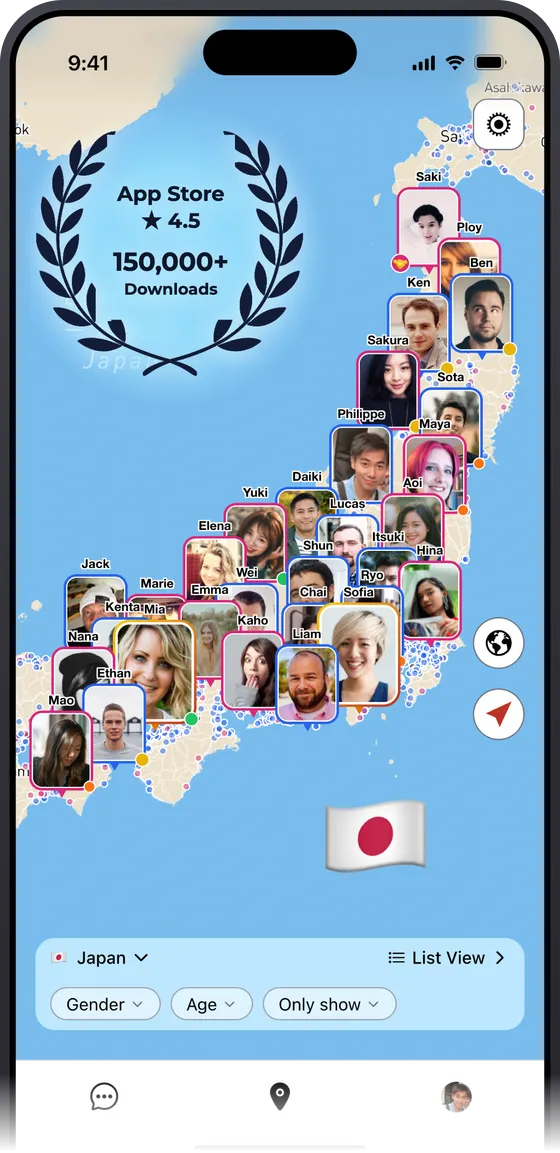
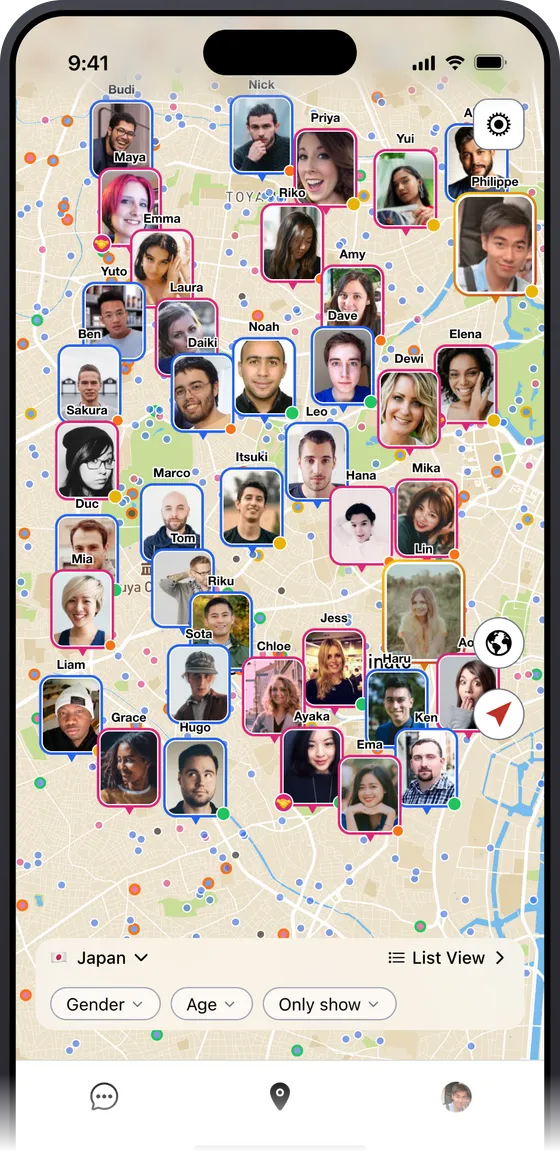
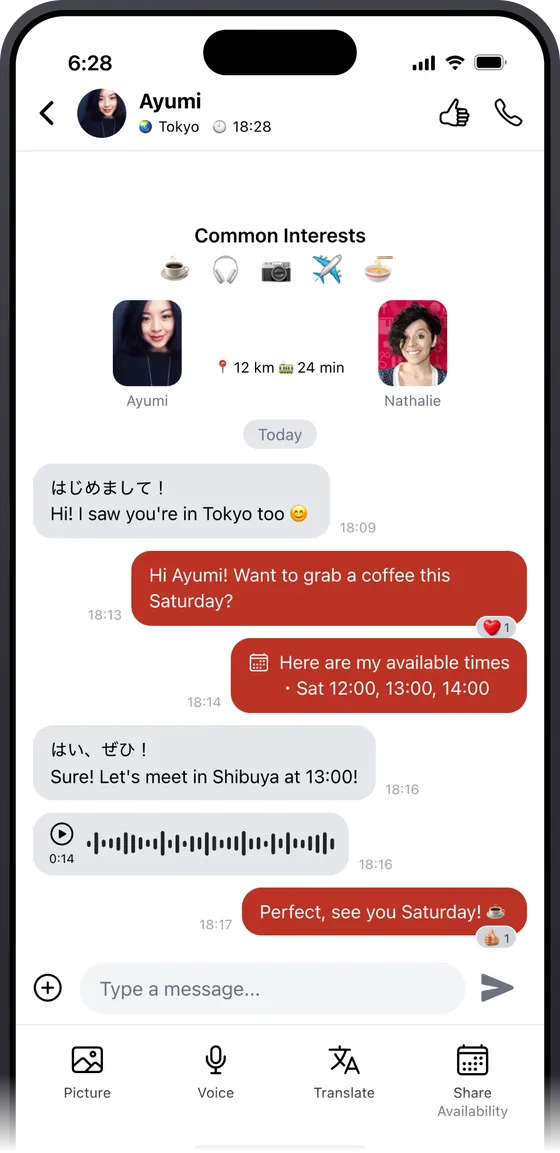


SewaYou is a map-based friendship app where you can find people nearby in Taipei or anywhere in the world. Because it's location-based, you can see who's in your neighborhood right now, which makes it way easier to turn a chat into an actual coffee meeting the same day. Whether you're new to Da'an and looking for someone to try a new ramen spot with, or you've just arrived in Gongguan and want to find other students, opening the map and seeing real people nearby beats scrolling through endless profiles.
Yes, it's one of the best in Asia. Taiwanese people are warm and curious about foreigners, English is widely spoken among the younger population, and the expat community is active. The main challenge is that friendships take time to deepen, and the foreigner scene can feel small once you've been here a few months. Balancing local and international friendships gives you the most stable social life.
You can absolutely build a social life in Taipei without Mandarin, especially in neighborhoods like Da'an, Zhongshan, and Xinyi where English is common. Focus on expat meetups, hiking groups, international churches, and hobby classes taught in English. That said, learning even a little Mandarin dramatically expands your options. Tandem partners through university language exchange programs can help you practice while making friends at the same time.
Take a class, become a regular at a local spot, or join a hobby group where you're the only foreigner. Language exchange partners often become real friends if you meet consistently. Taiwanese friendships tend to move slowly at first but become very loyal once formed. Showing genuine interest in the culture, food, and language accelerates everything. Avoid foreigner-heavy bars if this is your priority.
Yes. The app landscape has matured a lot, and there are now dedicated friendship apps that help you meet people nearby for coffee, hikes, or language exchange. Map-based apps work particularly well in Taipei because the city is dense and walkable, so seeing someone within a 15-minute radius means you can actually meet the same day. Combining an app with in-person activities like joining a hiking group or becoming a regular somewhere gives you the best results.
Making friends in Taipei comes down to three things: showing up consistently, being patient with how friendships develop here, and saying yes more than you say no. The city gives back what you put in. Whether you start with a hiking group, a pottery class, or a friendship app that shows you who's nearby, the path to a real social life in Taipei is genuinely achievable.
Give it six months of actual effort, and you'll wonder how you ever felt alone here. The city is waiting.


