

There's a Japanese phrase that hit me hard when I first heard it:
日本は住みやすいけど、生きづらい
Nihon wa sumiyasui kedo, ikizurai
"Japan is easy to live in, but hard to be alive in."
If you've spent any real time in Japan, you probably felt this before you had words for it.
Let's be honest — Japan makes daily life effortless.
Infrastructure that actually works:
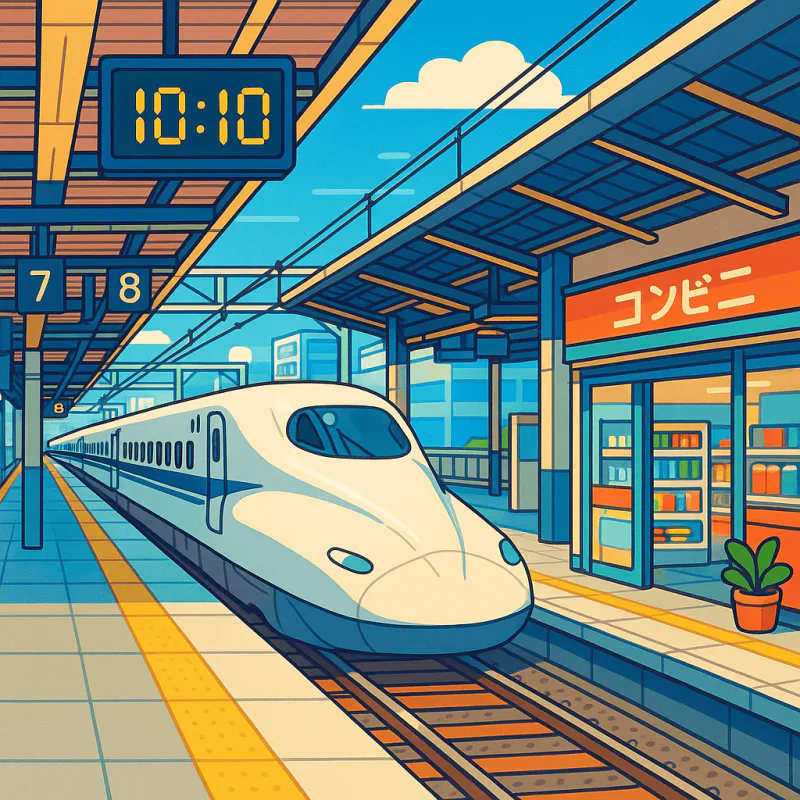
The small things add up:
Coming from most other countries, it feels like you've stepped into the future. Or at least into a society that figured out how to make daily life frictionless.
Here's where the phrase cuts deep.
Japan optimized for existing. For functioning. For being a well-oiled part of the machine.
But being alive — really alive — means expressing yourself, taking risks, standing out, making mistakes, being different.
And Japan... doesn't make that easy.

There's a famous Japanese proverb: 出る杭は打たれる (deru kui wa utareru) — "The nail that sticks out gets hammered down."
This isn't just a saying. It's the operating system.
For foreigners, we get some grace. We're gaijin, outsiders by default, so our mistakes are expected and often forgiven.
But for Japanese people? The pressure is relentless.
Japan has one of the highest suicide rates among developed nations. Karoshi (death from overwork) is so common it has its own word. Hikikomori — people who withdraw completely from society — number in the millions.
This isn't despite Japan's efficiency. It's partly because of it.
When the system demands perfection, and there's no acceptable way to be imperfect, people break.
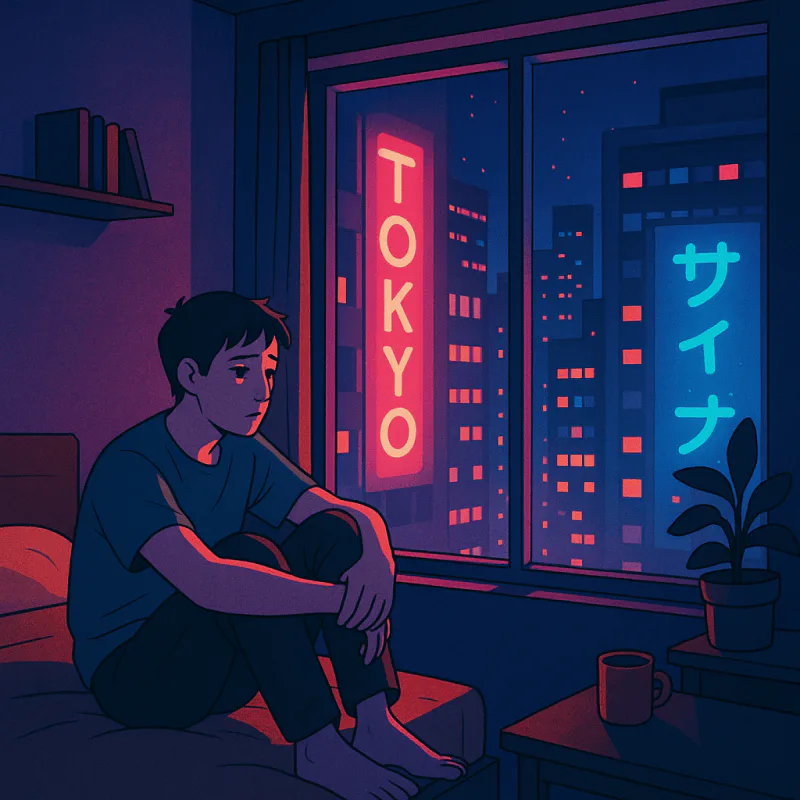
If you're living in Japan — or thinking about it — this phrase is worth sitting with.
The honeymoon phase is real. The first year or two, you're amazed by how smoothly everything runs. The convenience! The safety! The food!
Then the loneliness creeps in. Making deep friendships is hard. The language barrier is part of it, but even with fluent Japanese, the cultural barrier remains. Surface-level politeness is everywhere. Genuine connection is rare.
You might start feeling like a permanent outsider. No matter how long you stay, how well you speak Japanese, how much you adapt — there's often a glass ceiling to belonging.
This doesn't mean Japan is bad. It means Japan is complicated. And that's okay.
So how do you thrive here, not just survive?
1. Build your own community
The default Japanese social structure might not have space for you. So create your own.
Make Japanese Friends On a Live World Map
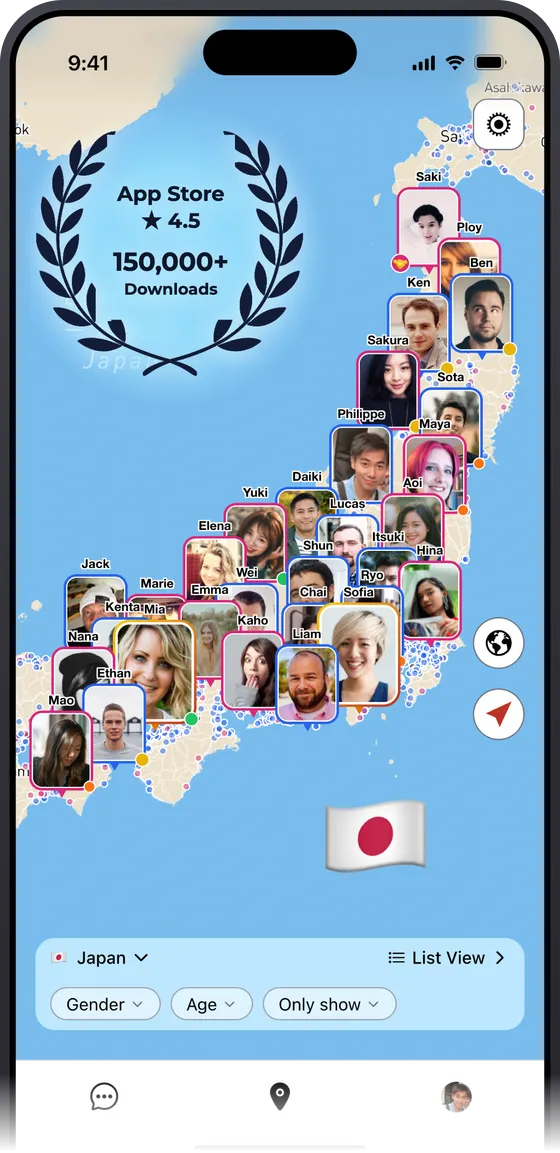
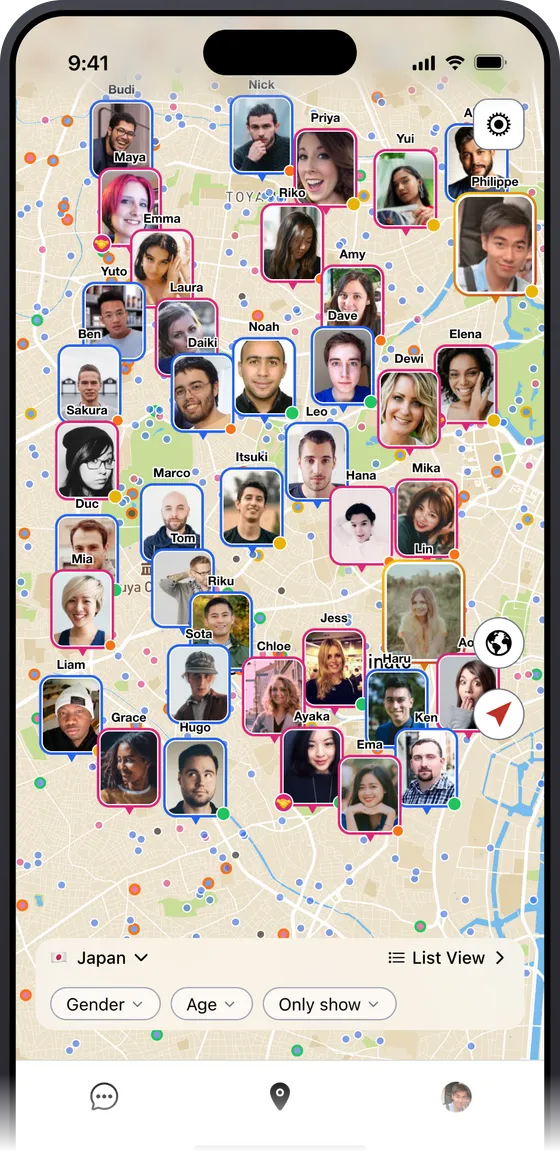
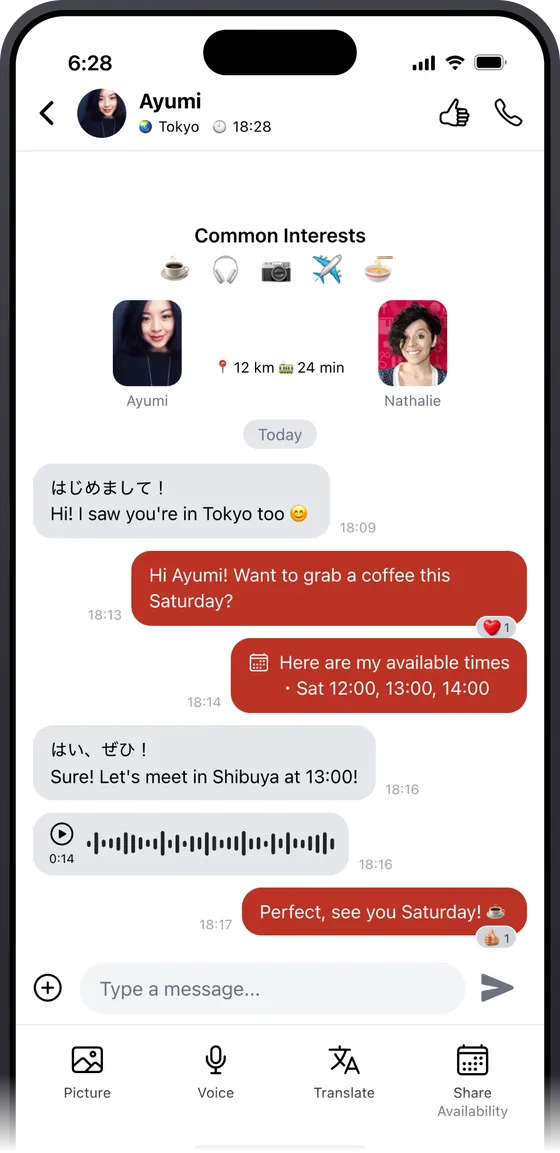


This is actually why I built SewaYou — to help people find genuine connections across cultures. Not just language exchange, but real friendships. People who get what it's like to be between worlds.
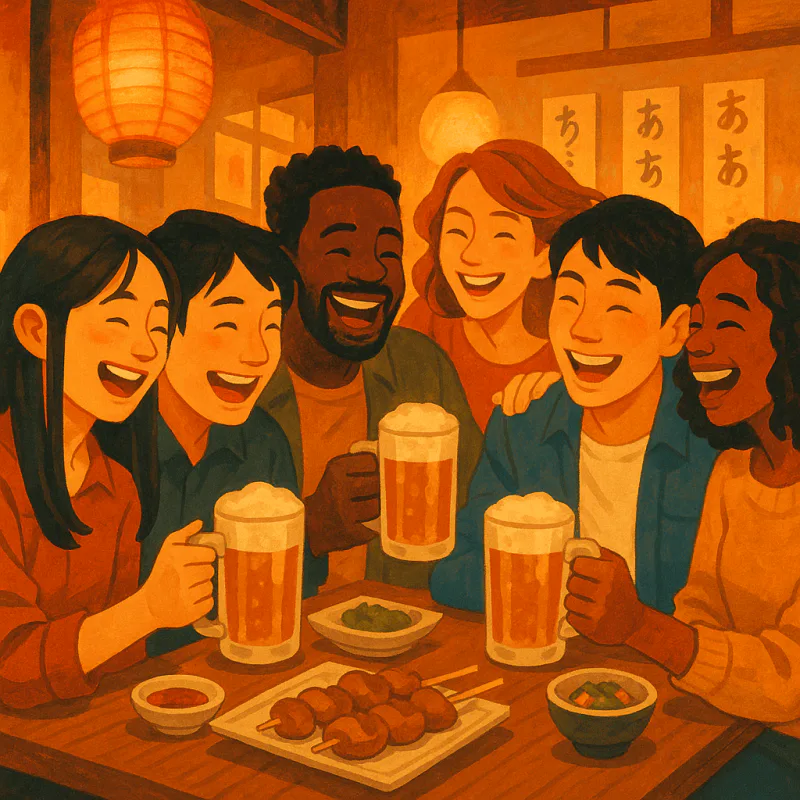
2. Give yourself permission to be different
You're already an outsider. Embrace it. The rules that crush Japanese salarymen don't apply to you in the same way.
Work for yourself if you can. Set boundaries. Leave at 6pm. Take actual vacations.
3. Find other people who get it
Other foreigners. Japanese people who've lived abroad. Third-culture kids. Artists. Entrepreneurs. Anyone who's stepped outside the standard path.
These people exist. They're just not the majority.
4. Remember why you came
Was it for the convenience? Or was it for something deeper — the culture, the language, the food, the aesthetic, the challenge?
Hold onto that. The inconvenient parts of Japan are often where the magic lives.
日本は住みやすいけど、生きづらい isn't telling you not to come to Japan. It's telling you to come with your eyes open.
Yes, the trains run on time. Yes, the convenience stores are miraculous. Yes, your packages will arrive exactly when promised.
But don't mistake smooth logistics for a smooth life.
The real work — building relationships, finding meaning, feeling alive — that's on you. Just like anywhere else. Maybe more so here.

Living in Japan and looking for real connections?
SewaYou is a map-based app that helps you find people nearby who want to connect across cultures. Not just language practice — actual friendships.
Because being alive in Japan is easier when you're not doing it alone.


