
Imagine trying to answer a friend's Saturday invitation when you still don't know whether work expects you to come in. Your schedule says you're off. The message from your manager makes it sound as though that depends on how much you finish first.
Even before you work an extra hour, the uncertainty has taken something from you: the ability to say yes.
If you're working in Japan, it's tempting to turn that confusion into a cultural question. Is everyone else used to this? Am I missing an unwritten rule? I'd start with a smaller, more useful question: what exactly is this employer asking me to do?
A deadline and an instruction to work on a scheduled day off are two different things to clarify. So are a colleague choosing to stay late and a manager expecting you to join them. Clarity before cultural guesswork is a better starting point than trying to decode an entire country.
You could ask: "I'm scheduled off this weekend. Are you asking me to work on either day, or asking us to agree on what can be completed during my scheduled hours?"
If the answer is that weekend work is expected, ask for the dates, hours, approval process, and how the time and pay will be handled. Ask which employment terms or workplace rules apply. These are practical questions about the request, not a declaration that you've already agreed to it.
"That's how we do things here" still leaves those questions unanswered. You need enough detail to understand the instruction and decide what advice or follow-up you need.

Pull together your employment contract, written working conditions, current schedule, and any relevant workplace rules. Check what each says about days off and additional work. If a clause is unclear, get help understanding it before treating either your first reading or a manager's summary as the final answer.
Keep a record of the actual request: when it happened, what was said, any written follow-up, and the hours you actually worked. Keep this factual and avoid copying confidential client material into a personal account.
After a verbal conversation, a short message can help: "My understanding is that you have requested work this Saturday from these hours. My contract lists Saturday as a day off. Please confirm the request and how it will be handled under my employment terms."
If the documents and instructions conflict, or you're being pressured to leave hours unrecorded, seek independent advice. Japan's Ministry of Health, Labour and Welfare lists an English-language Labour Standards Advice Hotline and consultation services for foreign workers. Check the official page for current availability and explain your own documents and circumstances.
There isn't enough information in a vague instruction to decide whether a particular weekend request is lawful. Equally, uncertainty is a reason to investigate, not a reason to assume you must silently accept it.

When a deadline keeps expanding, "I'll try harder" gives everyone very little to work with. A short list of tasks, estimated time, and dependencies makes the problem easier to discuss. Ask for priorities agreed during scheduled hours, before your day off becomes the unspoken backup plan.
Try a message like this, with your actual tasks filled in:
I can finish the client summaries during my scheduled hours. The remaining checks need additional time, and one item is waiting on approval. Which task should take priority, and what should be reassigned or moved?
If a busy period returns regularly, raise the capacity question before it arrives. Who covers the extra work? Which deadlines can move? When will everyone know whether a schedule change is being requested?
This isn't a magic script. A manager may still respond badly, and income or immigration concerns can make the conversation feel risky. Start with the information you can gather, and get advice about your options if a direct conversation feels unsafe.
The social cost of uncertain weekends can start with a perfectly reasonable reply: "Maybe. Let me see how work goes." Repeat that often enough and you can end up keeping your calendar empty without ever getting much rest.
Try to give friends a clear answer instead of endless maybe. If you're waiting for a work clarification, tell them when you'll follow up: "I need to check a schedule request. I'll let you know by Thursday evening. Please don't hold your whole Saturday for me."
Then actually follow up. If you can't make it, suggest another specific time when you can. That keeps the other person from having to guess whether you're overwhelmed, uninterested, or simply forgetting them.
You don't need an impressive event to justify wanting your time. A slow walk, a conversation with an online friend, or an afternoon alone can matter just as much as a booking you paid for. For more on rebuilding that space, our guide to protecting your free time in Japan offers ideas for rest, hobbies, and manageable invitations.

After you've asked for clarification, pay attention to what happens next. Do you get a definite schedule? Are priorities adjusted? Does the same last-minute pressure return at the next busy period?
You need time off you can plan around. Even a weekend you eventually get back can feel smaller if you spent the week unable to make plans for it.
Keep notes specific enough to discuss: which request arrived when, what answer you received, and whether the arrangement changed afterward. If nothing improves, those details can help an adviser understand the situation and help you weigh your next steps.
Friends can listen while you figure this out. They don't have to interpret employment rules, and making more friends won't repair a workload problem. You deserve both useful advice about work and people you can talk to about something else.
When most of your conversations happen at the office, it's easy for its priorities to fill your whole day. Start with one connection outside your work circle, whether that's someone around the corner or a friend in another country.
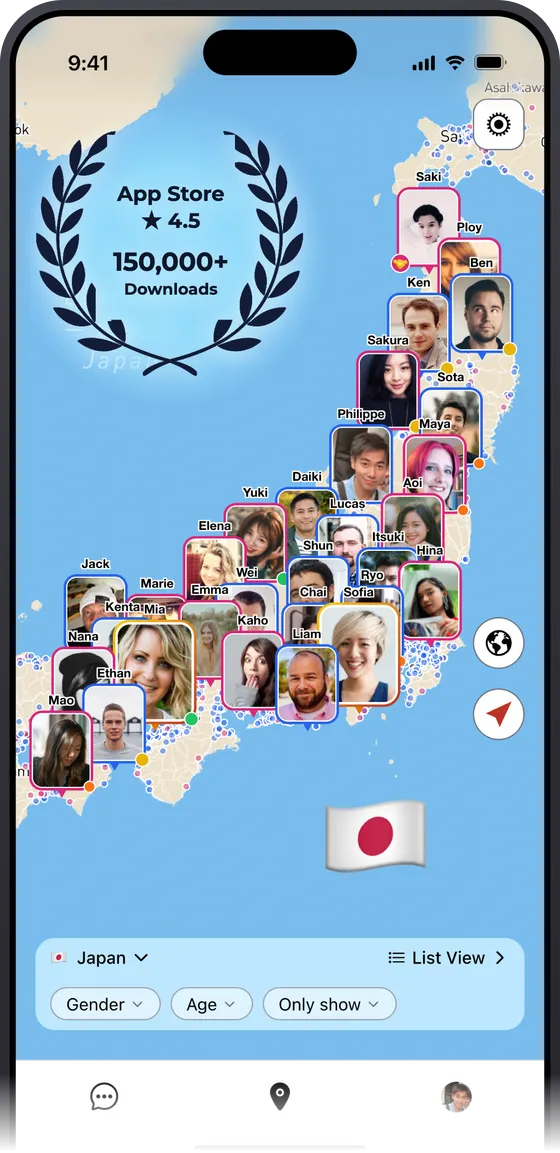
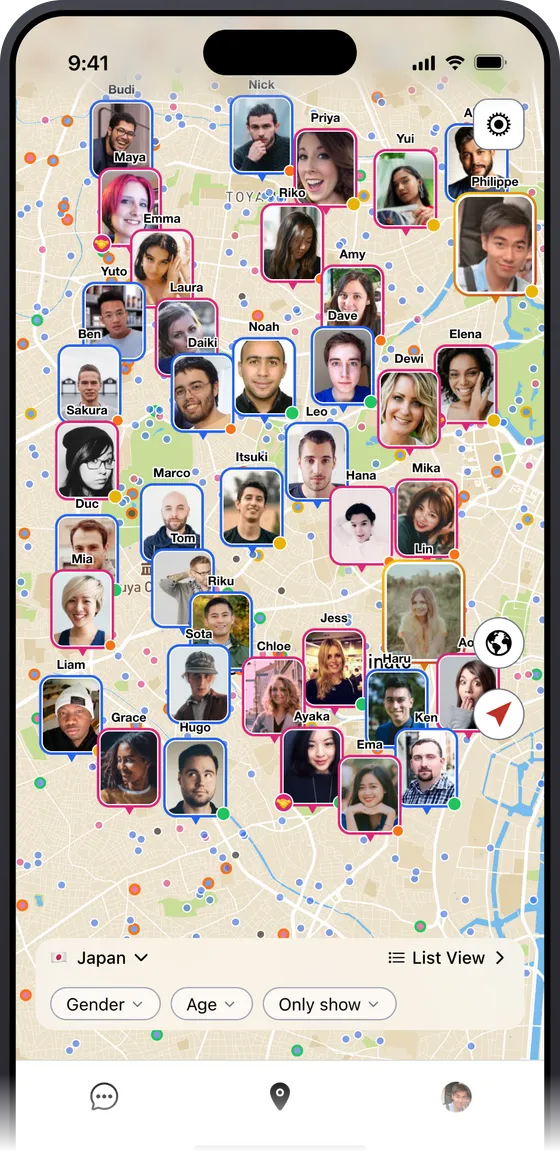
SewaYou is a map-based friendship app for discovering people nearby and anywhere in the world. You can explore another city or country from home, build online friendships without travel plans, connect before a trip, and meet in person when you're nearby.
Make Japanese Friends On a Live World Map
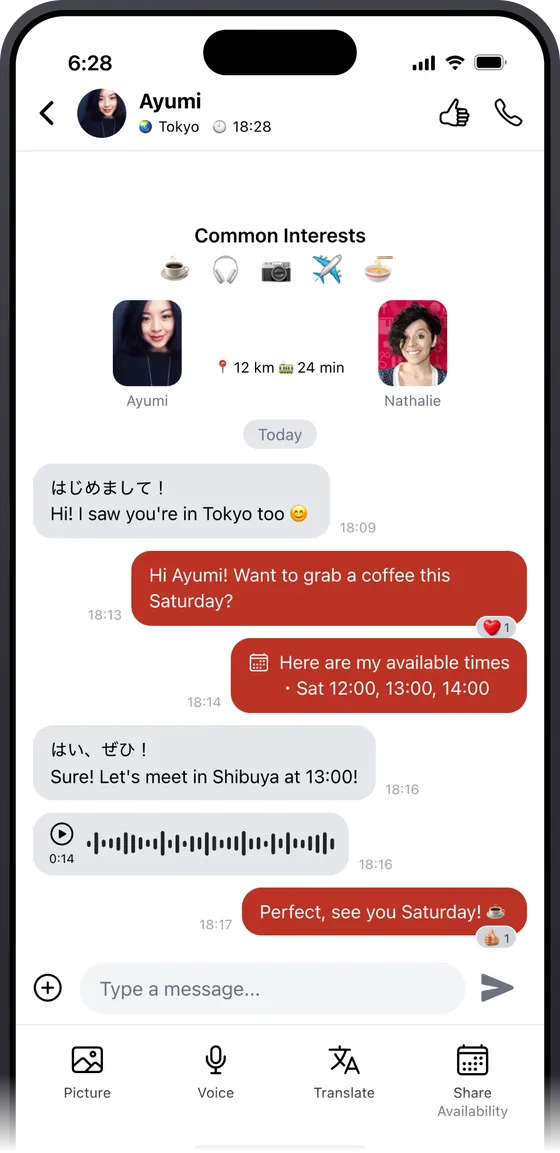


Start a conversation about a shared interest, and be honest about the time you have. A friendship can begin with a few messages; it doesn't need you to promise an entire weekend before you've even said hello.
Download SewaYou to meet people nearby or anywhere in the world, and give your next conversation a subject beyond the unfinished work.