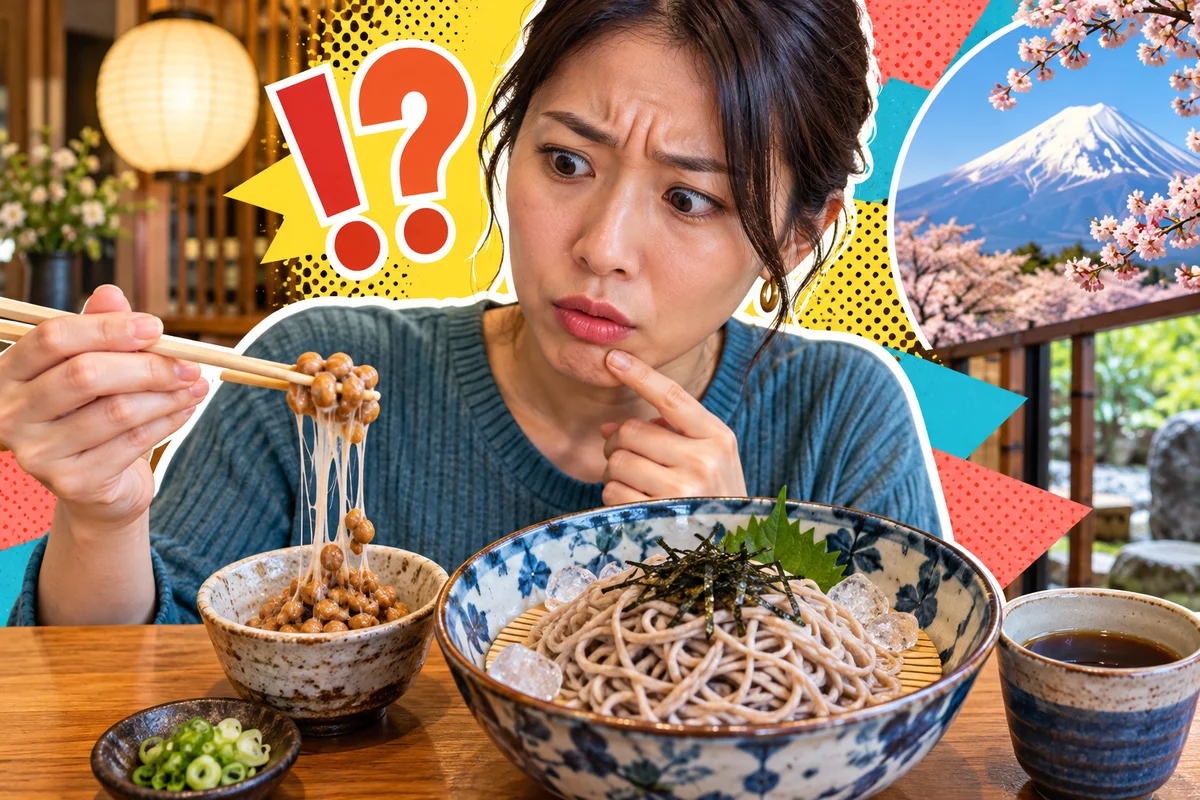
Imagine picking up a snack because the color looks right. You recognize the shape, the shelf, maybe the picture on the front. You have a pretty clear idea of what you are about to eat, even though you have not read its name.
Then the first bite disagrees.
An unexpected flavor can be funny. The uncomfortable part is realizing how much confidence came from the packaging. If you can already chat in Japanese, that little gap can feel especially annoying: how can a wrapper still trip you up?
I'd start with a smaller question. Which part of the label would have changed your choice? That gives you something useful to learn, without turning one mistaken purchase into a verdict on your Japanese.
There is nothing strange about using visual clues. You probably do it in your first language too. A familiar carton or the usual shelf position can save you from reading every word on every shopping trip.
The catch is confidence borrowed from the packaging. If the package changes, or a similar-looking product appears beside it, you may discover that you never actually learned the name you were relying on.
Try a quick check next time you buy a familiar snack. Before opening a translation app, find the part of the label that tells you what it is. Can you read it, or are you filling in the answer from the picture?
Both answers are useful. One tells you what you know; the other gives you a small, specific place to begin.
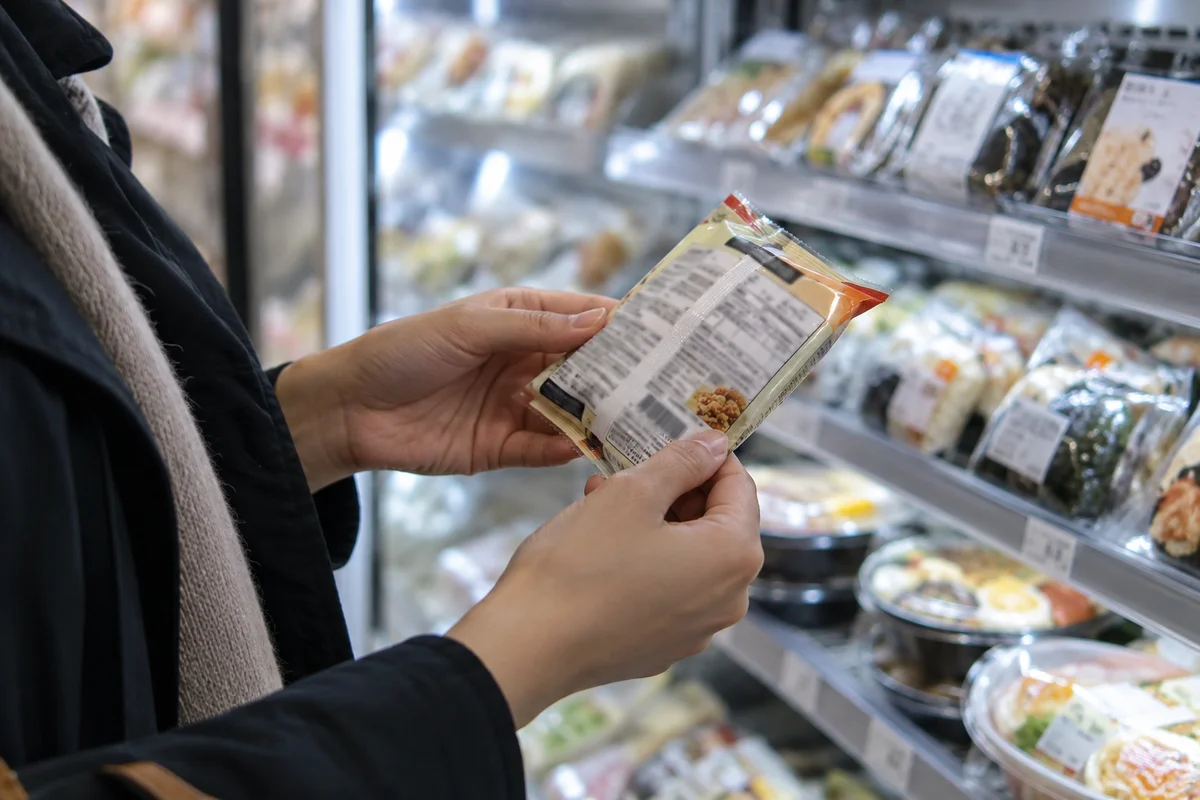
A crowded label can make a simple purchase feel like homework. Product names, promotional copy, ingredients, and storage instructions all compete for your attention. You do not have to use the entire package as today's reading exercise.
For practice, choose one question the label can answer. What flavor is this? Is this the product itself or a refill? What does the storage instruction say?
That gives your reading a finish line. Find the relevant wording, work out what you can, then check the meaning. If hiragana and katakana are still unfamiliar, keep learning them alongside this exercise and start with a short product name. Sounding out a word and understanding it are separate steps, so check both.
Keep the stakes sensible. An unexpected flavor is one thing; an allergy, medicine instruction, or important deadline needs a reliable answer. For anything that affects your health or safety, get appropriate help and resolve the uncertainty before acting. A partial reading or camera translation is not enough to establish that a food is safe for you.
It is easy to turn a small mistake into a much bigger sentence: "I've lived here this long and still can't read anything." That sentence is hard to do anything with. "I couldn't identify the flavor on this packet" is a problem you can actually work on.
My suggestion is to save the word with its context. Keep the clean wrapper or take a photo at home. Record the short expression you missed, how it is read, and what it means on this particular product.
Try this small routine:
You can fit this around a textbook or flashcard routine. The useful addition is a connection to something you actually wanted to understand. There is no need to collect every unknown word on the packet.
If you are tired, one label is enough. You are allowed to finish learning something without immediately assigning yourself ten more things.

"What does this say?" can get you a useful translation. A slightly different question can show you how to find the answer yourself next time: "Which part tells you the flavor?" Or, "Could you read this bit aloud so I can match the sound to the writing?"
Ask for the clue behind the answer. If someone is happy to explain, point to one short phrase instead of handing over a whole wall of text. You are giving them a clear question, with an easy place to stop.
This can also make a relaxed language exchange topic. Suggest bringing one confusing everyday label each, including something in your own language that your partner wants help with. Take turns explaining what you noticed and what you assumed.
A friend may be busy, unsure, or simply uninterested in analyzing a wrapper. Ask whether they feel like helping, and let the conversation move on. Friendship has room for language practice without every chat becoming a lesson.

You can have a good conversation and still struggle with a cramped label. You can also read a product name correctly and have no idea what that ingredient tastes like. Those are different gaps, and it helps to name the one you actually have.
Look for one less guess next time. Perhaps you can find the flavor name before checking the picture. Perhaps you notice an instruction you used to skip, or can ask a more precise question when something is unclear.
For a simple experiment this week, choose a snack label, a drink label, and a storage instruction from products at home. Work through them at your own pace. At the end, revisit the originals and see what you can identify without help.
You do not need an embarrassing story to make the practice count. Quietly understanding something that used to confuse you is a perfectly good result.
An everyday language puzzle gives you something concrete to talk about. You can compare favorite snacks, explain an unfamiliar ingredient, or swap photos of packaging that confused you. It works with someone down the road or a friend in another country.
SewaYou is a map-based friendship app for discovering people nearby and anywhere in the world. You can explore another city or country from home, build online friendships without travel plans, connect before a trip, and meet in person when you are nearby.
Make Japanese Friends On a Live World Map
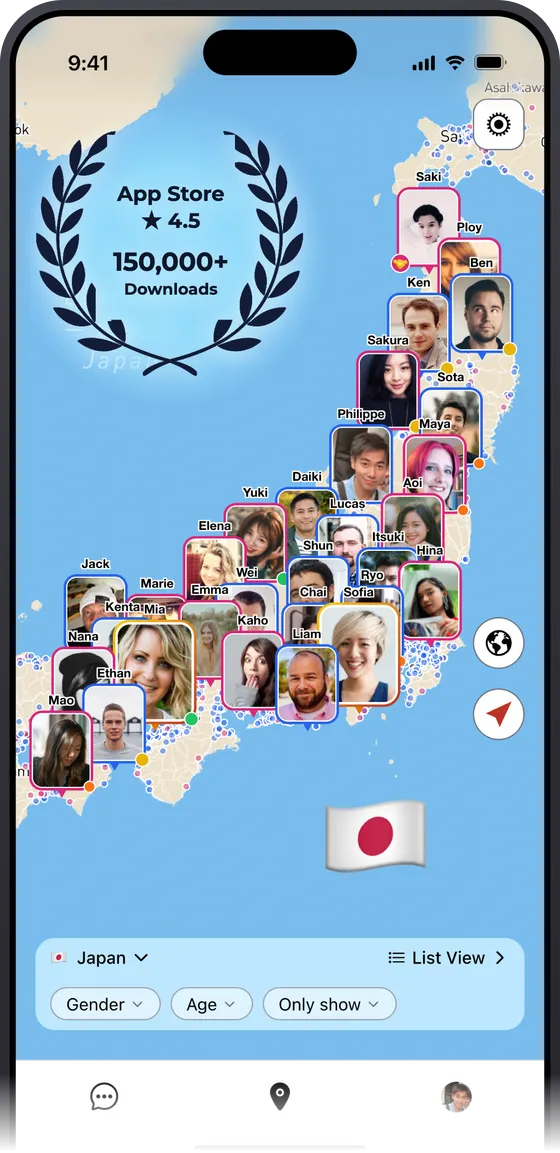
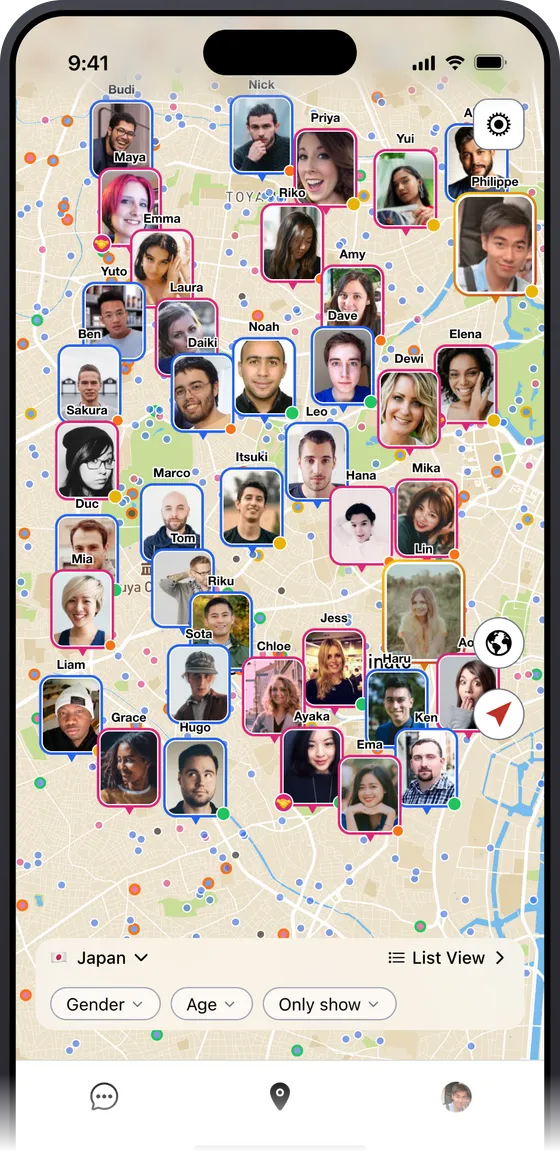
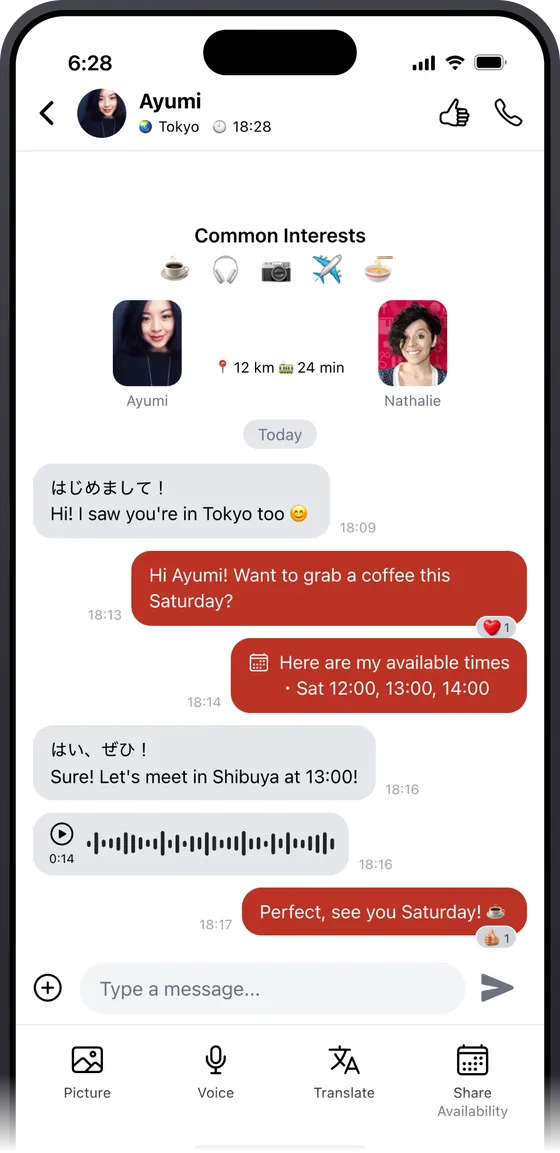


Start with a small question worth sharing. Mention that you are learning to read everyday Japanese, ask about a snack someone likes, and leave room to hear what they are curious about too. The wrapper can start the conversation; it does not have to be the whole conversation.
Download SewaYou to meet people nearby or anywhere in the world, and find someone to share your next small language discovery with.