
You can like your job, respect your colleagues, and still feel uneasy when nobody seems excited to go home. Perhaps a senior coworker treats another weekend at the office as something to look forward to. You start wondering whether wanting a Saturday to yourself makes you less committed.
I'd question that conclusion before questioning your ambition. Enjoying the work and wanting a life around it are perfectly compatible. The difficult part is keeping that distinction when the people setting the tone seem happy for work to fill every available space.
Someone can take real satisfaction in work. They might also have a rich private life you know nothing about, or feel pressure they cover with a joke. You cannot work out their whole relationship with the job from how they talk in the office.
You also do not need to prove that their priorities are wrong before keeping your own. Their preference is not your obligation. Admiring someone's skill does not require copying their calendar.
Keep the question specific to your workplace. What hours does your role actually require? What happens when someone takes leave or finishes at the agreed time? Those answers tell you more than a sweeping verdict about what people in Japan value.

There is a difference between hearing that a colleague likes working weekends and being assigned weekend work yourself. If you are unsure which situation you are in, ask about the actual expectation. Guessing can turn someone else's habit into a rule you silently follow.
A concrete question gives your manager something concrete to answer: "Does this need to be finished before Monday? If so, which weekday task should move?" If weekend work is requested, ask how the time should be recorded and handled under your employment arrangements.
Pressure to work without recording the hours deserves more than advice about feeling less guilty. Keep an accurate personal record of your hours and relevant instructions, without copying confidential company material. Seek advice from a qualified local labor adviser about your situation if the answers are unclear or the pressure continues.
Not everyone has the same freedom to push back. Money, immigration concerns, and a manager's response can affect your options. Take those constraints seriously; having difficulty setting a boundary is not a character flaw.
When work has been taking up most of your attention, a free evening can feel strangely blank. That does not mean you secretly prefer the office. You may simply need time to remember what you want to do when nobody is assigning the task.
Start with one small plan worth keeping. Sketch for twenty minutes, cook something that takes a little care, read a chapter, or take a walk without trying to improve your step count. Pick something you would enjoy even if you never became good at it.
You do not need to turn this into another schedule you can fail. If the only thing you want this week is a quiet dinner and an early night, that counts. Your free time does not have to produce an impressive answer when someone asks what you did.

If you are tired after work, "go out more" can sound like an extra assignment. Try an invitation with an easy ending. A short plan is easier to consider than an entire evening with no clear finish.
For example: "Want to grab a coffee on Saturday morning? I have about half an hour." Or, for an online friend: "I'm low on energy this week, but I'd like a quick catch-up on Sunday. Does that work for you?"
These are invitations, not attendance requirements. Leave room for the other person to decline, and offer another specific time when you need to reschedule. The point is to make staying in touch possible on an ordinary week.
You do not have to make every conversation about work, either. Ask what someone has been cooking, watching, or trying to learn. It can be a relief to have a conversation where your job title explains almost nothing about you.

A plan outside work can help you notice what is happening to your time. If you keep canceling things you wanted to do, ask why. Was this an unusual deadline, a schedule you chose, or an expectation that now seems to apply every week?
Look for a pattern you can name. "I canceled my last three Sunday plans because new work arrived on Saturday" is more useful for a conversation than "I need better balance." It gives you something specific to discuss and a way to tell whether anything changes.
Friendship cannot repair an unreasonable workload, and a hobby cannot resolve an employment dispute. You may need a conversation about priorities, independent advice, or time to consider a different role. You can love parts of a job while deciding that its current demands do not fit the life you want.
If your social circle mostly comes from work, it makes sense to want another place to start. Think one conversation beyond the office. You can be curious about another person without immediately planning a big night out.
SewaYou is a map-based friendship app for discovering people nearby and anywhere in the world. You can explore another city or country from home, build online friendships without travel plans, connect before a trip, and meet in person when you are nearby.
Make Japanese Friends On a Live World Map
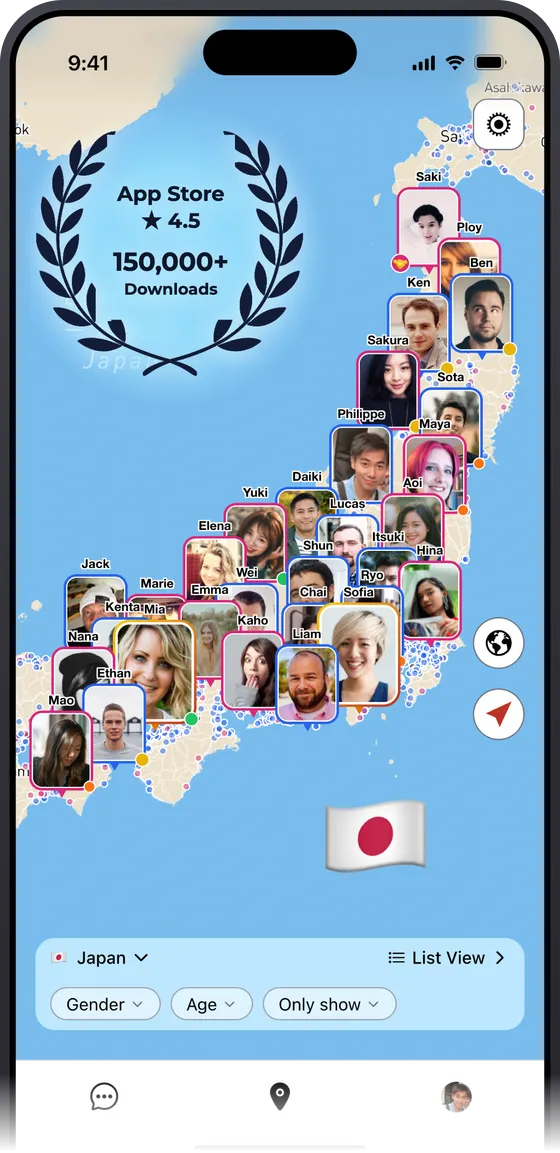
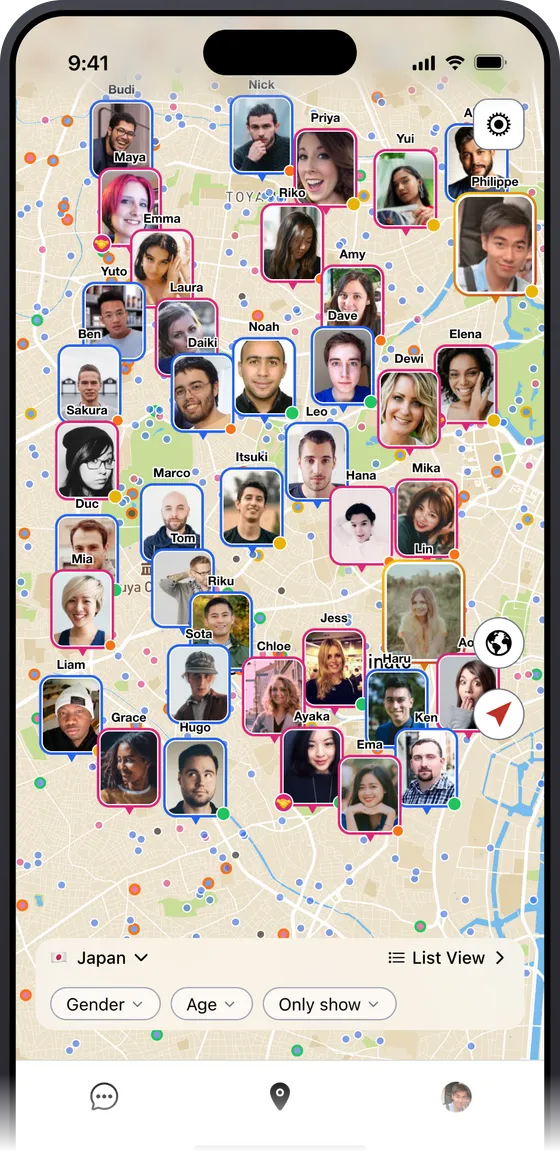
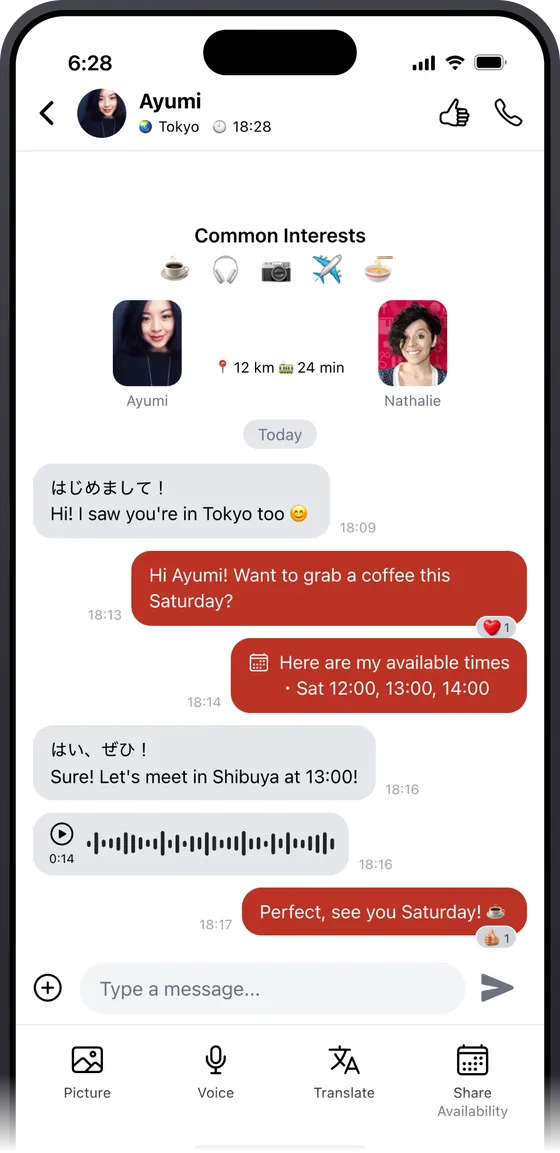


Try starting with something you want more room for in your life: books, cooking, a language, or a slow weekend walk. A friend across the world and someone around the corner can both be part of a life you care about outside work.
Download SewaYou to meet people nearby or anywhere in the world, and start a conversation about something you enjoy beyond your job.