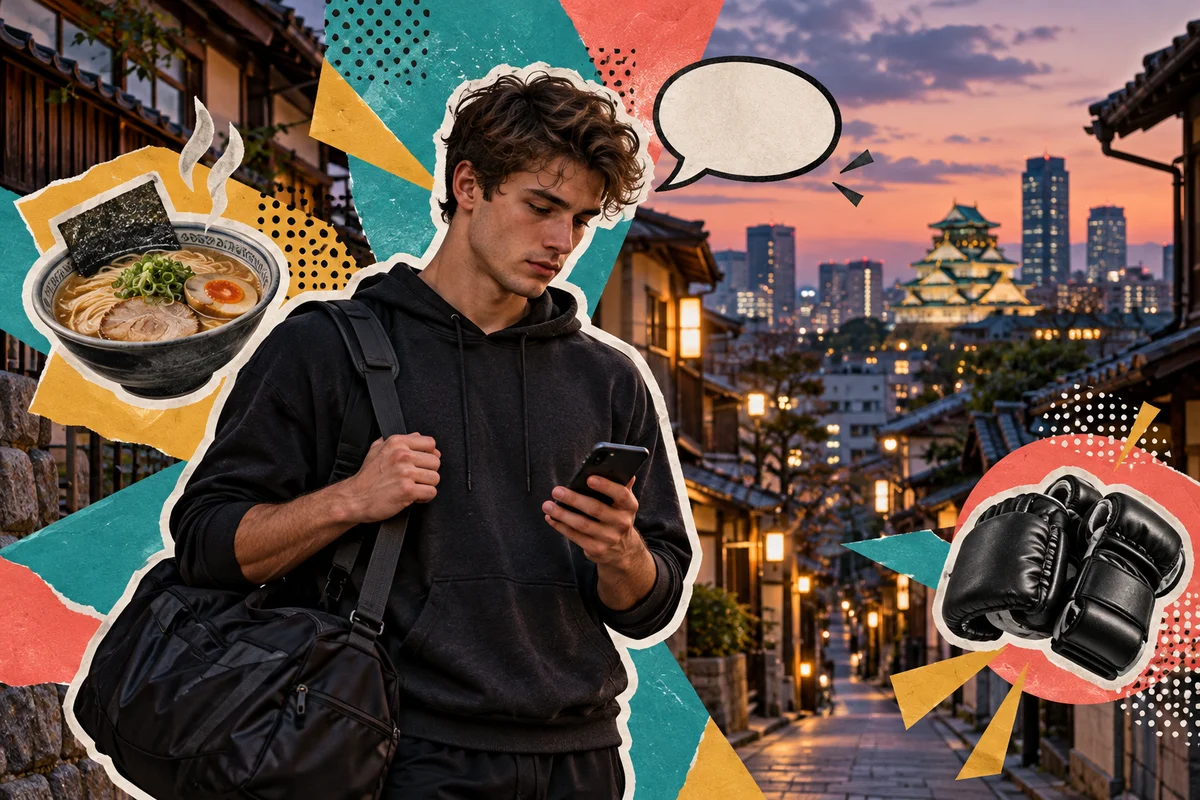
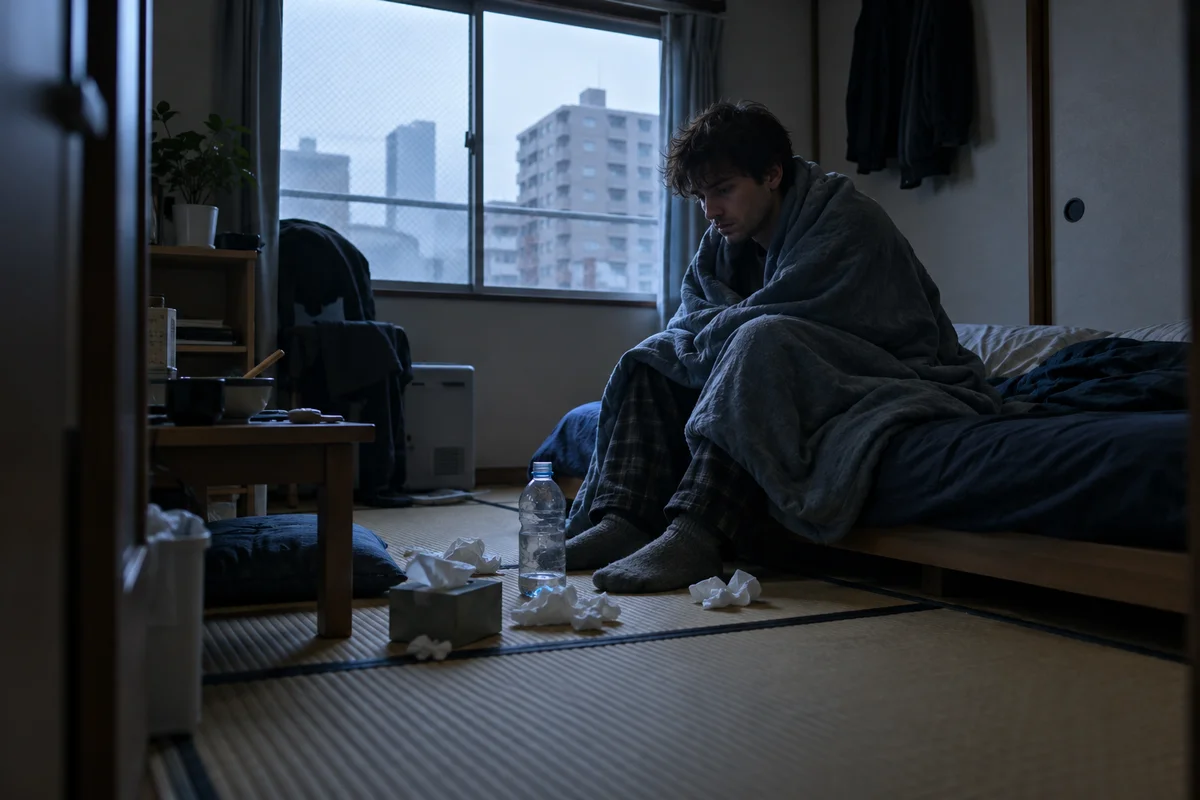
There is a specific kind of loneliness that shows up when you get sick abroad.
You spend a few days in bed with a fever. You eat whatever is in the fridge. And at some point you realize you have not spoken a single word out loud since the weekend. Your phone works fine. There is just nobody on it you would message to say, "I feel awful, can you grab me a sports drink?"
If you have been in Japan for a few years and that moment hit you hard, I want to suggest a different way to read it. You probably do not have zero friends. You have friendships that stopped halfway.
You invite a coworker from your part-time job out for food. They say "ah, maybe next time," or "that sounds fun, let me check." Then nothing. You try again a few weeks later. Same thing.
It is easy to hear that as rejection, and sometimes it is. But in my experience it is often something softer: the invitation was too open, too sudden, or too one-on-one for a relationship that only existed inside the shift. "Want to hang out sometime?" asks someone to jump from coworker to friend in one step, and a lot of people in Japan will politely sidestep that jump rather than refuse it to your face.
That does not mean you were wrong to ask. It means the ask was shaped for a friendship that was further along than the one you actually had. I wrote more about this pattern in why coworkers in Japan often stay coworkers.
Language school has a hidden advantage. Everyone is new, everyone is foreign, and everyone is a little lost. You have a shared problem, and shared problems make fast friends.
University flips that. Many of your classmates arrived with friends from high school, from the same region, or from club activities that started on day one. You are not joining a room full of strangers. You are joining a room full of groups that already formed.
The side eyes and short answers can feel personal. Often they are closer to "I do not know how to include you" than "I do not want to." That is still lonely. But it changes the fix. You do not need to be more charming. You need a reason to be there, repeatedly.
Here is the part I think people underrate. If there is one place where you feel at home, a gym, a dojo, a futsal group, a band practice, that is not a consolation prize. That is the strongest friendship soil you have.
You see the same people every week. You suffer together. You have inside jokes about the warmup. That is exactly how close friendships form everywhere, just slower than you might expect if you grew up with a "let's grab beers tonight" culture.
So when those training partners feel "shallow by Western standards," try a different word: early. The bond is real. It just has never been tested outside the building.
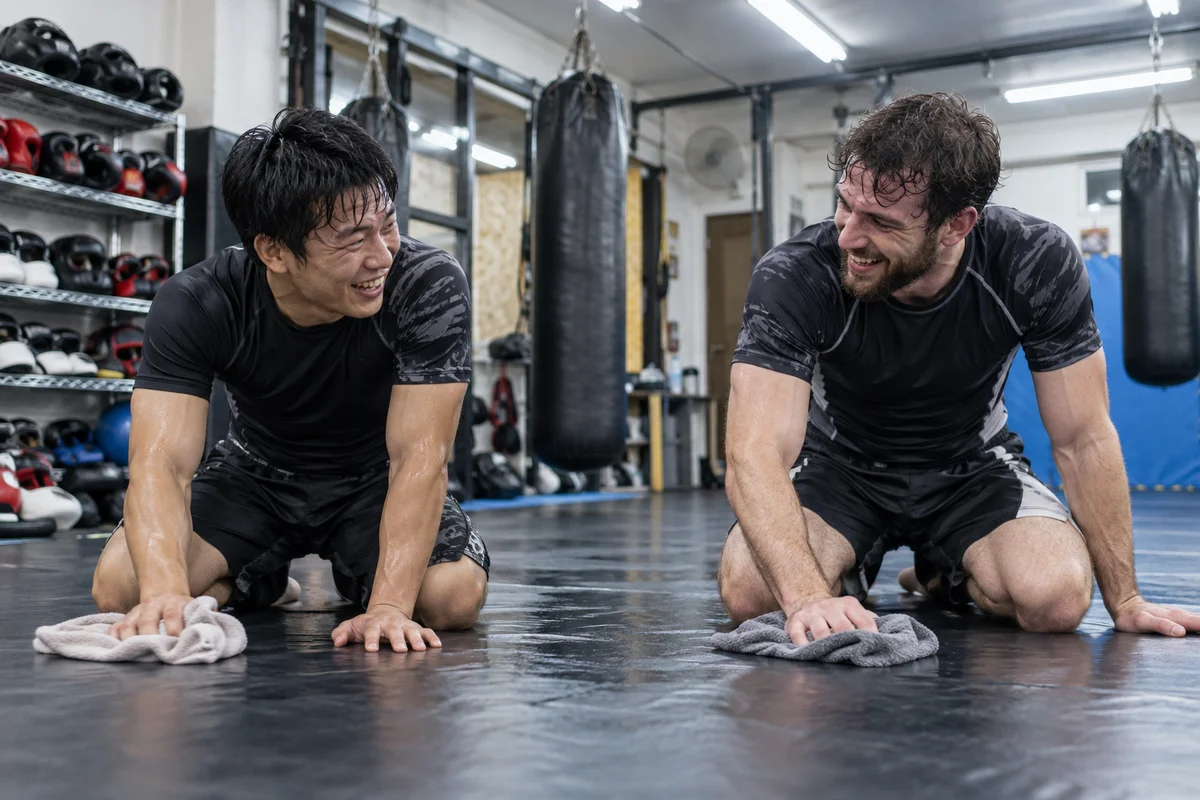
The trick is not one big invitation. It is a lot of small ones that sit right next to the routine you already share.
None of this is guaranteed. But the third invitation matters more than the first. Most people who say yes eventually are the ones who heard a relaxed, specific offer more than once.
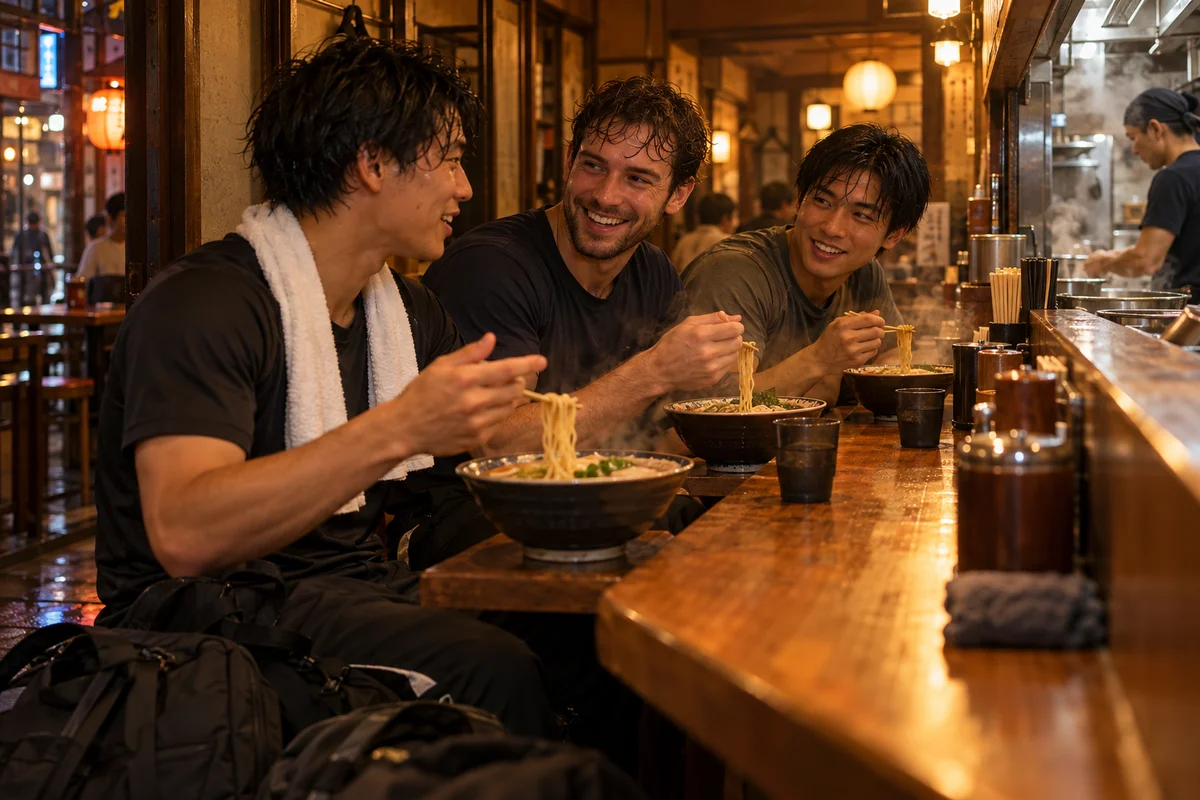
After a week like that, it is worth asking a very practical question: who are three people I could message if I were stuck at home?
They do not need to be best friends. One could be a training partner you grabbed food with twice. One could be a friend in another city you talk to online. One could be a classmate who also seems a bit outside the main groups. The goal is not a big circle. Three names is enough to start.
Friendships also do not have to live only in your city. Someone in Tokyo, Seoul or back home who you chat with every few days counts. When you are stuck in bed, a person who replies matters more than a person who is close by. If being unwell is what made the gap visible, our piece on keeping friendships going when you are sick in Japan goes deeper on that.
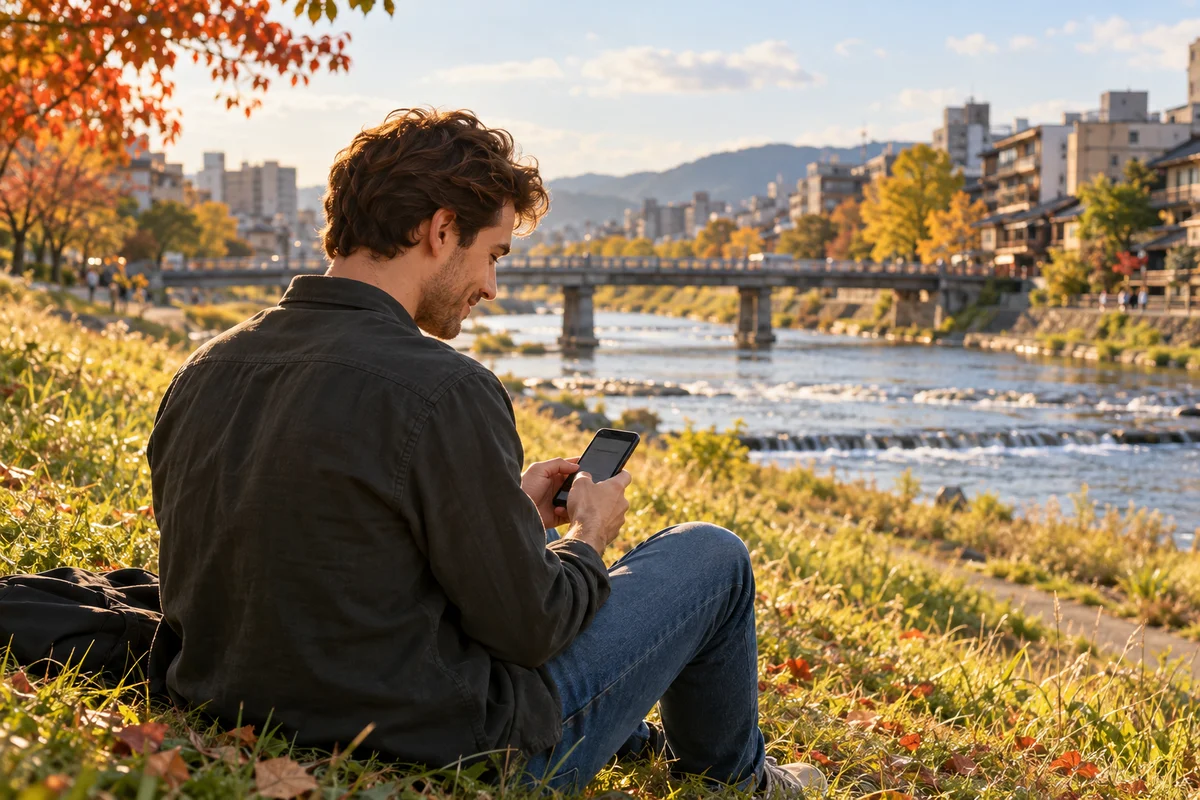
Going back is a valid choice. Nobody owes a country their twenties. But it is worth making that decision after you have tried a few months of finishing the friendships you started, not right after the loneliest week of the year.
A useful test: give yourself one semester. Keep the gym. Add one more recurring thing, a circle, a language exchange, a volunteer group. Make small specific invitations. Then decide with a clearer head. Decide from a normal week, not a fever week.
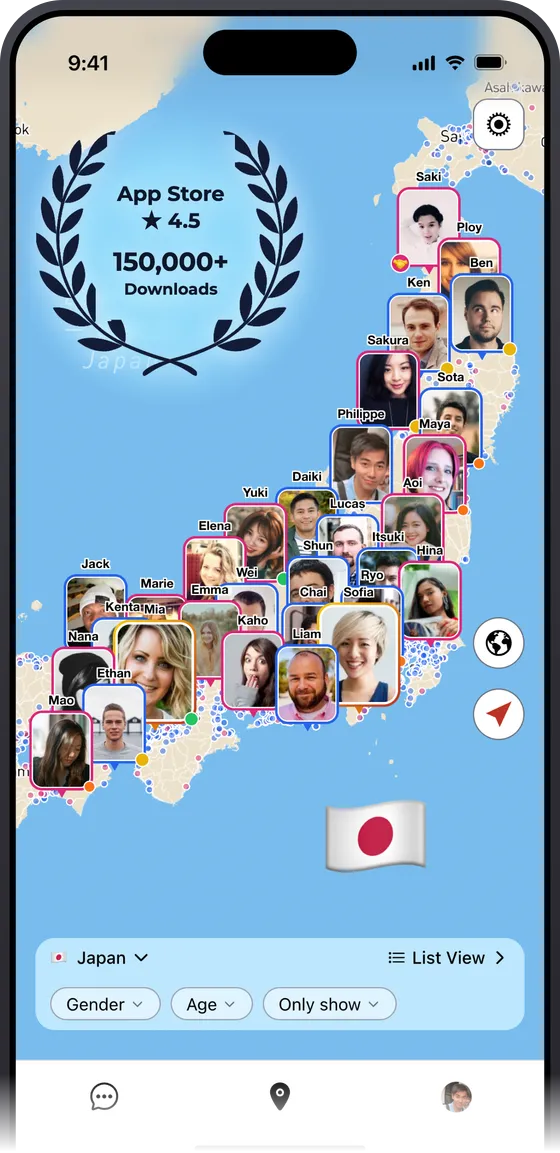
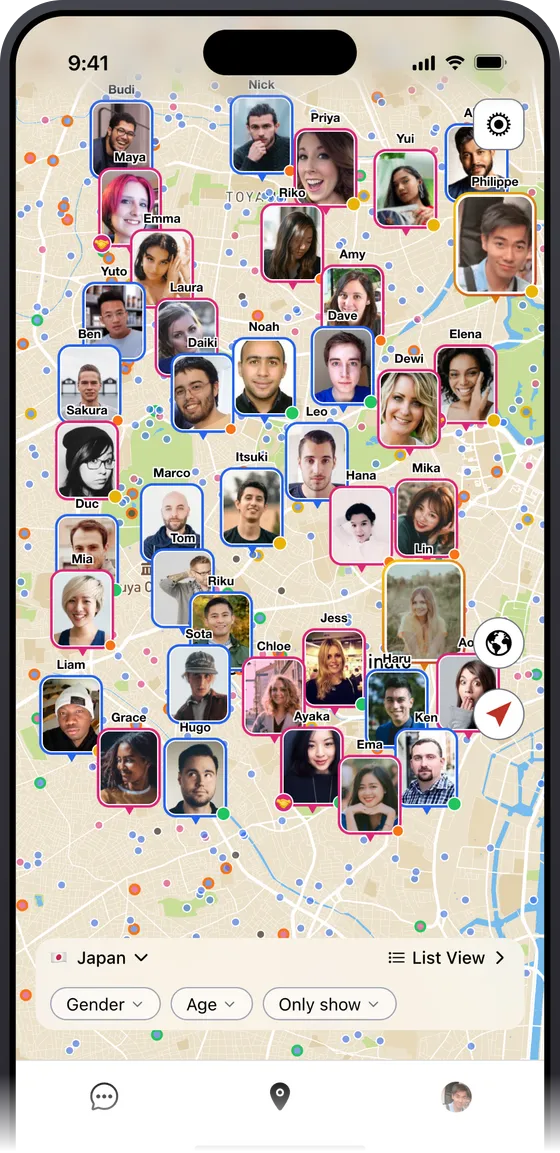
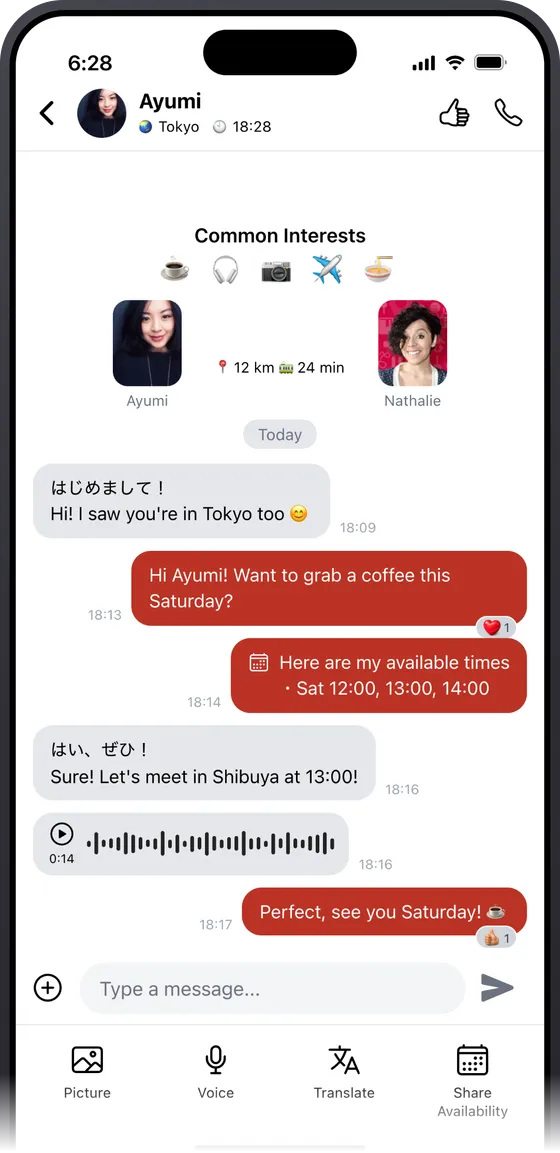
That is also why we built SewaYou, a map-based friendship app for meeting people nearby and anywhere in the world. You can look for people around Osaka, Kyoto or Kobe who share your hobbies, find training partners or language exchange friends, or explore another city or country from home and build online friendships before you ever meet. When someone is close, meeting in person is a short step.
Make Japanese Friends On a Live World Map


If you are in Kansai, our guide to making friends in Osaka has more local ideas. And if you are on the edge of leaving, try one more small invitation this week. It might be the one that sticks.
Find people who could become your sick-day list on SewaYou, the map-based app for making friends nearby and around the world.