
If your friendships mostly happen at the gym, over dinner, or on weekend trips, what happens when leaving home becomes difficult?
An illness or injury can interrupt more than your routine. It can take away the places where conversation happened without much planning. Abroad, with family far away and everyday tasks already taking effort, that gap can feel especially sharp.
You might have lived in Japan for years. You might know your neighborhood, speak Japanese comfortably, and have people you like. None of that makes you immune to needing help when your circumstances change.
The question I'd start with is simple: can your friendships make room for the life you have today? You shouldn't have to be ready for a night out before you're allowed some company.
When you're used to being independent, asking for help can feel like admitting you've lost something bigger than your health. Maybe you were the person who organized the hike, found the restaurant, or always said yes. Now even a short outing takes thought.
It makes sense to miss that version of your day. But belonging without performing independence is a reasonable thing to want from friendship. You still have opinions, interests, a sense of humor, and a life worth hearing about.
You don't have to turn every conversation into a recovery update, either. Try: "I'm having a difficult week physically, but I'd really like to hear about your new job." Or: "Can we talk about something ordinary for a bit?"
You also don't owe anyone a cheerful version of how you're doing. A friend can hear that things are hard without requiring you to end the conversation with a lesson about gratitude.

"Let me know if you need anything" is kind, but it leaves you with the work of figuring out what to request. If you're tired or worried about being a burden, you may never send that follow-up message.
Try one request with clear edges. Give the person a task, a rough time, and room to say what they can manage. You aren't asking them to understand every part of your condition before they can help.
These are examples you can adapt:
If someone can't help that day, it doesn't settle whether they care about you. Ask whether another time works, or try another trusted person. When energy allows, having more than one person you can ask gives you more options.
For friends offering help, make the offer specific too. "I'm shopping tomorrow. Would you like me to bring anything?" is easier to answer than a promise to be available for everything.
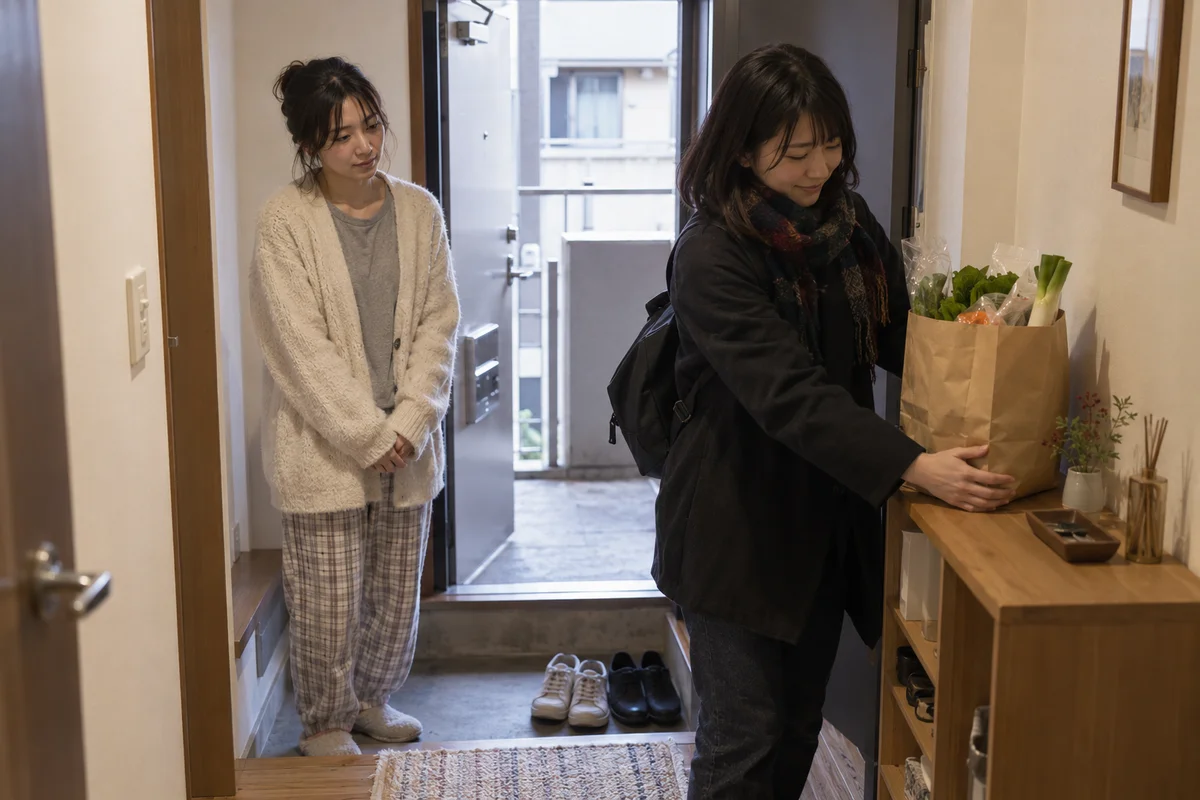
An invitation can be welcome and still be impossible. A busy restaurant, a long train ride, or an evening without a clear finish may ask more than you can give right now.
Look for company that fits your energy. That might mean exchanging messages over a few days, watching the same episode separately and discussing it later, or having a brief call from wherever you're comfortable. Ask which format works for both of you.
A useful message could be: "I want to keep in touch, but my energy is unpredictable. Could we plan a short call and leave room to change it on the day?"
Agree on what a change looks like. "Let's confirm that afternoon" gives you both something to work with. A difficult day can mean postponing the conversation without turning it into a long apology.
This applies to friends overseas too. You don't need travel plans to share an ordinary part of your week. A conversation from home is already a way of spending time together.

Friends can keep you company, bring food, or help you prepare for an appointment. Questions about symptoms, treatment, and what activity is appropriate belong with a qualified clinician who can assess your situation.
You deserve care beyond friendly advice. If daily tasks have become difficult, tell your clinician what that means in concrete terms: getting dressed, preparing food, sleeping, or leaving home. Ask about the next step and what support may be available, rather than trying to solve everything through a group chat.
If language makes appointments harder, ask the clinic about language support before your visit. A trusted friend might help you organize your questions, but check what help the clinic can provide for discussing medical details.
Emotional distress deserves attention too. You can tell a healthcare professional that pain or isolation is affecting your mood, even if the appointment began with a physical problem. You don't have to make the situation sound easier than it is.
If you might hurt yourself or cannot stay safe, seek immediate help. In Japan, call 119 for an ambulance; the Japan National Tourism Organization lists emergency contacts here. Tell someone you trust what is happening and ask them to stay with you while you get help. A reply on a friendship app is not emergency support.
Receiving help can bring its own awkwardness. You may feel you should repay every errand immediately, or avoid mentioning a difficult day because you've already talked about it once.
Aim for care without a running debt. Thank people for specific things they do, and be honest about what you can offer right now. You can care about a friend's worries, remember something important to them, or share something you think they'd enjoy without matching every favor.
Your friend can have limits too. If they can't take calls during work, agree on another time. If either of you needs a lighter conversation, say so. Clear expectations make it easier to stay in contact without guessing what the other person can handle.
Friendship can include difficult conversations and ordinary ones. Sometimes the helpful thing is hearing what happened at someone's office, debating a film, or having a laugh about a small inconvenience that has nothing to do with your health.
When you feel ready to meet someone new, you can start with an interest. Books, cooking, games, photography, or language learning give you something to talk about without making your medical history the introduction.
Keep your pace in the picture. "I enjoy relaxed chats and sometimes reply slowly" is enough context to begin. Share personal details as trust develops, and keep your home address private when getting to know someone new.
SewaYou is a map-based friendship app for discovering people nearby and anywhere in the world. You can explore another city or country from home, build online friendships without travel plans, connect before a trip, and meet in person when you're nearby.
Make Japanese Friends On a Live World Map
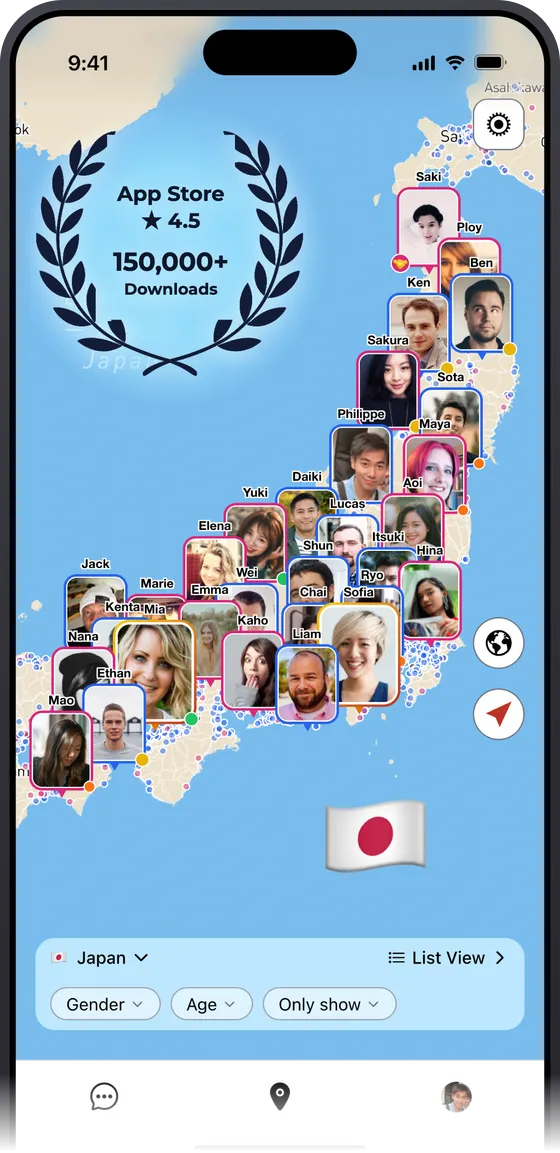
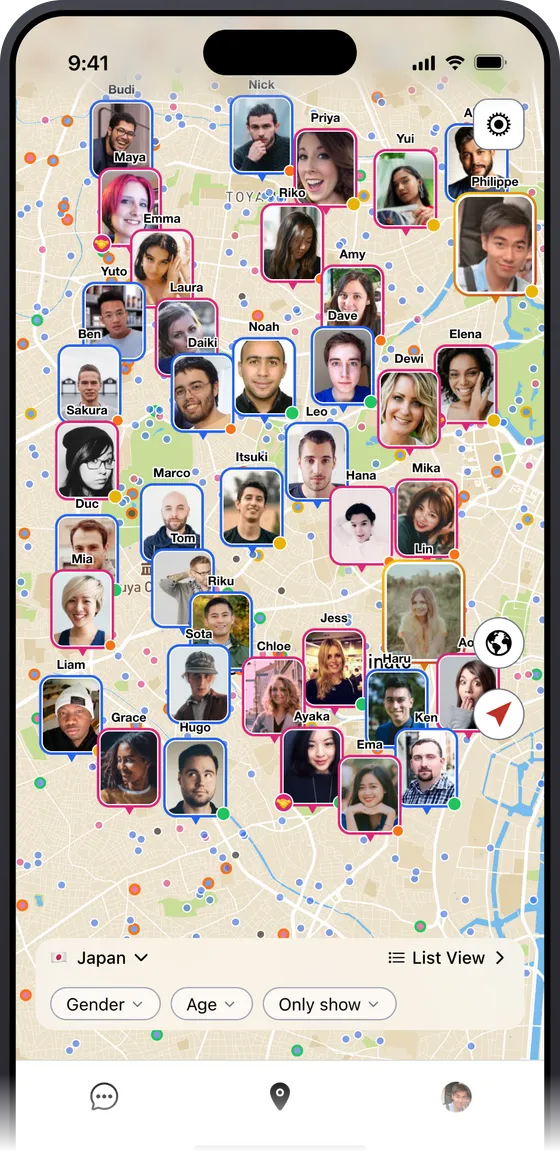
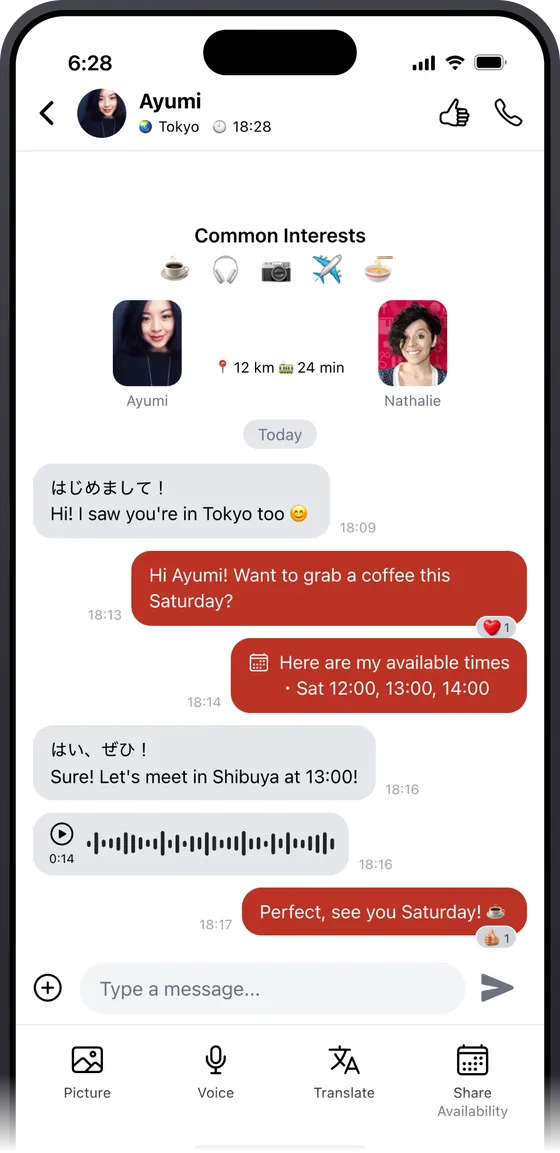


It offers a place to start conversations around shared interests. Take time to find people whose expectations fit yours, alongside the trusted relationships and professional support you already have or are building.
You don't need an impressive weekend to have something worth sharing. When you're ready, download SewaYou to discover friends nearby or anywhere in the world, and start with a conversation that fits today.