
Imagine getting worrying news about your health or losing the income you were counting on. You tell your partner, hoping they'll sit beside you and help work out what happens next. Instead, the conversation closes before you've finished explaining why you're scared.
Now imagine trying to understand that silence while living in Japan, far from the people you used to call. Is it a language gap? Different expectations about independence? Something about this particular relationship?
Those are reasonable questions. But while you're busy trying to be culturally understanding, another question can disappear: are you getting the care you need?
What bothers me about turning every relationship problem into a lesson about Japan is how easily the person who feels alone gets lost in the explanation. You can respect someone's background and still say, "This isn't working for me."
Nationality doesn't tell you how an individual will respond when you're ill, frightened, or struggling financially. A painful relationship deserves attention, but it can't settle what Japanese partners, women, or men are like as a group.
The useful starting point is the behavior in front of you. When you bring up a serious problem, does this person listen? Do they ask what would help? If they don't know what to do, can they admit that and stay in the conversation?
Different ideas about privacy or self-reliance might be worth discussing. So might a language barrier, exhaustion, or their own worries. You don't have to guess which explanation is true before you're allowed to describe the impact on you.
"When I told you I was worried and we changed the subject, I felt alone" gives you something concrete to discuss. "People here never care" turns your hurt into an argument neither of you can resolve.

"Be more supportive" can mean several things. Maybe you want someone to listen without offering fixes. Maybe you need help preparing questions for an appointment, or a calm conversation about next month's expenses.
Try making the kind of care explicit. Here are a few ways to open that conversation:
Ask what they understood, especially if you're speaking in a language one of you finds difficult. Giving an example can be more useful than repeating the word "support" with increasing frustration.
You shouldn't need a perfectly worded speech to deserve compassion. A clear request helps reveal whether you're dealing with uncertainty about how to help or a repeated refusal to engage. Their response matters too.

If you've carried someone through difficult weeks, it's understandable to want them beside you during yours. But care doesn't always come back in the same form, or on the same schedule.
Someone might struggle to find comforting words but make dinner, handle a chore, and ask how your appointment went. Those actions can count. You can appreciate them and still explain that you also need to talk.
Look for willingness over exact repayment. Can both people have needs? Can either person say they're overwhelmed? Is there room to work out a different plan when the first one doesn't fit?
A partner who cannot lend you money may still listen and help you think through options. Being supportive doesn't require taking on unlimited financial responsibility or agreeing to every request. A limit and a lack of care aren't automatically the same thing.
The concern is a pattern where your problems are always inconvenient, while theirs always deserve your time. That deserves a direct conversation, whatever passports you both hold.
One awkward response doesn't tell you everything about a relationship. Neither does one reassuring promise.
After you've explained what you need, notice follow-through after the hard conversation. Do they check in? Keep the small commitment they made? Tell you honestly when they can't manage something, instead of leaving you waiting?
This isn't an invitation to set traps or manufacture a crisis. Pay attention to ordinary moments: whether a difficult topic can be revisited, whether your concerns are taken seriously, and whether either of you can apologize and adjust.
If the same dismissal keeps happening, you don't need a final theory about Japanese culture before deciding that the relationship needs to change. A trusted friend or counselor can help you think through your options without reducing the problem to nationality.
And if you feel you should accept any relationship because you have few other connections, be gentle with yourself. Feeling short of options doesn't make your needs unreasonable. You can start rebuilding choices in small steps.
Having friends outside your relationship doesn't excuse a partner who repeatedly dismisses you. It gives you room to hear your own thoughts, spend time as yourself, and ask more than one person for company.
Aim for a wider circle of care. A friend nearby might join you for a walk after a difficult conversation. An old friend overseas might know the parts of your history you don't want to explain from scratch. Both connections matter.
Start with something ordinary: a regular call, a shared hobby, or an invitation to meet again. You don't need to make your hardest problem the opening message to someone new. Trust has room to grow through everyday contact.
If illness has made meeting up difficult, our guide to keeping friendships close while unwell in Japan offers ways to stay connected from home. Support can include companionship, while medical, legal, or financial questions may also need qualified help.

You don't have to solve your relationship before you're allowed a social life beyond it. Room for your own friendships is worth making now, whether that starts with a local coffee or a conversation across time zones.
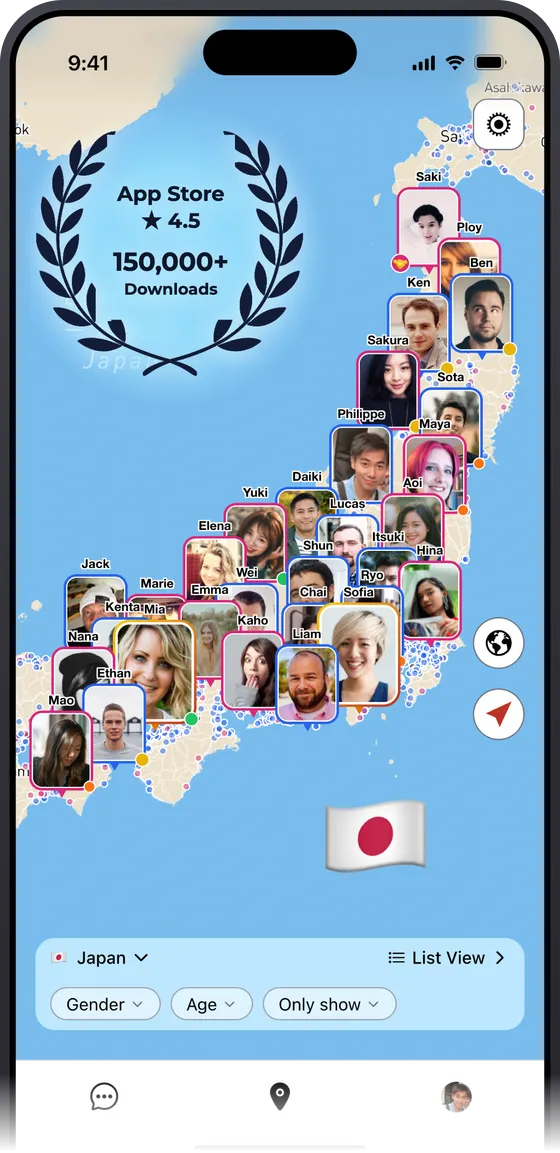
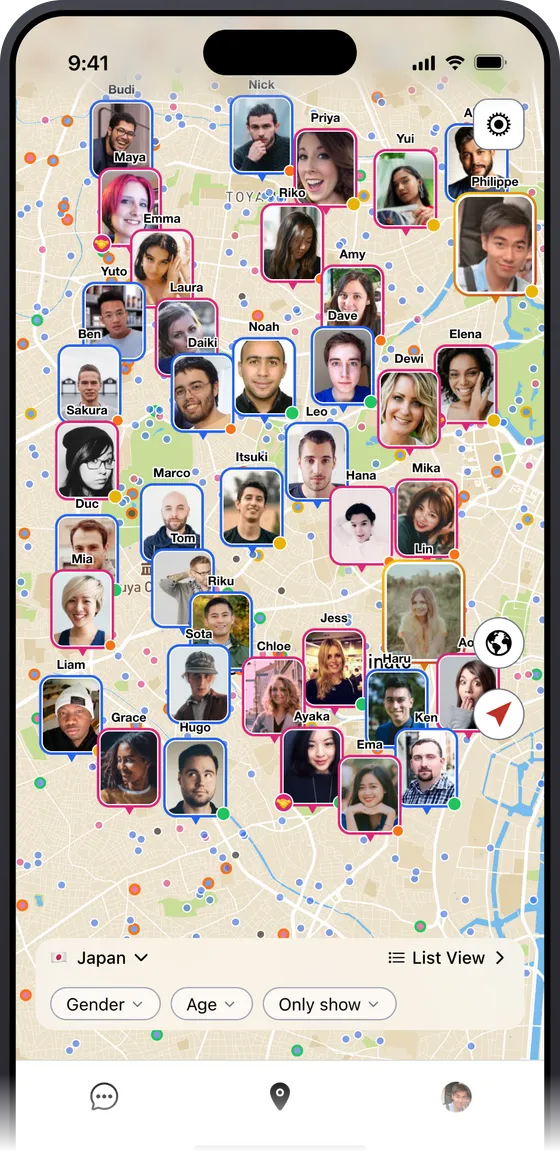
SewaYou is a map-based friendship app for discovering people nearby and anywhere in the world. You can explore another city or country from home, make online friends without travel plans, connect before a trip, and meet in person when you're nearby.
Make Japanese Friends On a Live World Map
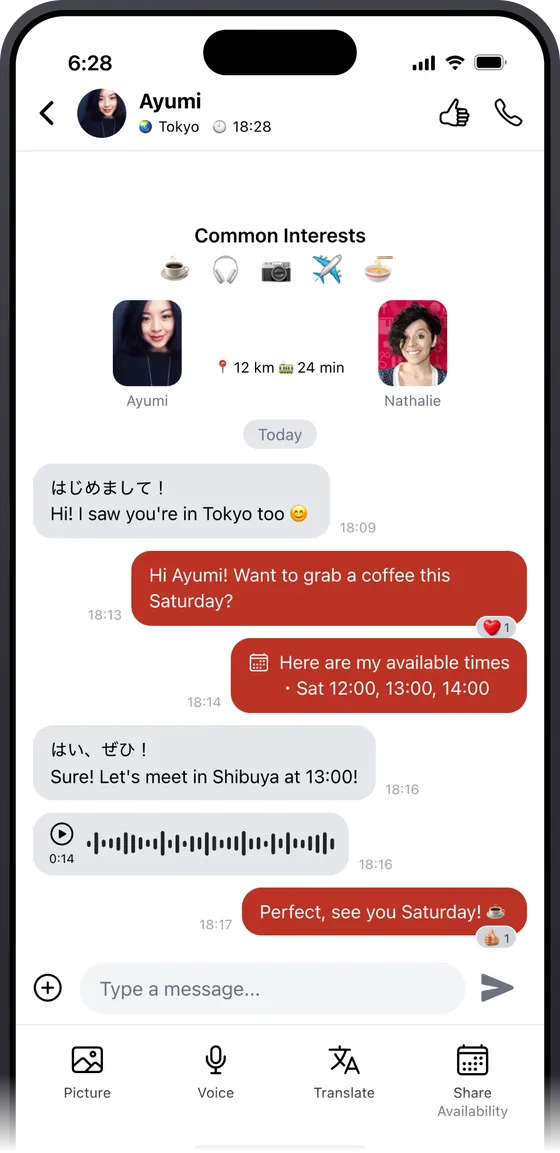


Start with a shared interest and give the connection time. A new conversation isn't a promise of lifelong support, but it can be the beginning of knowing someone outside the routines you already have.
When you're ready, download SewaYou to discover friends nearby or anywhere in the world. You deserve space to connect as yourself, including on the days when you don't have everything handled.