
The official part of the nomikai is over. People who drove have already left. You're on the last train with your boss, who has had a lot to drink, and one coworker. Then comes the invitation: there's a bar he's always wanted to try, and wouldn't you come along?
You say something about the last train. He offers to call you a taxi. You say you'd rather not ride home alone at that hour after drinking. He waves it off with "Don't worry, it's Japan."
Maybe a coworker steps in and offers to go instead. Maybe nobody does. Either way, you get home and spend the next day replaying it, wondering if you were rude, if it will cost you, and what would have happened if you'd been alone.
I've seen this pattern often enough to say it plainly: the anxiety afterward is normal, and the decision to go home was a good one.
A lot of people, especially those in their first job and new to Japanese work culture, walk away from a night like this asking what they did wrong. Did I offend him? Should I have been smoother? Will this follow me in my evaluation?
Notice what's missing from those questions. Nobody is asking whether it was appropriate for a senior manager, visibly drunk, to press a junior employee into a one-on-one bar visit after the last train.
Declining an optional after-party is not a performance issue. Going home is not an insult. A reasonable boss might be disappointed for five seconds and forget about it by Monday. If someone treats a polite no as a betrayal, that tells you something about them, not about your professionalism.
The same goes for the colleague who jokes that you should skip nomikai so you don't "ruin" a man's career. Even framed as a joke, that comment moves responsibility for someone else's behavior onto the person who was harmed. You're allowed to feel how much it stung. You're also allowed to stop carrying it.
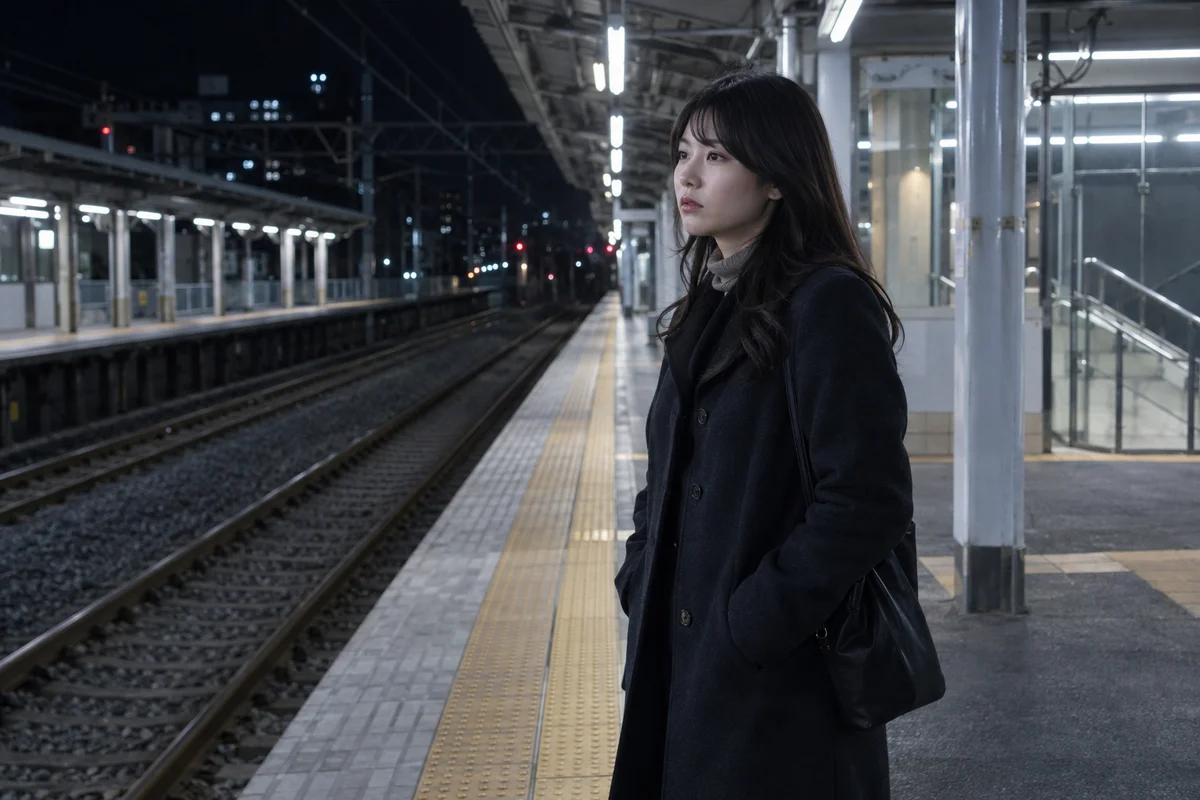
The hardest moment to say no is at 11:45 p.m. with a tipsy senior person in front of you. So don't make the decision then. Make it at lunch.
Before the nomikai, decide three things:
Pacing helps too. Alternating with oolong tea or water is common at Japanese work drinks, and nobody needs a reason for it. Staying clear-headed makes it much easier to read a situation and leave on your own terms.
It's also fine to leave when the group naturally thins out. The moment the crowd shrinks to two or three people is often exactly when an "optional" invitation starts to feel like it isn't.
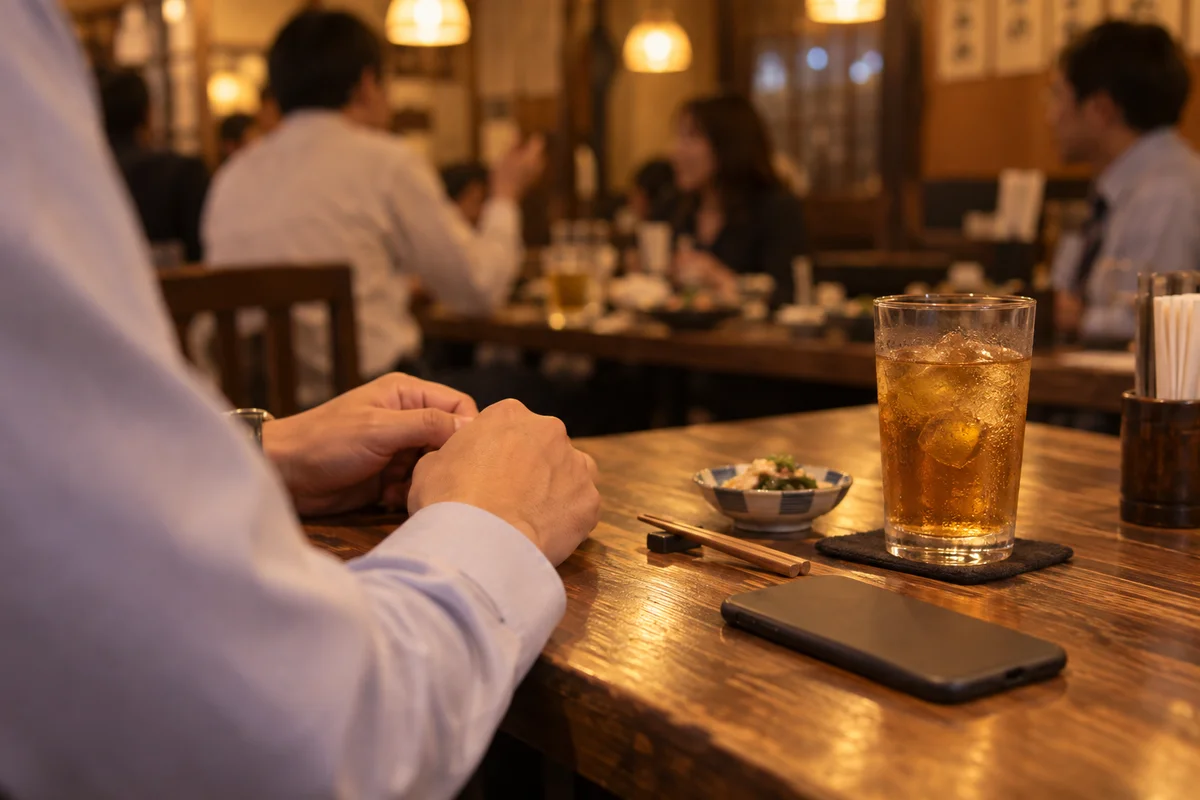
The night didn't turn out fine because of the right words. It turned out fine because another person noticed and stepped in.
That's worth building on purpose. Think about who at work reads situations well. Maybe it's a coworker who once covered for someone, or a supervisor who backed you up before. You can quietly ask one of them, "Can we leave together after the first round?" Most decent people will say yes without needing the whole story.
If something has already happened, like a previous incident with a drunk colleague, write down what you remember: the date, place, what was said, and who was there. Notes made close to the event are much easier to rely on later than memory alone. You don't have to decide today whether you'll ever use them.
It also helps to know the basics. In Japan, employers are legally required to take measures to prevent sexual harassment and power harassment, which usually means a designated internal contact point. Prefectural labor bureaus also run free consultation desks for workplace problems. You have more options than silence, even if you never end up using them.
A single bad night is stressful anywhere. In Japan, it can land differently when your entire social life is your workplace.
If your coworkers are also the people you eat with, vent to, and spend weekends around, then any friction at work feels enormous. Saying no to your boss doesn't just feel like a professional risk. It feels like risking the only community you have.
That's the part I'd focus on fixing. Not by becoming more agreeable at nomikai, but by making sure work isn't your only circle. When you have friends outside the office, a night like this becomes something you can talk through over coffee on Saturday, instead of something you replay alone at 2 a.m.
People outside your company also give you a reality check. Tell a friend what happened, and they'll usually say right away what you've been doubting: you handled it well.
If drinking culture in general is wearing you out, we've also written about why the nomikai won't make you belong and how to build a social life in Japan without drinking.
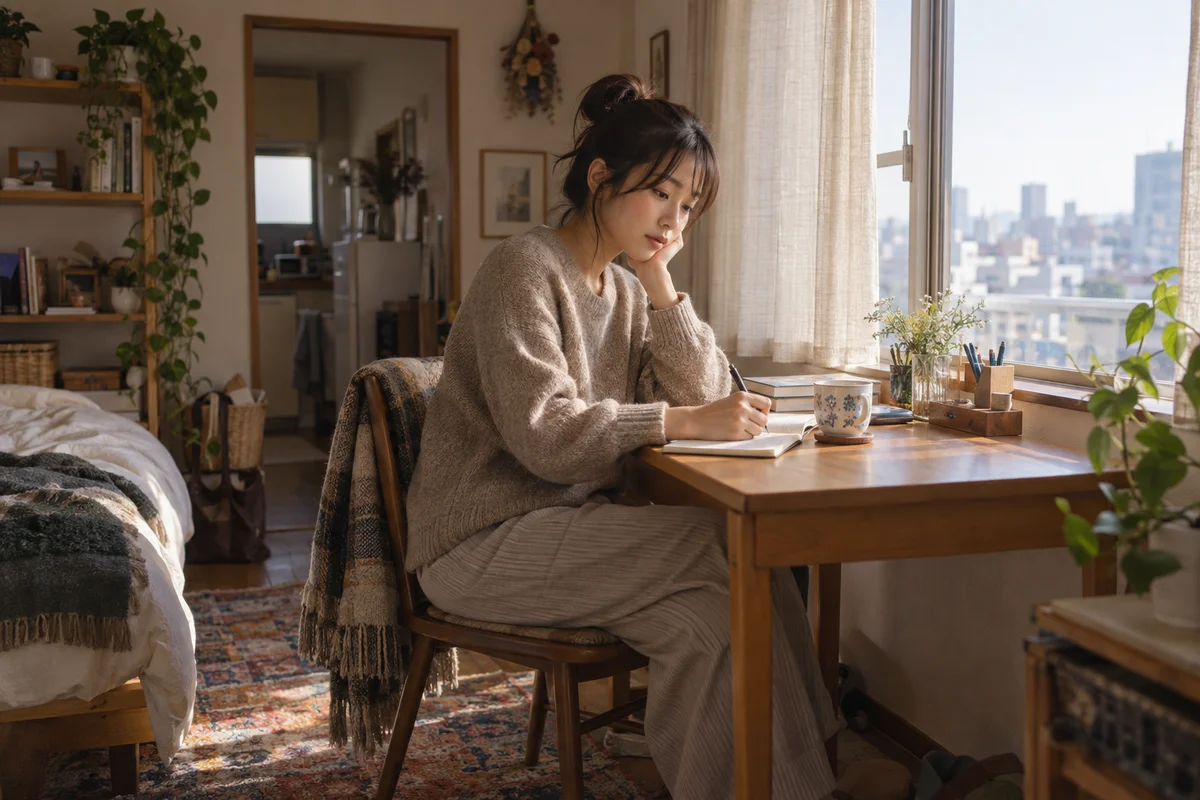
You don't need a huge friend group. One or two people who know you outside your job title can change how safe your whole life feels.
SewaYou is a map-based friendship app for discovering people nearby and anywhere in the world. You can find people in your own neighborhood, explore another city or country from home, make online friends without travel plans, connect before a trip, and meet in person when you're nearby.
Make Japanese Friends On a Live World Map
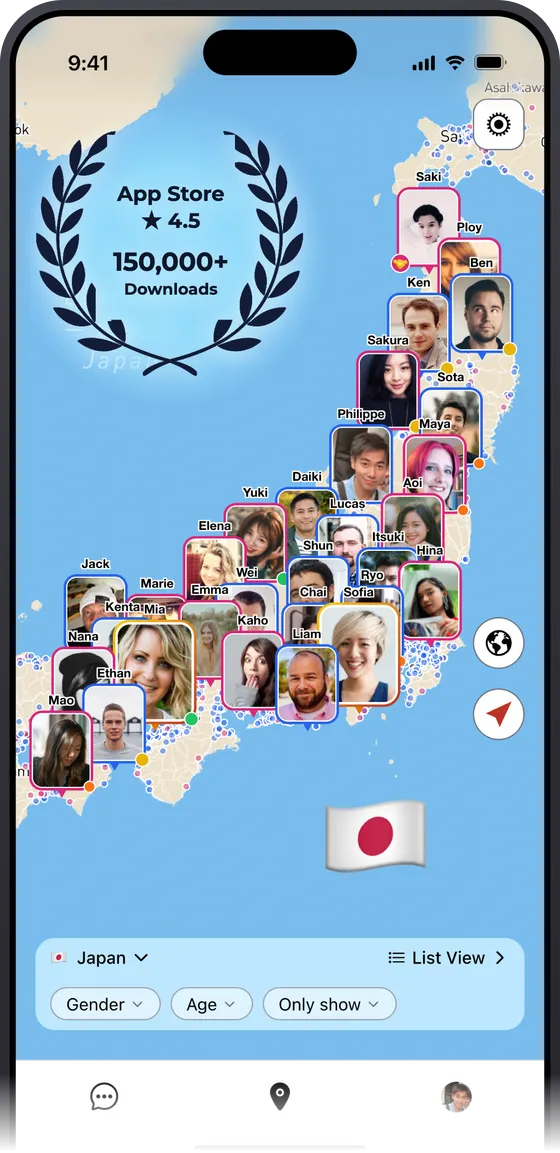
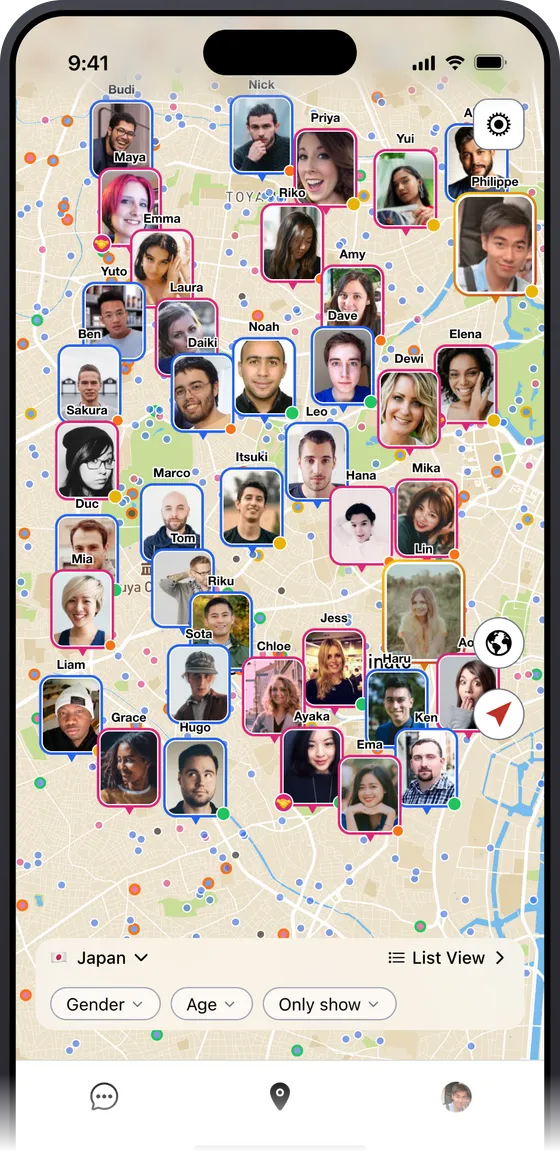
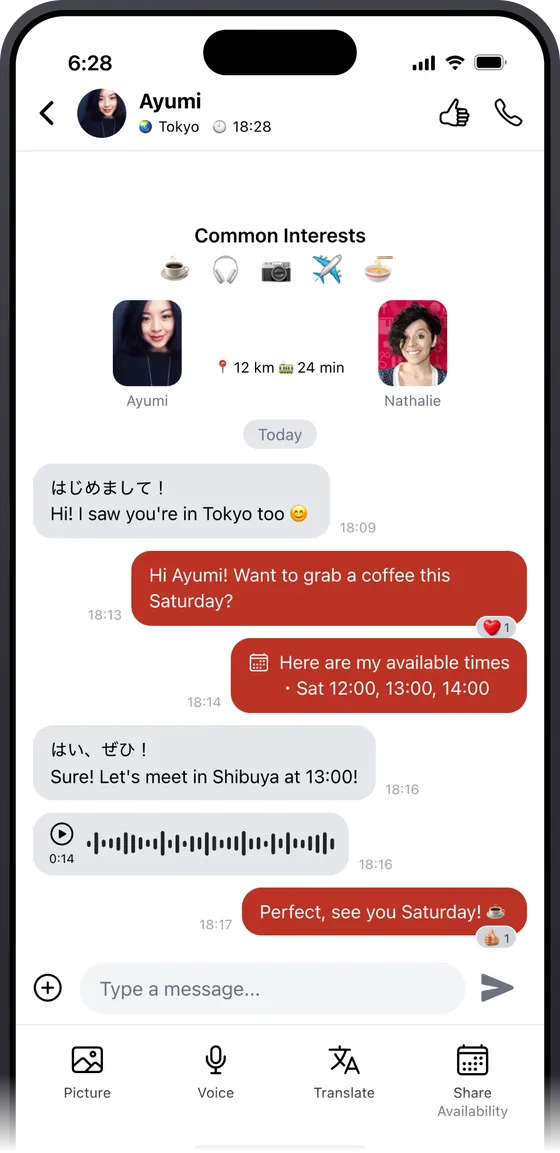


Start with shared interests, take your time, and meet in public places when you decide to meet. Use the same instincts that got you home safely: you set the pace, and you can leave whenever you want.
Your career will survive one skipped bar. Your safety comes first, always. When you're ready to build connections beyond the office, download SewaYou and find friends nearby or anywhere in the world.