

"I've been learning languages for years. Lately I catch myself making mistakes in my native language. I feel withdrawn. I'm struggling to speak at all, in any of them. Is something wrong with me?"
I hear some version of this every few months from people deep into self-study. They usually describe the same arc: months of hardcore immersion in a new language, big perceived gains, and then something starts to wobble. Words slip. Confidence drops. Social energy evaporates.
And the weird part is, they are doing more language work than ever. So why does it feel like going backwards?
Here's the thing almost nobody says out loud: language immersion done in isolation can make you a worse communicator, not a better one. The good news is it's completely reversible once you understand what's happening.
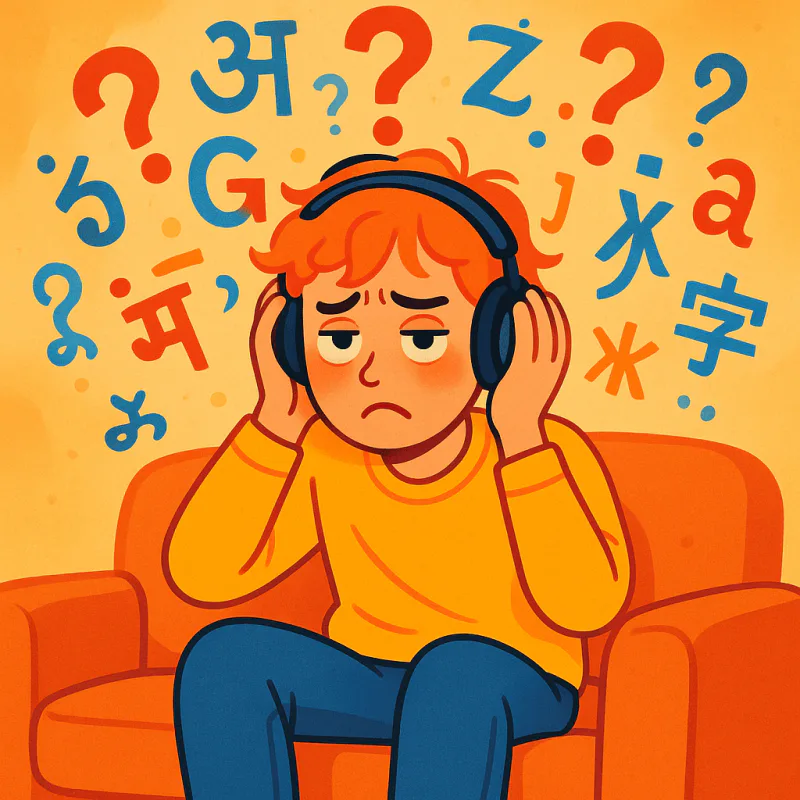
Learning a new language at an intermediate-to-advanced level is one of the highest cognitive-load activities humans do. You're not just memorizing words. You're constantly suppressing interference from your other languages, tracking new grammatical structures in real time, parsing unfamiliar sounds, and holding context across sentences.
That takes a huge slice of your mental budget. And unlike other skills, language doesn't "sit quietly" in the background. It's always on, always running, always eating CPU.
When you spend 4-6 hours a day in heavy input mode, alone, with headphones in, reading and watching and shadowing, something predictable happens:
This isn't damage. It's temporary overload. But if you keep piling on input with no release valve, it can stretch into real burnout.
Here's the pattern I see most often in people who hit this wall:
Your brain treats languages like muscles. Input alone is like watching people lift weights and expecting to get stronger. You need reps, meaning output, meaning speaking, meaning social friction.
And here's the subtle thing: speaking doesn't just practice the language. It resets your relationship with it. It makes it yours again, not a textbook abstraction you're trying to stuff into your head.
When you only input, languages start feeling like alien objects stored in a room. When you output with real people, they feel like tools in your hands.
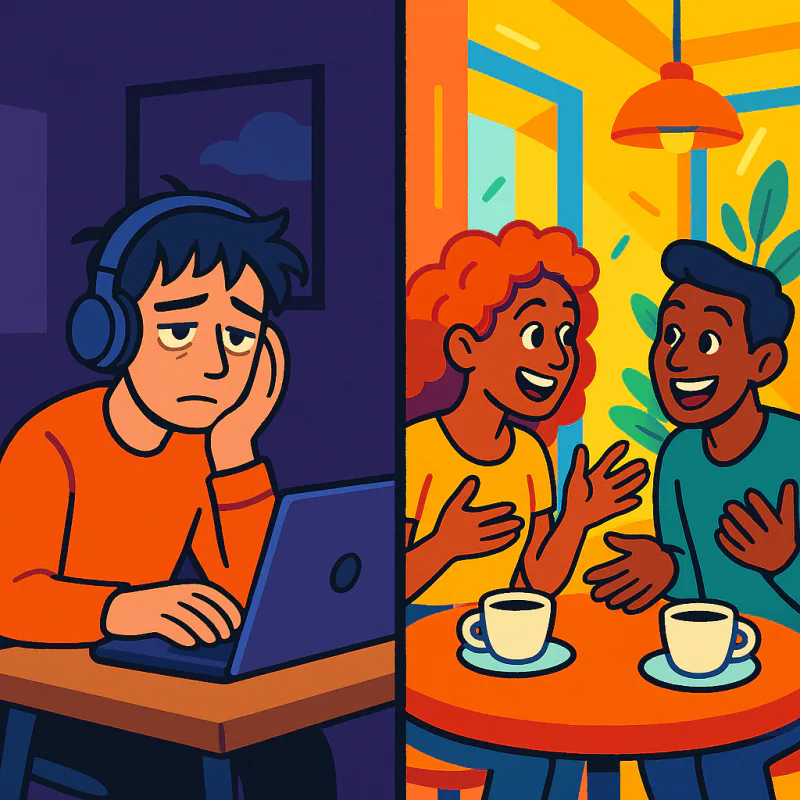
A lot of the people describing this burnout also say the same thing about language exchange apps: the quality has collapsed. More bots, more ghosting, more people who want to date, more one-sided chats that die after three messages.
They are not imagining it. The big text-based language exchange apps have been in slow decline for years. The incentives reward volume over real practice, and you can feel it the moment you open one.
So what happens? You keep grinding input because at least input "works." You stop trying to talk to real humans because the apps feel hostile. And the loop closes. More solo immersion, more mental fatigue, fewer real conversations, more withdrawal.
The fix isn't more apps. It's fewer, better conversations. One real 45-minute meetup with someone interesting at a café does more for your brain than a week of half-dead chat threads.
A lot of polyglots panic when they notice themselves making mistakes in their mother tongue. "Am I losing it? Am I cooked?"
No. What you are experiencing is called language attrition interference, and it's well documented. When you heavily immerse in another language, your brain reprioritizes neural bandwidth. Your native language doesn't disappear. It just gets crowded on the stage temporarily.
This almost always goes away the moment you reintroduce regular spoken practice, in any of your languages, with real people. Talking to humans, out loud, triggers a retrieval system that passive input never touches.
In other words: conversation isn't just practice. It's recovery.
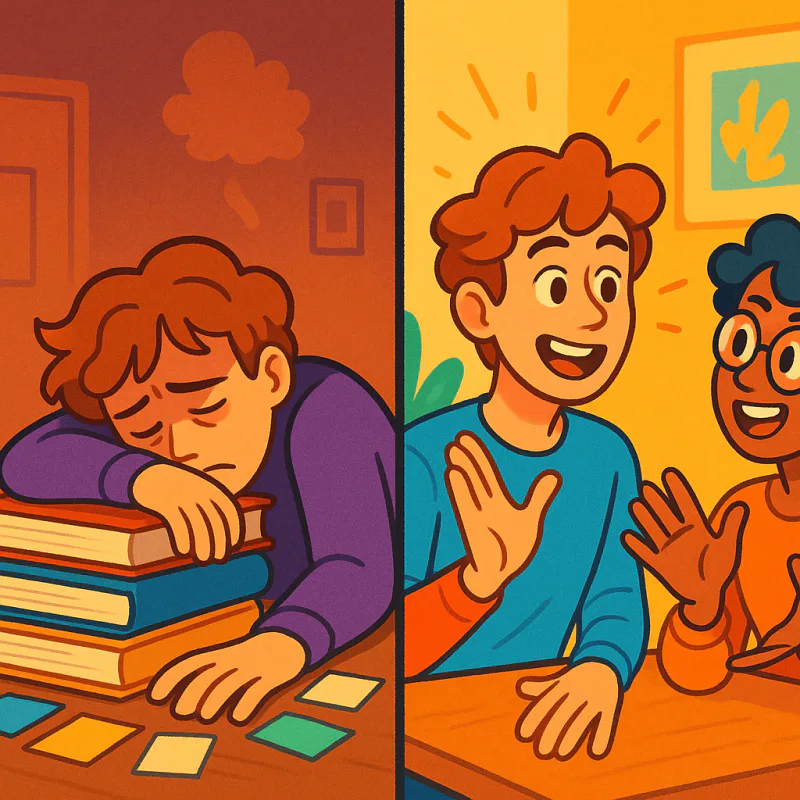
The advice I give every single time someone describes this pattern is the same, and it's almost aggressively unsexy:
This sounds like less work, and it is. That's the point. You've been overclocking and wondering why you're lagging.
The deepest mistake in the modern language learning scene is treating language like a game you beat by grinding hours alone. That works fine at the beginner stage. It stops working, badly, somewhere around intermediate.
Because past that point, language is a social skill. It is literally the operating system for connecting with another human brain. If you build the vocabulary but never use it with a person, you are not learning the full skill. You are learning half of it, the easier half, and wondering why the output half feels broken.
The fastest fluent speakers I've met all share one trait: they live lives where their target language shows up in normal human contexts every week. Not every day. Just regularly, with real people, for real reasons.
That's also, coincidentally, what keeps them sane.

If you've been grinding input alone for months and something inside you is starting to crack, the answer isn't "push harder." The answer is to put one human being on your calendar this week.
Not a chat partner on the other side of the world who might reply. Someone close enough to meet at a café. Someone who makes it socially awkward to bail. Someone you actually look forward to seeing.
Make Japanese Friends On a Live World Map
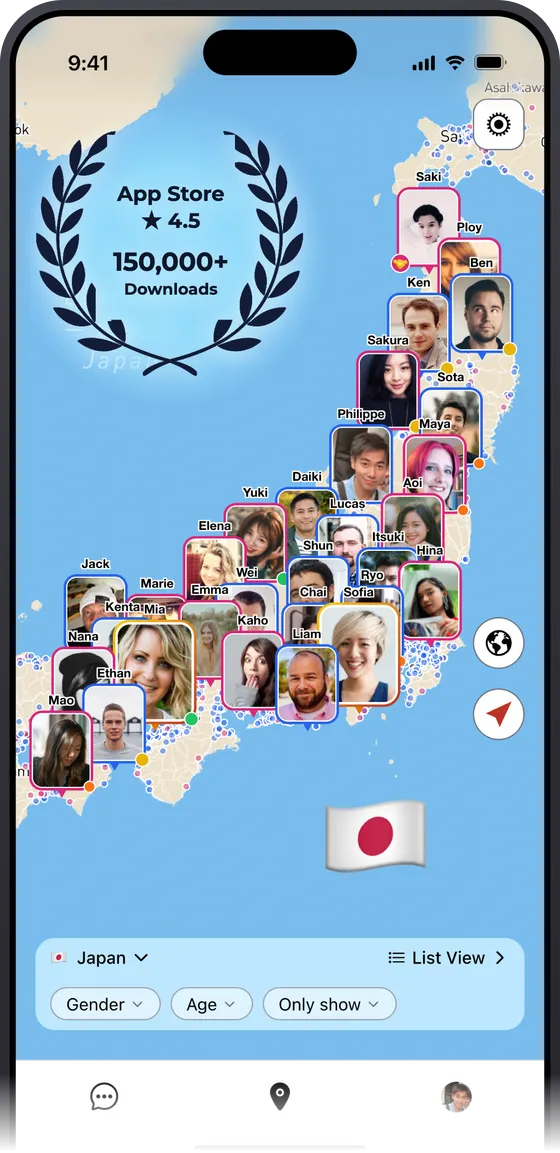
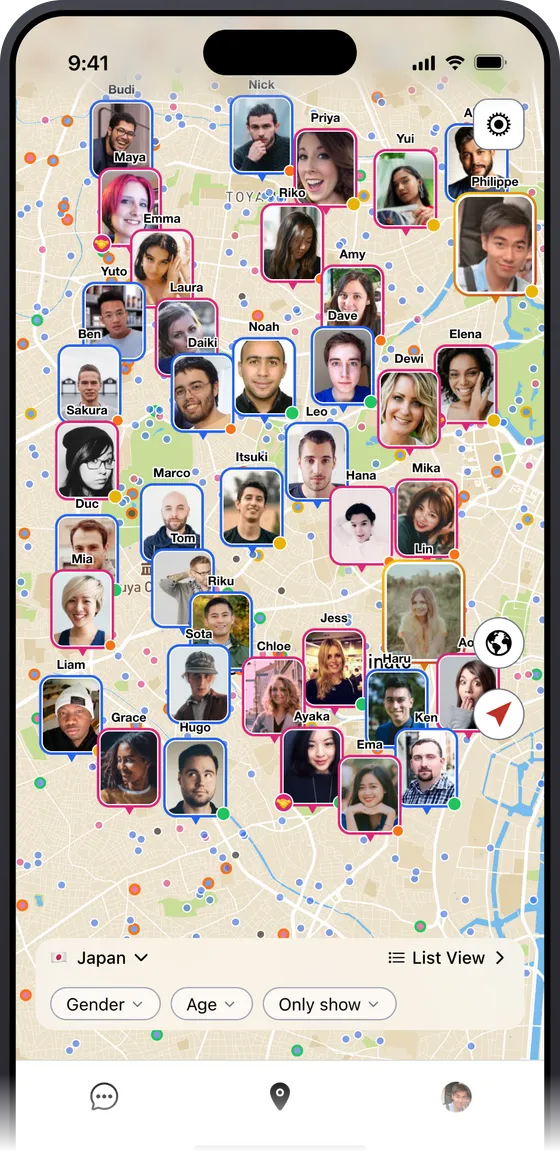
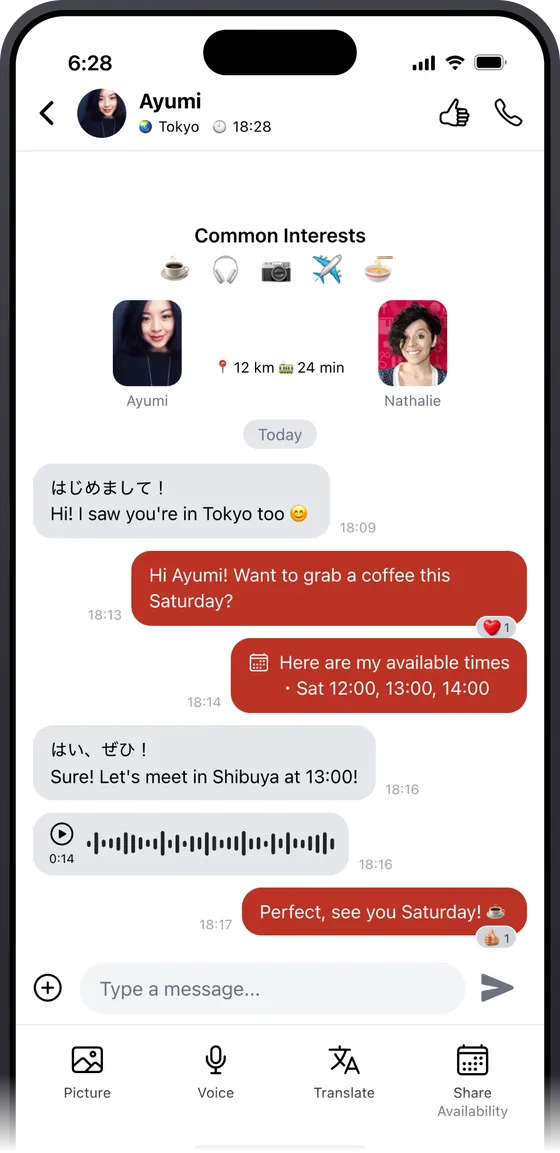


SewaYou is a map-based app designed for exactly this. You find language partners near you, set a meetup, and show up because they are two stations away, not twelve time zones. The structure of real-world, local meetups is the thing missing from your current routine. Rebuild that, and the rest comes back fast.
You are not broken. You are not losing your languages. You are just a brain that got starved of the human half of the skill. Feed that half again, and everything you thought you were losing comes back, often stronger than before.
Be kind to your brain this month. Talk to a human. Sleep more. The languages will meet you there.


