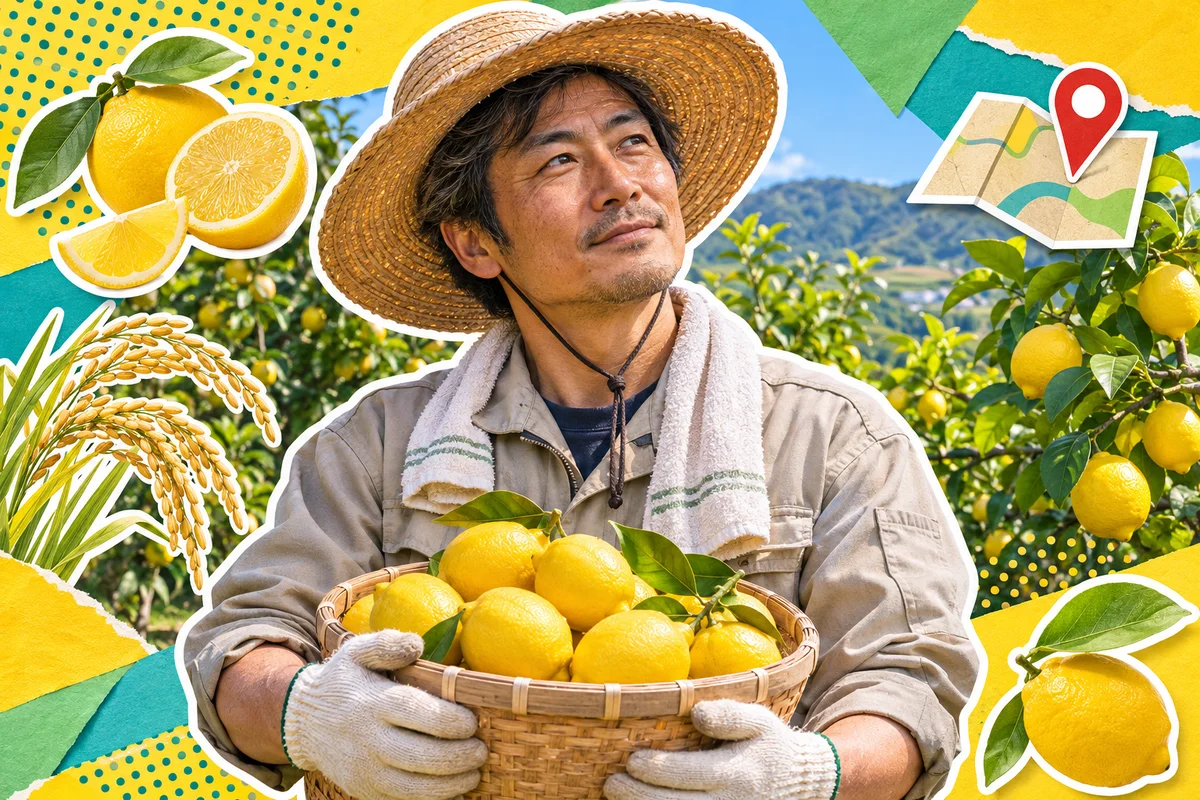
Picture someone running a small farm in Chiba. A few hundred lemon trees, a couple of hectares of rice, big plans to expand and switch to organic. Their days are full. They have neighbors, family, maybe a partner who helps at harvest.
And yet there's a question they can't stop chewing on: is anyone else out here doing this? Not "farming" in general. Lemons. Organically. In this climate. With this soil.
I keep running into this pattern in Japan, and not just with farmers. Potters, home bakers, freelance translators, people who restore old houses, the one foreigner brewing craft beer in their prefecture. Their social life looks fine on paper. What's missing is one specific kind of person: someone who does the same thing.
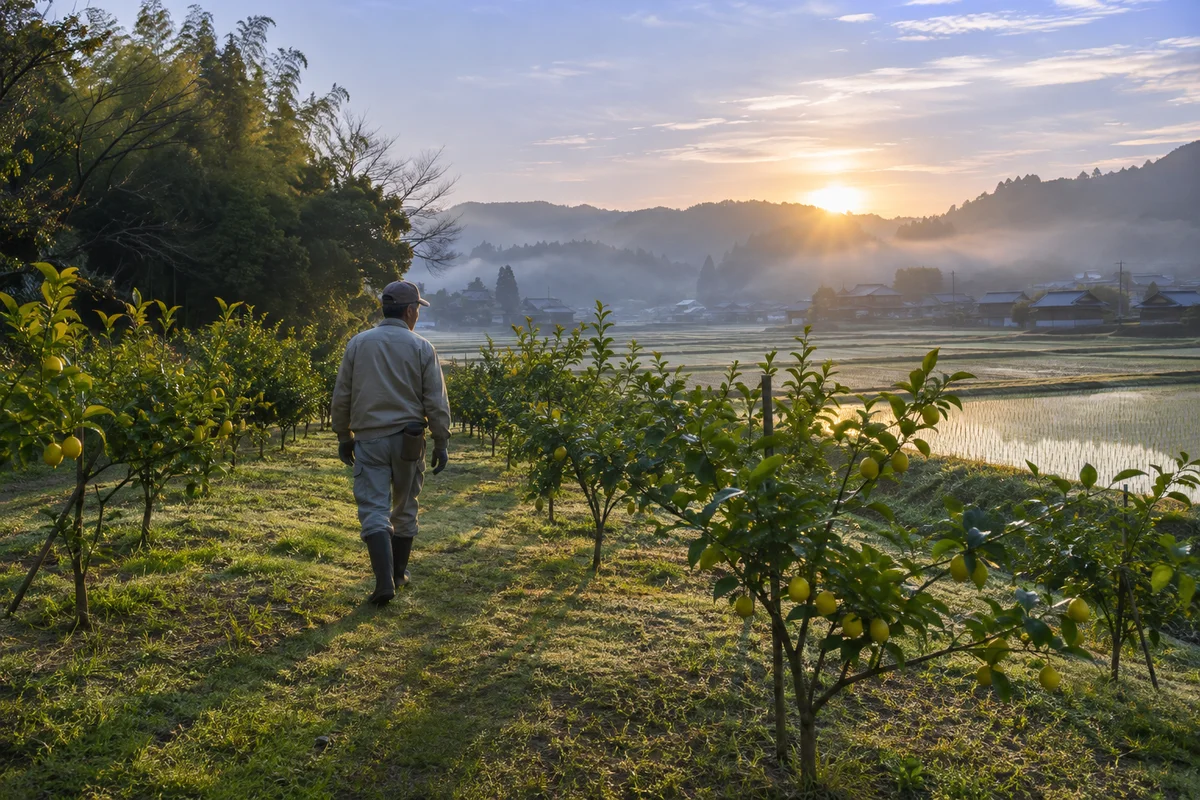
Most advice about loneliness in Japan is about having people. Join a club, go to a meetup, say yes to the drinking party. Good advice, mostly.
But there's a second kind of loneliness that doesn't go away when your calendar fills up. It's the loneliness of having a problem nobody around you can even understand, let alone help with. You mention a pest on the leaves or a supplier who stopped answering, and the people you love nod politely and change the subject.
Can you blame them? They don't live inside your work. That's fine for small talk. It's not fine when you're making a decision that will shape the next ten years of your life, and you'd give anything to hear "oh, I tried that, here's what happened."
The obvious answer is "just talk to the locals." Sometimes that works beautifully. Older farmers in a village often know more about the land than any book.
But in my experience it's rarely that simple. The neighbor might grow something completely different. They might farm conventionally and think your organic plan is a bit naive. There might be a language gap, or a generation gap, or just the quiet awkwardness of being the newcomer asking questions in a place where everyone has known each other for decades.
Living close isn't the same as sharing work. You can be surrounded by farmers and still be the only person within fifty kilometers trying to do exactly what you're doing.
Here's what I find interesting. When people in Japan look for friends, they often filter by nationality or language. Other foreigners. Other English speakers. Other people from home.
Those friendships matter, but they often stall at the same three topics: visas, food, and complaining about the trains. Meet someone who shares your work, though, and the conversation has somewhere to go from the first minute. You skip the small talk entirely. You're comparing notes on frost, pruning, pricing, burnout, customers.
Shared problems make fast friends. A grower in Shikoku, a hobbyist in Hokkaido and a farmer in Sicily might have nothing else in common, and still talk for hours.
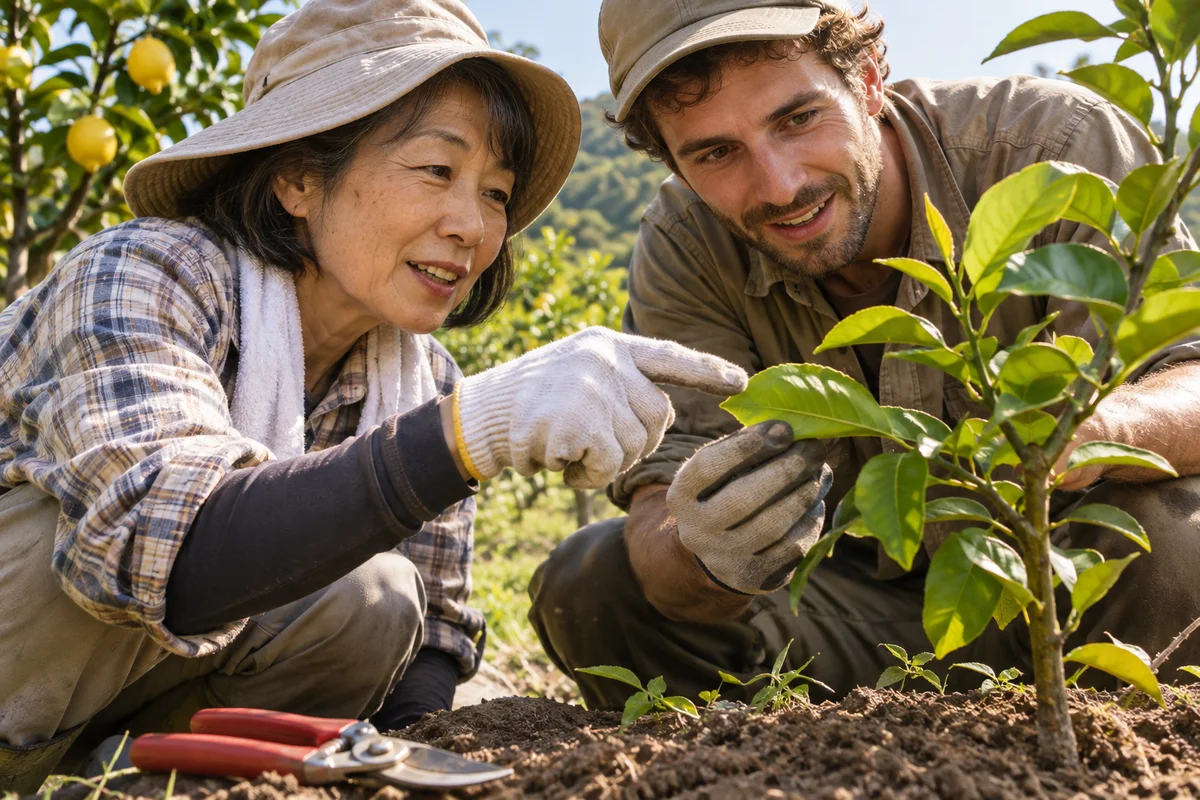
The trick is to go where the work itself gathers people, instead of where "making friends" is the stated goal. A few places worth trying:
Swap "farm" for your own field and the list mostly still works. Potters have kiln-sharing studios, translators have industry events, small shop owners have shopping street associations.
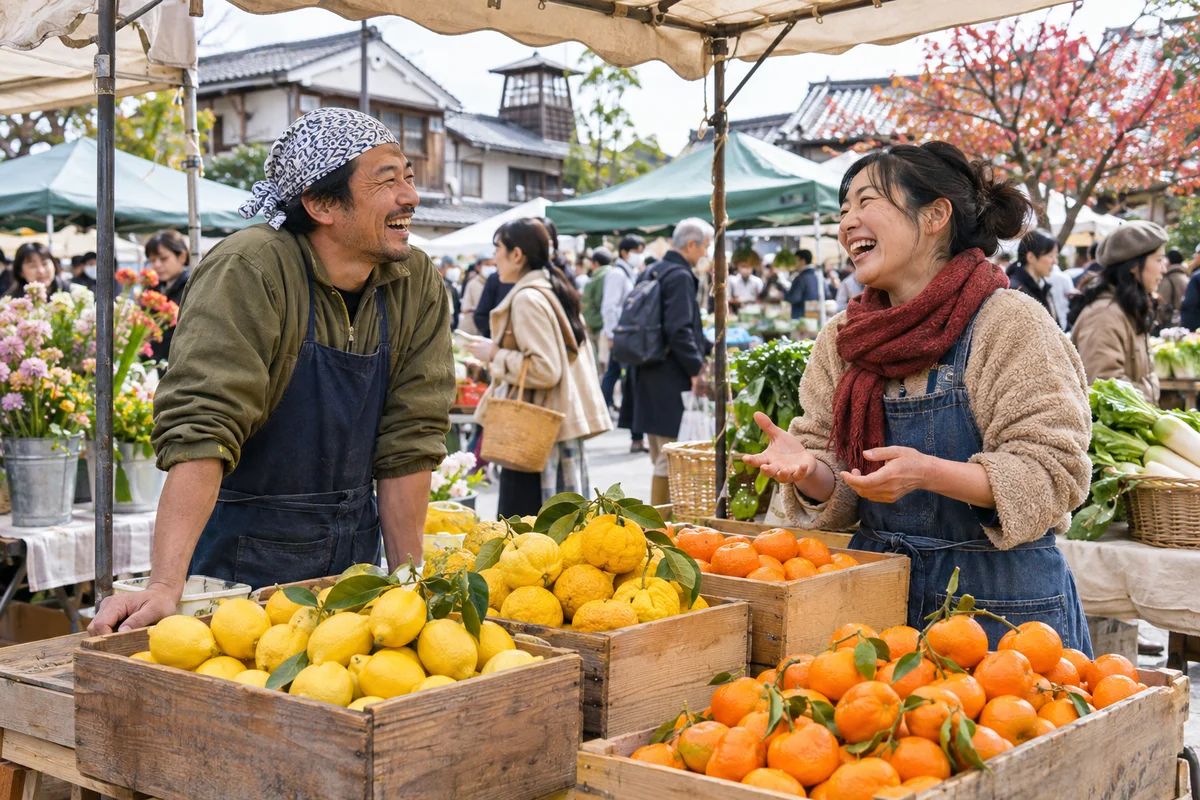
When people finally reach out, they often ask too broadly. "Any farmers here? Would love to connect!" It's friendly, but it gives nobody a reason to reply. Everyone assumes someone better qualified will answer.
Narrow questions work better. "Has anyone grown lemons organically somewhere with cold winters? What did you do about scale insects?" Now the one person who has done that feels like you're talking directly to them. Vague asks get polite silence.
A few more things that help:
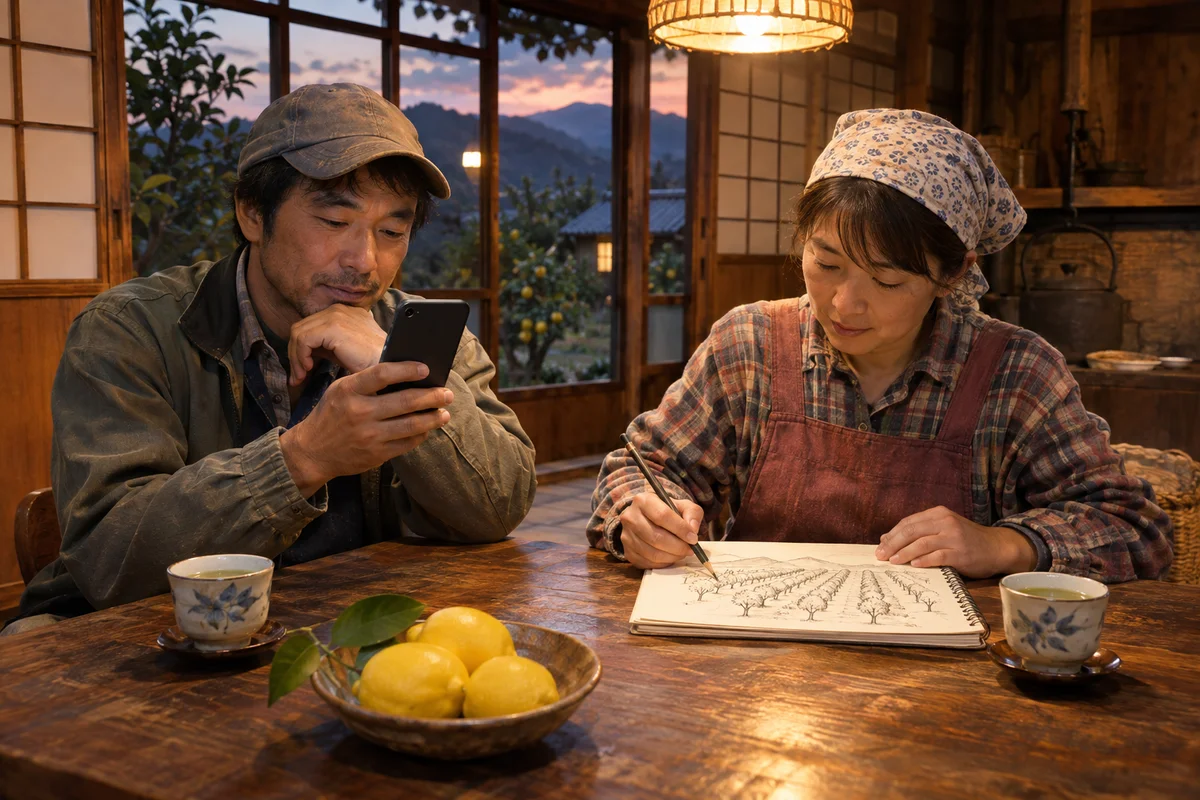
The hard part about niche work is that your people are scattered. One might be two towns over. Another might be on the other side of the country, or on the other side of the world, growing the same crop in a totally different climate and dying to compare notes.
That's exactly why we built SewaYou. It's a map-based friendship app for meeting people nearby and anywhere in the world. You can see who's around you and reach out to someone local, or explore another city or country from home and start an online friendship without any travel plans. If a trip does come up, you can connect before you go and meet when you're nearby.
Make Japanese Friends On a Live World Map
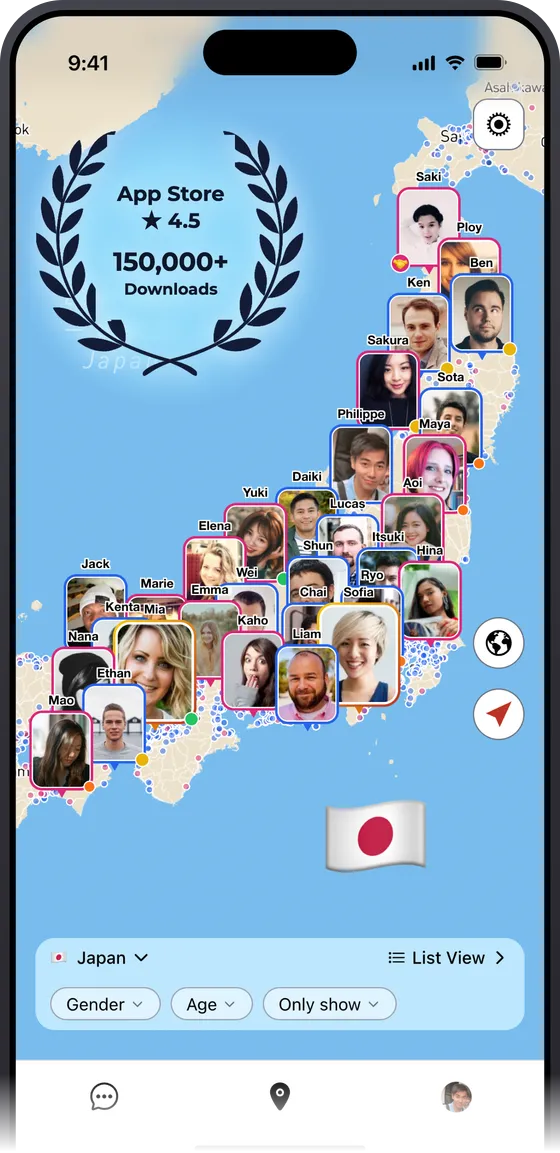
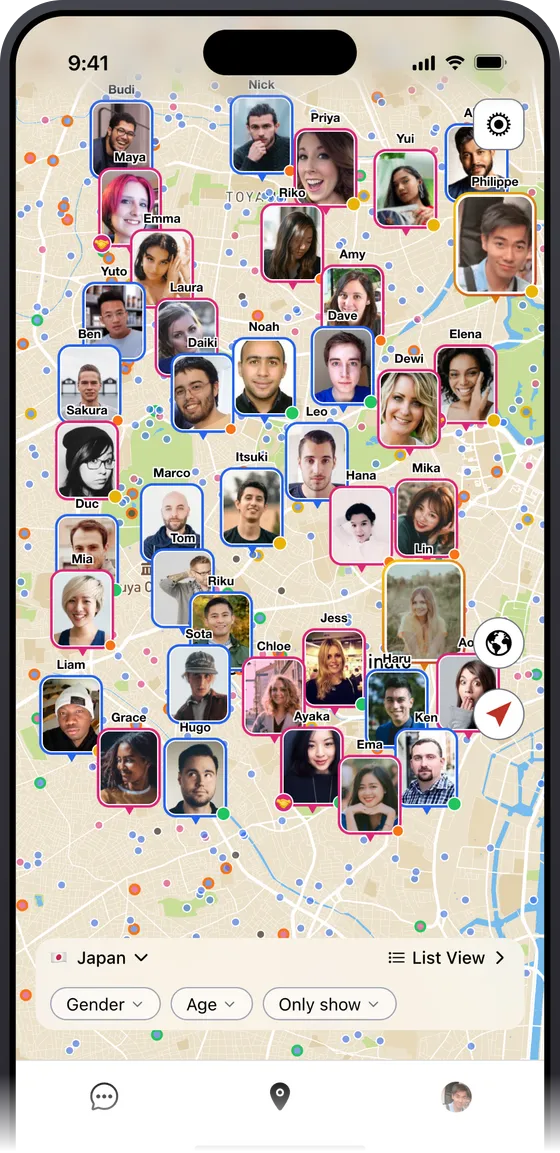
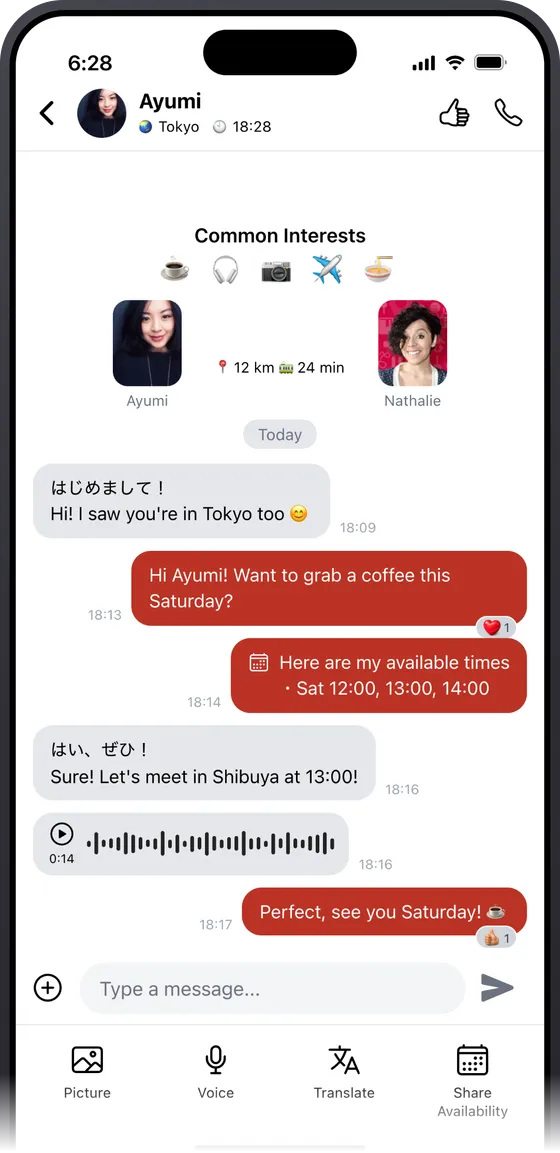


Put what you actually do in your profile. Write the narrow version, not the generic one. Then look at the map and ask yourself: who out there is stuck on my problem?
Wanting to talk shop isn't antisocial or obsessive. It's one of the most natural ways humans have ever made friends. Apprentices, guilds, neighboring farms swapping help at harvest. Work has always been a reason to gather.
So if you're the only one doing what you do where you live, don't wait for the right person to wander past your field. Go find them. They're probably wondering the same thing about you.
Download SewaYou and find people who share your work and your questions, right next door or across the world.