
Everyone who has lived in Japan for a few years knows someone who left sooner than they planned. Sometimes there was a farewell party. Sometimes they just stopped replying, and a month later their apartment had a new name on the mailbox.
When you ask what happened, the answer usually sounds like one thing. The job fell through. The relationship ended. They burned out. Money got tight.
But in my experience, that one thing is almost never the real story. The real story is that their whole life rested on it. When it wobbled, there was nothing else holding them up.
Engineers have a name for this: a single point of failure. One part that, if it breaks, takes the whole system down with it. It is a useful way to look at your own life here, before something goes wrong rather than after.
For a lot of people, the visa, the apartment, the health insurance and the daily routine all trace back to one company. That feels fine while the job is fine.
Then the boss changes, the contract is not renewed, or the workplace turns toxic. Suddenly a bad job is not just a bad job. It is a threat to your right to live here, so you stay far longer than you should, getting more exhausted every month.
I have watched people grind through years at a workplace that was hurting them, purely because leaving felt like leaving the country. By the time they finally quit, they had nothing left for a job search.
What helps is boring and unglamorous:
The goal is simple. You want a bad job to feel like a problem, not a cliff.

Japan can be very livable on a modest salary. That is part of the trap. It is easy to build a life that works perfectly, as long as nothing unexpected happens.
Then something unexpected happens. A flight home for a family emergency. A move with key money and agency fees. A few weeks between jobs. A weak home currency when you need to send money back.
People rarely leave because they are broke in a dramatic way. They leave because one surprise bill turns into a credit card balance, which turns into constant low-level stress, which turns into "maybe I should just go home." Money stress quietly makes every other problem louder.
A savings buffer is not exciting advice, but it buys you something precious: the ability to make decisions calmly instead of in a panic.
This is the one I see most often, and the one people talk about least.
Your social world here might be your partner. Or one close friend from your first year. Or your coworkers, who are friendly but whom you only see at work. It feels like enough, until it suddenly is not.
The partner relationship ends. The friend moves back to Canada. You change jobs and the work friendships evaporate within a month. And you realize that the entire human side of your life in Japan was one thread.
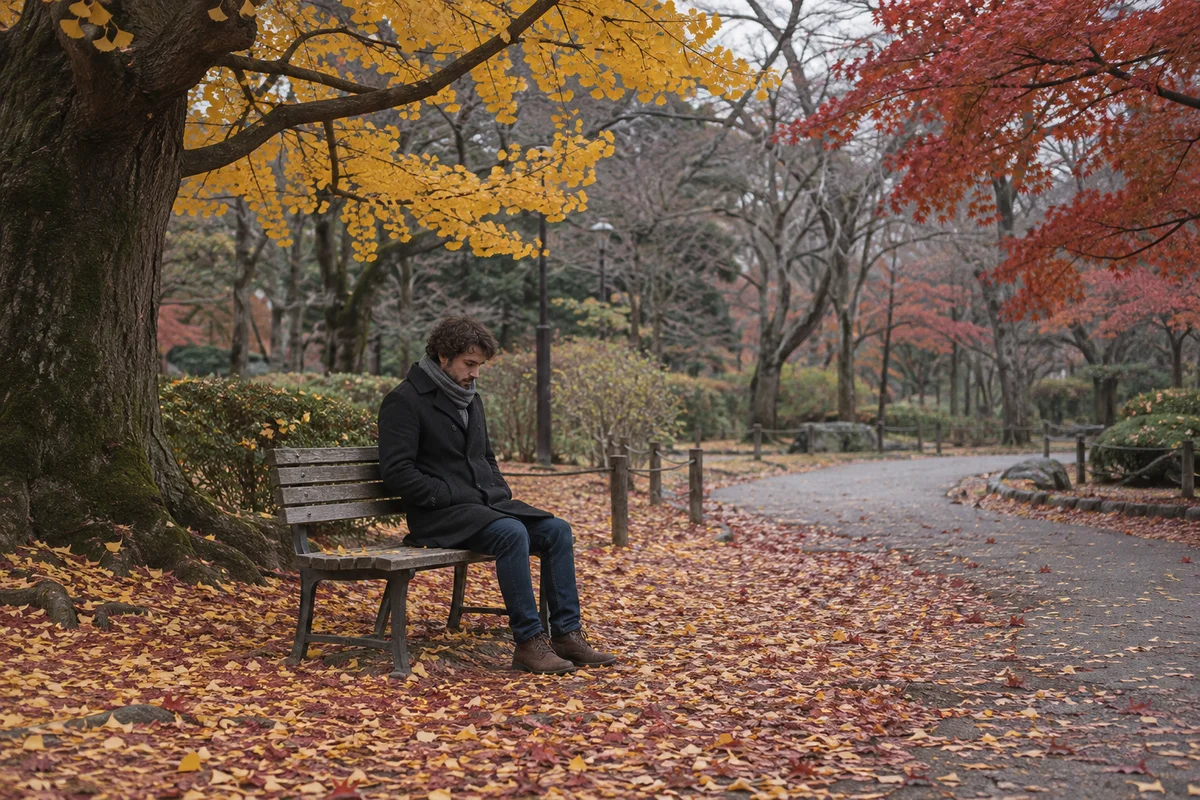
Loneliness rarely announces itself as the reason someone leaves. It shows up as "I just don't feel like I belong here anymore." But underneath, it is often a single connection breaking with no backup.
One friend is a person, not a network. You need a few people, in a few different parts of your life, who don't all know each other. A hobby friend. A neighbor you chat with. Someone from a language exchange. Someone from back home you call every week.
You can absolutely live in Japan with limited Japanese. Many people do, for years.
The risk is not inconvenience. The risk is that every important task, from the ward office to a clinic visit to a contract with your landlord, depends on one helpful person. Usually a partner or a kind coworker.
When that person is gone or simply busy, the small tasks pile up. A tax form goes unanswered. A doctor's appointment gets postponed. Life starts to feel like a place you are visiting rather than a place you live.
You don't need perfect Japanese to fix this. You need enough to handle the boring stuff on your own, and more than one person you can ask.
Here is a quick check I wish more people did in their first year. For each area, ask: if this one thing disappeared tomorrow, what would still be standing?
You don't need to fix everything at once. Pick the weakest leg and add one support this month. One new friend outside work. One small automatic transfer into savings. One evening a week of practical Japanese.
The people who stay happily for a long time are not tougher than the ones who left. In my experience, they just have more things holding them up, so no single bad month can knock them over.

Of all the supports, friendship is the hardest to build in a hurry. You can save money faster by cutting costs. You can update a résumé in a weekend. But friends take time, and the worst moment to start looking is the week after your one connection disappears.
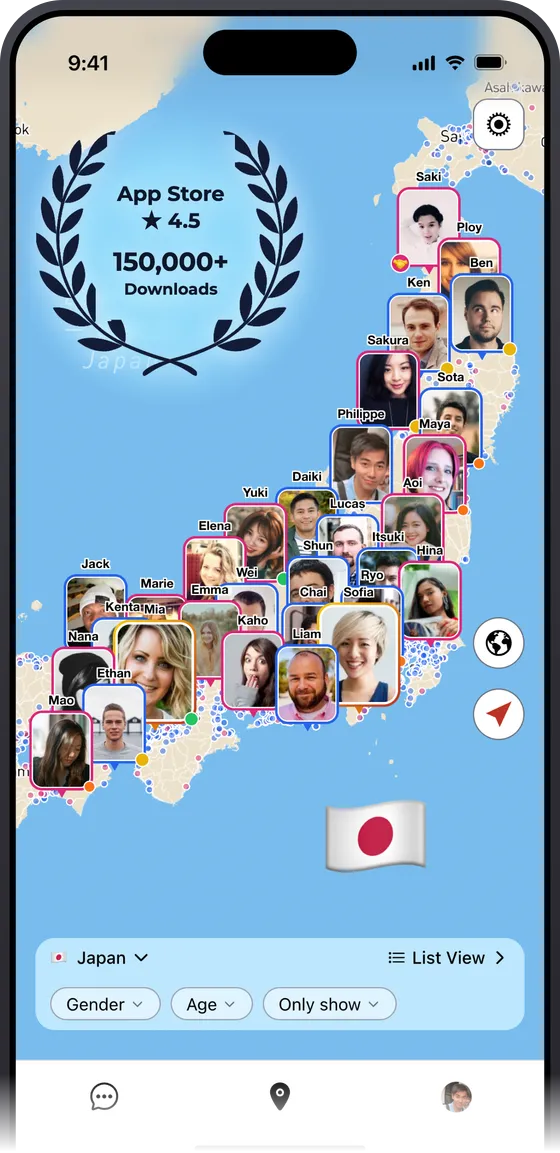
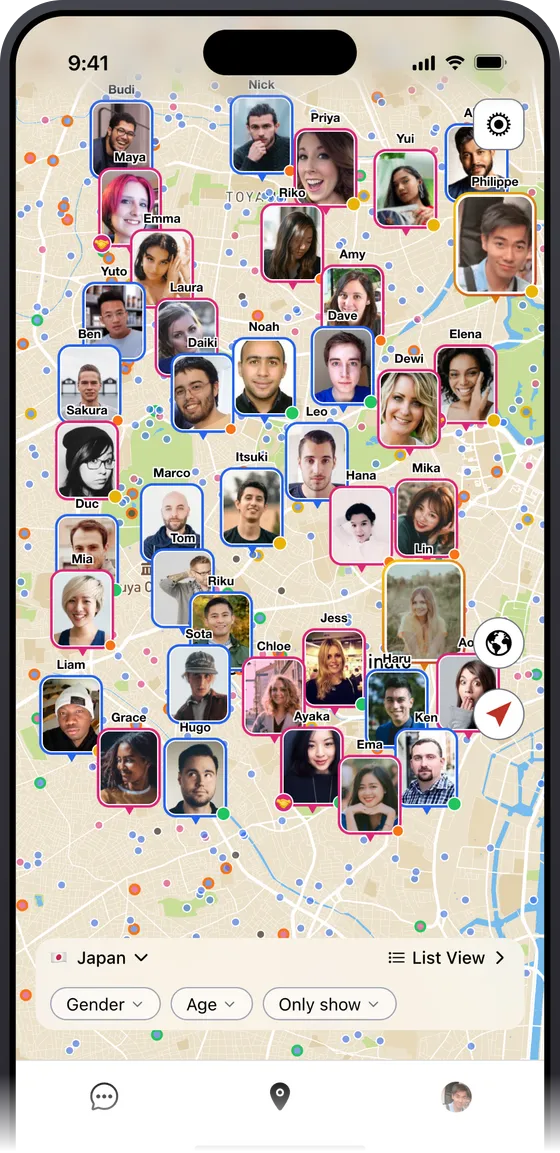
That is why I like starting early and widely. SewaYou is a map-based friendship app for meeting people nearby and anywhere in the world. You can find people in your own neighborhood in Japan, keep in touch with friends who moved away, explore another city from home, or connect with people before a trip and meet when you are in the same place. No swiping needed, just a map of real people open to new friends.
Make Japanese Friends On a Live World Map
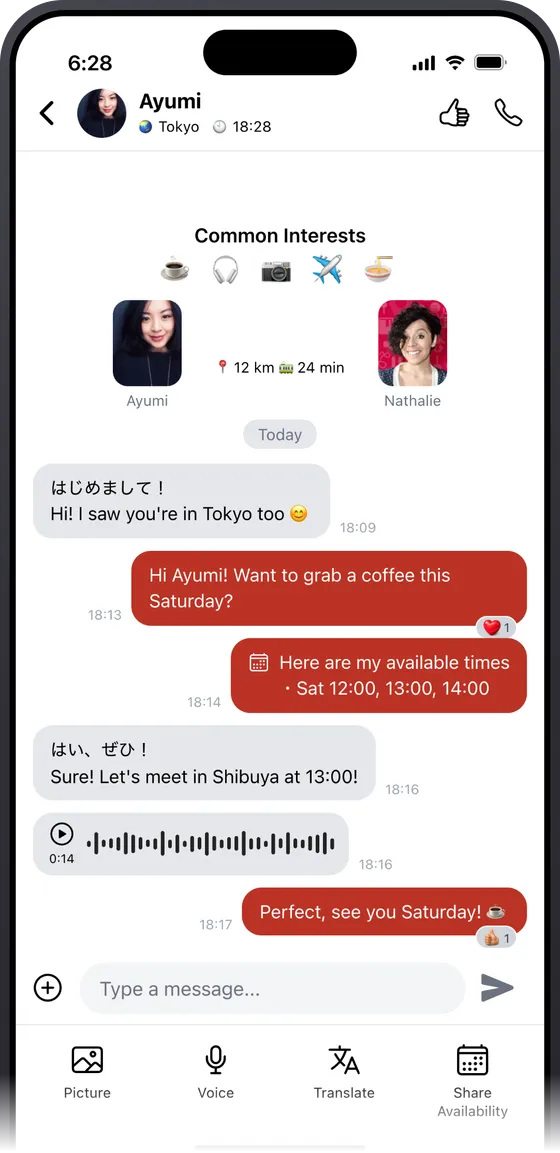


A few friendships in different corners of your life won't solve a visa problem or a tight budget. But they make every other problem easier to face, because you are not facing it alone.
If you are reading this because your own life here feels like it is resting on one thing, you don't have to wait for it to break. Add one more support this week. Find people near you, or anywhere, on SewaYou.