

I was at a yakitori place in Nakameguro last month, sitting next to a guy who'd been in Tokyo for almost six years. Canadian. Soft-spoken. Quietly competent at chopsticks.
When the owner asked what he wanted to drink, his friend — half-Japanese, fluent in both languages — answered for him.
He didn't even flinch. It had become the natural choreography of his life.
"I know I should be doing this myself," he said later, almost as an apology. "But I just... haven't, for five years."
This is the foreigner bubble in its purest form. Not the loud expat-bro version with its crawls through Roppongi. The quiet one. The one that wraps around the introverts, the long-termers, the people who came here intending to integrate and somehow never quite did.
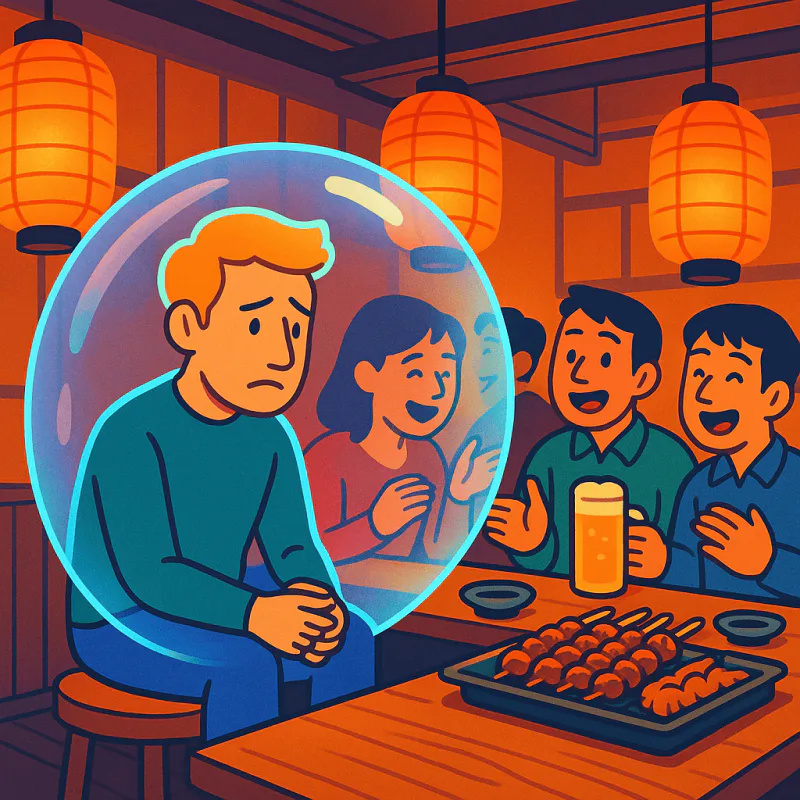
The bubble doesn't form because you're lazy. It forms because every part of your life quietly conspires to keep you inside it.
Your job is in English. If you work for a foreign company in Japan, you can go entire weeks without using Japanese for anything beyond convenience store transactions. Your meetings, your Slack, your one-on-ones — all English.
Your closest friends speak English better than your Japanese. This is the cruelest one. The bilingual half-Japanese friends, the international school kids, the long-term residents who became fluent — they're amazing people, and they're also the most frictionless social option you'll ever have. Why work hard when you can just hang out with them?
Restaurants, bars, and apps cater to you. English menus. English-speaking staff in tourist areas. International meetup groups. The infrastructure for "foreigner who never learned Japanese" exists, and it's comfortable.
The bubble isn't a wall someone built around you. It's a series of soft, comfortable cushions you keep accidentally sitting on.
This deserves its own section because almost nobody talks about it.
Having bilingual friends in Japan feels like a gift. They translate when needed. They explain cultural things you missed. They're the bridge between your two worlds.
But that bridge can become a crutch.
When your fluent friend is at the table, your brain quietly checks out of the Japanese conversation. You smile, you nod, you let them handle it. Multiply that by hundreds of social occasions over five years, and you've systematically trained yourself to not engage.
The fix isn't to ditch those friends — they're the best people you know. The fix is to deliberately put yourself in situations where they aren't there. Solo dinners at the local izakaya. A pottery class where you're the only non-Japanese person. A neighborhood association meeting.
Your Japanese will be terrible. People will be patient. And after enough of these, your brain stops outsourcing.
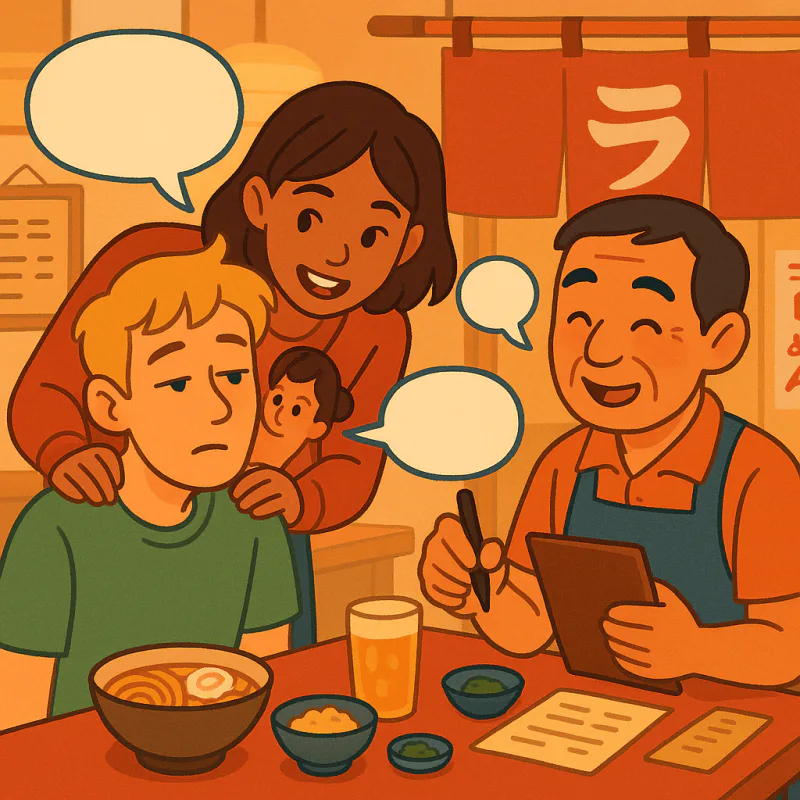
The most repeated piece of advice for foreigners who want to integrate is some version of: "Just go to nomikai every week. After enough beers your Japanese will flow."
This advice excludes a huge portion of the population.
If you don't drink — or don't drink much — the standard nomikai-driven path to integration isn't available to you. And that's fine, because the truth is: alcohol-based fluency is overrated. People who claim they "got fluent at the izakaya" usually had something else going on too — a Japanese partner, a workplace that forced it, a class they took seriously.
You can integrate completely sober. It just requires choosing a different set of activities.
Skip the nomikai-or-nothing thinking. Here's what works for people who want depth without the booze.
The single best path out of the bubble is becoming a regular at one specific Japanese-language activity. Not language exchange — those are full of foreigners. An actual hobby with locals.
Aikido dojo. Bouldering gym with a regulars' culture. A community choir. Cycling club. Pottery studio. Cooking class that runs in 6-week blocks.
The magic ingredient is frequency over time. Show up weekly for six months and the same people will start treating you as part of the group. The conversations get longer. Someone invites you to grab food after. That's the door cracking open.
Here's a problem most foreigners don't realize: the Japanese people in your actual neighborhood — the ones at your station, your konbini, your gym — are statistically the most likely to become real friends, because proximity matters more than anyone admits.
But there's no obvious way to find them. They're not at the international meetup in Roppongi. They're in apartments three blocks from yours.
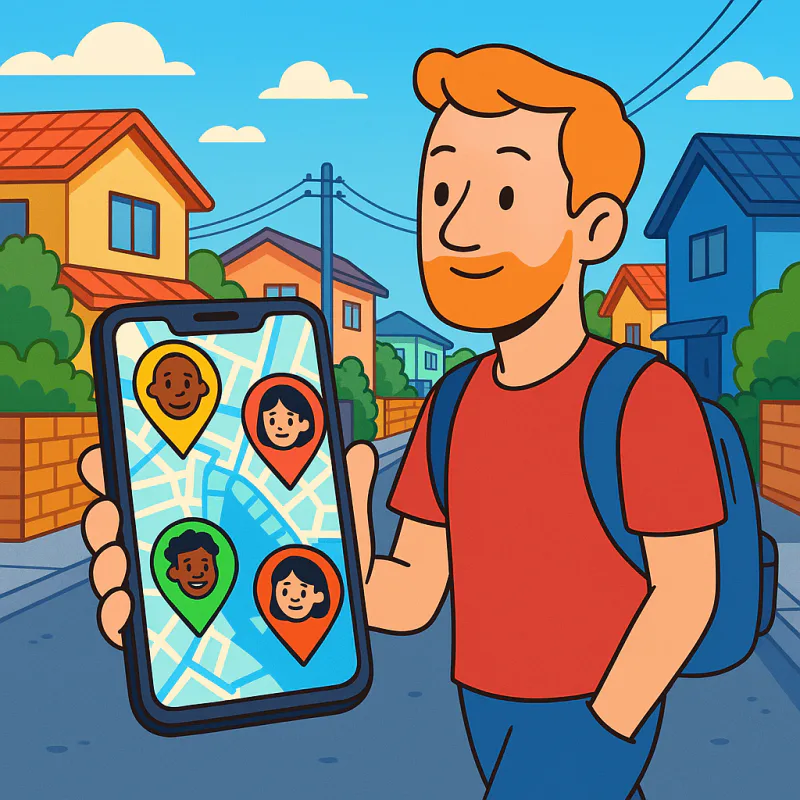
Make Japanese Friends On a Live World Map
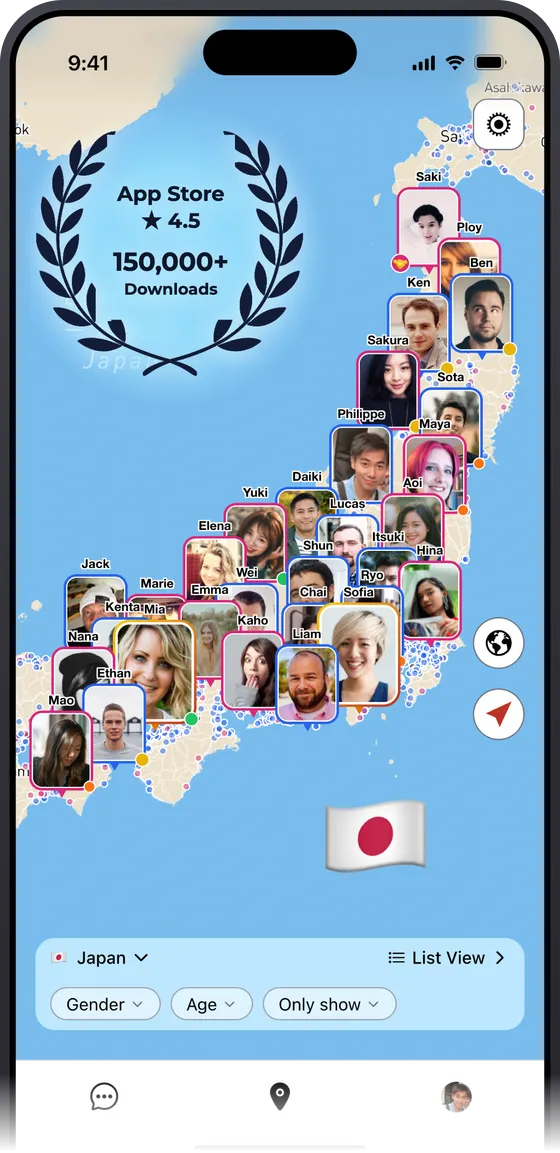
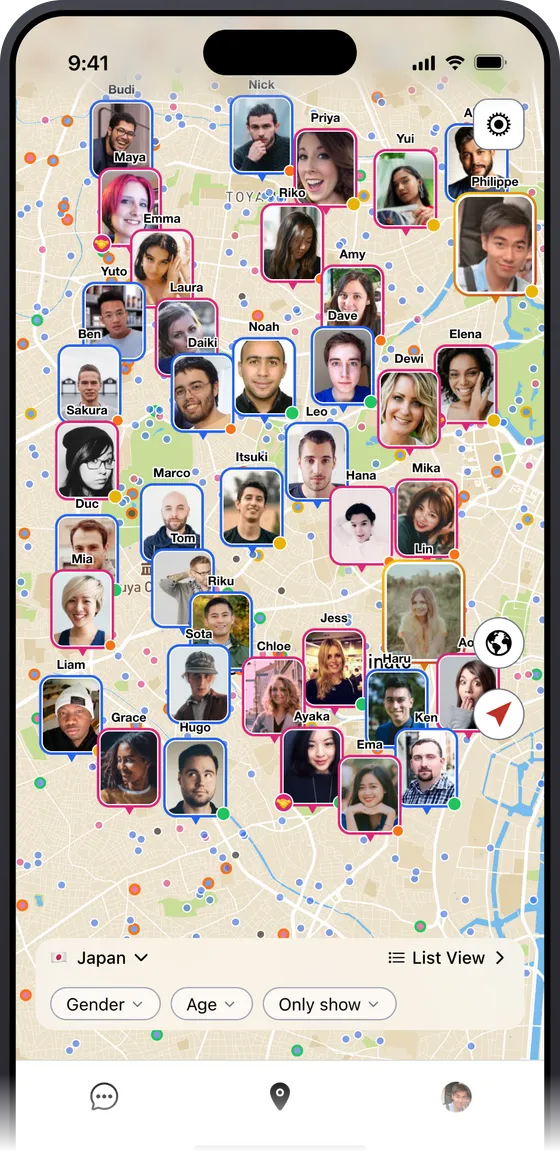
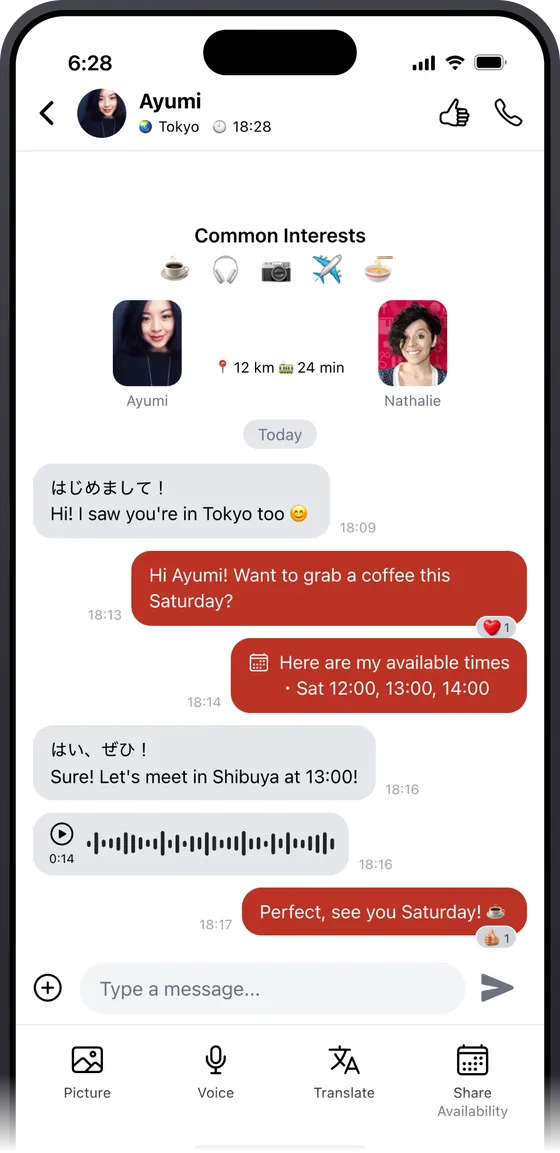


This is exactly why we built SewaYou around a map. You can see real people who live near you and want to meet — both Japanese locals open to international friends, and other foreigners going through the same thing. No travel time, no event scheduling. Just people in your actual area.
For someone trying to break the bubble, the proximity matters. Meeting once is one thing. Becoming actual friends with someone you can grab coffee with on a Tuesday because you live nearby — that's how integration actually deepens.
This one sounds gimmicky but it works. Pick one day a week — say, Saturdays — where you operate entirely in Japanese. No English-speaking friends. No English content. No defaulting to English at restaurants.
It's exhausting at first. By month three, it's your favorite day of the week, because your brain stops fighting the language and starts living in it.
The point isn't perfection. The point is breaking the unconscious habit of choosing English whenever it's available.
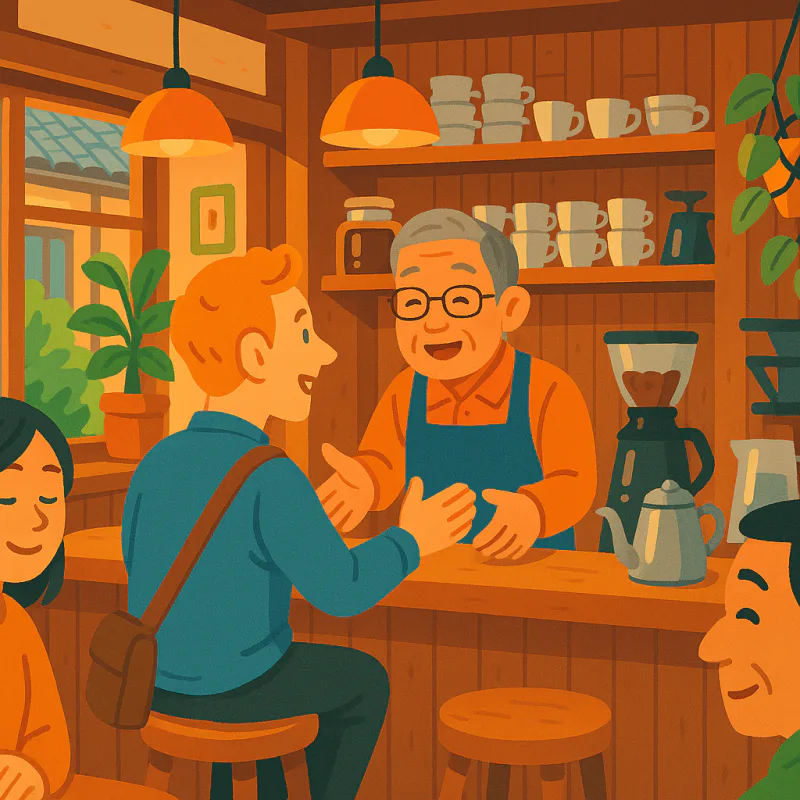
Every long-term foreigner I know who actually integrated has one specific place — a coffee shop, a small restaurant, a bath house, a barber — where the staff knows them by name and will chat for ten minutes whenever they walk in.
This isn't found through Google. It's earned by going to the same small place 30+ times. The owner remembers your face. Then your usual order. Then your name. Then your story.
A single place like this in your life unlocks more cultural depth than 100 meetups.
Your ward office (区役所) has a volunteer desk. So does most temples and shrines around festival season. So do disaster preparedness drills, neighborhood cleanups, and community events.
Volunteering puts you shoulder-to-shoulder with locals doing something meaningful, and the conversation that arises is genuine — not the awkward "where are you from" loop of typical first meetings.
If you've been here for years and you're only now realizing you're in a bubble, don't beat yourself up. The bubble is well-designed and most people fall into it.
But also: don't expect the bubble to break in a month. You spent five years building these patterns. Realistically, it takes 12-18 months of consistent, deliberate effort to genuinely shift your social center of gravity.
The good news is that progress compounds. Your first few solo Japanese conversations will feel terrible. By month six, you'll have a regular café where the owner asks about your weekend. By month twelve, you'll have one or two Japanese friends you actually text. By month eighteen, you might wonder why you waited so long.
If this hit close to home, here's the smallest possible starting move:
The bubble didn't form on purpose. It doesn't have to break on purpose either — but it does have to break on schedule. One activity, one regular spot, one Japanese-only day at a time.
Five years in is not too late. It's just the moment you finally noticed.


