

There's a take you hear constantly from foreigners who've been in Tokyo for a few years:
"Sure, I'd earn more back in Germany / France / the UK. But honestly? My life here is better."
And they list the same things — the food, the trains, the safety, cheap flights to Korea and Taiwan, walking around different neighborhoods on a random Saturday without spending much. After four or five years, the math just feels obvious to them.
But every time I hear this, I think the same thing: it's true, and it's incomplete. There's a variable people leave out, and it's the one that actually decides whether Tokyo lifestyle beats Europe — or quietly crushes you.
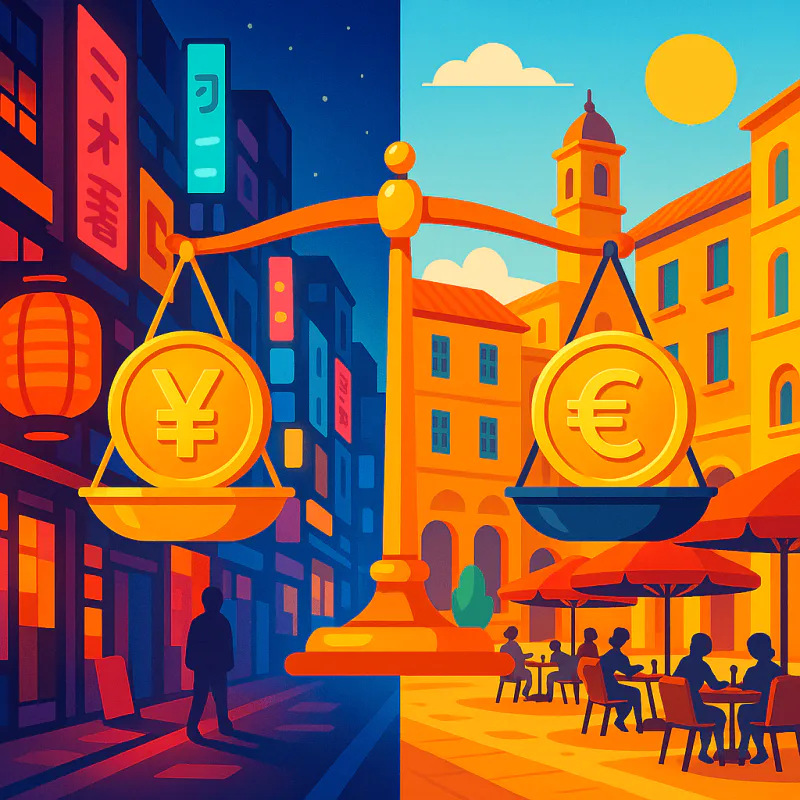
Let's be fair to the argument. The everyday things in Tokyo really are remarkable:
I'm not going to argue with any of this. Most of it is true.
But notice what these all have in common: they're things you experience by yourself, or with people you already know.

The "Tokyo beats Europe" comparison almost always comes from people who:
For everyone outside that profile, the equation looks completely different.
A cheap konbini dinner is delightful when you're heading home to a partner or roommates. It's depressing on day 47 of eating alone in your 1K apartment in Itabashi.
A walkable Saturday in a new neighborhood is magical when you're going with a friend. It's a strange kind of empty when you realize you've gone three weekends without saying more than "ありがとうございます" to another human.
The trains, the food, the safety — they're infrastructure. They make existing easy. They don't make belonging easy. And the longer you're here, the more that distinction starts to matter.

Here's the part that's uncomfortable to admit if you've fully bought into the Tokyo narrative.
In most European cities, the social baseline is just... higher. Friends from school, family within a few hours by train, a shared cultural script that means strangers will talk to you at a bar without it being weird. You complain about the trains and the prices, but you're rarely alone.
In Tokyo, the infrastructure is dramatically better and the social default is dramatically lonelier. That's the actual trade.
For a German expat who built a life here over four years, the trade is winning. For someone in their first 18 months, working remote, with no built-in coworkers and a 1-hour commute to the nearest international meetup, the same city can feel like a beautifully organized prison.
Same Tokyo. Two completely different lifestyles. The variable isn't salary. It's community.
If you're sitting in Berlin or Lyon or Madrid wondering whether to make the move — or if you're already here and trying to decide if it's working — here's the more useful question to ask:
"Do I have a realistic plan to build community in Tokyo within my first year?"
Not "will I figure it out eventually." Not "I'll just join a meetup." A real plan. Because the lifestyle calculation only swings in Tokyo's favor after you've solved that.
Things that actually move the needle:
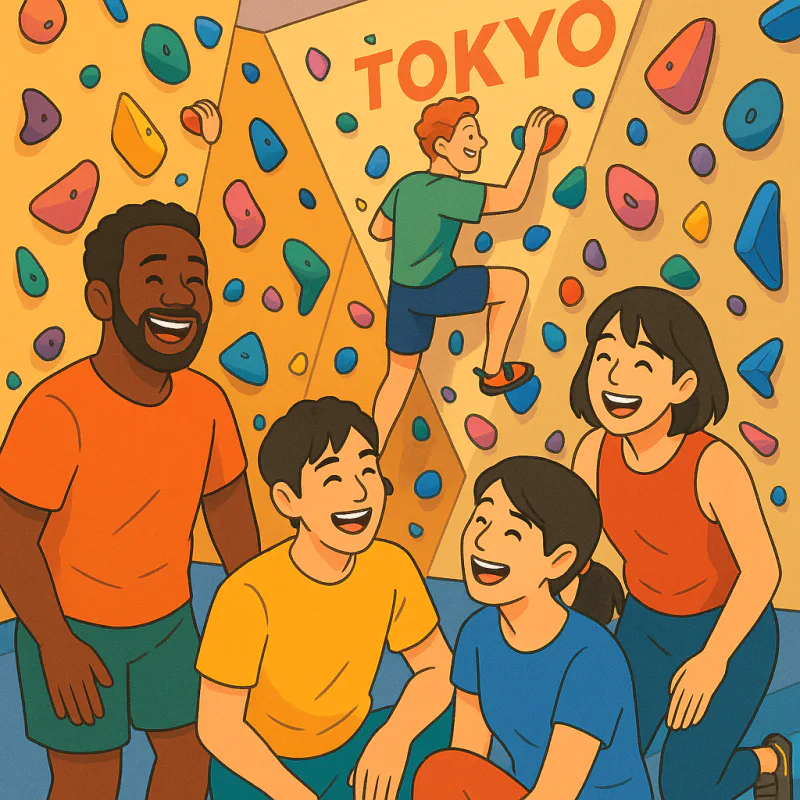
Make Japanese Friends On a Live World Map
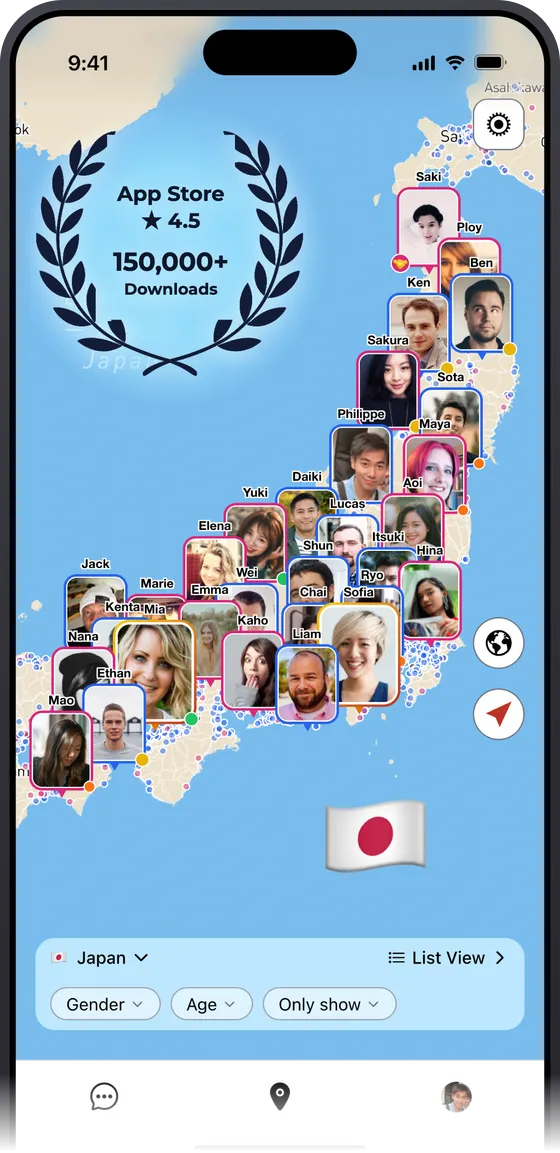
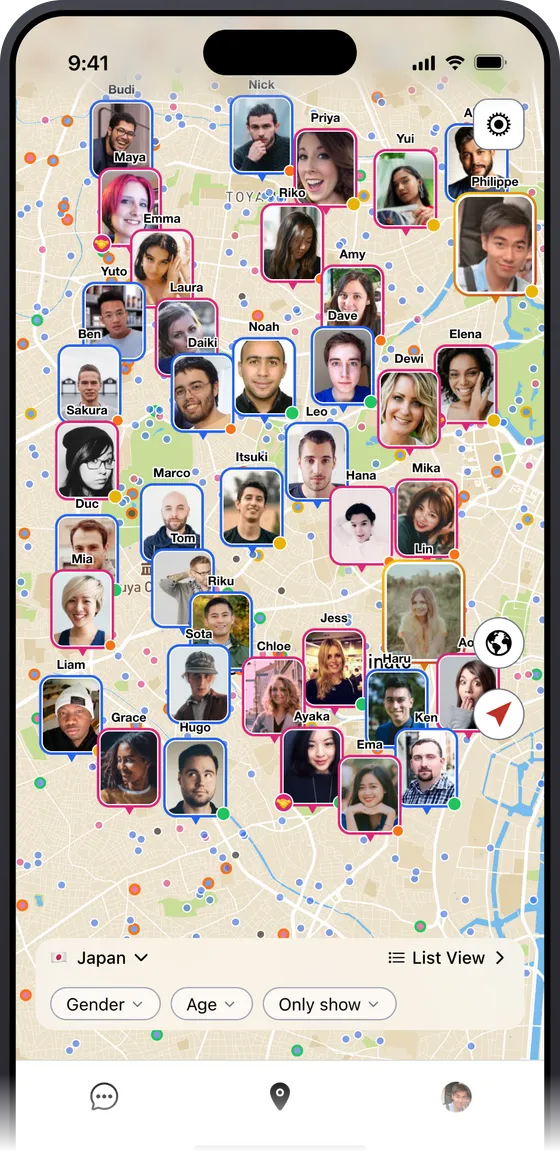
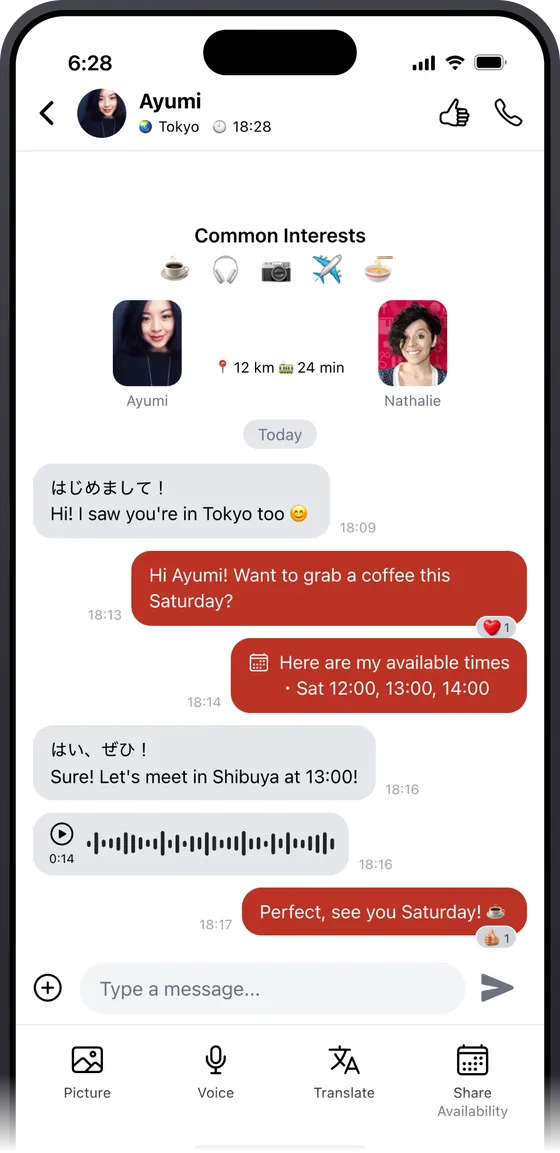


This is exactly the gap SewaYou was built for. Most "find friends in Tokyo" tools either point you to an event an hour across the city, or surface random users with no geographic context.
What actually works in Tokyo is proximity — finding the people who are already near where you live, work, or hang out. The barista you'd see weekly. The person three stations down who also wants a casual conversation partner. The neighbor in your ward who's been in the same lonely 1K trying to figure out the same thing.
You browse a map, see real people nearby, and reach out directly. No event scheduling, no Roppongi commute, no "let's meet next month."
Once that variable is solved, then the konbini dinners, the cheap weekend trips, the walking-around Saturdays — all of it starts compounding the way the four-year veterans describe.
So is Tokyo lifestyle better than Europe?
For people who've solved community: yes, often dramatically.
For people who haven't: it can be one of the loneliest places a foreigner ever lives, regardless of how good the trains are.
The salary comparison is a distraction. The infrastructure comparison is half the picture. The real question — the one that decides whether you'll be the German expat at year five saying "honestly, I'd never go back" or the one quietly booking a one-way ticket home — is whether you build a circle here.
Tokyo gives you the easiest existence in the world. It does not hand you a life. That part you have to assemble yourself.
Trying to assemble yours?
SewaYou is a map-based app that helps you find people nearby in Tokyo who actually want to connect — not for a one-off event, but for the kind of repeat, local friendships that make the lifestyle math finally tilt in your favor.


