
Picture yourself rewriting a message about getting coffee. Is the invitation too direct? Is suggesting a time pushy? Should you add another apology? Somewhere between draft three and draft four, a simple plan has become an imaginary diplomatic incident.
If that sounds familiar, you might be giving someone's nationality more attention than the person holding the other phone.
My take: friendship gets harder when you treat every Japanese person as someone who requires a special operating manual. You can learn local expectations and still bring your ordinary personality into the room. The person you're hoping to befriend deserves that freedom too.
Being considerate means noticing whether someone is comfortable, listening, and adjusting when you get something wrong. It doesn't require agreeing with every opinion, apologizing for every invitation, or hiding all your preferences.
Imagine a potential friend suggests a restaurant you can't afford. You could spend the afternoon worrying about how to avoid disrupting the plan. Or you could say, "That's a bit outside my budget. Would this place work instead?"
The point is respect without disappearing. Your budget, time, interests, and comfort belong in the conversation. You aren't being a difficult foreigner by having them.
Overthinking can also make you less curious. If you're busy checking whether you've performed the interaction correctly, you might miss the interesting thing the other person just said. What would you ask if you weren't grading yourself?

Local customs matter. So do the relationship, the occasion, and the individual. A first meeting with a manager and a weekend walk with a friend call for different judgments, even if both people happen to be Japanese.
Advice about politeness can be a useful starting point. Trouble starts when it becomes a prediction of everything someone thinks. A quiet response might mean uncertainty, tiredness, disagreement, or simply that there isn't much to add. Nationality won't tell you which.
Try curiosity over cultural guesswork. If you don't know how someone wants to communicate, leave room to ask. These are possible questions, not magic scripts:
Someone can answer differently from another person you met yesterday. Let that new information change your approach. You're getting to know a friend, not completing a checklist about Japan.
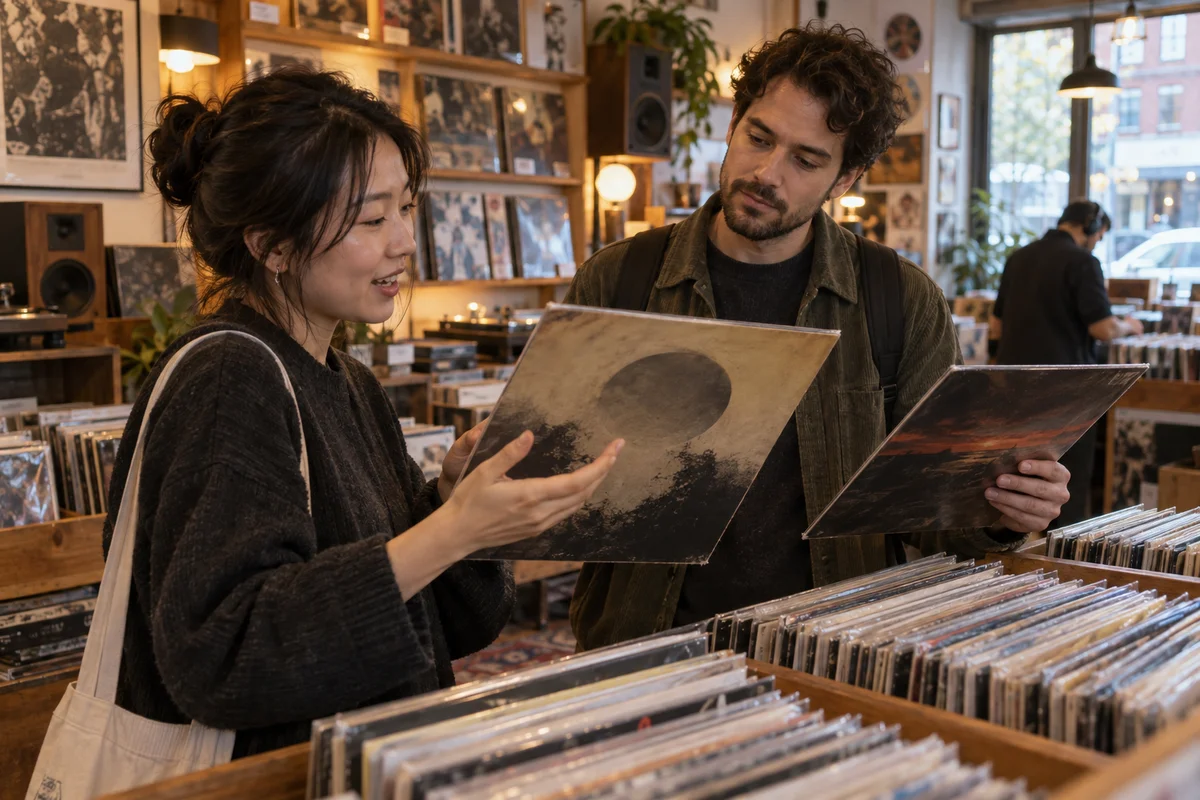
Suppose you're browsing records together. Your new friend loves an album you find boring. You don't need to pretend it's your favorite, and you don't need to prove their taste is terrible.
"I couldn't get into that one. What do you like about it?" gives both of you somewhere to go. You have a preference; they have a reason you haven't heard yet.
Leave room for ordinary disagreement. A friendship where you can never admit that you dislike a movie or want a different lunch spot can become tiring. Start with low-stakes preferences, pay attention to the response, and avoid turning honesty into an excuse to be harsh.
That same attention works in the other direction. If someone says no to your suggestion, take their answer seriously. They shouldn't have to agree with you to prove they're open-minded or unusually easy to talk to.
You don't have to decode someone's entire communication style before suggesting a plan. Give them something concrete to respond to, with enough room to decline.
For example: "I'm going to the park for badminton on Saturday afternoon. Want to join for half an hour? No worries if you're busy."
That's a plan, not an audition. It says what you want to do without asking the other person to reassure you that you understand Japan correctly. If they suggest a different time or activity, you now have something practical to work with.
If the answer is vague, you can leave the next move with them: "Sure, send me a day that works if you'd like to go." You don't need to decide whether the vagueness is cultural, personal, or a busy week before stepping back.
Look at the relationship over time. Do they sometimes reach out, suggest alternatives, or show interest in you? Mutual effort matters more than one perfectly phrased message. And if you're always chasing, you can spend your energy elsewhere without making a theory about an entire country.

"I want Japanese friends" can be a starting wish, especially when you've moved to Japan. But it doesn't tell you much about who you'd enjoy spending an ordinary Tuesday with.
Try getting more specific. You want someone who likes long walks, enjoys terrible horror films, or is happy to practice languages without correcting every sentence. Nationality alone can't tell you whether you'll click.
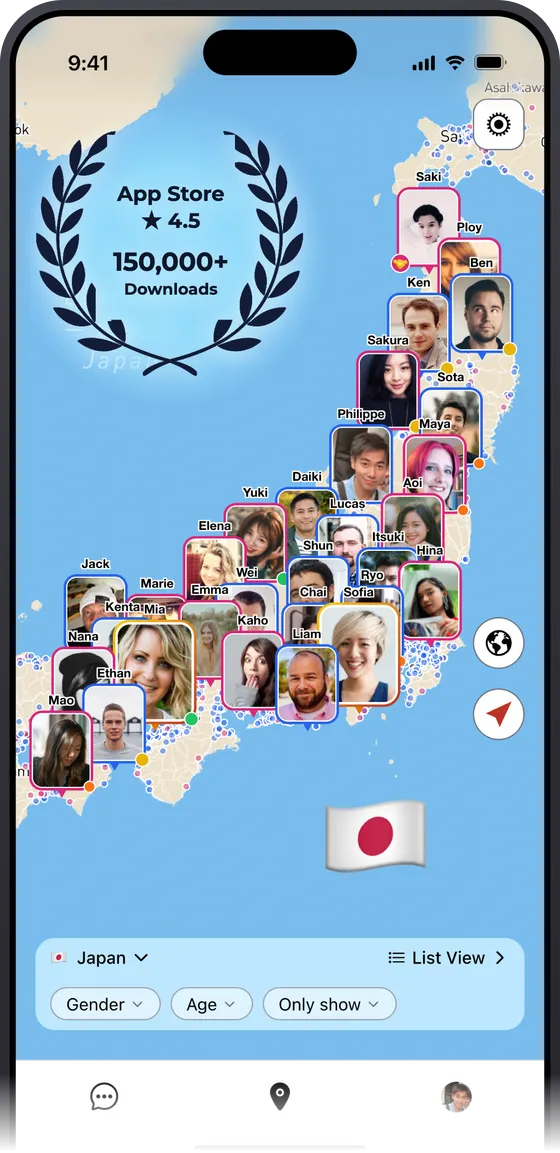
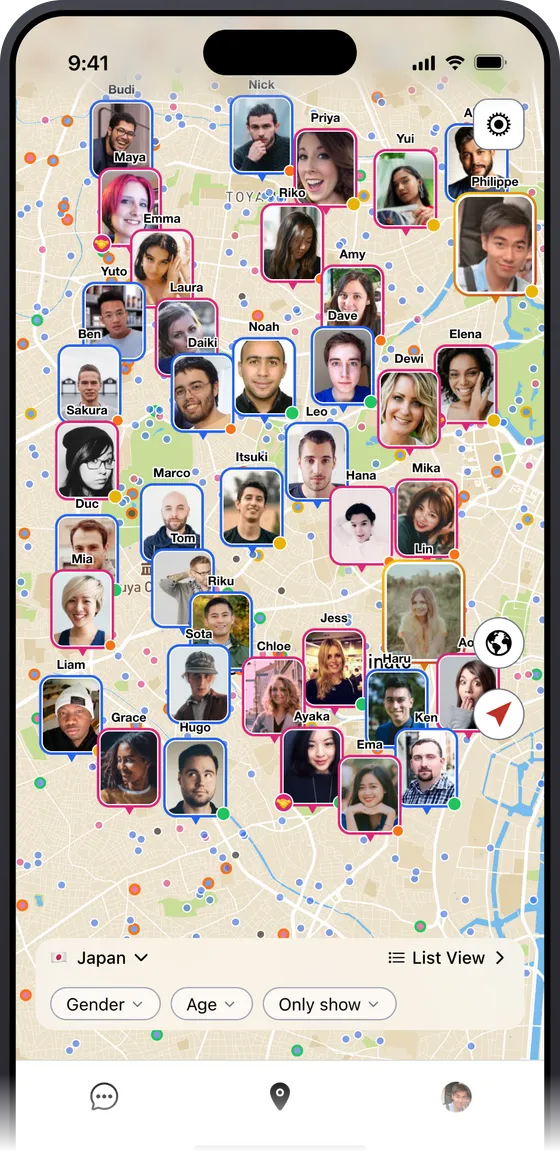
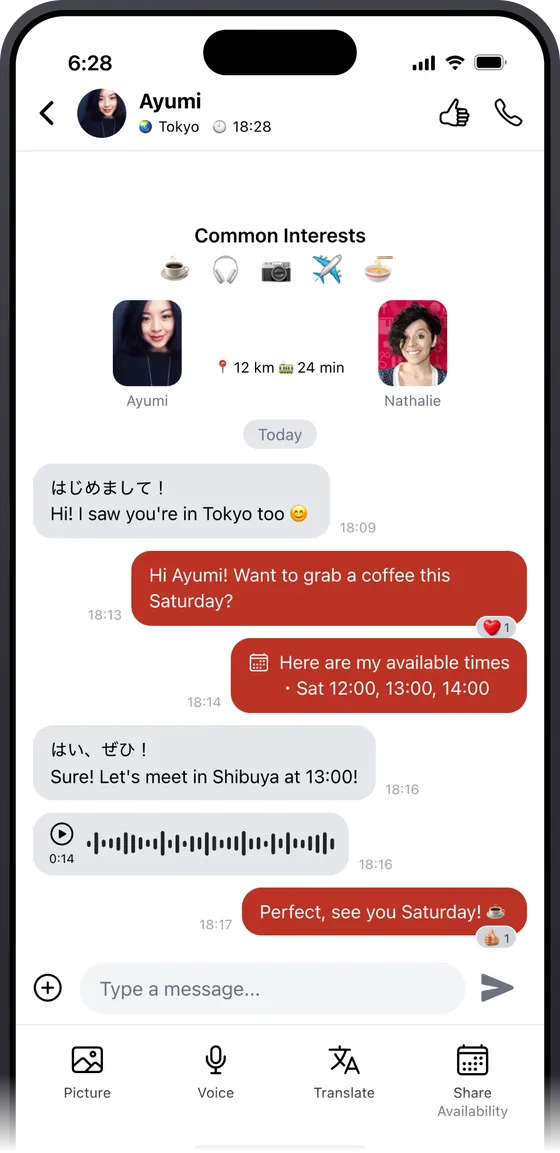
Look for a shared interest first. SewaYou is a map-based app for finding friends and language exchange partners nearby. Use a shared hobby or language goal as the opening, then suggest a short meetup in a public place that suits you both.
Make Japanese Friends On a Live World Map


You can still ask about unfamiliar customs. You can also talk about dinner, admit you're tired, or discover you have completely different music tastes. Those ordinary details deserve space alongside the cultural questions.
You don't need to become flawless at interacting with Japanese people before you start making friends. Start by getting to know one person, and let them get to know you. Download SewaYou and find someone you'd like to invite along.