

You got the offer. You signed the contract. You showed up to a Tokyo office, badge clipped, ready to do good work for a Japanese company that, somehow, decided to take a chance on you.
Six weeks in, you are not invited to meetings. Your manager nods politely, says nothing about deliverables, and your calendar is a strange, ghostly white. The pay still hits your account on the 25th. The Yamanote still loops you back home every evening. But the actual job? It quietly evaporated.
This is not a one-off. It is a pattern foreigners in Japan know too well. You are employed, technically, but you have been edited out of the work itself.

It rarely happens in a single conversation. Nobody fires you, nobody yells, nobody even seems angry. The withdrawal is slow and polite.
Tasks dry up. Meetings happen without you. Documents get shared in a Slack channel you cannot see. You ask your manager what you should be working on, and they give a vague smile and "we'll find something for you next week." Next week never quite arrives.
Eventually you realize the calendar is doing your job for you. You commute in. You sit. You eat a conbini onigiri. You commute home. Repeat for as long as the contract lasts.
A few things tend to be running underneath the silence.
The first is the hiring mismatch. Japanese firms sometimes hire on paper credentials, fancy résumé, English ability, foreign client experience, without anyone on the receiving team actually planning what you will do day to day. Your role is theoretical. When you arrive, the theory does not survive contact with reality.
The second is language. If your team works almost entirely in Japanese and you are N5, every task you touch becomes someone else's translation problem. After a few rounds, your colleagues quietly route around you. Not out of malice. Out of fatigue.
The third is internal politics. Maybe your manager was not the one who pushed for your hire. Maybe HR did. Maybe a director did. Whoever they were, your manager now has a person they did not pick, sitting in a seat they wanted to allocate differently. You become a salary line, not a teammate.
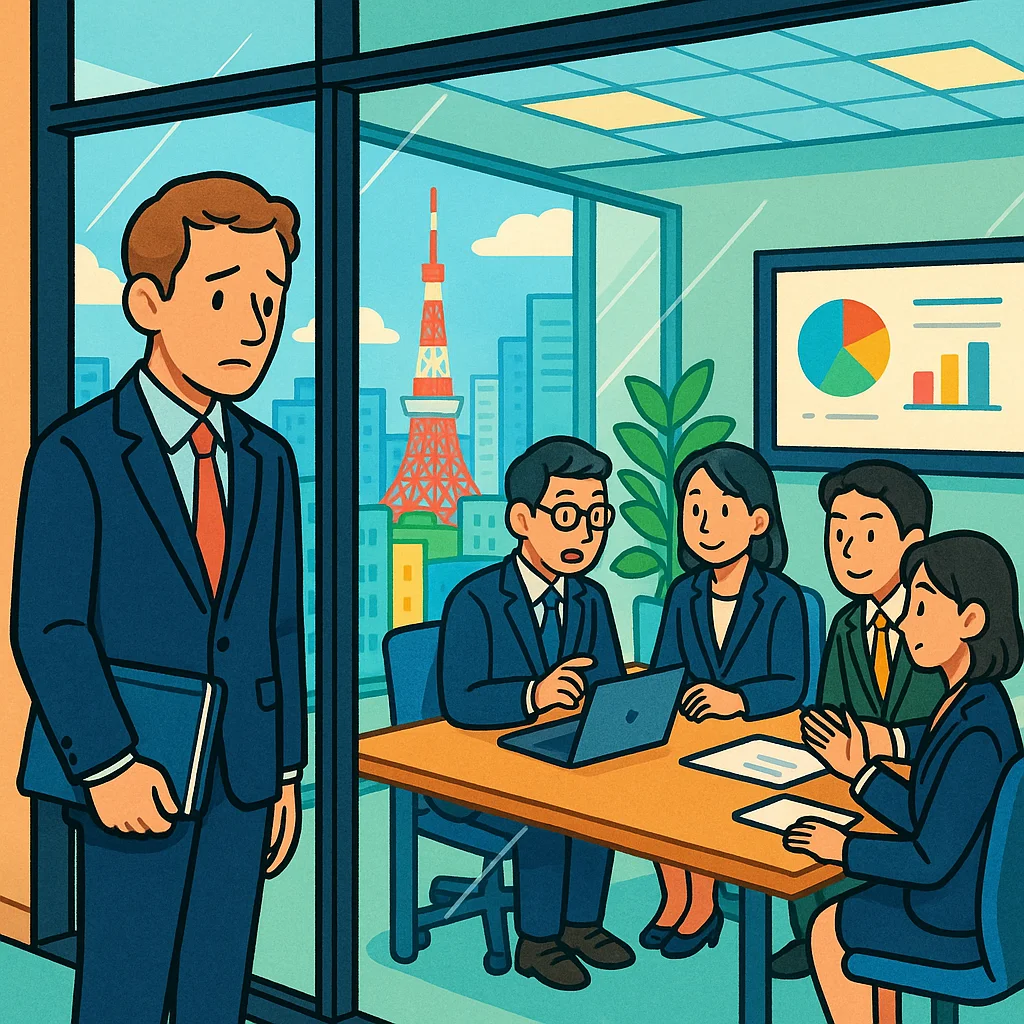
And occasionally, paranoia. Foreign hires get flagged as "security risks" surprisingly often. Especially if your previous employer was a competitor, a consultancy, or anything overseas. The "risk" usually is not real. The exclusion is.
Here is the trap. On paper, you are winning. Tokyo address, Japanese employer, healthcare card, foreign-friendly bank account, a steady payday. Your friends back home would kill for it.
But money was never the whole point of moving to Japan. The point was the life, not the line item.
When work goes hollow, a lot of other things start going hollow with it. You stop practicing Japanese because you do not speak it at the office. You stop meeting new people because work was supposed to be the funnel. You stop having stories to tell at dinner because nothing happened that day, again. Slowly, the version of you who moved here starts to flatten.
If you let the empty desk become the center of your week, the year disappears. One year of riding the Yamanote and clocking in is one year you do not get back.

You probably cannot fix the job. Internal politics rarely reverse themselves, and N5 to fluency on company time is not realistic. So redirect the energy.
Treat the empty workday as a stipend, not a sentence. You are being paid to exist in Tokyo. That is a weirdly powerful position if you stop fighting it.
A few moves that actually help.
Use the dead hours to study Japanese properly. Not Duolingo at lunch, but a real tutor twice a week and a graded reader on the commute. By the time the contract ends, your level can be N3, which makes the next job hunt a completely different conversation.
Build a social life that does not depend on coworkers. Language exchange meetups, hobby circles, neighborhood izakaya regulars, a running club, anything where you are a person and not "the foreigner from the third floor." Friendships you make outside work are the ones that survive job changes, visa changes, and city changes.
Start a side project that builds a portfolio. Writing, consulting, open source, a YouTube channel about Japan, it does not matter. When the contract ends and you need to explain the year, "I shipped X on the side" is a much better story than "I sat on the bench."
Talk to other foreigners who have been through this. The shape of the situation is more common than you think, and people who have already passed through it have the most realistic advice about whether to job-hunt now or coast to the end of the contract.

A hollow job in Tokyo is one of the strangest experiences in modern Japan life. You have not failed. You have not been fired. But you have been edited out, and nobody is going to write you back in.
The cure is not inside the office. It is in the rest of your week, in the people you meet, the language you actually use, and the version of your Japan life that does not depend on whether anyone copies you on the next email thread.
You moved here for a reason. Let the salary fund that reason. Let the empty calendar push you outside the building.
Make Japanese Friends On a Live World Map
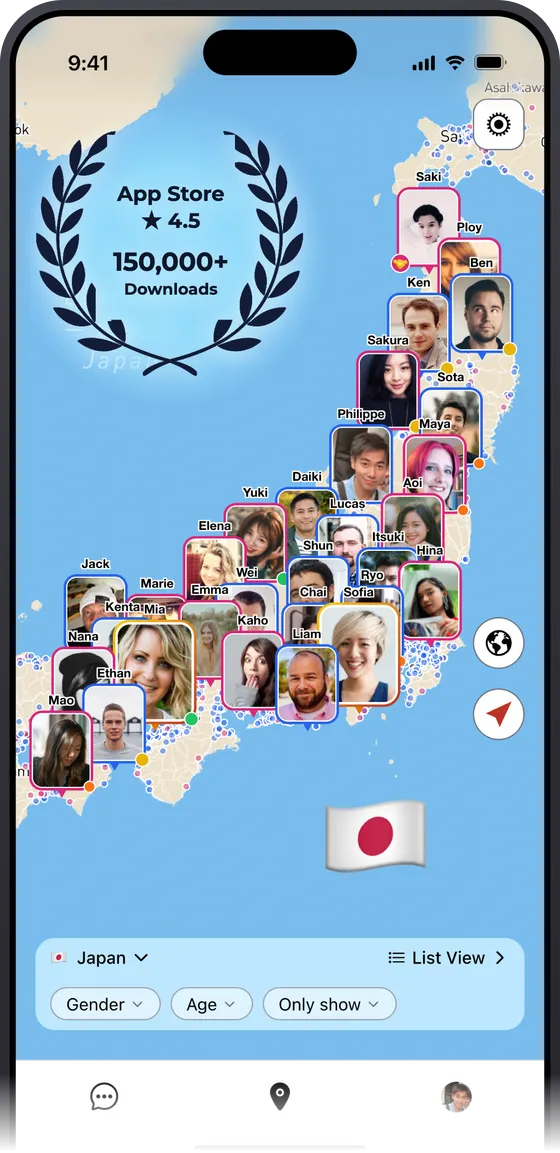
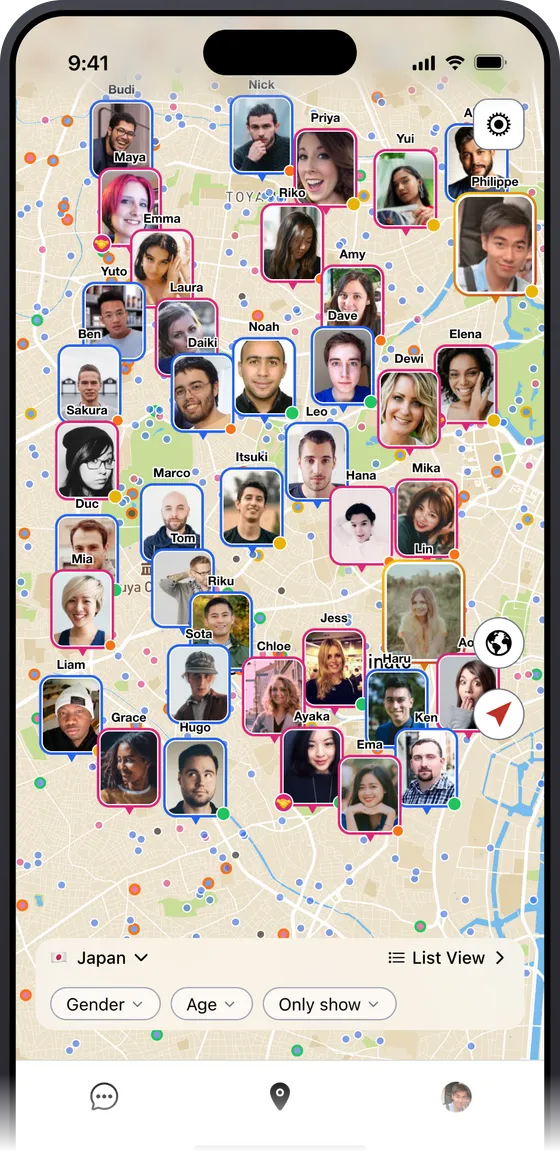
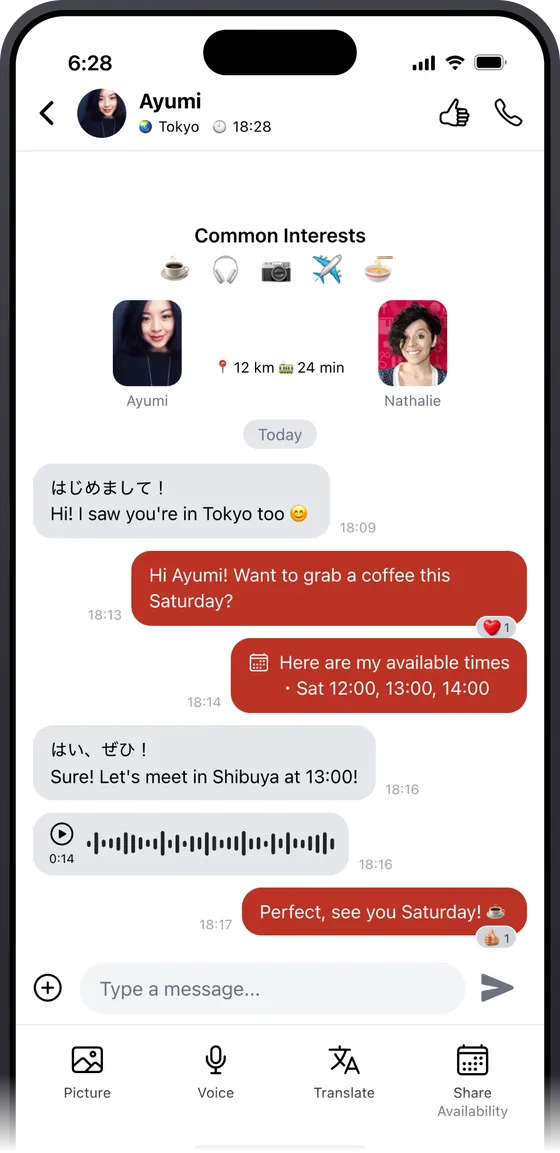


If your job has stopped being the place you meet people, SewaYou is the app I tell foreigners in Japan to install. It is a map-based language exchange and friend-finder, which means it shows you actual nearby people you can meet for coffee, not a global feed of strangers you will message twice and forget.
The map matters because the antidote to a hollow workweek is real, in-person hours with people who live around you. A language partner in Shibuya. A running friend in Setagaya. A neighbor who also moved here from somewhere else. That is the part of Japan life the office was never going to give you anyway.
Download SewaYou here and stop letting an empty calendar define your time in Tokyo.


