

Somewhere around twenty five, the way you make friends quietly breaks. Nobody tells you this. You just notice that the easy paths, school clubs, dorm hallways, that one job where the whole team went out on Fridays, are gone, and nothing has replaced them. You are not lonely exactly. You have people. You just have not made a new real friend in a year, maybe two.
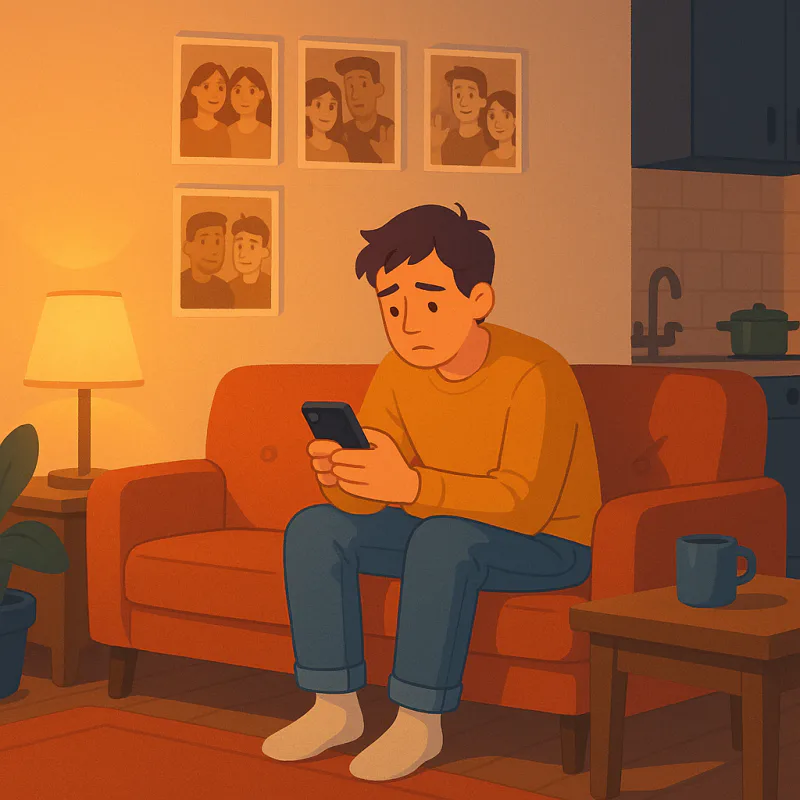
Then add the part where you want international friends. People from other cultures, other languages, people who can pull you out of the little bubble your adult life has narrowed into. That second layer is what most "how to make friends" articles ignore, and it is the layer that actually matters to a lot of us in 2026.
This is the honest version of what I have learned, mostly from doing it wrong for a few years before doing it slightly less wrong.
The reason adult friendship is hard is not mysterious. It is logistics. As a student you saw the same forty people every day without trying. As an adult, you see the same three coworkers, your partner if you have one, and the cashier at the konbini. Repetition is what builds friendship, and adult life accidentally removes it.
Adding "international" on top means you are looking for repetition with people whose lives might not even overlap with yours in the same time zone, never mind the same neighborhood. Friendship is a logistics problem, not a personality problem. Once you accept that, everything that follows makes more sense.
So here is the rough order of what actually moves the needle, from highest leverage to lowest, based on the messy years of trying things.
Make Japanese Friends On a Live World Map
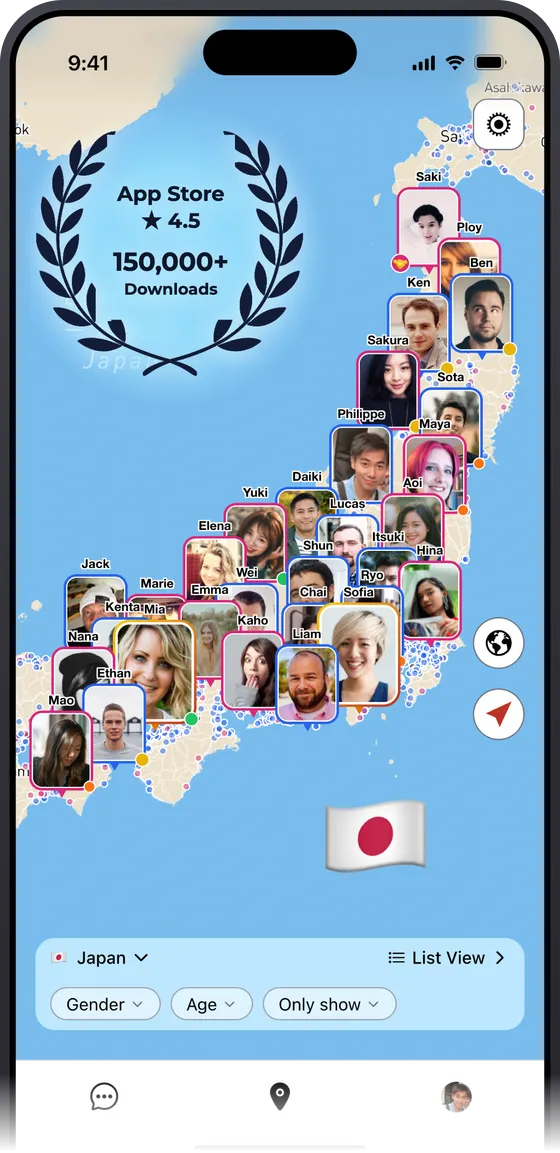
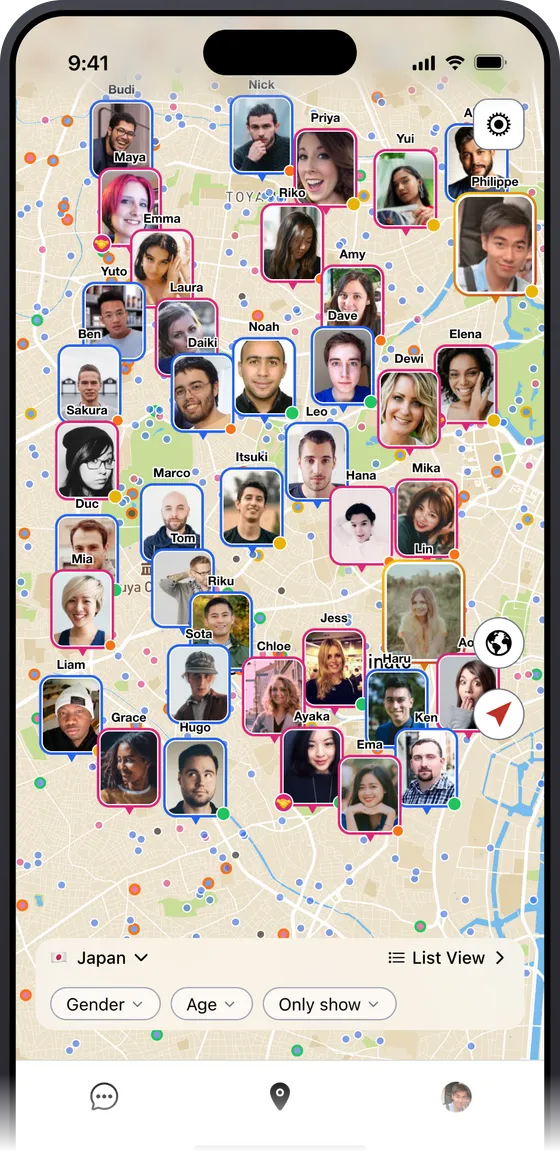


The single biggest unlock for me was switching from global chat apps to location-based ones. On a global text app you match with someone interesting in a different country, the conversation is great for two days, then dies. There is nowhere for it to go. You cannot grab a beer with someone in Berlin if you live in Yokohama.
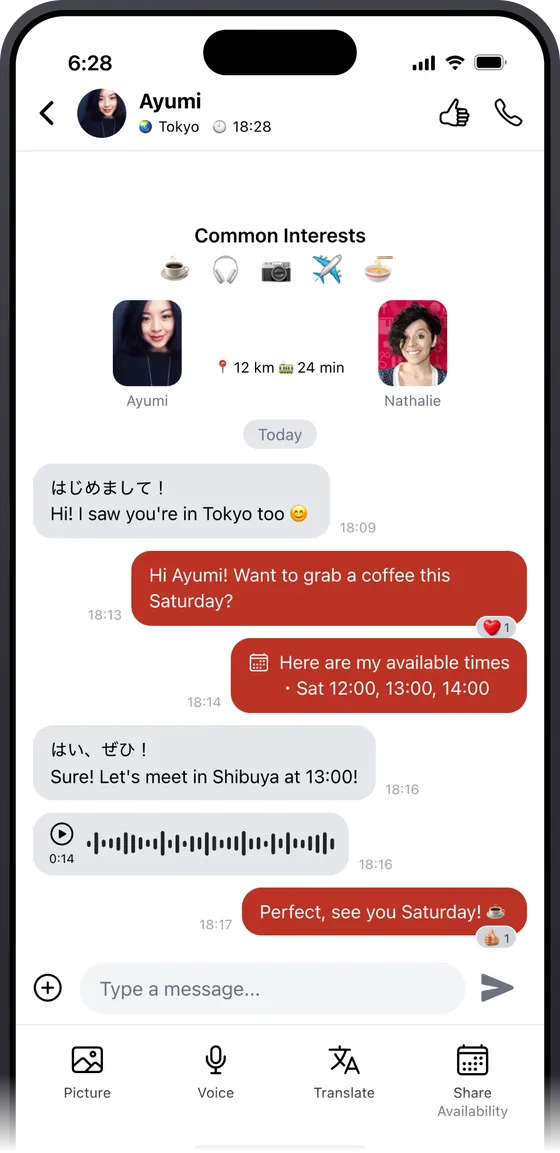
SewaYou is built around this exact problem. It is a map-based friend-finding app focused on Japan. Instead of dropping you into a faceless feed, it shows you who is actually nearby. The Japanese person two stations away who wants to practice English. The foreigner studying Japanese in your same neighborhood. You message, you agree on a cafe, and you are doing the only thing that actually creates friendship, which is being in the same room as another human.
The map is the entire product. Everything else, profiles, interests, language tags, is just the filter on top. The real magic is that once you can see who is realistically meetable for coffee this Saturday, the whole abstract problem of "how do I make international friends" becomes a concrete question of "which one of these five people do I want to message first."
If you live in Japan or are visiting for a while, this is the first thing I tell people to install. Smaller user base than the global apps, but one coffee beats a hundred dead chats.
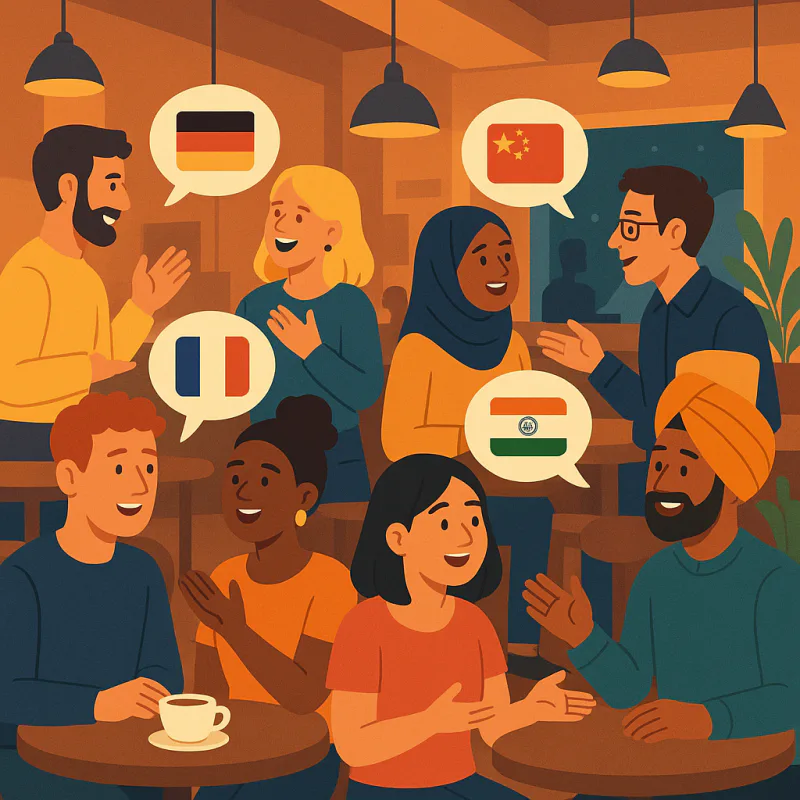
The second highest leverage thing is showing up to a language exchange in person. Most cities with any international presence have at least one weekly or monthly event. Search Meetup, Peatix, or the local Facebook groups.
The reason these work is the same reason apps mostly do not. You are in a room with twenty people who all explicitly want the same thing you want, which is to meet someone from a different culture and practice a language. The conversation barrier is gone before you even sit down.
The catch is consistency. Going to one event and concluding "language exchanges are not for me" is a guarantee of failure. The first event is recon. The second event people start recognizing you. By the third or fourth, you are part of the small core that shows up every time, and the small core is where the actual friendships form.
Easier said than done, but worth saying. If you have any flexibility in your career, choosing a workplace where the team is genuinely multinational is one of the highest yield friendship investments you can make. You get the repetition that adult life otherwise removes, you get it five days a week, and the people around you are already pre-selected for being open to cross-cultural friendship.
This is how a lot of people in Tokyo accidentally end up with the most international friend circle of their lives. Not because they tried, but because their office was naturally a mix of Japanese, American, Indian, French, Brazilian, and the friendships happened sideways while everyone was just doing their jobs.
If switching jobs is not on the table, this still applies in softer forms. A coworking space, a freelance community, an industry meetup. Anywhere you spend enough hours that repetition happens on its own.

Some hobbies are accidentally international and some are not. Pick the ones that already attract a mix.
Climbing gyms, in almost every major city I have lived in, have an unusually international crowd. Same with running clubs, board game cafes, salsa classes, ultimate frisbee leagues, and any community around a slightly nerdy or expat-friendly interest. Standup comedy open mics in English. Cooking classes. The local jazz jam.
These are not friendship apps. They are activities, and friendship is the side effect. That is exactly why they work. The conversations are about the thing you are doing together, which removes the awkward "so why are we both here" energy that every direct friendship app accidentally creates. You are there for climbing. The friendship is a bonus that arrives on its own after the third time someone spots you on a route.
A short, honest list of what I would not bother with again.
Pure-text language apps where everyone is global. HelloTalk and Tandem are useful for language drills, but most conversations die within two days because there is no plausible next step. A great chat that never becomes coffee is just entertainment.
Random Discord servers where you do not know anyone. Discord can work, but only after weeks of lurking and showing up to voice channels regularly. It is a low-yield place to start.
Reddit DMs and random Twitter follows. The conversion rate from "interesting stranger online" to "actual friend in real life" is essentially zero unless you both happen to be in the same city already.
Big anonymous Facebook expat groups. Mostly real estate posts and complaints about the post office.
If you reread the list, every single thing that works has the same underlying property. It puts you in the same physical space as the same people, more than once. That is it. That is the entire formula.
Location-aware apps shortcut you to the same neighborhood. Language exchanges shortcut you to the same room. International workplaces shortcut you to the same floor every weekday. Hobbies shortcut you to the same gym, the same court, the same dance studio.
Repetition plus proximity equals friendship. Everything else is just decoration on those two variables.

If you are in Japan, install SewaYou, open the map, find one person within a few stations who looks interesting, and propose a coffee for Saturday. Two hours, one cafe, no agenda. If it goes well you have a new friend. If it does not you have a story.
If you are not in Japan, open Meetup and find one international or language exchange event that is happening in the next seven days. Go alone. Stay an hour. If you liked it, go again next month.
Adult friendship is not complicated. It is just inconvenient. The people who end up with rich international friend circles are not the ones with the best apps or the most charm. They are the ones who keep showing up after the first awkward attempt did not magically produce a best friend.
You will not regret the coffee. You will regret another year of scrolling.
Stop scrolling, start meeting. SewaYou is the map-based app that gets you from "I should make more international friends" to a real cafe with a real person this weekend. Free to download, built for adults who are tired of conversations that die in two days.


