
Imagine getting through a demanding school day in Japanese, opening another assignment at home, and wondering whether choosing this school has already decided your future. People tell you to work harder. You are already working hard.
The frightening part is how quickly several problems can become one verdict: I picked the wrong school, I do not fit in, and now I am stuck. When your classmates and teachers make up most of your world, there may be nobody around to challenge that conclusion.
My starting point would be this: you need specific answers about your options, and you need people who can see you outside those options. Neither requires pretending that school is going well.
A heavy workload, a teacher who intimidates you, a missing subject, and classmates you cannot connect with are different problems. They can pile up together, but they do not all have the same solution.
Try making two lists: what happened, and what you fear it means. "My timetable does not include a subject I may need" belongs on the first. "No university will ever accept me" belongs on the second until you have checked the actual requirements.
Keep the distinction clear: fear versus confirmed facts. This is not positive thinking. It is a way to stop an unanswered question from quietly becoming a life sentence.
Be specific about the school, too. Your experience matters without becoming a verdict on every technical high school in Japan, or on every student who chooses one. A practical course and a university goal may require planning together, but frustration alone cannot tell you which routes are available.

"Can someone like me go to university?" carries a lot of emotion and very little information an admissions office can use. Start with a particular university, department, entry year, and admission route.
JASSO's official guide to Japanese universities is a useful starting point. For your own case, read the institution's current application guidelines and ask its admissions office to clarify anything uncertain. General eligibility and eligibility for a particular selection route are separate questions.
You could ask:
These are suggested questions, not a promise that any route will be open. A teacher can help you prepare them and interpret the answer. If advice conflicts, ask the admissions office which current requirement applies to your situation and keep the reply.
The priority is specific requirements before extra qualifications. Before adding another certificate to an already crowded week, check whether your target route requires or considers it. More work is not automatically more useful work.
When you feel trapped, it is tempting to turn everyone around you into evidence that you are in the wrong place. The noisy classmate becomes proof that nobody cares. Someone choosing employment becomes proof that nobody shares your ambition.
But another person's goal does not have to match yours for them to be decent company. You can dislike disruption without deciding that every classmate has nothing to offer. You can also admit that you have not found your people yet.
Look for one workable connection at a time. That might be a classmate who shares notes, someone who walks to the same station, or a person who enjoys the same game. They do not need to become your closest friend or understand your entire education plan.
Try an invitation small enough to answer: "Want to review this assignment together?" or "I'm heading to the station. Are you going that way?" If it goes nowhere, that is information about one invitation, not your ability to belong in Japan.
If every conversation is about reports, rankings, and what comes next, even a free afternoon can feel like an exam waiting to happen. Give one relationship permission to be about something else.
An existing friend back home counts. So does a relative you can be honest with, a familiar person at an age-appropriate hobby group, or someone you already trust outside school. You do not need a completely new social circle before you can have a less lonely week.
Ask for something concrete: "Could we talk for twenty minutes? I mostly need someone to listen." Or suggest a walk where university plans are off the agenda unless you bring them up.
Make room for support without another qualification. You do not have to earn company by becoming fluent, successful, or cheerful first. A conversation in the language that feels easiest can be exactly what you need after a day of concentrating in Japanese.

For this week, choose one academic question to clarify and one person to contact. That might mean emailing an admissions office on Tuesday and arranging a short call with a friend on Saturday. Leave room for sleep and ordinary downtime rather than filling every gap with preparation.
If distress keeps returning or makes sleeping, eating, or attending school difficult, tell a trusted adult, school counselor, or healthcare professional what is happening. If a teacher's behavior is part of the problem, choose another trusted contact. For a younger student, a parent or guardian can help carry the conversation.
You deserve help before the breaking point. Getting support does not commit you to staying, leaving, or abandoning a goal. It gives you somewhere to think through those choices with help.
For adults studying in Japan, the same principle applies beyond the classroom: your school does not have to supply every friendship. Shared interests can give you a reason to talk that has nothing to do with your academic record.
SewaYou is a map-based friendship app for finding people nearby and anywhere in the world. You can explore another city or country from home, build online friendships without travel plans, connect before a trip, and meet in person when you are nearby.
Make Japanese Friends On a Live World Map
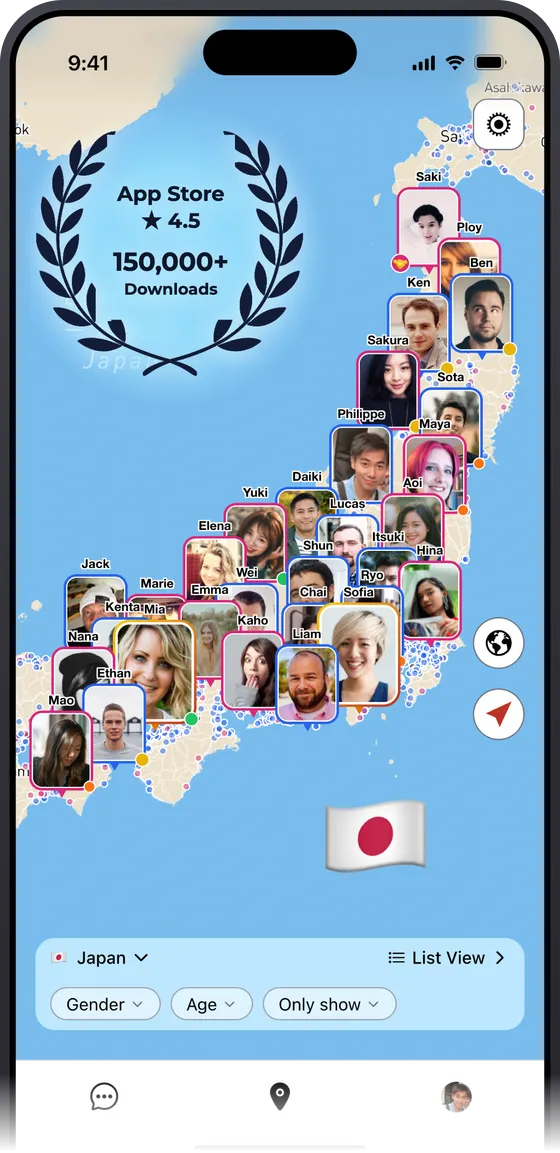
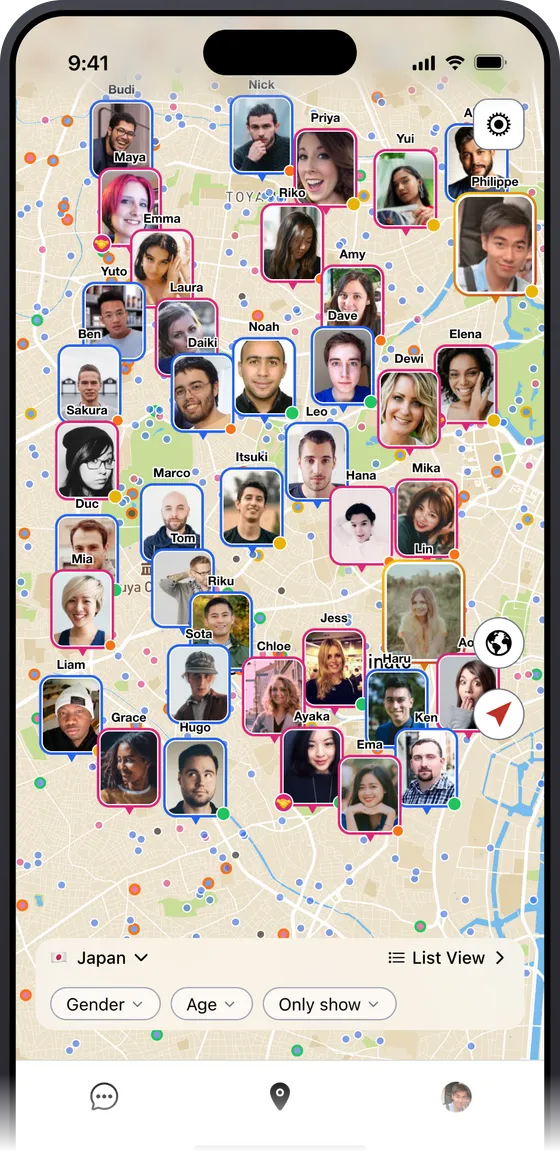
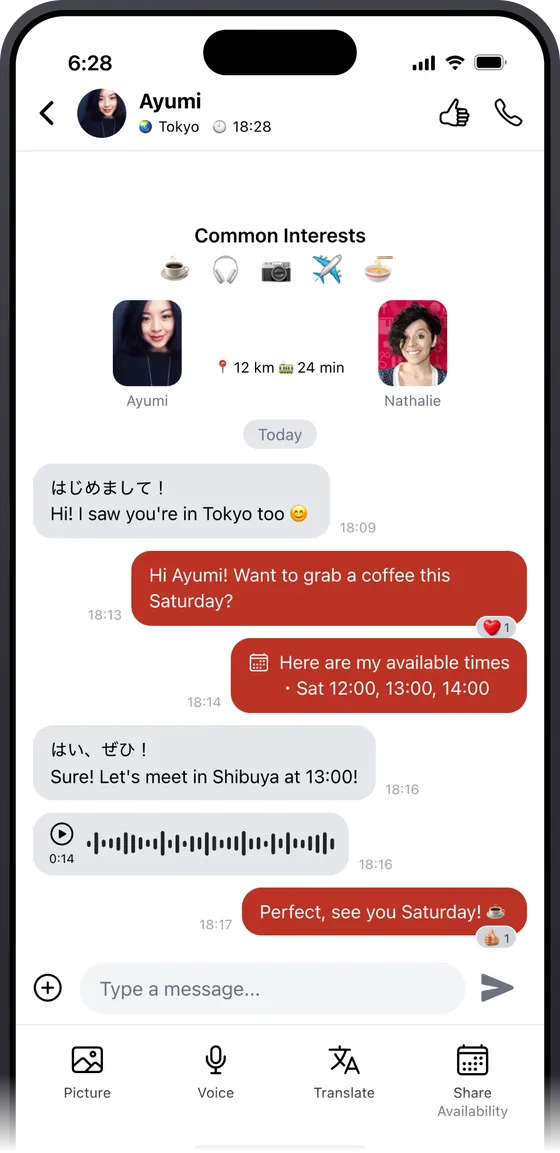


Start with something you actually want to share: a favorite game, a language you enjoy, or a short weekend walk. There is a world beyond your school to connect with. New friends will not decide your admissions eligibility, but friendship can give you something worth looking forward to while you work out the next step.
Download SewaYou to find friends nearby or around the world, and start one conversation beyond your school day.