
Learn the language. Understand the culture. Put yourself out there.
That advice can help with life in Japan. It also has a limit that deserves to be said out loud: you can do all three and still encounter racism. Being able to explain your work beautifully in Japanese doesn't make another person willing to respect it.
For a Black professional in Japan, the question of belonging can involve much more than finding the right conversation starter. What happens when you like parts of your life here, but the effort of being treated as an outsider leaves you with little energy to enjoy them?
I don't think the answer should be another assignment to become more impressive, more patient, or easier for everyone else to understand.
If someone dismisses your expertise because you're Black, the problem isn't a missing vocabulary word. If a colleague makes a racist remark, speaking more politely won't turn the remark into something acceptable.
Respect has no fluency requirement. That applies whether you negotiate contracts in Japanese or are still working through your first textbook.
There's a particular trap in advice that says everything gets easier once your Japanese improves. When something hurtful happens after you've put in the work, you can end up searching yourself for the next thing to fix. Your accent? Your clothes? How much you smile?
You can keep learning because it helps you live the life you want. You don't have to treat language study as an apology for being present. And you don't have to give every person who hurts you a private lesson in why it hurt.

Workplace racism, overwork, and loneliness can overlap. They still deserve separate attention. A friend might help you feel understood after an awful meeting, but that friendship cannot make your employer take responsibility.
Give yourself support without self-blame. If it feels safe and useful, make a private factual note of a workplace incident: when it happened, what was said or done, who was there, and how it affected your work. Keep confidential company or client material out of personal records.
Before deciding whether to raise it formally, consider getting advice from someone independent of the situation, such as a qualified labor adviser or a union. If you approach an internal contact, ask how confidentiality and the process work before assuming either. The right next step depends on your circumstances, including job security and residence status.
You don't have to confront someone immediately to prove that you take yourself seriously. Taking time to understand your options is a response too.
If work fills your day and follows you home through messages, "join more events" can sound like somebody handing you a second job. Where, exactly, is this energetic new social life supposed to fit?
Start with one pocket of usable time. That might be a weekend breakfast, a short call with an existing friend, or half an hour somewhere you enjoy. Choose something that fits your actual week, including the energy you have left.
If your role allows it, clarify when you're expected to be reachable and what counts as urgent. If changing that feels risky, treat it as a work issue to get advice about, rather than another personal habit you're failing to master.
Rest belongs in the plan. You can decline an event without giving up on friendship. A quiet evening and a message to someone who knows you may be enough for today.

There is nothing wrong with wanting Black friends who may recognize parts of your experience without a long introduction. Shared identity doesn't guarantee compatibility, but wanting that connection isn't a failure to integrate.
You can also want Japanese friends, other international friends, and people whose main connection to you is a shared love of photography or terrible horror films. One person doesn't have to meet every need.
Look for room to be an ordinary person. Can you talk about something silly? Can you say a comment upset you without being cross-examined? Does the other person show curiosity about your interests, rather than treating you as a spokesperson for Black people?
If walking into a big event alone feels draining, try a smaller structure. Ask an organizer whether newcomers get introductions, invite one acquaintance to go with you, or suggest a public outing with a clear activity and finish time.
A possible invitation: "I'm visiting a gallery on Saturday afternoon. Want to look around together for an hour?" The art gives you something to talk about. You don't need to arrive ready to tell your life story.

Liking your neighborhood doesn't obligate you to accept a harmful workplace. Enjoying life in Tokyo doesn't mean you have to stop missing a place where you feel more understood.
Leave yourself permission to change the plan. That could mean exploring another team, another employer, a different routine, or a move. None of those choices needs to become a verdict on an entire country or on your ability to live abroad.
If you're comparing Japan with another country, get specific. Talk to Black professionals in the industry and city you're considering. Ask about their actual managers, working hours, support networks, and experiences of discrimination, rather than expecting a national label to predict your next job.
And if changing jobs or countries isn't possible right now, that doesn't make your concerns less valid. You can build support while working out what options are available. Staying today doesn't mean agreeing to stay forever.
You shouldn't need a perfect social life to make mistreatment bearable. But having someone to share an ordinary afternoon with can still matter, on its own terms.
SewaYou is a map-based app for finding friends and language exchange partners nearby. If you'd like to try it, put a concrete interest in your profile, such as gallery visits, weekend coffee, or short walks. Give someone an easy way to meet you through something you enjoy.
Make Japanese Friends On a Live World Map
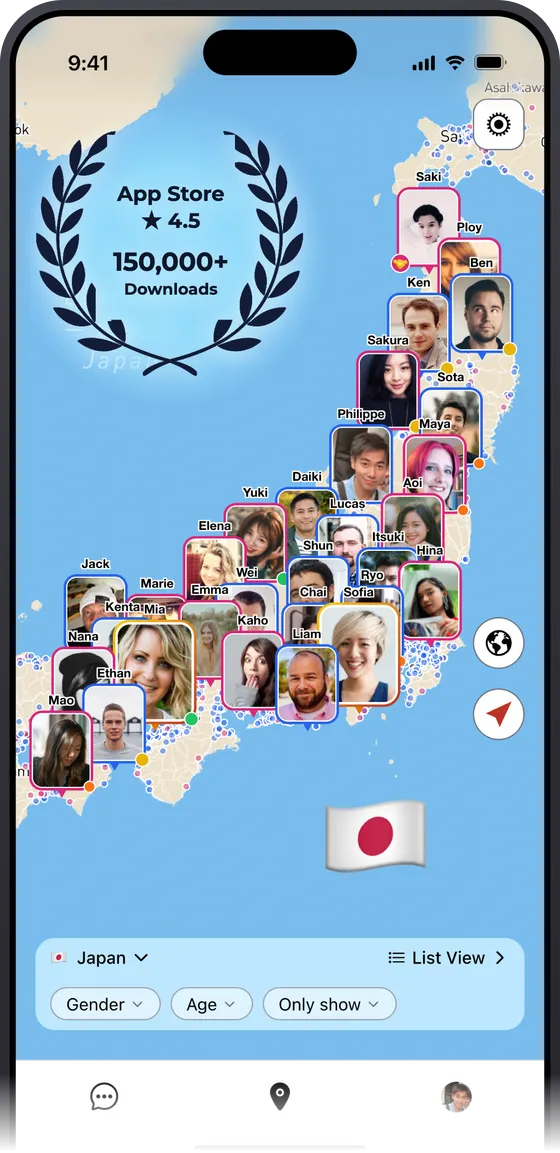
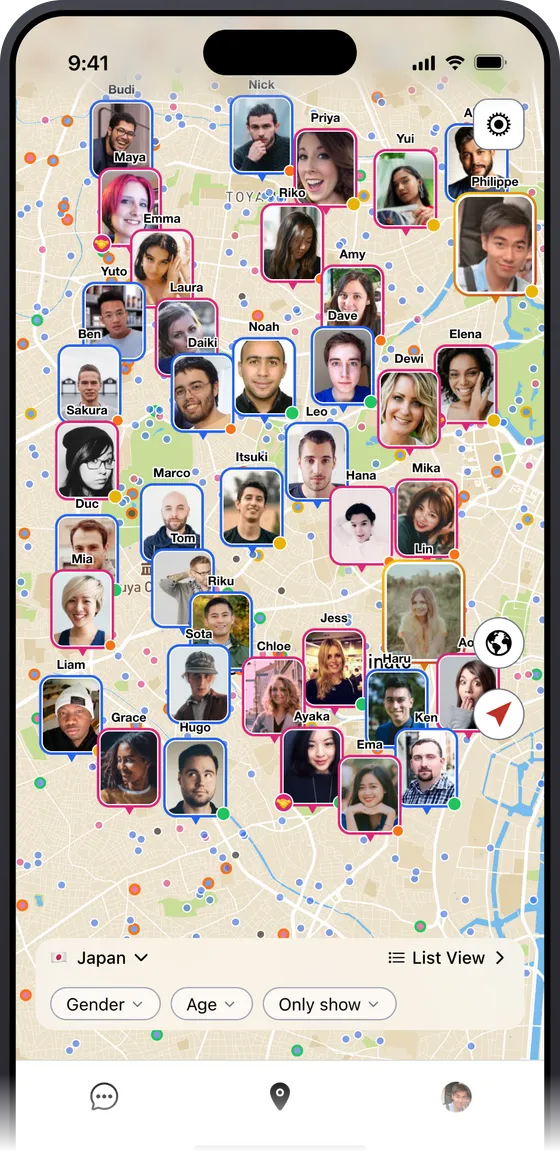
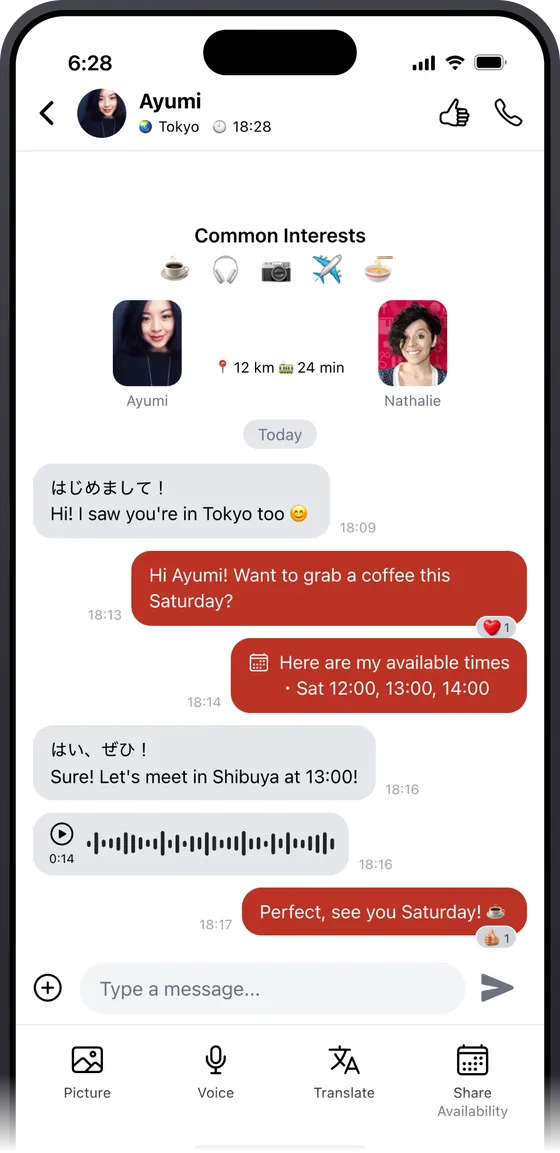


Aim for one manageable next connection. Chat first, see whether the interest feels mutual, and choose a public place for a first meeting. You get to decide how much of your work life or personal experience you share.
An app can't promise a welcoming person or fix discrimination. It can give you another way to look for company, at a pace you choose.
Download SewaYou and find someone nearby to share an interest, a conversation, or a small part of your week in Japan.