

A post on Reddit this week stopped me in my tracks. Someone who'd just moved from Kobe to Higashi Omiya — a residential neighborhood in Saitama — was asking a simple question: "Any English-speaking communities around here?"
They work from home. They don't know anyone. And unlike central Tokyo, there's no obvious place to start.
This is the reality for most foreigners in Japan. Not everyone lives in Shibuya or Shinjuku. A huge number of international residents live in Saitama, Chiba, Yokohama's suburbs, Nagoya outskirts, or smaller cities across Japan — places where the "just go to a meetup" advice completely falls apart.
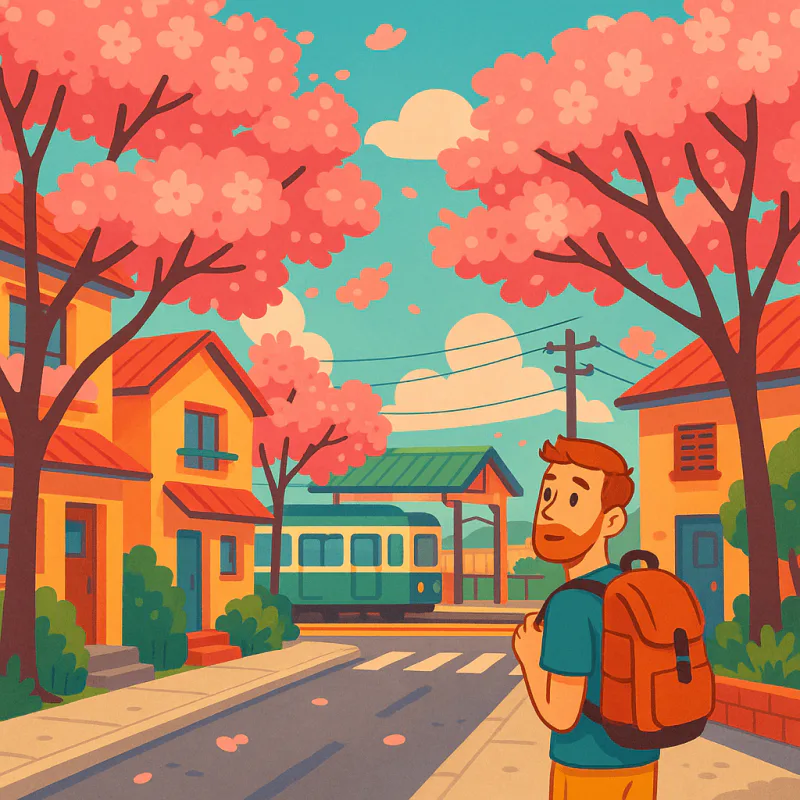
Most "how to make friends in Japan" advice is written by people living in central Tokyo. And it shows.
"Join an international meetup!" — Great, except the nearest one is a 45-minute train ride into Roppongi, costs ¥2,000, and runs once a month.
"Go to a language exchange event!" — Sure, there are dozens in Shinjuku. Zero in Omiya.
"Hang out at a hub bar!" — The closest "international" bar is an hour away.
If you live outside Tokyo's core, the standard playbook doesn't work. The density of international community just isn't there. And that changes everything.
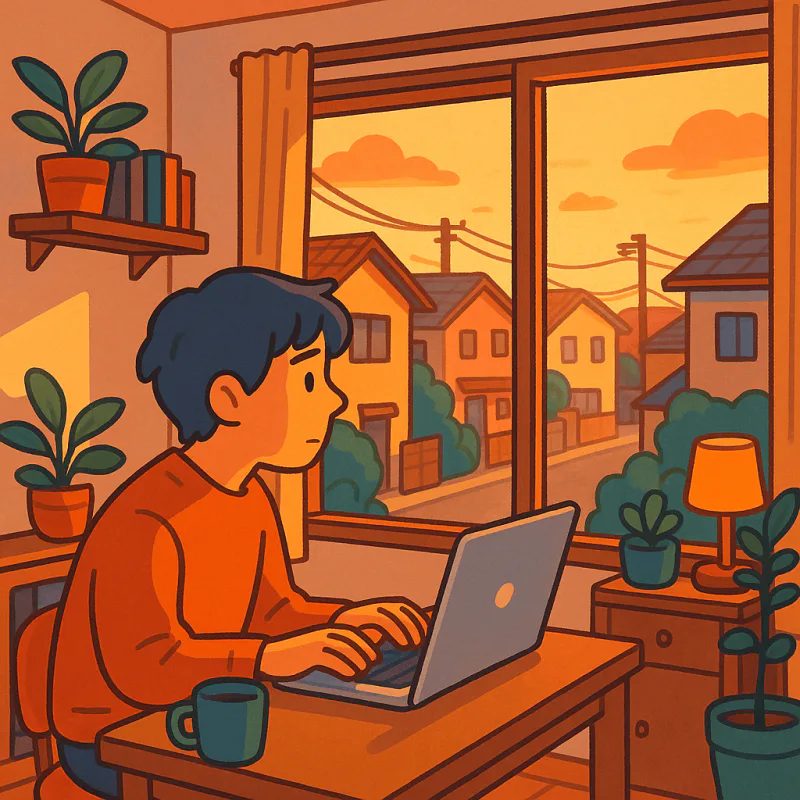
Here's what makes it even harder: remote work removes the one built-in social structure you'd normally have.
In an office, you'd at least have coworkers to grab lunch with. Working from home in suburban Japan means your entire social exposure might be the convenience store clerk and your landlord.
No water cooler. No after-work drinks. No casual "hey, want to grab ramen?" from a desk neighbor.
This combination — suburban location + remote work — is basically social isolation on hard mode. And it's becoming more common as remote work grows in Japan.
Let's skip the generic advice and talk about what real people in your situation have done.
Every ward and city has them. They run classes — cooking, pottery, calligraphy, fitness — for almost nothing (¥500-2,000 per session). The participants are local Japanese residents, and showing up consistently as "the foreigner who actually lives here" breaks through walls faster than any language exchange.
You won't find these on Google in English. Walk into your city hall and ask, or search "[your city] 公民館 教室."
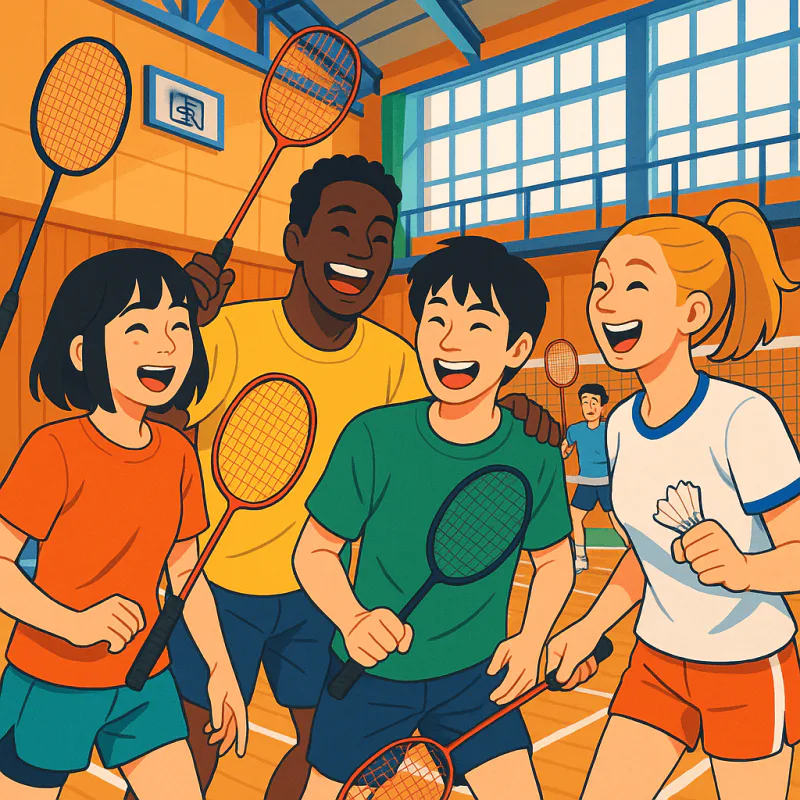
Japan's local sports culture is massive. Soccer, volleyball, badminton, running clubs — most neighborhoods have casual teams that practice weekly. The barrier to entry is low, and shared physical activity creates bonds faster than conversation.
Search "[your area] 社会人サークル [sport]" on Google or check jmty.jp.
This sounds obvious, but there's a strategy to it. Pick one cafe near your home. Go at the same time, 3-4 days a week. Sit at the counter if there is one. After a few weeks, the staff recognizes you. Then other regulars start talking.
In suburban Japan, being "a regular" carries genuine social weight. It's how Japanese people themselves build local connections.
Here's the thing about living outside Tokyo — the people near you who want international connections are scattered. They're not clustered in one meetup venue. They're in apartments across your ward, your train line, your city.
That's exactly why map-based social apps work better for suburban residents than event-based platforms. Instead of commuting an hour to find people, you can see who's actually nearby — maybe someone three stations away who's been looking for the same thing.
Make Japanese Friends On a Live World Map
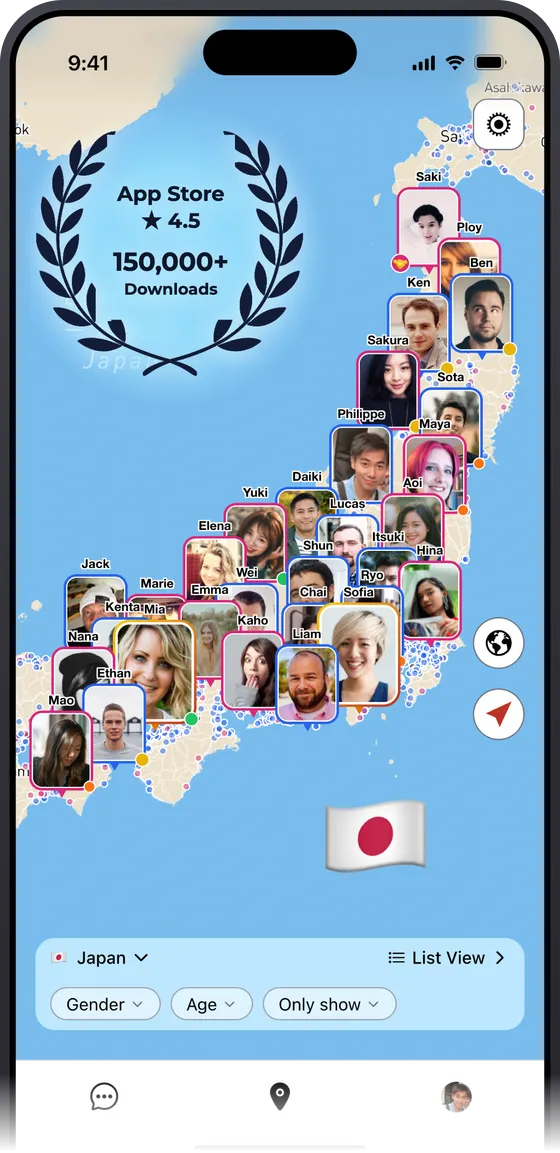
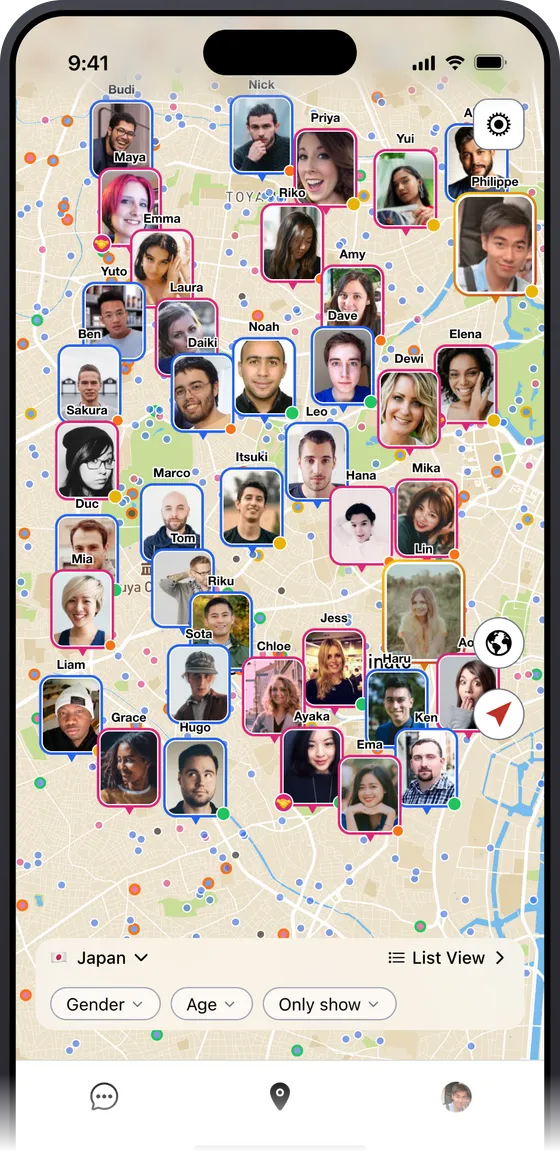
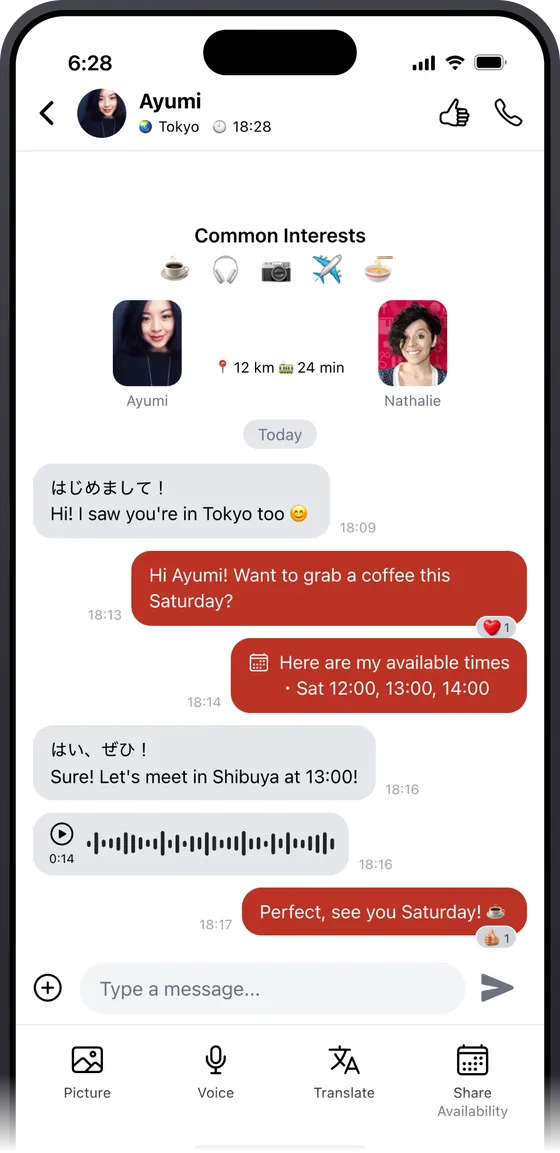


SewaYou was built around this idea. You browse a map, see real people near your actual location, and connect directly. No event scheduling, no train ride to Roppongi. Just people near you who want to meet.
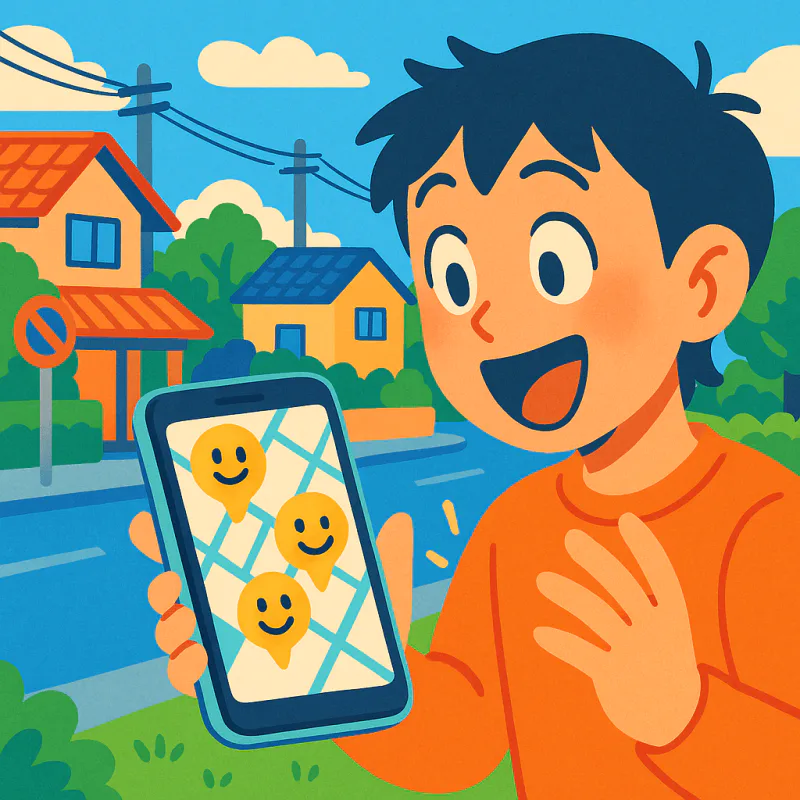
Cities outside Tokyo often have more accessible volunteer opportunities than central Tokyo — community cleanups, festival preparation, disaster preparedness drills. Your city hall's volunteer coordination desk (ボランティアセンター) can point you to ongoing activities.
Volunteering in a suburban context is different from Tokyo: the groups are smaller, more personal, and people actually remember you.
In Tokyo, the strategy is "cast a wide net." In suburban Japan, the strategy is "go deep."
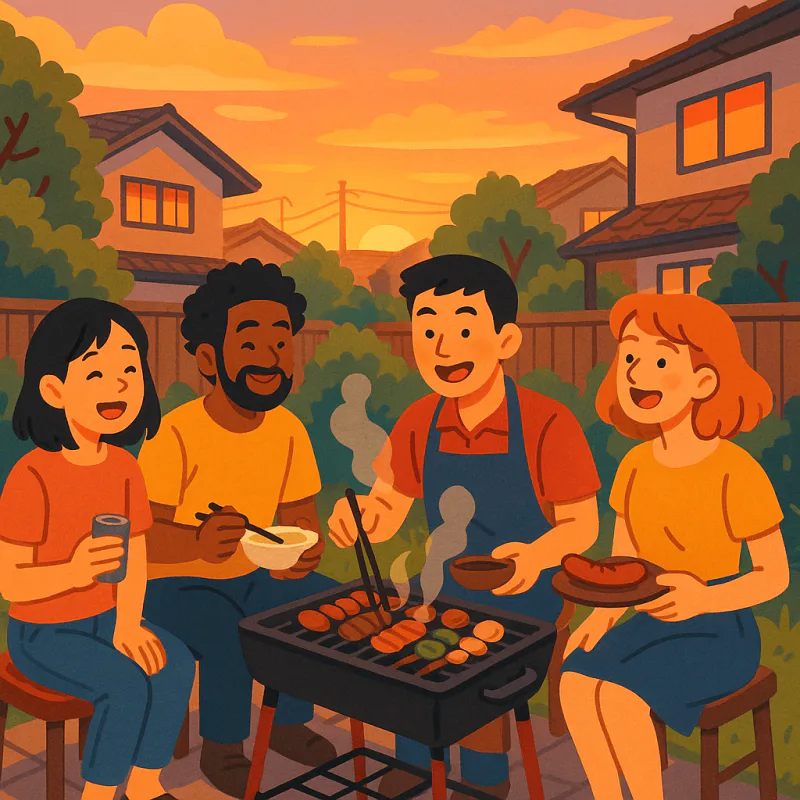
You might make 3 real friends instead of 30 acquaintances. But those 3 friends will invite you to BBQs, introduce you to their family, and check on you when a typhoon hits. That's the suburban advantage — once you're in, you're in.
The mistake most people make is measuring their social life by Tokyo standards. Having 2-3 genuine local connections in Saitama is worth more than having 50 meetup contacts in Roppongi you'll never see again.
If you just moved to suburban Japan and feel like you're starting from zero, here's your first week:
The friends are there. They're just not gathered in one bar on a Friday night. You have to find them a different way — and that's okay.


