

Every time someone tells me they are learning Japanese from their apartment in Texas or Berlin or Manila, somebody nearby chimes in with the same line. "You will never really learn it unless you move to Japan." The person saying it has, in my experience, almost never been fluent in a second language themselves. They have just heard the line repeated enough times to mistake it for wisdom.
I want to ruin this idea for you, because it is doing real damage to learners who could otherwise be on a great trajectory.
Geography is not a teacher.
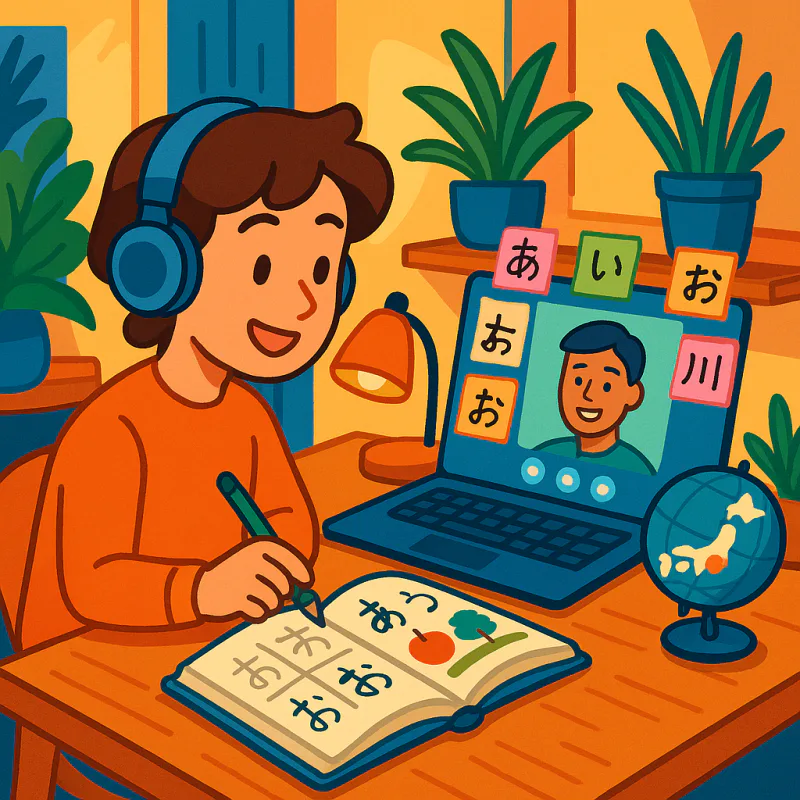
If moving to a country made you fluent, every long-term foreigner in Tokyo would speak excellent Japanese. They do not. I have met people who have lived here for ten, fifteen, twenty years who still cannot do more than survival sentences at the konbini. They work in English at international companies, hang out with English-speaking friends, watch English-language Netflix at night, and order from English menus at the foreigner-friendly izakayas in Roppongi.
They live in Japan. They do not live in Japanese.
This is the part the "just move there" crowd never accounts for. Your physical address does not force you to use the language. You can spend a decade five minutes from Shibuya Station and still be a tourist in your own neighborhood. The osmosis people are imagining is not real.
When learners hear "immersion," they picture a magical environment where Japanese soaks into them while they buy groceries and ride the train. That is not what happens. What actually happens to the foreigners who become fluent in Japan is something specific. They are talking to Japanese people, in Japanese, for hours a day. Friends, partners, coworkers, classmates. They are not absorbing the language. They are producing it.
The "where" is doing none of the work. The "what" is doing all of it.
Immersion is just speaking practice at scale.
That distinction matters because the second you separate the two, the whole myth falls apart. If immersion is speaking practice, then immersion is not a place. It is a behavior. And it is available to anyone with an internet connection and a willing partner on the other side of it.
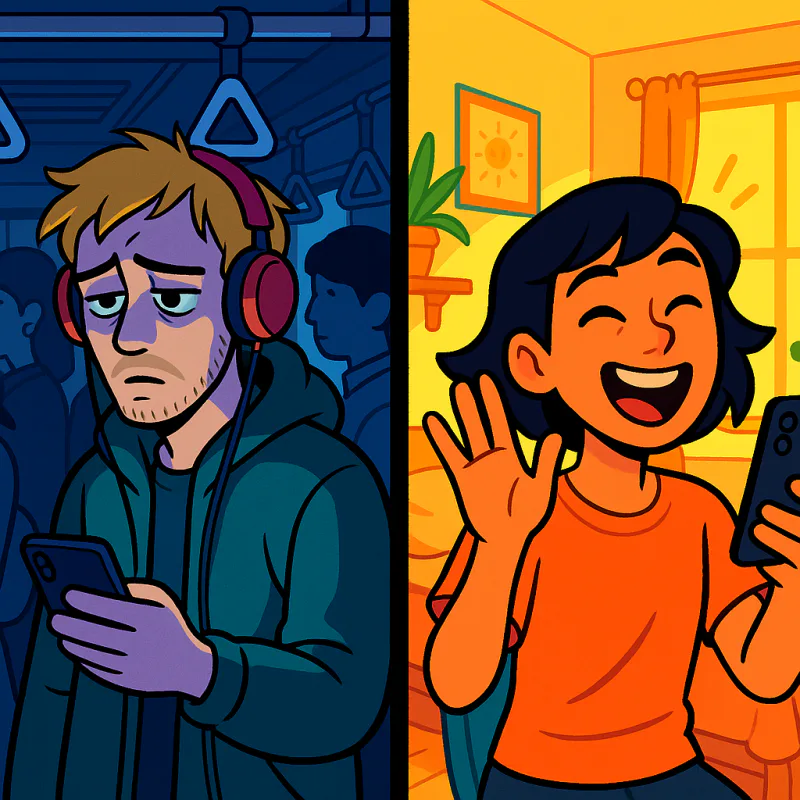
In 1995 the "you must move there" advice was almost true. The only way to talk to native speakers in any volume was to be physically near them. Textbooks were dry, audio cassettes were rare, and language partners were a privilege of people in the right city with the right contacts.
In 2026 that world is gone. You can wake up in Ohio, eat breakfast while watching a Japanese morning show on YouTube, take a thirty-minute lesson with a tutor in Osaka before lunch, message a friend in Sapporo on your commute, and end the day on a voice call with somebody in Tokyo who is up early to practice English with you. The amount of native input and live output available to a motivated learner from anywhere on earth is greater than what most people living in Japan in 1995 had access to.
The bottleneck stopped being location twenty years ago. Most people repeating the old advice never noticed.
I want to be honest about the one thing geography does buy you. Living in Japan removes excuses. It makes it slightly more annoying to default to English, slightly more rewarding to push through a hard interaction, and slightly more visible when you have not practiced in a week. If you are already doing the work, being in Japan compounds it.
But it compounds nothing if you are not doing the work. And the work is the same work no matter where you live. Speak with real people, often, for the long haul. The flight ticket is not the curriculum.

If you are not in Japan and you want real conversational Japanese, here is what actually moves the needle. Two or three real conversations a week with native speakers, in Japanese, where you are doing more than half of the talking. Plus passive input you actually engage with, not just have on in the background. That is it. That is the whole protocol.
Most learners I meet who plateau outside Japan have one missing piece, and it is almost always the speaking. They are inputting fine. They are not producing. No country fixes that for you. No country is required to.
Make Japanese Friends On a Live World Map
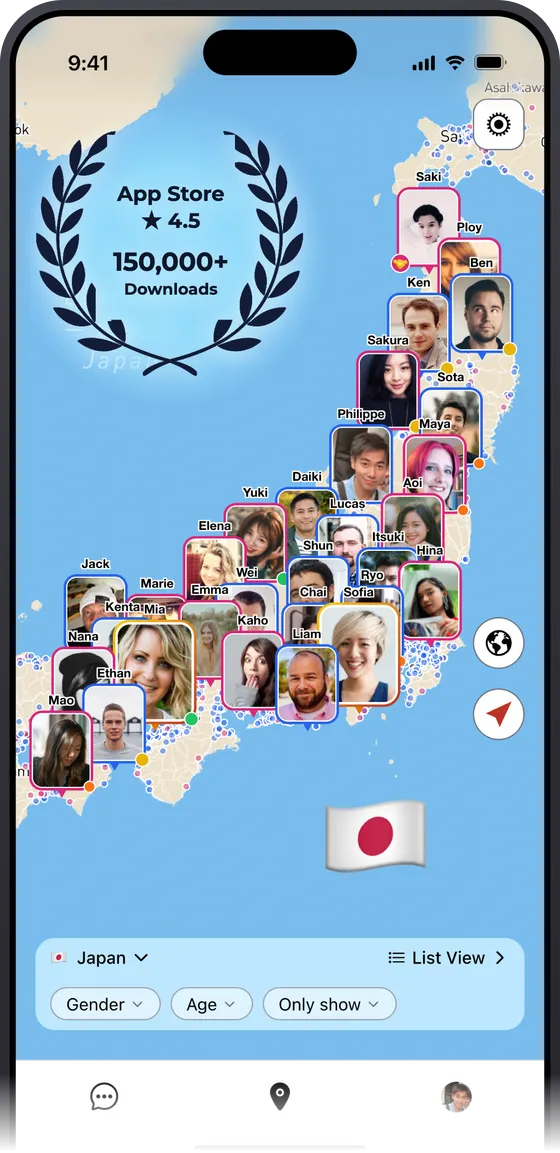
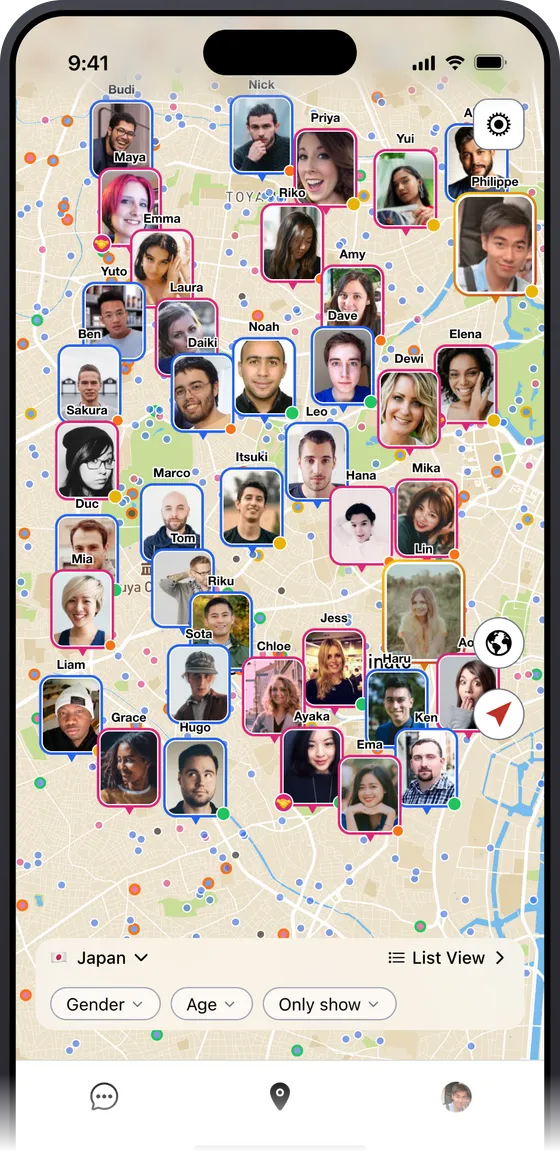
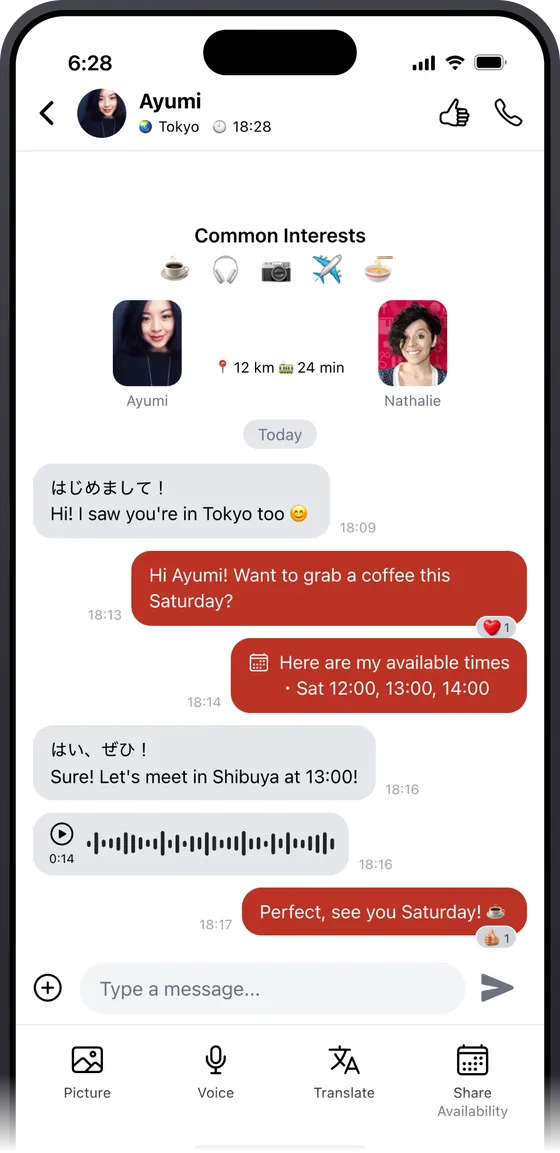


If you want to find Japanese practice partners and language exchange friends without moving, SewaYou is a map-based app that connects you with people near you and in Japan who actually want to talk. You filter by language, interests, and location, and you start. From your apartment, on your timeline, in your real life.
The advice that you must move there was true once. It is not anymore. Stop letting people who never learned a second language tell you what is possible.


