
Picture the offer. More base salary than you make in Tokyo. Two bonuses a year instead of one. A company car, a fuel allowance, help with rent. A team that seemed genuinely kind in the interviews. The only catch is the address: a town of twenty thousand people, an hour or more from the nearest real city.
If the same job were in Tokyo, you would sign tonight. So why does it feel so hard?
Because you already know something the spreadsheet does not. Every number on that offer is about money and time. Not one of them is about who you will eat dinner with.

Let's be fair to the rural job first, because a lot of people talk themselves out of good moves out of vague fear.
Rent outside the big cities tends to be far lower, and a rent allowance on top of that stretches further. A car with fuel covered opens up mountains, coast and onsen towns that most Tokyo residents only see on a long weekend. A company that is pleasant to work for is worth a lot on its own. Plenty of people who made this move say their quality of life went up, not down.
And if you speak Japanese, you are skipping the hardest part of living somewhere with few foreigners. You can chat with the neighbor, sort out the city office, and join things without a translator. That matters more than any allowance.
So this is not a trap. It is a real trade. The question is only whether you have priced both sides of it.
If you have only ever lived in cities, here is what tends to surprise people most. It is not the quiet, the snow or the lack of late-night ramen. It is that friendship stops happening by accident.
In Tokyo, your social life runs on background density. A coworker's friend's birthday. A language exchange you wandered into. A bar where the same faces show up on Fridays. You barely notice how much of it you never planned.
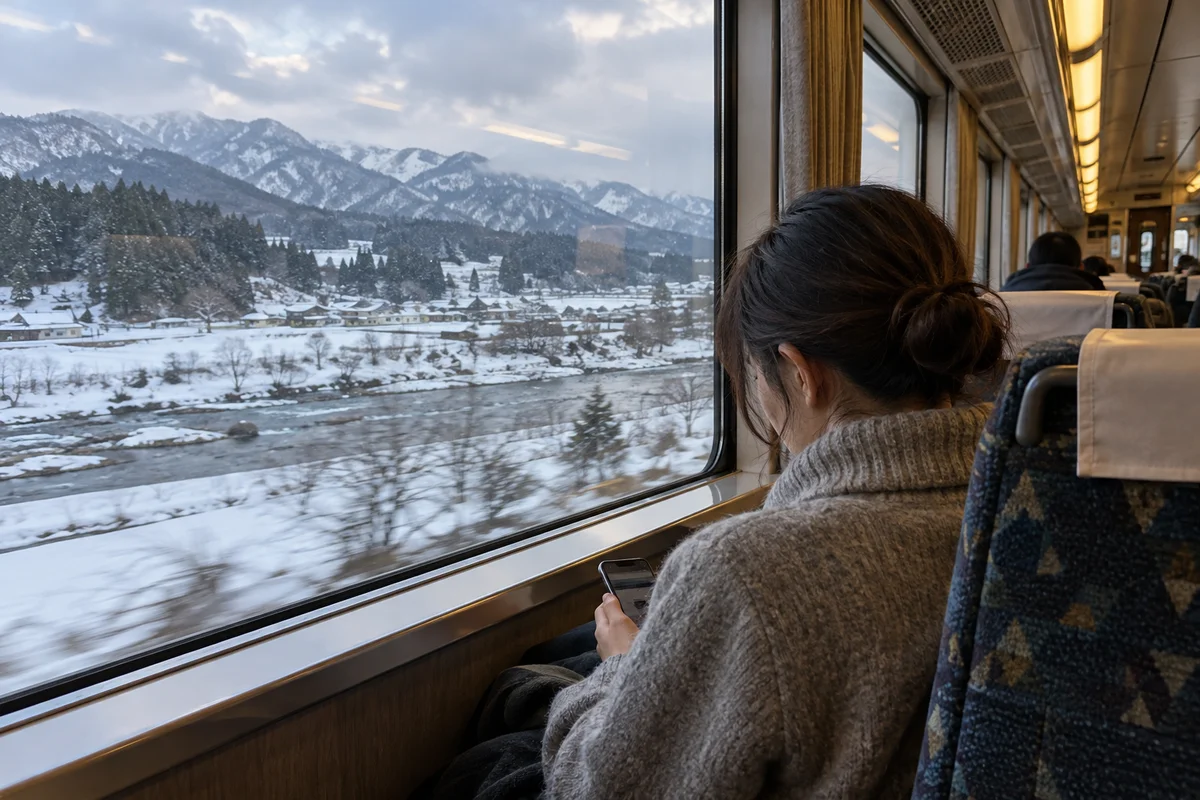
In a small town, that background mostly disappears. The people your age may be few, already settled with families, or spread across a region you can only cover by car. Your coworkers become the default social circle, which is lovely until a bad week at work means a bad week everywhere. Plenty of newcomers describe the first winter as the hardest stretch, when the weather keeps everyone indoors and the evenings feel very long.
None of this means you will be lonely. It means you will have to build on purpose what Tokyo handed you for free. Some people find that easier than they expected. Some find it is the one thing the extra salary cannot fix.
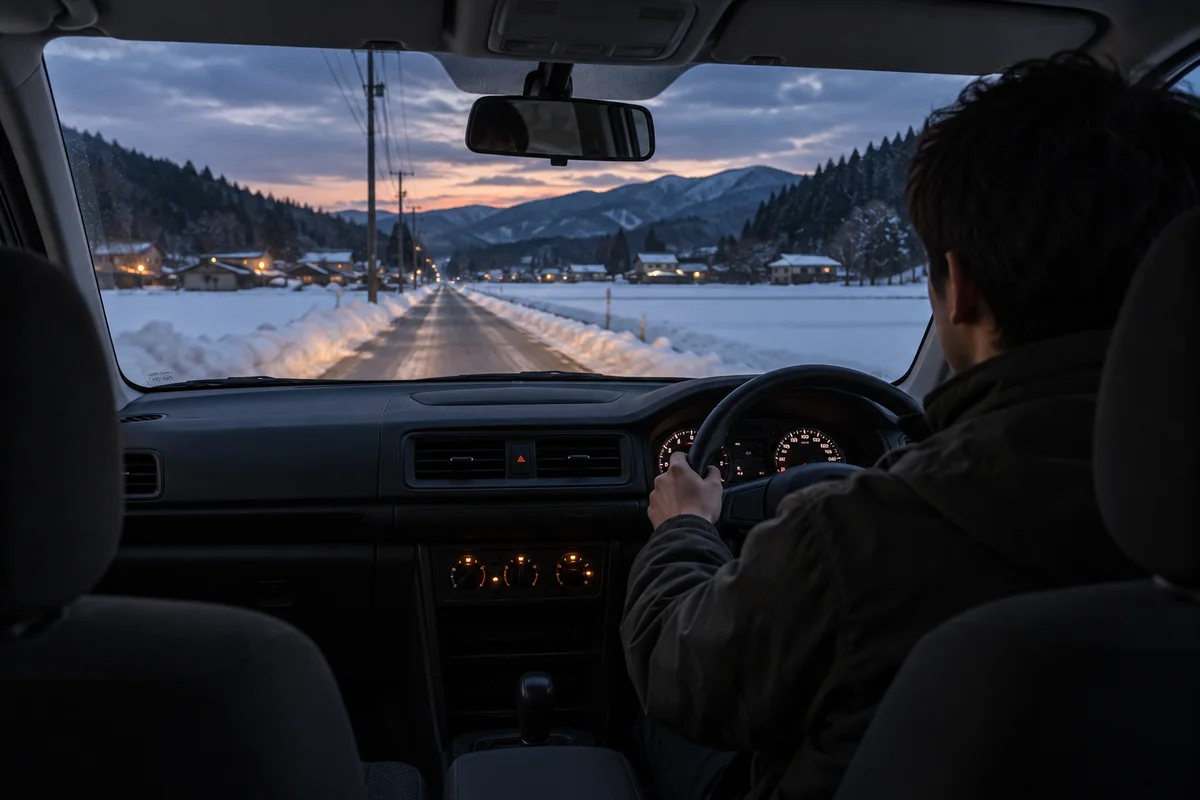
You would never accept a job without asking about housing, commute and overtime. Ask the social questions just as directly, to yourself and to the company.
Then ask the question that decides most of these moves: if work went badly for three months, who would you call within an hour's drive? If the answer is nobody yet, that is not a reason to say no. It is your first project.
Most people research a new town by looking at apartments, supermarkets and train timetables. Almost nobody looks for the people they might actually be friends with, and that is the part you can start long before moving day.
Before you even accept, you can look at who lives around the town and in the nearest city. Other foreigners who already made the same move and can tell you what winter is really like. Locals who want to practice English or just enjoy meeting someone new. People with the same hobby, the same age, the same Friday-night energy. Finding even two or three of them changes the whole calculation, because you are no longer moving to a town of strangers.
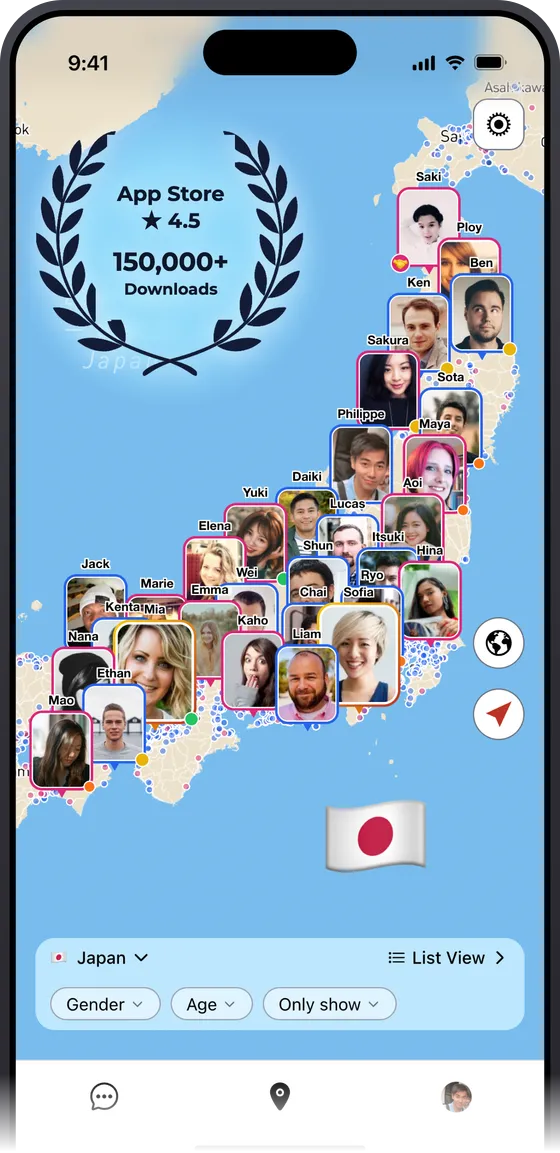
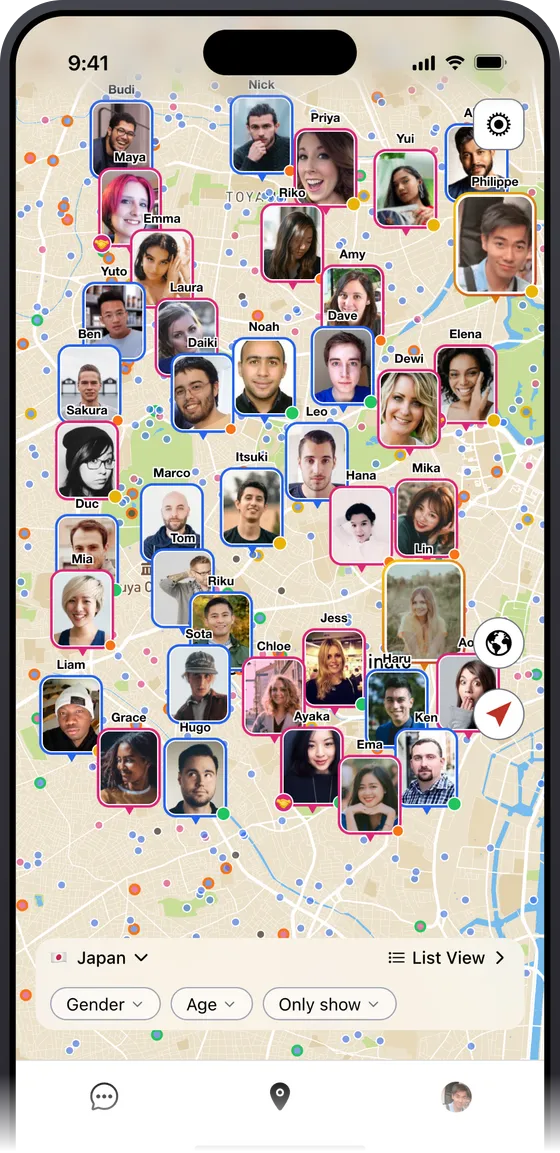
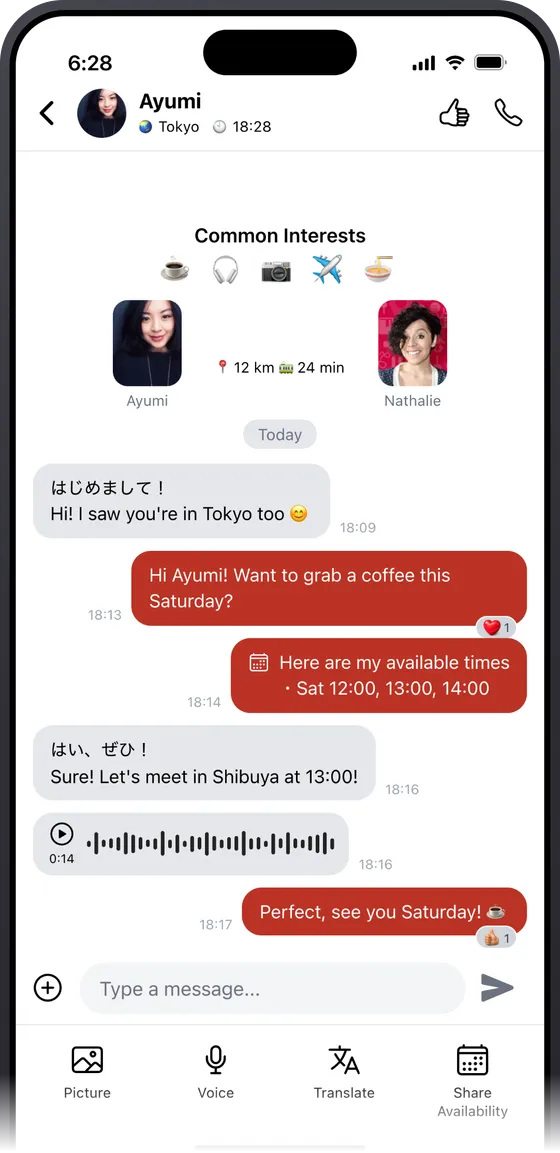
That is exactly what SewaYou is built for. It is a map-based friendship app that shows people who want to meet new friends nearby and anywhere in the world. You can scroll the map to a town you have not moved to yet, see who is around, and start chatting from your Tokyo apartment. When you arrive, those conversations become coffees and drives instead of starting from zero. And once you live there, the same map still lets you talk with people back in Tokyo or anywhere else, so the move does not shrink your world.
Make Japanese Friends On a Live World Map


If the offer is genuinely better and the company feels right, a lot of people take it and treat the first year as an experiment rather than a life sentence. That framing helps. You are not choosing rural Japan forever. You are choosing a year of savings, driving and a different pace, with a clear check-in point.
To make that year a fair test, a few habits help more than anything else:
Then at the one-year mark, look at your life honestly. Not your bank balance, your life. Are there people you would miss if you left? If yes, the move probably worked. If no, you have a year of savings, better Japanese and a clearer idea of what you need, and Tokyo will still be there.
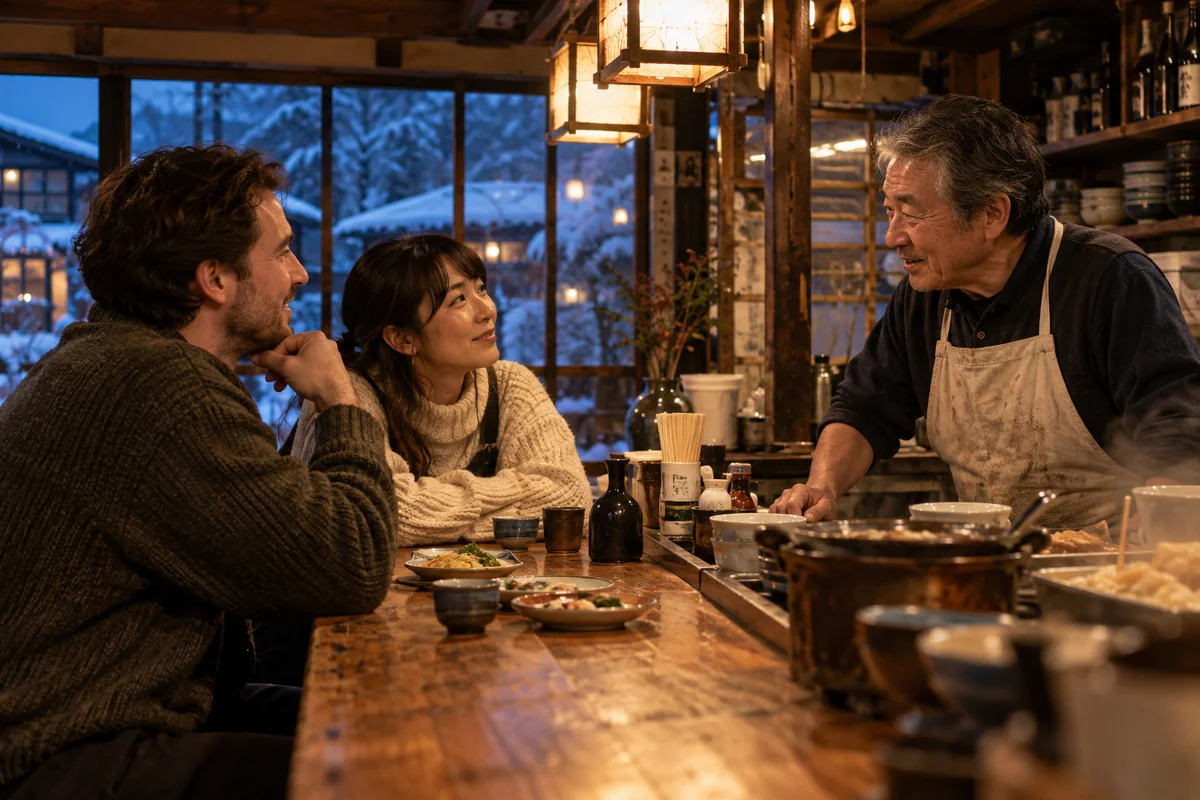
The people who thrive after leaving the city usually did not get lucky with their town. They went in knowing the social side would take work, and they started that work early.
So weigh the salary, the bonus and the car. Then add the missing line to the offer: the people. Open SewaYou, set the map to your future town, and say hello to someone who already lives there. It is the cheapest way to find out whether this better job comes with a better life too.
For what friendship looks like once you are there, The 'Home Country vs Japan' Loop Is Why You're Still Lonely in Rural Japan.
For when the countryside stops working for you, Lonely in Rural Japan? Moving Is a Valid Option.