
You open your usual expat forum on a quiet evening, hoping for a bit of company. A question about visa paperwork. A "what is your honest opinion about living in Japan?" thread. A suspiciously polished story with five tidy bullet points and no real details.
Something feels off. The posts are fluent, but nobody seems to be home.
If you have started wondering whether you are talking to people or to text generators, you are not alone, and you are not necessarily paranoid. But the more useful question is not "Is this post fake?" It is "Where are my real people?"

Writing tools have made it very easy to produce a clean paragraph about anything. That is great for many people. It is also great for anyone who wants to post at volume without caring much about the reply.
In my experience, the hollow posts share a few habits. They ask broad questions that nobody living here would phrase that way. They describe a "situation" with no neighborhood, no time of year, no awkward specific detail. They never come back to answer follow-up questions. They sound like a summary of life in Japan rather than a piece of it.
I cannot tell you how many of these posts are generated, and honestly, nobody scrolling can know for sure. What I can say is that the feeling matters. When you cannot trust that a reply came from someone who lives your life, the comfort of community starts leaking out.
Here is the part worth protecting. Plenty of real people use translation or writing help because English is their second or third language. A Japanese local answering a newcomer's question, a Brazilian factory worker sharing tips, a Korean student asking about rent. Some of them run their words through a tool before hitting post.
That is not fake. That is someone making an effort to reach you.
So it helps to judge the content, not the polish. Does the post have a real detail only a person would know? Does the author reply when someone asks a question? Do they have a history of showing up? A slightly stiff sentence with a genuine story behind it is worth far more than a flawless paragraph about nothing.
The worst outcome would be a community so suspicious of fluency that it starts accusing the very people who worked hardest to join the conversation. Clumsy and human beats smooth and empty.

Forums are useful for practical information. Which ward office takes appointments. How a moving process tends to work. Where to find a certain ingredient. Please keep using them for that, and double check anything important against official sources.
But many of us quietly started using these spaces for something else: the feeling of being around people who get it. Late at night, after a long week of being the foreigner in every room, reading other people's stories can feel like sitting with friends.
The trouble is that a feed was never a friend. Even before generated posts, it was a crowd of mostly anonymous strangers, sorted by whatever got the most reactions. If the crowd now includes accounts with nobody behind them, that weakness simply becomes impossible to ignore.
Maybe this is the useful wake-up call. A feed can inform you, not hold you.
The fix is not to quit the internet. It is to move from reading strangers to knowing a few specific people. A handful of tactics that tend to work:
None of this requires a big social life. Two or three people who actually know your name can replace a lot of anxious scrolling.

This is why we built SewaYou. It is a map-based friendship app for meeting people nearby and anywhere in the world. You can find someone in your own neighborhood for a coffee and language exchange, explore another city or country from home, make online friends without any travel plans, or connect with people before a trip and meet when you are close.
Make Japanese Friends On a Live World Map
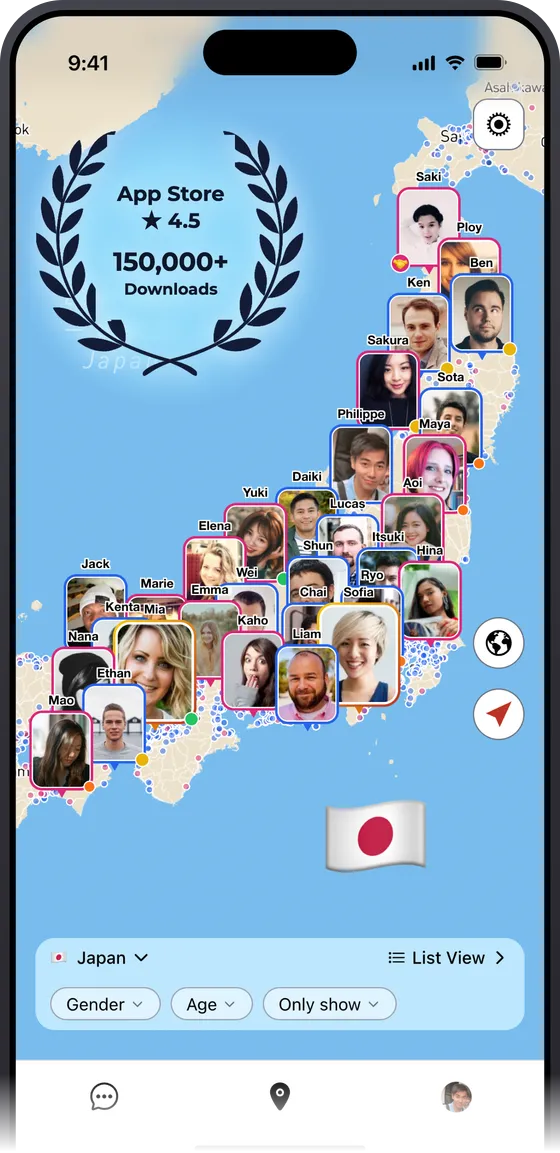
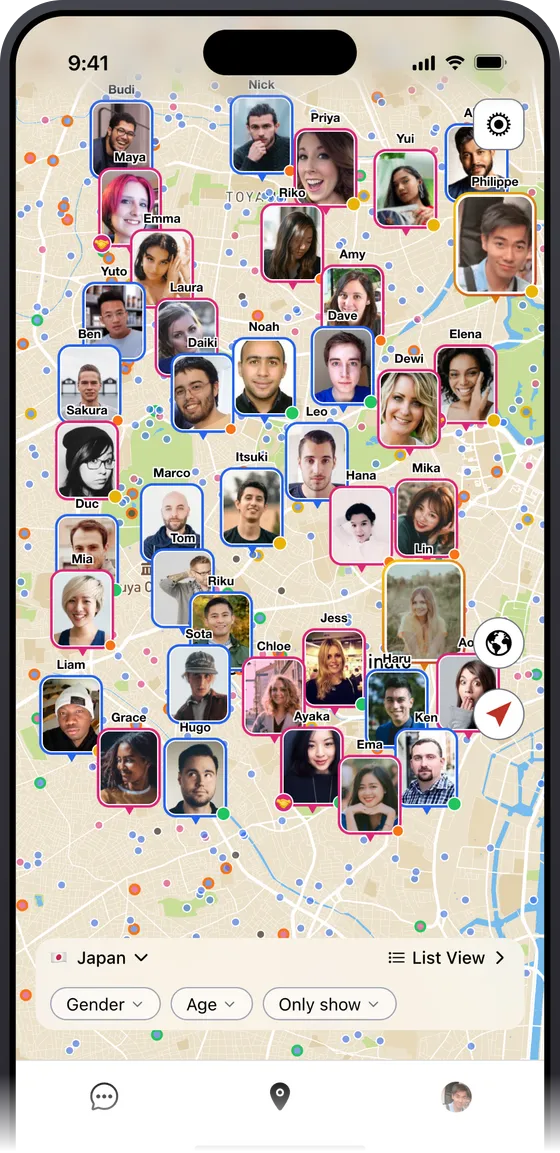
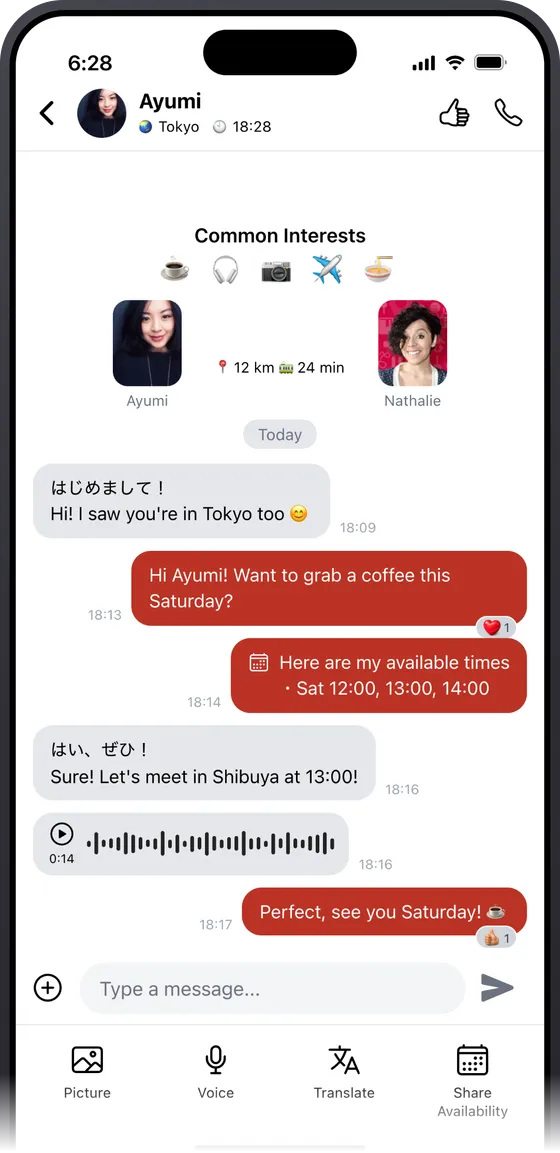


Instead of guessing whether a post came from a person, you start a one-on-one conversation with someone whose profile and interests you can see. Ask about their week, their favorite local spot, the Japanese phrase that tripped them up. Use your normal judgment as you would anywhere online, and meet in public places when you decide to meet in person.
The goal is not a perfect, bot-free internet. It is a life where belonging does not depend on one.
You do not need to win the argument about how many posts are generated. Let the forums be what they are good at: quick tips and occasional laughs. Then put your real social energy into a few people you can actually talk to, message by message, coffee by coffee.
If your favorite community has started to feel empty, take that as a nudge rather than a loss. Download SewaYou and start one real conversation this week.