

"I'm 28, trying to learn Japanese while working full-time. By the time I get home at night, I have zero energy left. Am I too late?"
I hear this constantly from expats in Japan. Late twenties, decent job, long commute, dead by 10pm. But still wanting to actually speak Japanese beyond convenience-store-level.
And the first thing I'll say is: 28 is not too late. The people I know who speak the best Japanese almost all started seriously after they moved here as working adults.
But the "I'll study 2 hours every night after work" plan? That's dead on arrival. Here's what actually works.
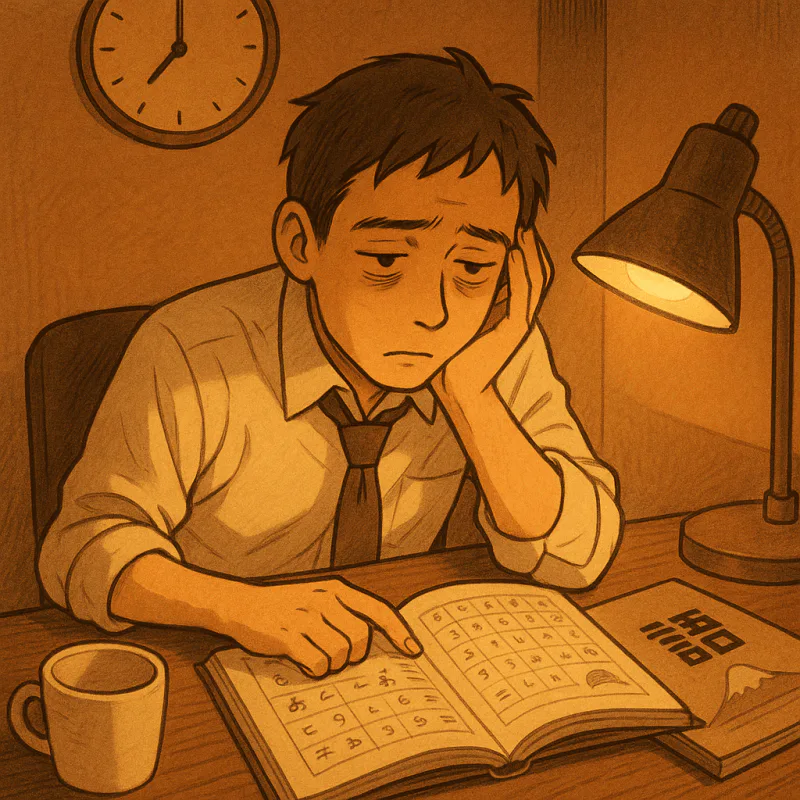
It's 10pm. You've showered, eaten, finally collapsed onto the couch. You pull out your phone — LINE notifications, Instagram, that one YouTube video. Next thing you know, it's 11:30pm.
This isn't laziness. Your brain is out of fuel.
After 8 hours of making decisions at work, your brain has depleted its "willpower reserves." Trying to open Genki and absorb new grammar at this point is like flooring the gas pedal on an empty tank.
That's why the "2 hours every evening" plan fails within a week for 99% of working adults. And when it fails, most people blame themselves — "I'm not disciplined enough."
No. The plan didn't match how human brains work. That's all.
Every working adult who actually learned Japanese around me shares one trait: they didn't try to create study time. They used the gaps they already had.
That's roughly 40 minutes a day without ever sitting at a desk to "study." Over a month, that's 20 hours. Over a year, 240 hours.
"5 minutes every day" beats "2 hours three times a week" every single time. Because the 5 minutes actually happens.

The other pattern I've seen in everyone who actually got conversational: they learned through people, not materials.
An hour with Anki flashcards teaches your brain to recognize patterns in a void. Thirty minutes at an izakaya with a Japanese friend teaches your brain language attached to emotions.
Those emotions are what make vocabulary permanent. Textbook sentences like 「田中さんは毎朝七時に起きます」 connect to nobody's life. But 「昨日飲みすぎて今日やばい」 — that's real, that's yours, that sticks.
This sounds counterintuitive, but when you're exhausted, conversation is actually easier to sustain than solo study.
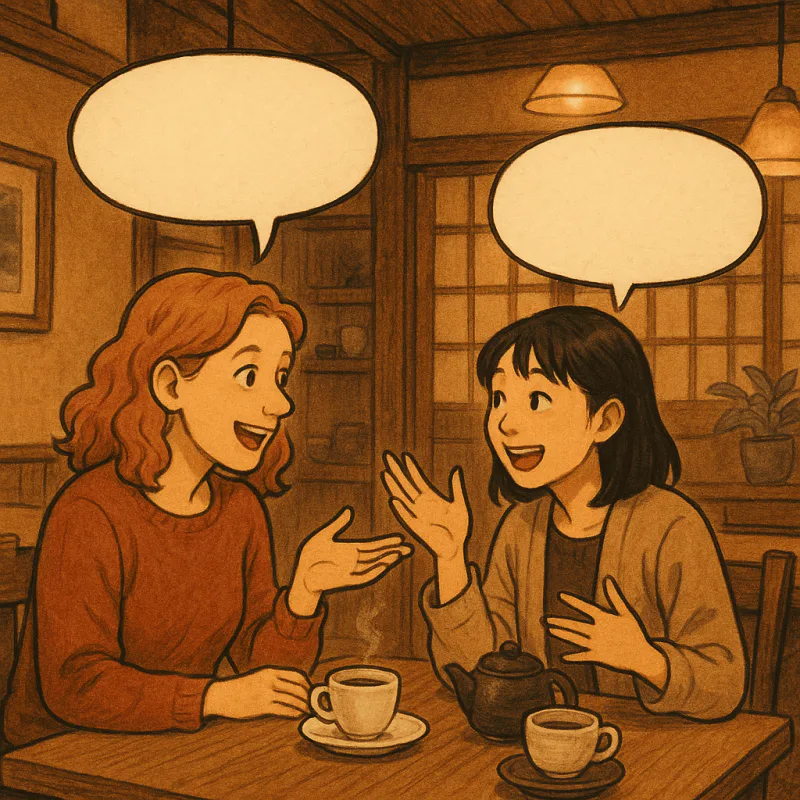
Think about it. Opening a textbook requires self-discipline — you have to force yourself. But if you have plans to meet someone at a café at 7pm on Thursday, the commitment moves you, not your willpower.
You show up because you said you would. You speak Japanese because that's what you're there to do. You stay engaged because there's a human in front of you. When it's over, you feel good — "I used Japanese today."
Compare that to staring at a textbook alone at 11pm, hating every minute.
Replace self-discipline with social commitment. That's the most realistic way to learn a language while working full-time.
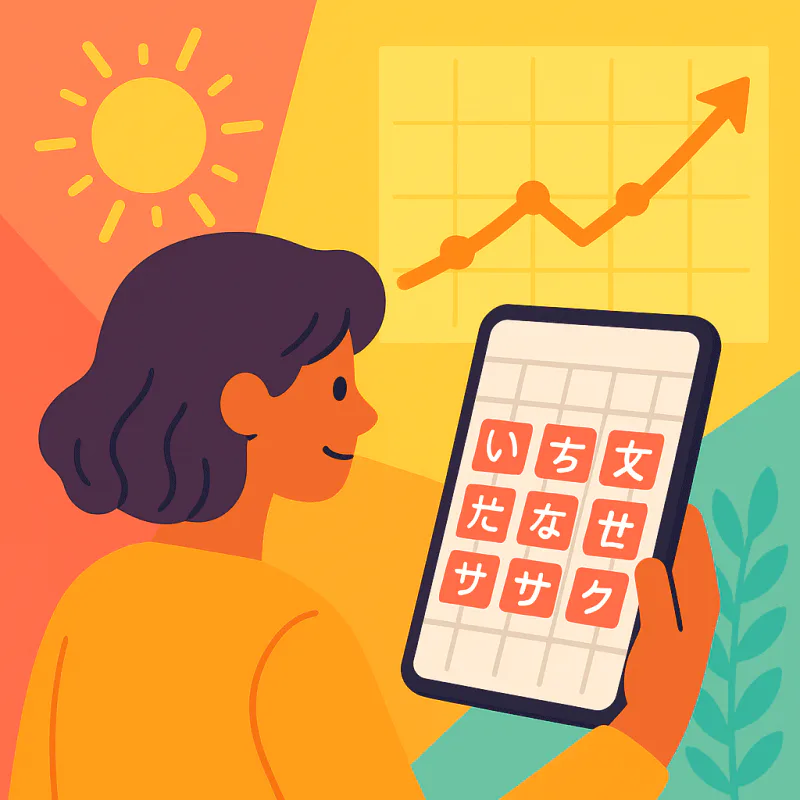
When you feel "too late" at 28, it's not because of your age. It's because you can't see your progress.
Flashcard streaks don't show you improvement. You grind for a week and feel the same. So you think, "I've been at this for months and I'm nowhere."
But with real conversations, progress is visible:
These micro-victories are the fuel that keeps you going. Textbooks don't produce them. People do.
Some people I know started Japanese seriously at 40 and are fluent at 45. Late twenties? You're early.
What matters isn't how many hours you study per day — it's how many years you keep going.
10 minutes a day for 5 years = 300+ hours of input. That puts you ahead of the vast majority of foreigners in Japan who "studied a bit" and gave up.
So stop beating yourself up for not studying tonight. Instead, put one thing on your calendar for next week: 30 minutes with a Japanese speaker.
Number 3 is the one that matters most.
Make Japanese Friends On a Live World Map
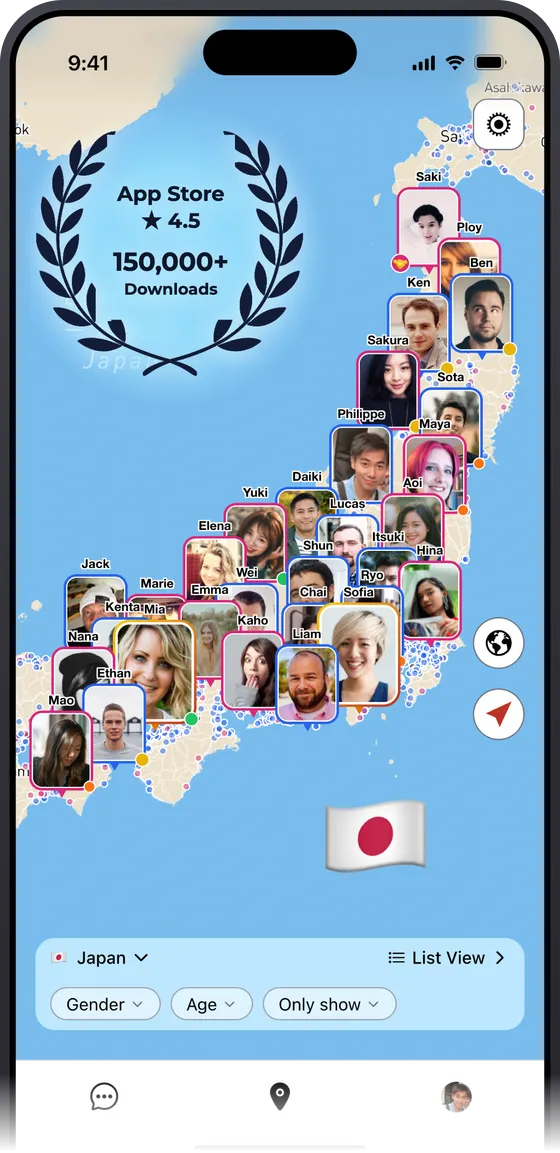
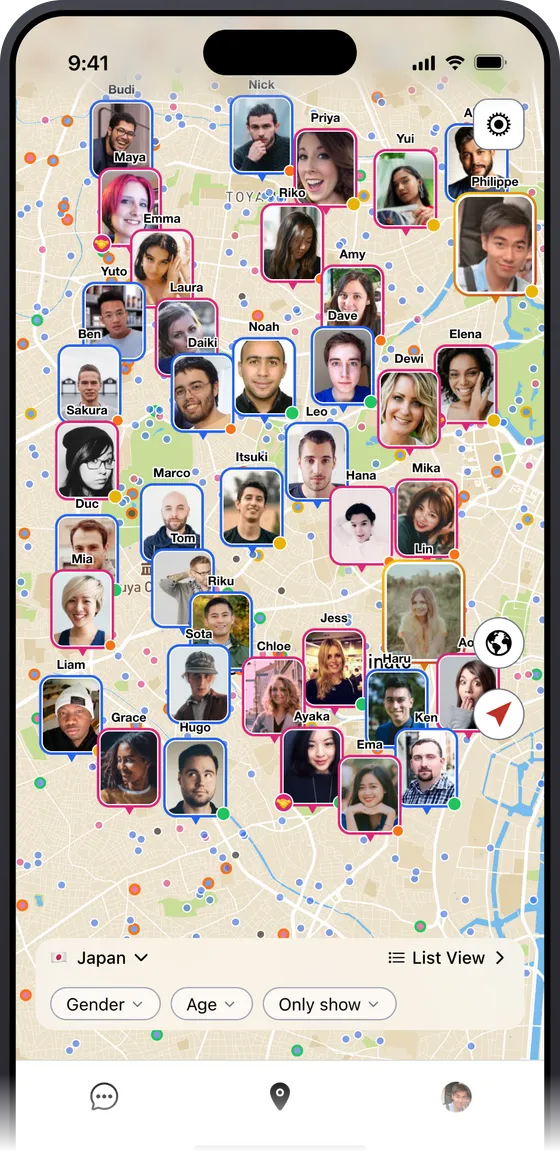
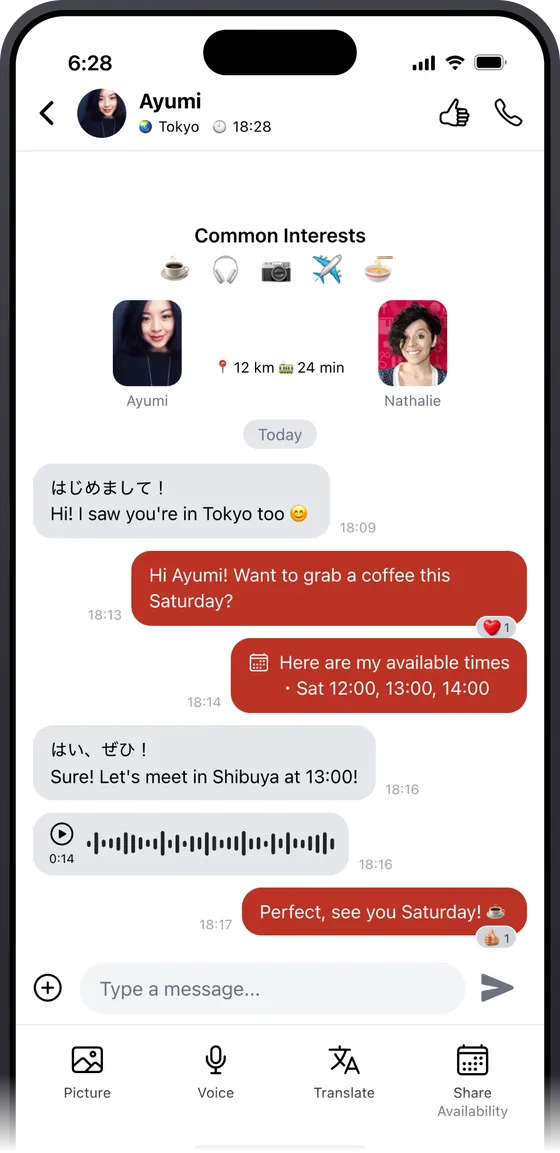


SewaYou is built around exactly this — finding language partners near you on a map, so you can set up regular meetups without the flakiness of random online matches. When someone is 2 stations away and free on Thursday, you actually show up.
28 is not too late. 35 is not too late. The only "too late" is never starting — and you're reading this, so you already started.
The system that works isn't about willpower. It's about putting a person in front of you, regularly, and letting the conversation do the teaching.
Have fun in your learning journey!


