

Almost every guide to making Japanese friends starts with the same advice.
Go to nomikai. Stay until the second party. Order another beer. Be the foreigner who can hang with the salarymen until the last train.
If you drink, that path works. Messy, hungover, but it works.
But every few weeks I meet someone in Tokyo who's been here three, four, five years, fluent enough on paper, and still effectively isolated from Japanese society. And when we get talking, the same detail comes up:
"I don't really drink."
That's it. That's often the whole reason. Their entire on-ramp into local life was supposed to be alcohol-shaped, and they were never holding the right ticket.
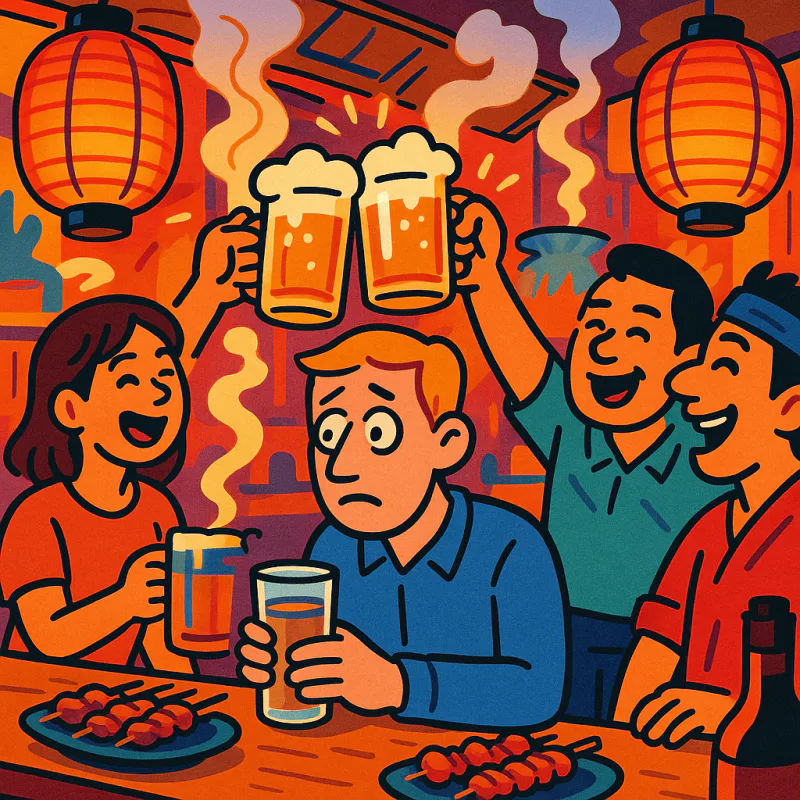
Japan has a famous phrase, 飲みニケーション (nomi-nication), the idea that real communication happens over drinks. There's truth to it. The mask comes off, hierarchies soften, people say what they actually think. For a lot of Japanese adults, especially in older corporate cultures, this is genuinely how friendships form.
So foreign-aimed advice latched onto it. Every YouTube video, every Reddit thread, every "how to integrate" guide pointed at the same door: drink your way in.
The problem is that this advice was never universal even within Japan. Plenty of Japanese people in their 20s and 30s barely drink. The younger generation is famously the most sober cohort in decades. Health-conscious salarymen order oolong tea at the second nomikai. Women in particular often skip drinking events entirely.
So here's the real situation: you're not locked out because you don't drink. You're locked out because you've been handed a map that only shows one road, and it's not even the one most Japanese people your age use.
There are other roads. They're just quieter.

The thing alcohol gives you in social situations is a structured excuse to spend repeated, low-stakes time with the same people. That's it. Strip the alcohol away and ask yourself: what else gives me that?
The honest answer in Japan is hobbies and structured activities. Not "going out." Not "networking events." Activities with a regular schedule, a small group, a low-pressure shared focus, and a built-in reason to come back next week.
This sounds boring. It's not. It's the actual operating system Japanese friendships run on, and most foreigners walk right past it because it doesn't look social enough on the surface.
A few categories that consistently work:
The pattern: regular, repeated, sober, focused on something that isn't each other.
That last part matters. Japanese socializing rarely starts with "let's hang out and talk." It starts with a shared activity, and the friendship is what grows around it.
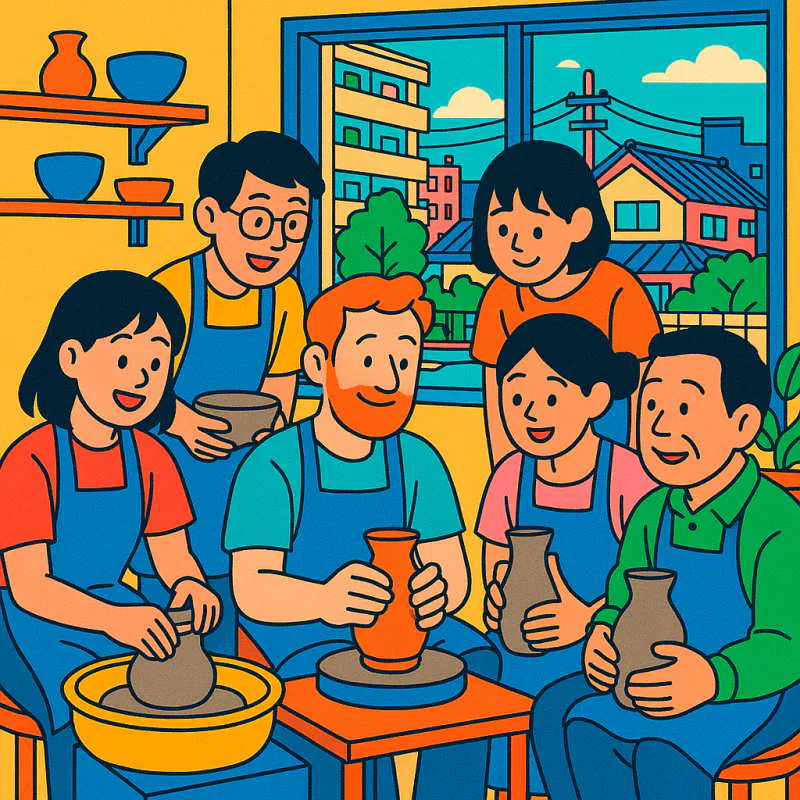
If you've been in Japan for a few years, there's a good chance your closest friends are bilingual. Half-Japanese kids who grew up in international schools. Long-term foreigners who got fluent. Japanese people who studied abroad and want to use English with you.
These friendships are wonderful. They're also the single biggest reason your Japanese hasn't improved in two years.
Not because they're holding you back on purpose. Because they make every situation frictionless. They order for you. They translate the menu. They handle the awkward phone call to the landlord. You stop noticing how much you're outsourcing until one day you realize you can't do basic adult life in Japanese, despite having lived here for five years.
The fix is not to ditch those friends. They're your friends. The fix is to stop letting them be the default for new social situations.
That means going to the new yoga class without your bilingual safety net. Joining the futsal team where nobody speaks English. Sitting at the counter of the small ramen shop and ordering yourself, even if it takes you a minute. Letting yourself be the only foreigner in the room sometimes, on purpose.
It's uncomfortable for the first month. It changes everything by month three.
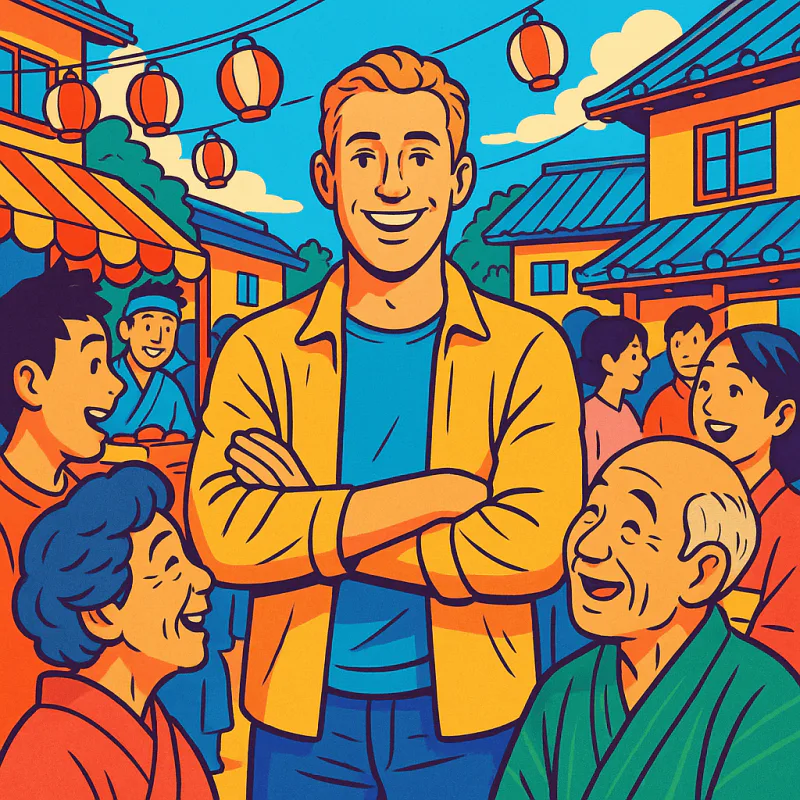
For non-drinkers stuck in the bubble, here's a four-week starter that actually moves the needle. It's not magic. It's just structured exposure.
Week 1. Pick one weekly activity in your neighborhood that has nothing to do with foreigners. Not "international meetup." Not "expat hiking group." Something local. A morning running circle, a community pottery class, a board game café night, a small gym with regulars. Sign up. Show up once.
Week 2. Go back to the same thing. Same place, same time, same people. Don't try to make friends. Just be recognizable. Say one full sentence in Japanese to one person. That's the entire goal.
Week 3. Add a second recurring activity, ideally something different in vibe. If your first was solo (running, climbing), make the second more group-shaped (cooking class, volunteer day). Keep going to the first one.
Week 4. Notice who you've started exchanging small talk with. Ask one of them about something specific from the last session. "You mentioned a good ramen place last week, where was it again?" That's where the bridge starts. Not at a bar. In the small repeated space you've now built.
Three months of this, no drinking required, and your social map of Japan looks fundamentally different.
Foreigners who break out of the bubble without alcohol tend to develop a different relationship with Japan than the bar-circuit crowd. Their Japanese is more useful. Their friendships are more local. Their sense of belonging is rooted in shared activity, not shared hangovers. They tend to stay longer and feel less of the burnout that hits a lot of long-termers around year five.
You don't need to drink to belong here. You need to find the rooms where the same faces show up every week, and keep showing up yourself.
Make Japanese Friends On a Live World Map
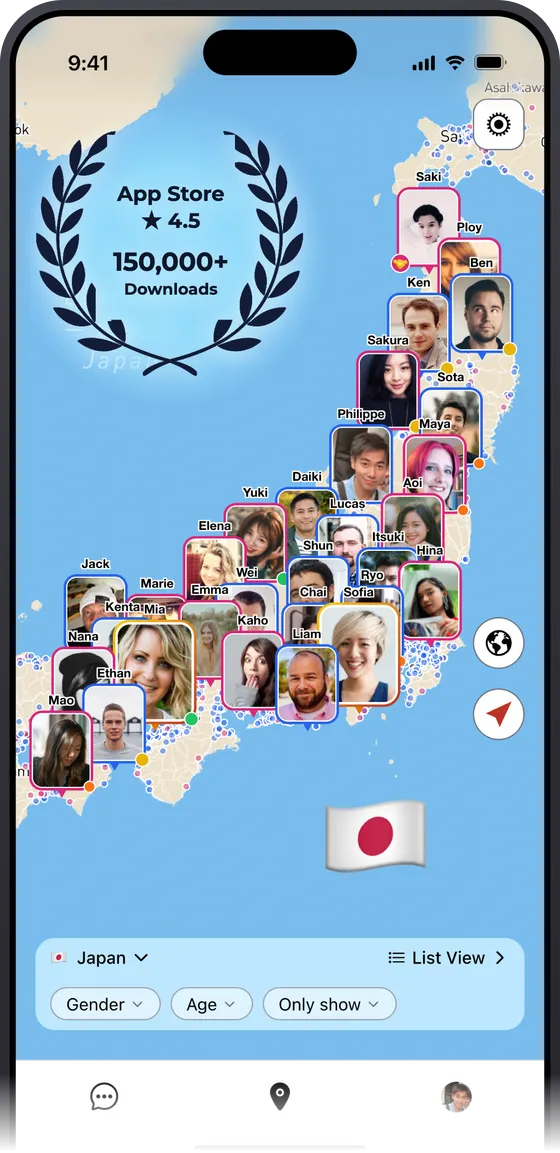
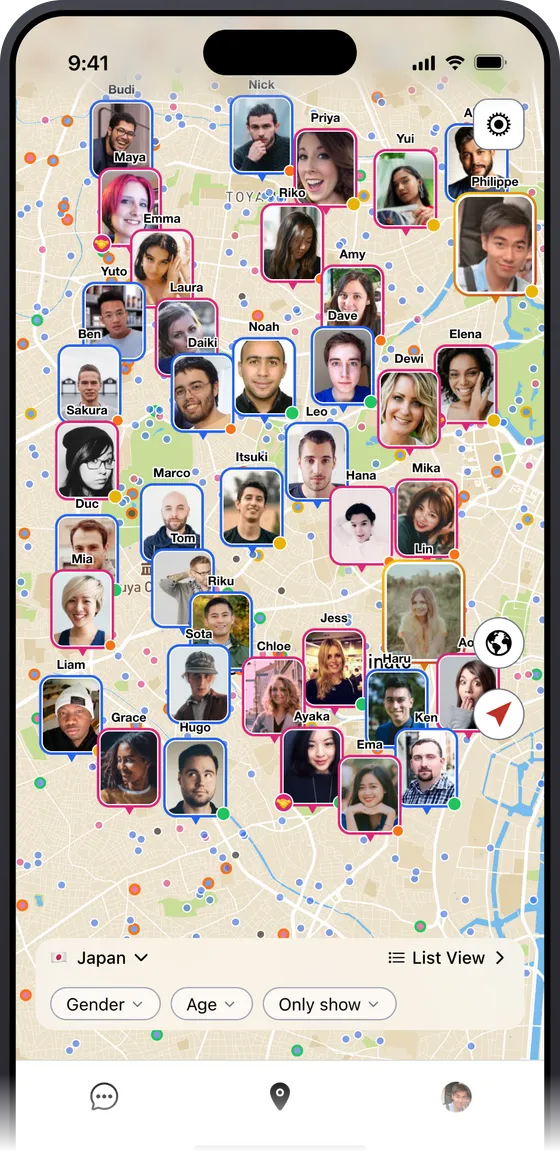
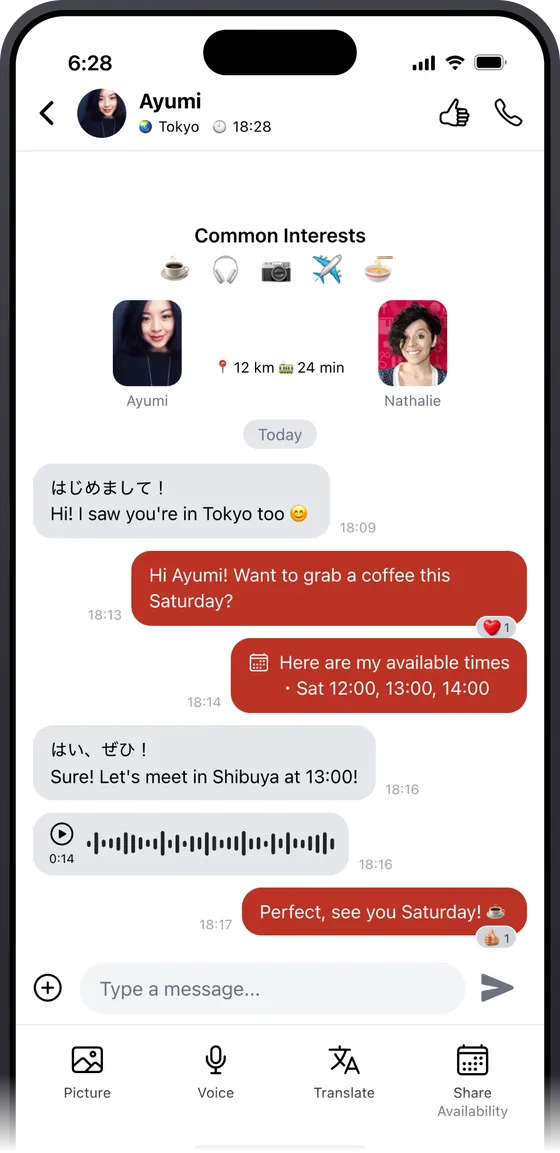


SewaYou is a map-based app for finding people near you who are open to meeting in person, including for hobby-based hangs and language exchange that doesn't revolve around bars. You can filter by what you actually want to do, set up a coffee or a walk or a study session, and build the kind of regular, sober, real-life social rhythm this article is about. If you've been stuck in the foreigner bubble because the standard advice didn't fit you, this is a different door in.


