
Almost everyone who moves to Japan has a product. Not a big cultural shock, not a visa headache. Just one ordinary thing from the supermarket that tastes, feels or behaves slightly differently from the version back home.
For some people it's ketchup. For others it's bread, mayonnaise, peanut butter, deodorant, cheese, or the cereal that looks familiar on the box and then somehow isn't. You squeeze, you bite, you frown. "That's not how it's supposed to be."
I had mine too. And it took me an embarrassingly long time to notice that the problem was never really the product.
It sounds dramatic to get upset about a condiment. But think about what familiar products actually do for you. They are tiny anchors. You don't think about them at home because they're always there, always the same, always correct.
Then you move abroad, and everything big is already new: the language, the job, the trains, the rules about trash. The small things are supposed to be the safe ones. So when even the ketchup feels different, it can land harder than it should. It's homesickness wearing a price tag.

That's worth naming, because once you see it, the frustration makes sense. You're not being picky. You're tired, and your brain is reaching for something that feels like home.
Here's the thing, though. A local product that tastes sweeter, softer or milder wasn't made by someone who failed to copy your version. It was made for people who grew up eating it with different dishes, at different meals, with different expectations.
In my experience, a lot of "this is wrong" products make total sense once you see them in their own context. The sauce that feels off on fries might be exactly right in the dish it was designed for. The bread that seems too fluffy for a sandwich might be perfect toasted thick with butter on a cold morning.
You don't have to like it. Some things will stay "not for me" forever, and that's fine. But "different" is a question, not a verdict. And questions are much more interesting to live with.
There's nothing wrong with buying the brand you love. Import shops and online orders exist for a reason, and sometimes a familiar taste is exactly what a rough week needs.
The trap is when it becomes a pattern. You buy your products, cook your meals, watch your shows, and slowly build a small bubble of home inside a country you moved to on purpose. It feels comfortable. It can also feel quietly lonely, because the bubble only has room for one.
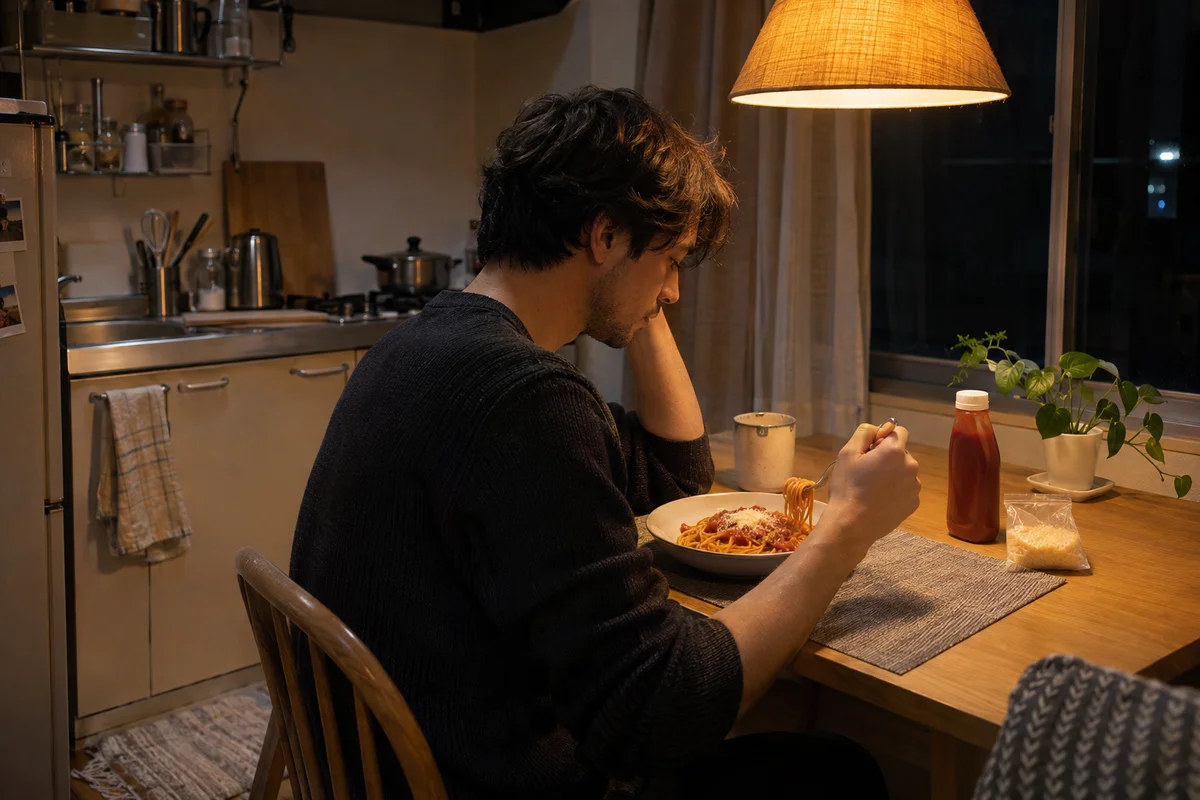
I noticed it when I realized I could name every shop in the city that carried my cheese, but couldn't name a single dish my coworkers actually ate at home. Comfort food can become a wall.
The fix I stumbled into was simple. Instead of complaining about the product, I started asking people about it.
"What do you actually put this on?" "Which brand does your family buy?" "What's the thing from the supermarket you'd miss if you moved abroad?" That last question is gold. Almost everyone has an answer, and almost everyone lights up a little when they give it.
Suddenly the runny sauce becomes a story about someone's mom's omurice. The weird bread becomes a recommendation for a bakery two stations away. You're not just learning about food. You're learning about a person. We wrote about this same effect in why Japanese food can taste bland until you have a Japanese friend, and it applies to the whole supermarket.
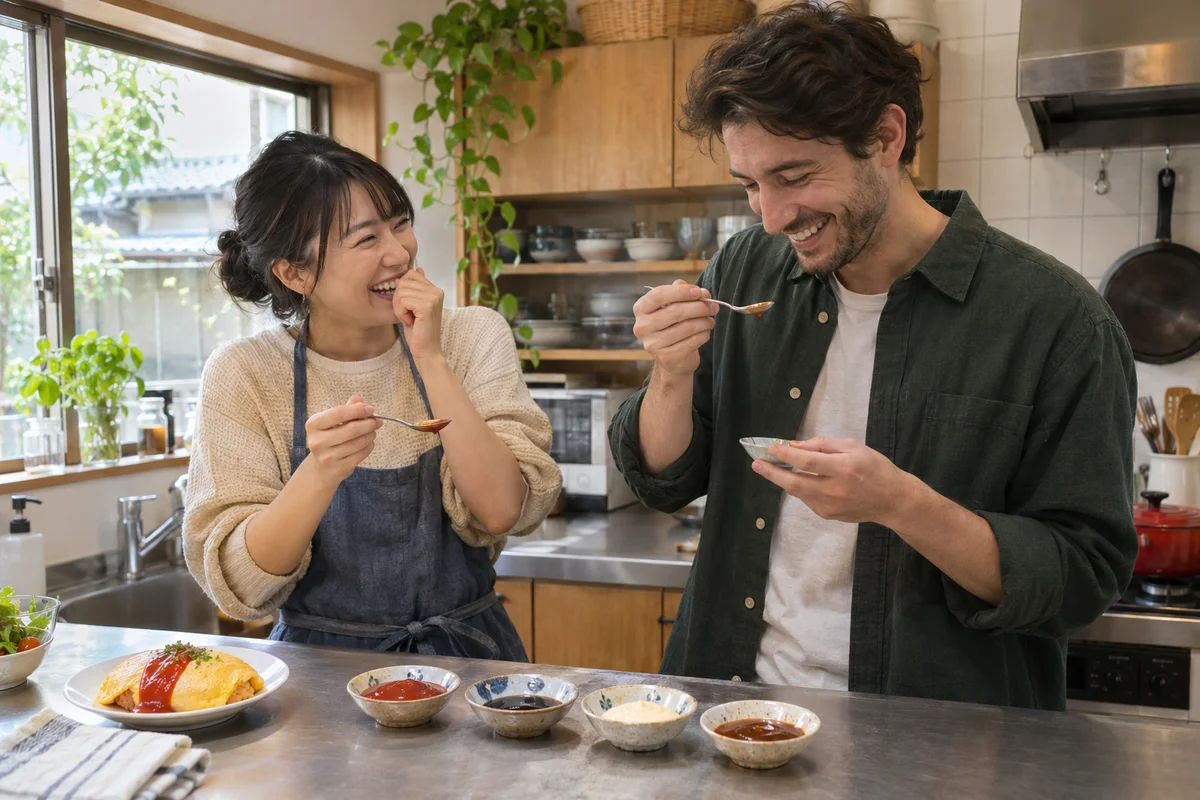
And it works both ways. Your Japanese friend might be just as baffled by the products you love. Trading those reactions is one of the easiest, lowest-pressure conversations you can have with someone new. Nobody gets defensive about ketchup.
If you want to make it a habit, try a taste swap. Bring one thing from home you genuinely miss. Ask your friend to bring one everyday Japanese product they think is underrated. Try both, be honest, and see who wins.
It's silly, and that's the point. It gives you a reason to meet that isn't a formal language lesson or a heavy "let's be friends" moment. It also gives you something to talk about the next time, and the time after that. Small shared rituals build real friendships.
You might still prefer your ketchup at the end of it. But you'll have a friend who knows that about you, and that's a much better deal than a better bottle.
If you don't have that person yet, SewaYou can help. It's a map-based friendship app for finding people nearby and anywhere in the world. You can meet locals and other residents in your area for a coffee and a taste test, or explore another city or country from home and start an online friendship before you ever visit.
Make Japanese Friends On a Live World Map
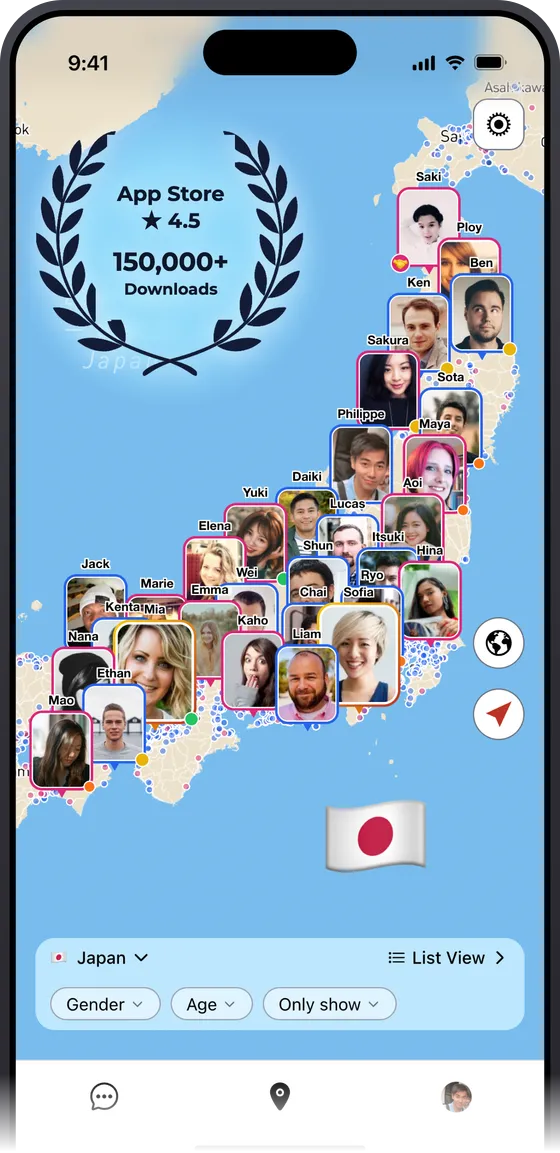
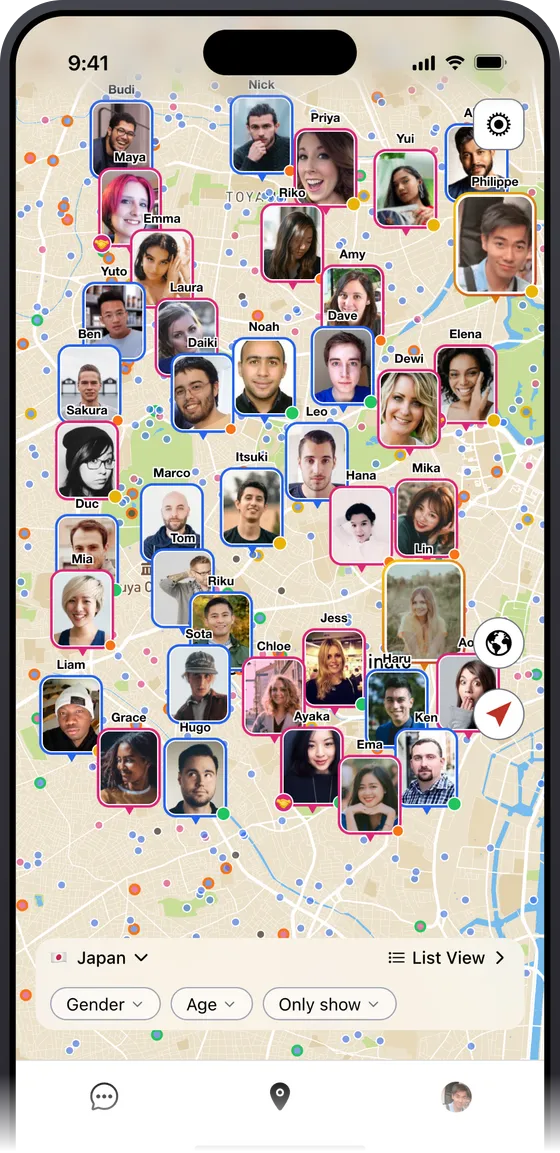
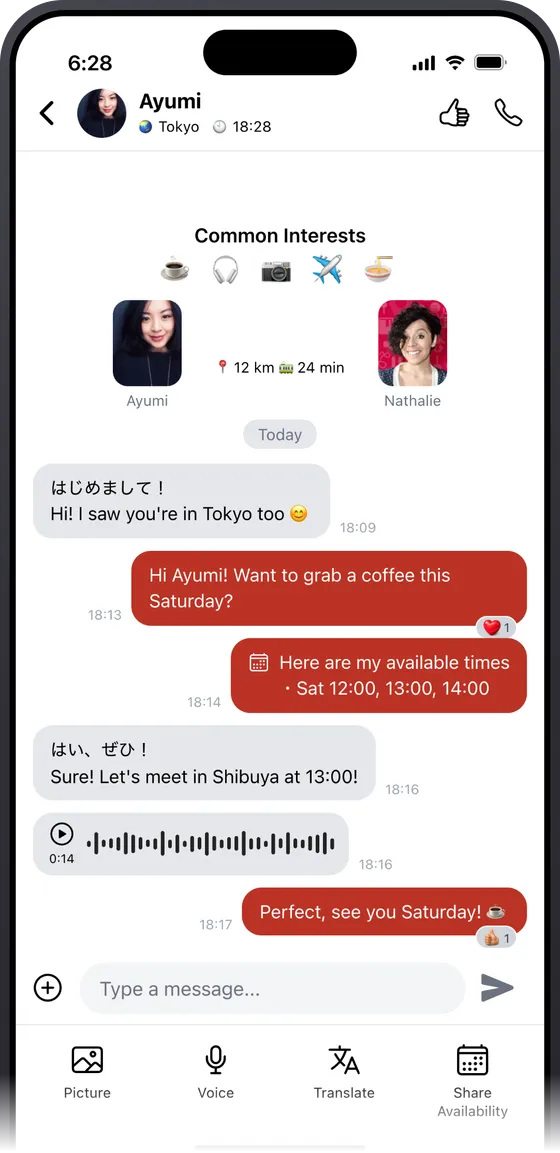


Your opening line is already written: "Okay, honest question. What's a Japanese product you think foreigners don't appreciate enough?" People love answering that one.
The product that felt wrong might end up being the thing that introduces you to your favorite people here. Download SewaYou and start the conversation.