

Somebody says it at almost every table where a newcomer is eating Japanese food for the first time. "It's good, but it's kind of... plain?" They poke at the miso soup, the grilled fish, the white rice. No chili, no heavy sauce, no garlic punch. Compared to a Florida BBQ or a curry back home, it can feel like someone turned the volume way down.
And honestly, on the first bite, they're not wrong about what they're tasting. They're wrong about what it means.
Here's the funny part. Ask a Japanese person who just tried a big plate of foreign food and you'll often hear the mirror image: 「味が強い」, the flavor is too strong. Same meal, opposite complaint.
Nobody is right and nobody is wrong. Your palate is just calibrated to whatever you grew up eating. Florida turns the dial one way. Dashi and miso turn it the other. Your baseline isn't the truth. It's just your baseline.
So "Japanese food is bland" almost always means "Japanese food is not what my tongue was trained on." That's a completely different statement, and a much more fixable one.
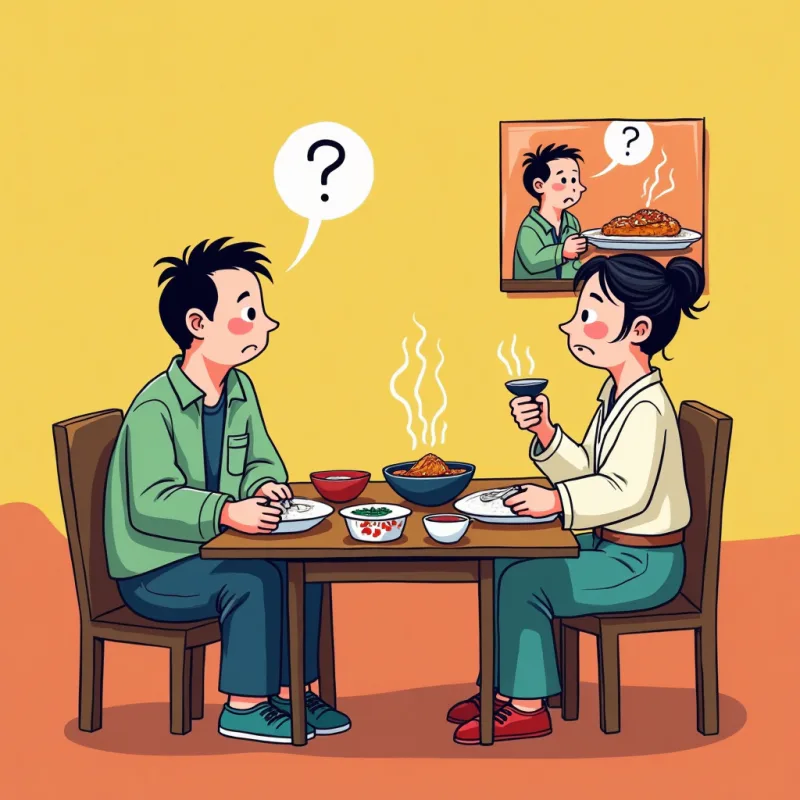
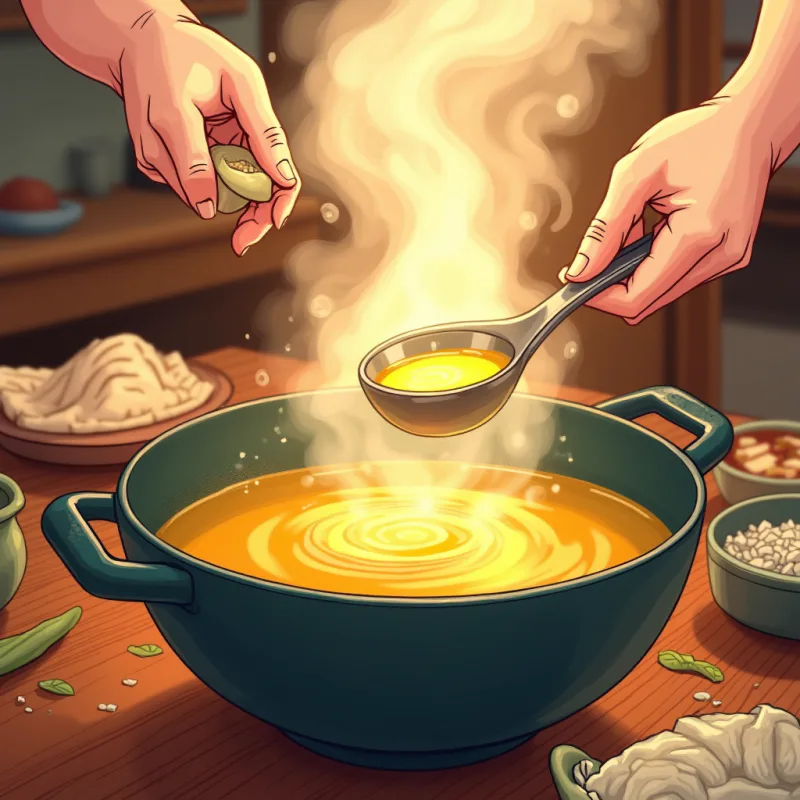
A bowl of clear dashi tastes like warm water to a lot of people the first time. Then something clicks, usually weeks or months in, and suddenly that same bowl is deep and savory and you can't believe you ever called it nothing.
That click has a name. You're learning to taste umami, the savory layer Japanese cooking is built around instead of fat, sugar, and spice. It was always there. Your tongue just hadn't met it yet.
This is the part most travel blogs miss. Japanese food is not low-flavor. It's flavor you have to grow into, the way you grow into black coffee or dry wine.
You can grow into it alone, slowly, by eating a lot of meals and reading a lot of labels. Or you can do it the fast way: eat with someone who grew up with it.
The first time a Japanese friend tells you to slurp the noodles so the broth aerates, or explains why the fish has nothing on it but salt because the fish is the point, the food reorganizes itself in front of you. You stop tasting "missing seasoning" and start tasting choices.
Context is a seasoning too. Knowing why a dish is simple is what makes the simplicity taste like confidence instead of absence. And nobody hands you that context like a friend who eats this way every single day.
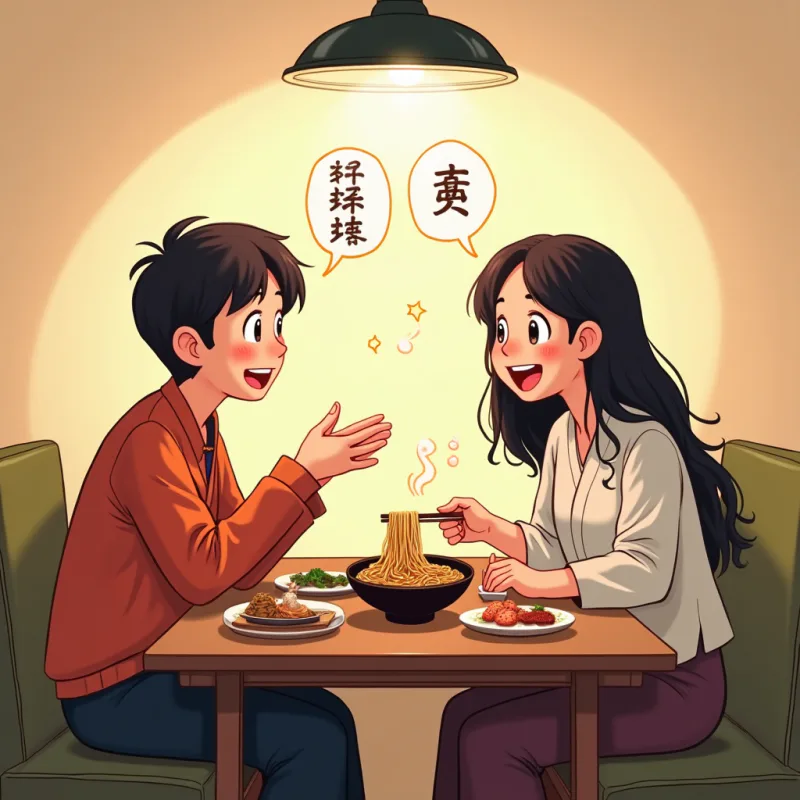
That's the catch. You move to Japan, you eat alone or with other newcomers, and everyone at the table is equally lost about the dashi. You can live here for years and never once eat with someone who can walk you through a menu like it's their grandmother's kitchen, because it actually was.
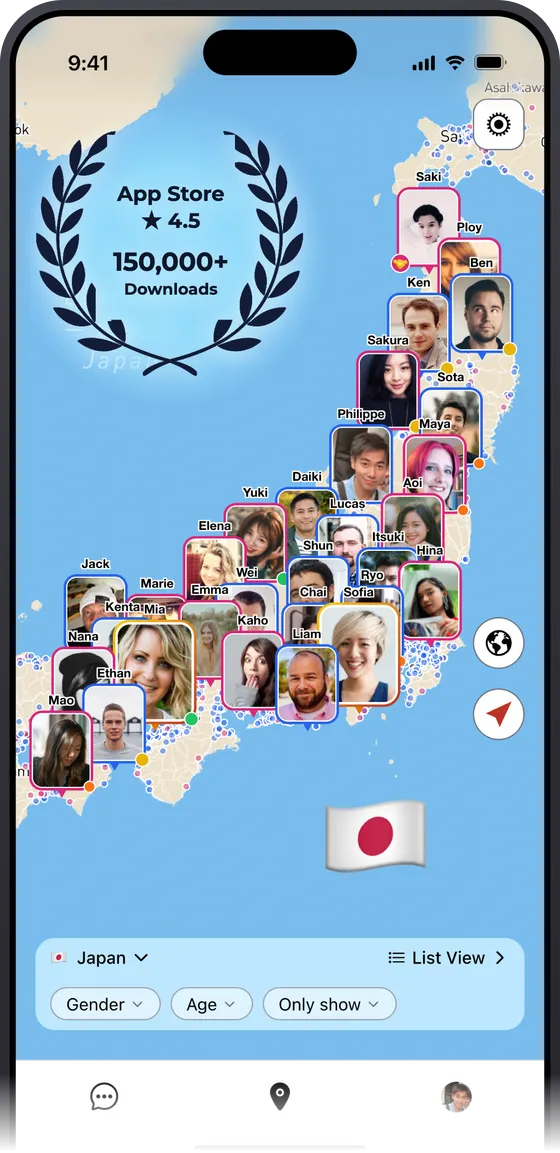
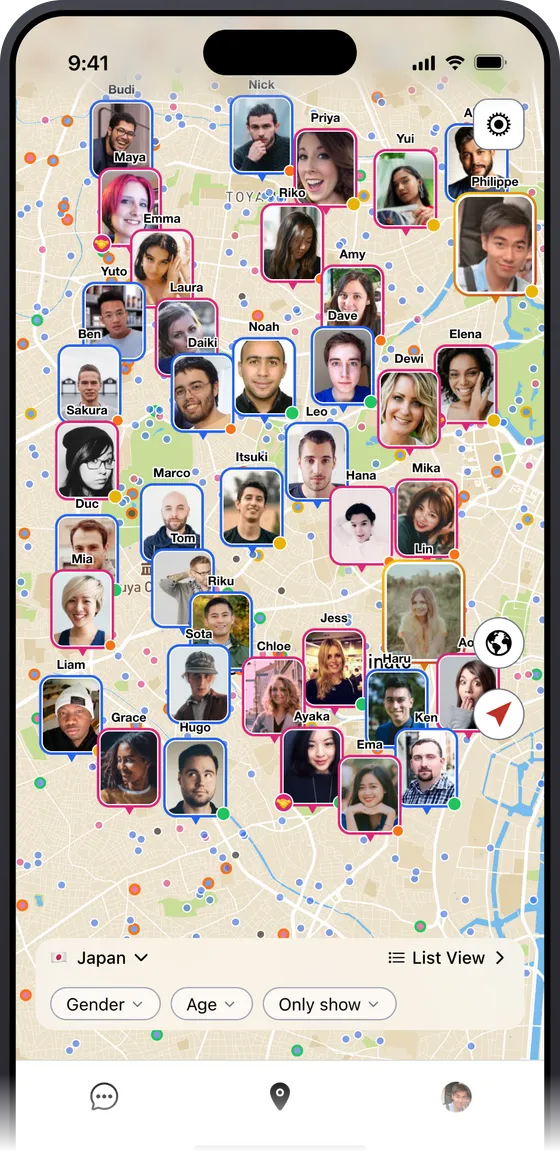
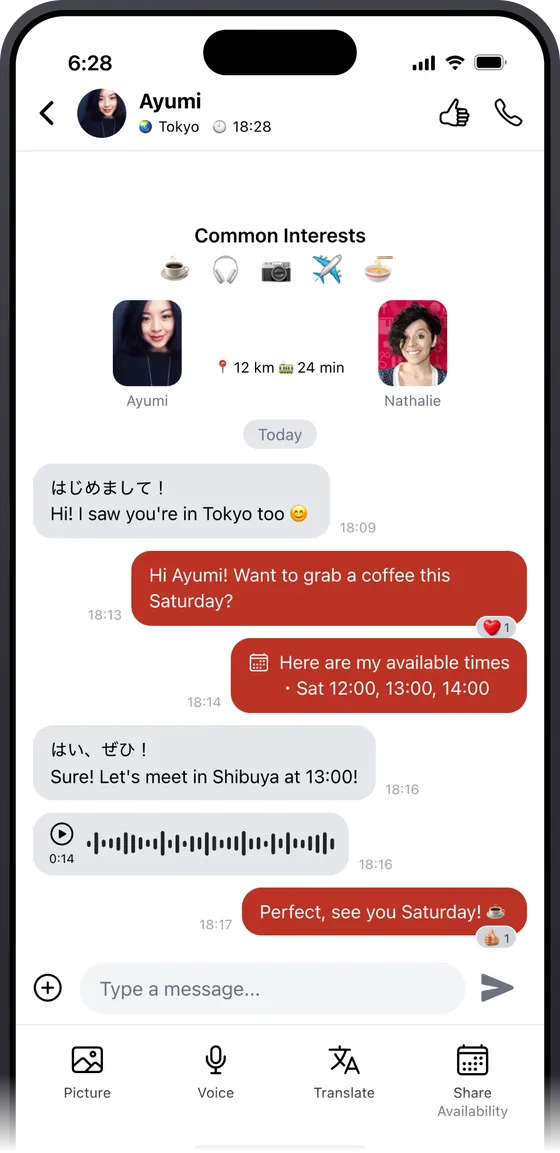
That's the gap SewaYou is built for. It's a map-based app that shows you the people near you who genuinely want to meet, swap languages, and yes, grab food. You open the map, you see who's around, and you find the person who can finally explain why the simplest bowl on the table is the one everyone fights over.
Make Japanese Friends On a Live World Map


Spend enough time eating across both worlds and something quietly great happens. You stop being able to call either side bland or too strong. You get a double palate. A BBQ hits, and so does a piece of plain grilled fish, and you can hold both without ranking them.
That's not really about food. A double palate is an open mind that learned to taste. The people who get there almost never did it from a guidebook. They did it across a table, with a friend, asking the slightly dumb questions out loud.
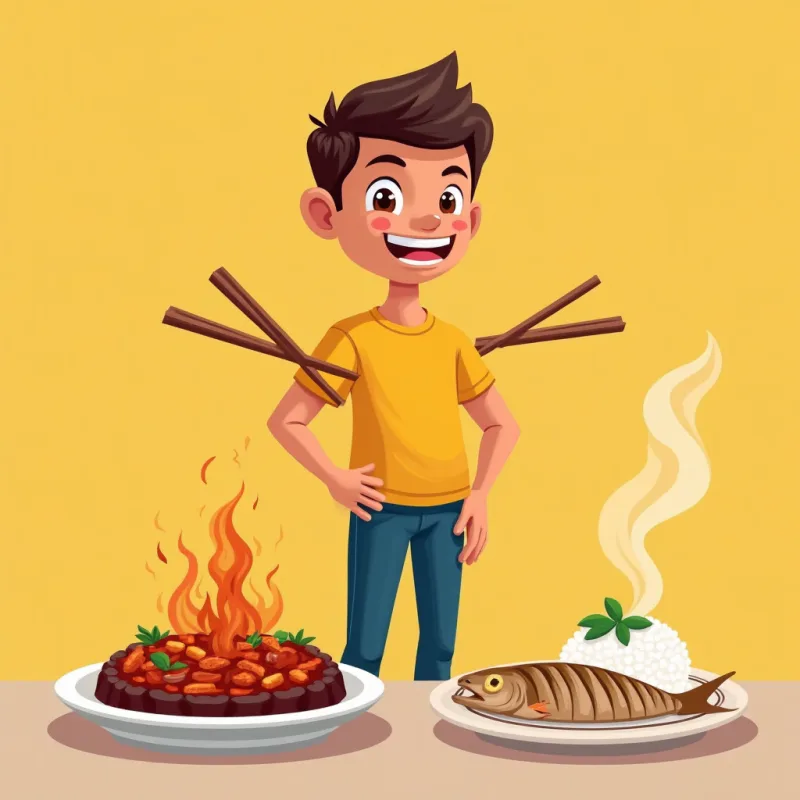
So no, Japanese food isn't bland. You're just early. Find the person who can show you what you're not tasting yet, and the whole country starts tasting different.
SewaYou is a map-based app for finding international friends and language partners near you, the kind who'll happily argue with you about whether the soup needs more salt. Open the map, see who's close, and go eat.


