

You want to spend a day at the beach. Read a book, get in the water, eat some shaved ice while it melts down your hand. Back home you would already be in the car. You would not have run it past anyone. It is a beach.
Then you mention it, and someone who knows this country better than you tells you it is dangerous. Not the water, exactly. Everything. Going alone. Being new. And just like that, a plan that felt like nothing turns into a question you cannot answer, because you have no way of knowing if they are right.

Here is the thing almost nobody says out loud about your first year somewhere new. You lose your own sense of what is safe. Not because the place is actually more dangerous, but because you cannot read it yet. The signals you spent thirty years learning back home do not translate. So you go quiet and you defer.
Back home you knew which beach had a mean current and which one was fine for a nap. You knew it in your body. Here, every stretch of coast looks the same to you, so when someone says "that one is dangerous," you have nothing to hold it up against. You are not being cautious. You are guessing, and letting someone else guess for you.
That is the real discomfort. Not the trip. The blank space where your own judgment used to be.

When you are new, your entire read on the country often comes from one or two people. A partner. A coworker. Whoever happened to be standing next to you when you had a question. They quietly become your whole map of Japan.
And a map of one is a problem, even when that person loves you and means well. Because you cannot tell the difference between real local knowledge and their own particular worry. Maybe the beach genuinely has a nasty rip. Maybe they are just a nervous person who would say the same about a train at night. You cannot separate caution from fear when you have a single source, so the most cautious voice in your life wins every argument by default.
That is not a great way to decide what you are allowed to do with your own Saturday.
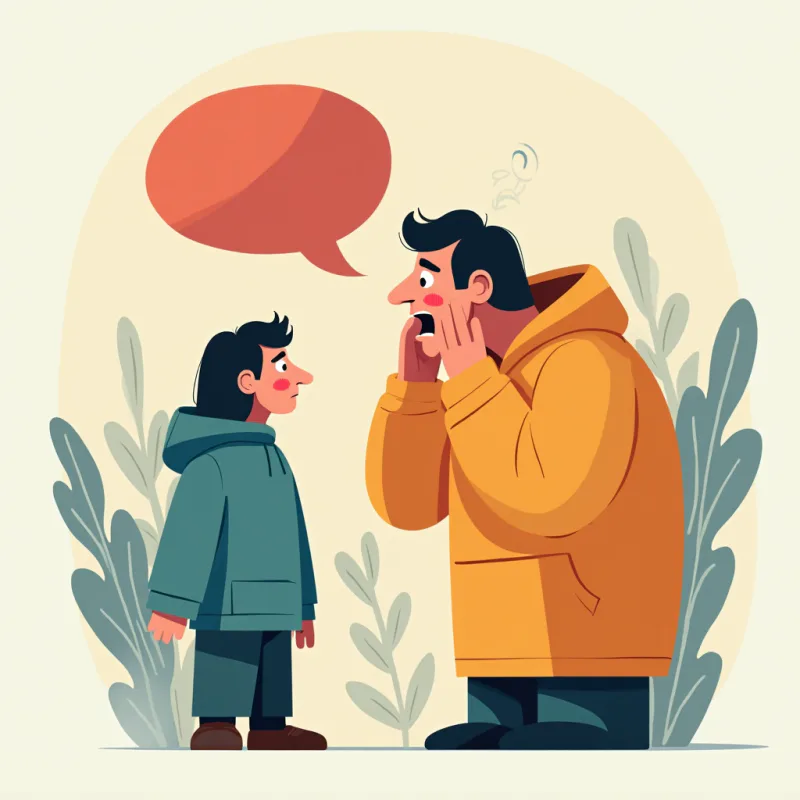
Here is what changes everything, and it is not "be braver" or "ignore the people who care about you."
It is having more than one person to ask. When you know three or four people who actually live here, the picture stops being a single nervous headline and starts being real information. One of them grew up near that coast and tells you which beach has the lifeguard and where the locals actually swim. One of them thinks you will be completely fine and has done it a hundred times. Suddenly you are not choosing between blind trust and blind rebellion. You have a second opinion you actually trust.
And notice what that does to the loneliness of it, too. You can still go alone. Read your book alone, float in the water alone, that was the whole point. But going solo hits different when a couple of people know where you went and would text back in five minutes if you asked. Solo, not alone in the world. That is the version worth wanting.

The catch is that this network does not appear on its own, and your first year is exactly when you have the fewest of these people and need them the most. The usual apps do not help much either. Endless messaging with usernames three prefectures away is not the same as one person who actually knows the coast you are driving to.
SewaYou is a map-based app that shows you real people near you who also want to make friends. You set the map to your own area, or to the place you are heading, and you see actual locals and fellow residents who are close by. You can also explore anywhere on the world map. When you focus on your own area, the people you meet are people who might genuinely know that beach, that neighborhood, that train line, and who you could realistically see again.
Make Japanese Friends On a Live World Map
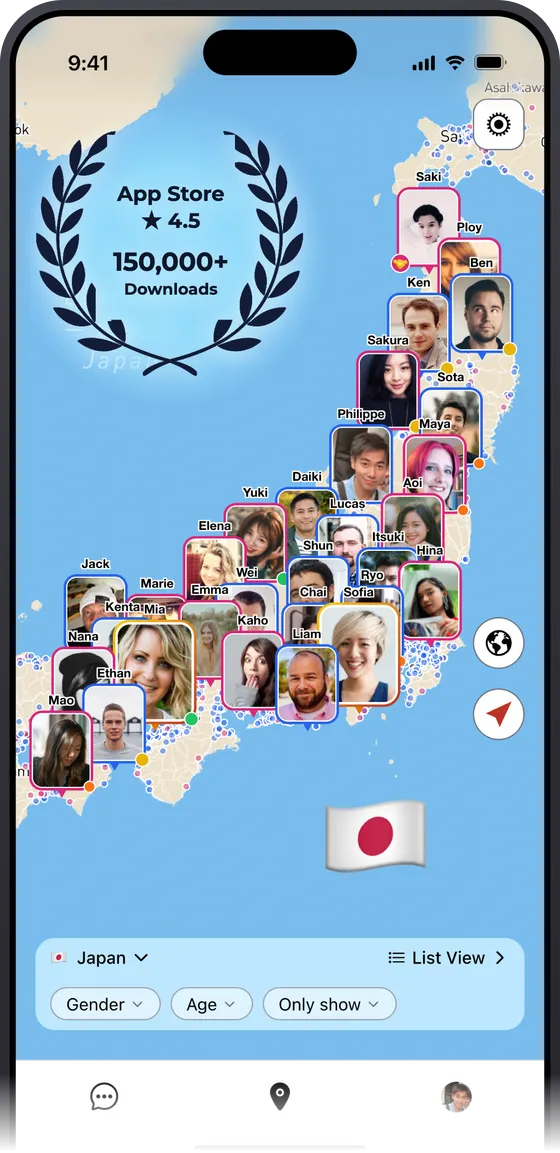
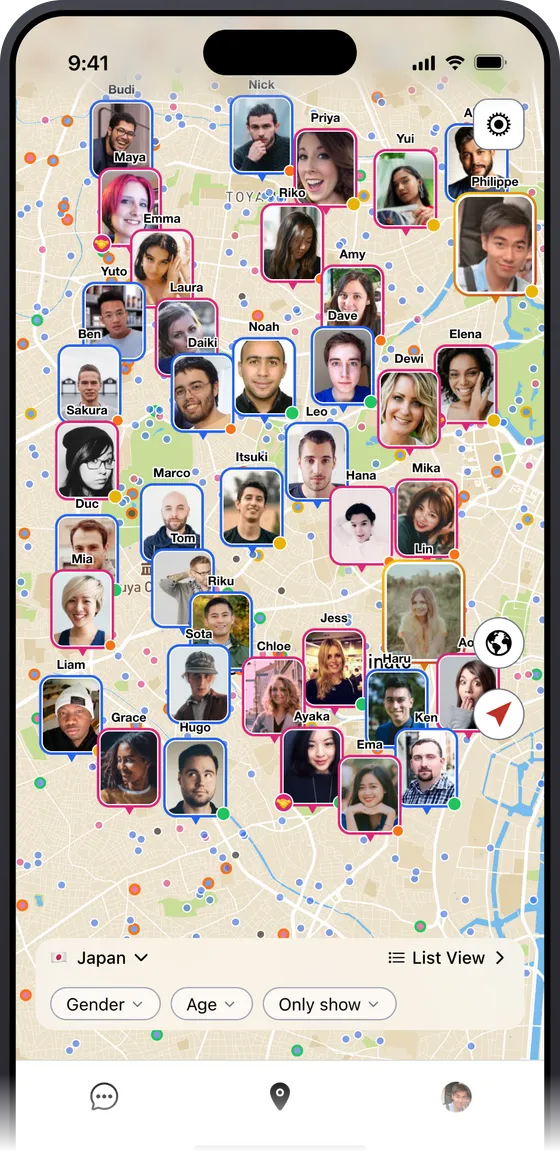
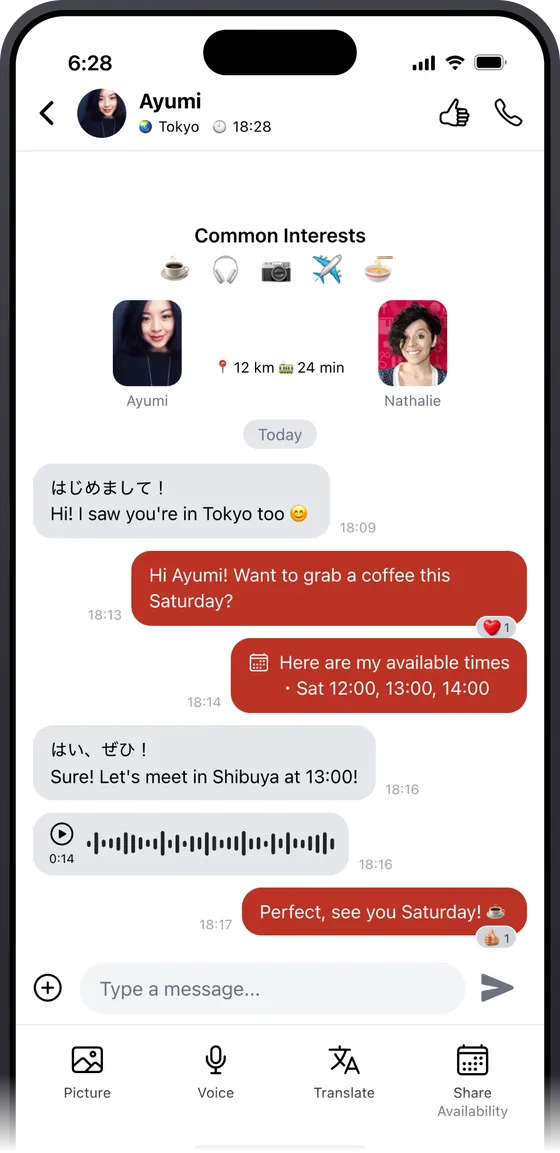


So no, a solo beach day is not a bad idea. Wanting it does not make you reckless, and doing it does not make you alone. What you are really missing is not courage. It is a few more people who know this place, so the loudest worried voice is not the only one you get to hear. Set the map to your neighborhood tonight, read a couple of honest profiles, and send two messages. Then go to the beach. Bring the dry bag. Bring the book. You have earned a day that is just yours.
For breaking out of relying on a single social circle, How to Escape the Foreigner Bubble in Japan.
For settling in as a newcomer, The 5 Apps You Should Actually Download Before You Move to Tokyo.


