

A club can be the place your child finds their people. It can also become the reason they never have a free Saturday. Those two things can be true at the same time.
For a parent raising teenagers in Japan, that makes the usual advice feel thin. "Let them quit" overlooks the friends they want to keep. "It builds character" does not answer the question of when they get to rest.
The question I would start with is smaller: how much of this schedule does your child actually choose? That is useful beyond school, too. Adults can end up treating every invitation as a test of whether they deserve to belong.
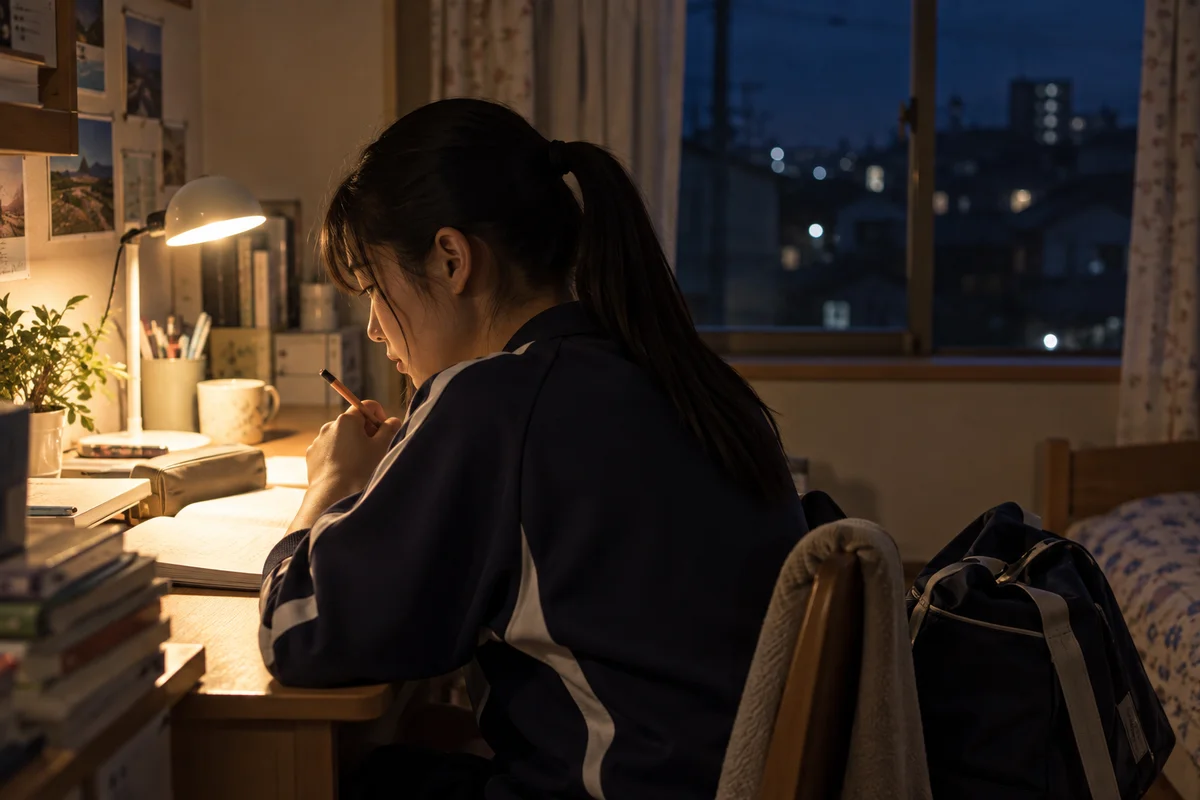
School clubs, often called bukatsu, are not one uniform experience. Expectations vary by school, activity, and the people running it. The problem here is a particular pattern: morning practice, school, more practice, homework, then a weekend that already belongs to the team.
Even a child who loves their sport can dislike that schedule. Enjoying an activity is not the same as wanting it to occupy every available hour. Enjoyment needs room to breathe.
Before debating whether the club is good or bad, look at one ordinary week together. Include travel, meals, homework, and sleep, not just the official practice hours. Where is the time your child can use without asking permission or explaining its purpose?
If the answer is "after everything else," there may be very little of it. A calendar full of people is not automatically a social life that feels good.
"Do you want to quit?" makes the choice enormous. It bundles the sport, the friendships, the coach, and the timetable into one yes or no.
Try separating them. Ask which part of the week they look forward to, which part they dread, and whom they would miss if they stopped going. Then ask what they would change if nobody were disappointed.
You might hear something quite specific: they want to play, but not spend an entire Sunday watching someone else compete. Or they want to see their friends, but need an evening when homework does not start at bedtime. Treat those as useful answers, not evidence that they lack commitment.
Keep the connection, question the schedule. The goal does not have to be persuading your child to leave. It can be helping them name a version of participation they would actually want.
And if they genuinely want the demanding version? Listen to that, too. Agree on when you will check in again, including whether they still have enough time for sleep and schoolwork. Giving them a voice means hearing enthusiasm as well as frustration.
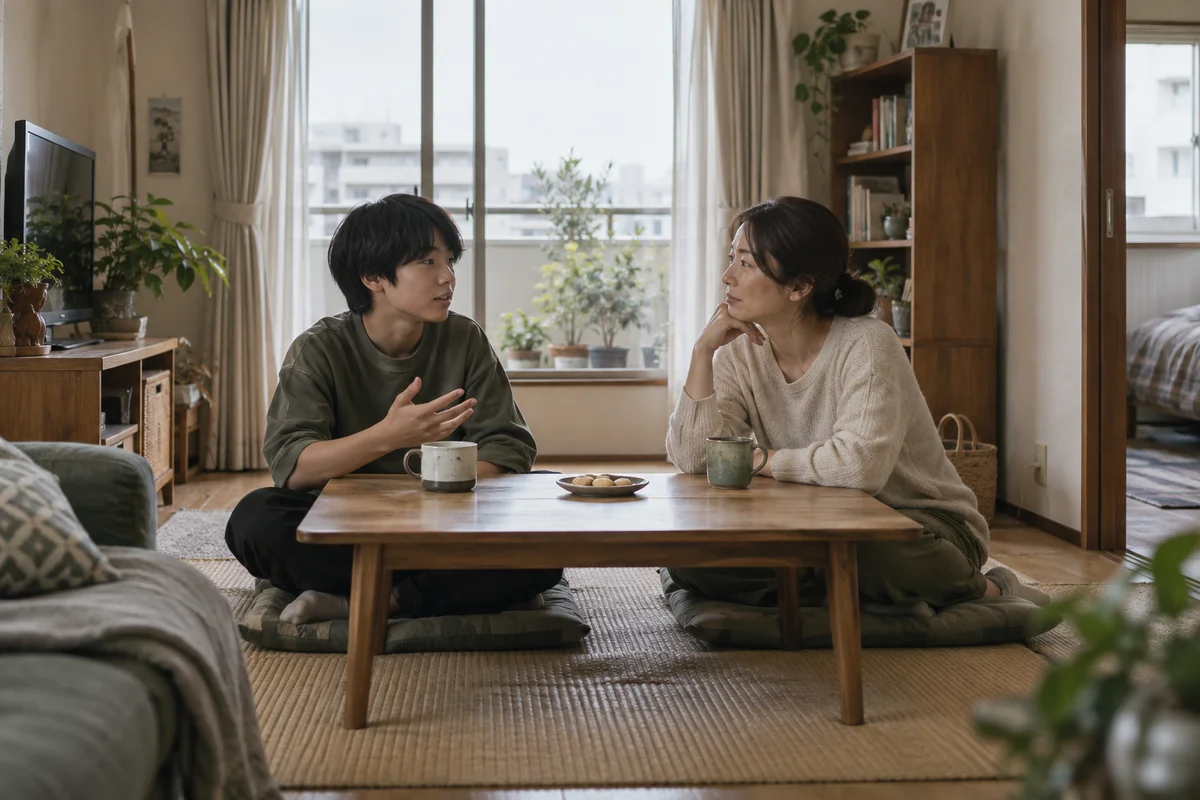
Start with a concrete request your child understands and, where possible, helps shape. Protecting the Sunday before exams is easier to discuss than announcing that the entire club culture needs to change.
You could ask the teacher or club adviser:
Those are suggested questions, not promises about what a school must allow. Ask about the actual expectations and any consequences rather than relying on what everyone seems to assume.
Make the boundary specific. "We need better balance" is easy to agree with and easy to ignore. "Could they miss this Sunday's cheering session to prepare for Monday's exams?" gives everyone something concrete to answer.
Avoid asking your teenager to carry the entire negotiation alone. Talk beforehand about what they are comfortable having you raise, and check afterward for practical or social fallout. If the schedule is affecting their health or making school feel unmanageable, involve an appropriate school contact or healthcare professional instead of treating it as a motivation problem.
Leaving a demanding group can feel risky when it is your only place to see friends. That is why "just find another hobby" can sound like another assignment.
Start with an existing relationship and a smaller invitation. Could your child walk home with a friend, arrange a short weekend visit, or spend a free afternoon doing something together outside practice? Use plans that fit their age, your family's arrangements, and the friend's availability.
The point is more than one way to belong. A friendship that sometimes happens outside the club gives the relationship a little space of its own. It does not have to depend entirely on the next tournament.
Leave some time genuinely empty, too. Replacing every practice with an enriching alternative keeps the calendar just as crowded. An afternoon does not need to produce a skill, a memory, or a new friend to be worth protecting.
The adult version is familiar: you want friends in Japan, so you say yes to a weekly meetup even when you are exhausted. Then missing one session feels like losing your place.
You can offer a gentler kind of invitation yourself. "Coffee near the station for half an hour?" gives someone a clear commitment. "No problem, let's try another week" makes it easier for them to return after saying no.
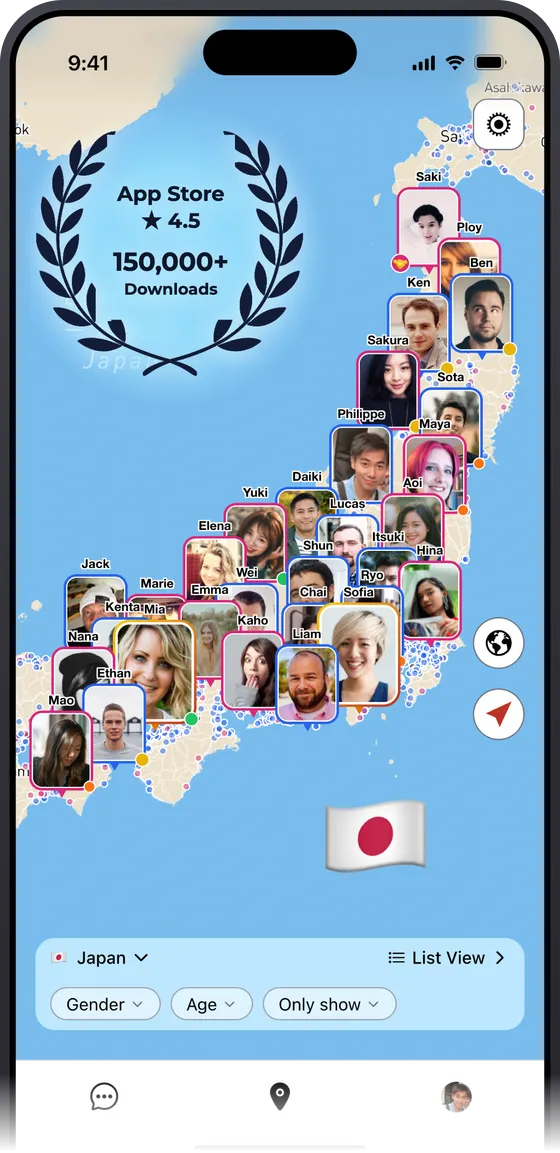
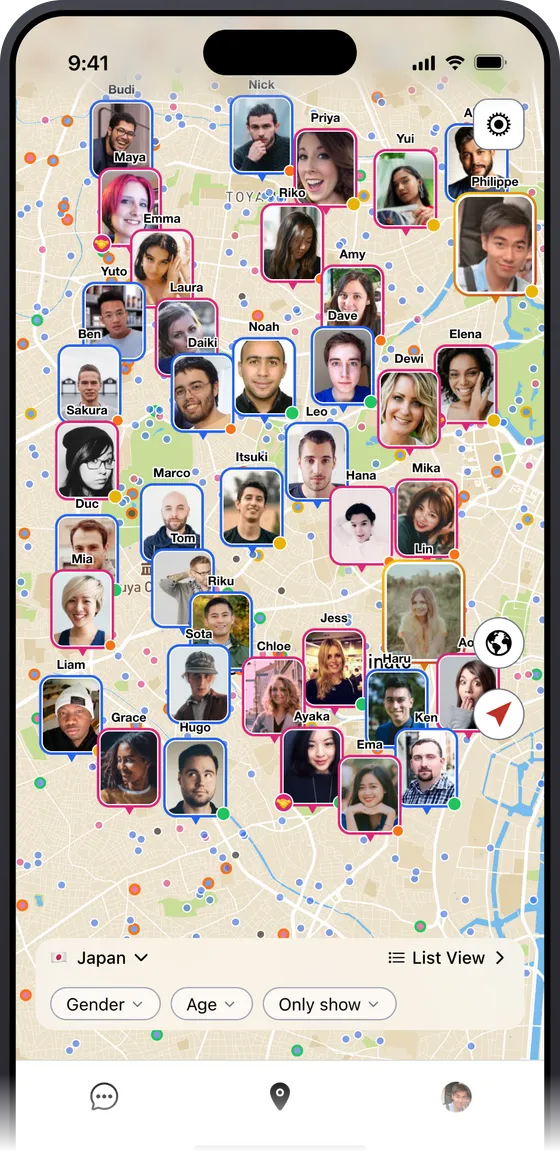
For adults looking for new connections, SewaYou is a map-based app for meeting people nearby and finding language exchange partners. Start with a shared interest and suggest a short meeting in a public place that works for both of you.
Make Japanese Friends On a Live World Map
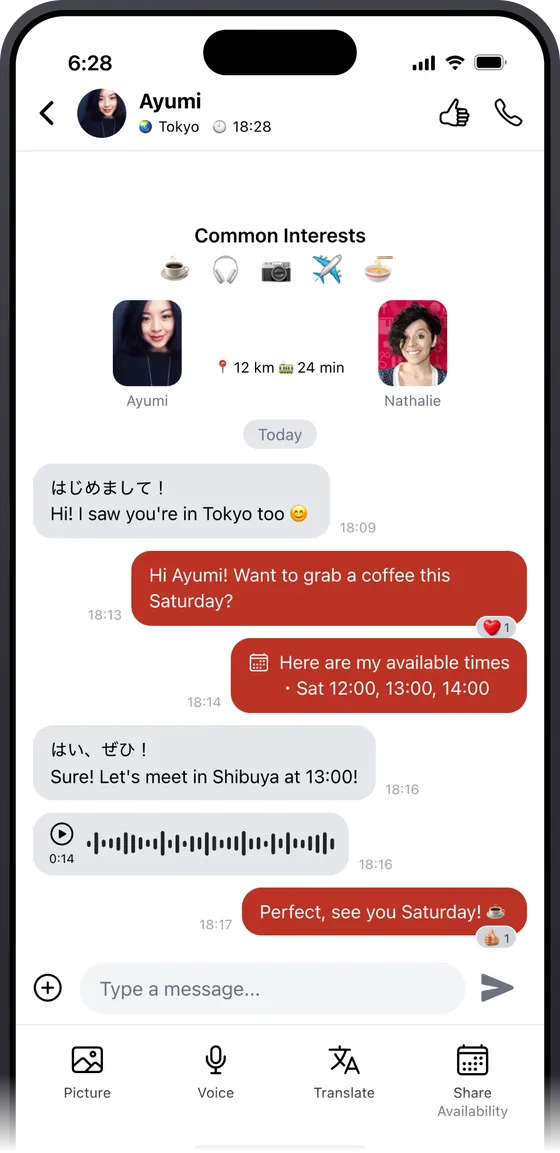



Aim for an invitation with breathing room. You can care about a group, keep showing up for people, and still have a weekend that belongs to you. That is a useful example to set for a teenager, too.
Want to make room for a new connection? Download SewaYou and start with one conversation that fits your life.

