Imagine trying to explain two things at once: you feel more at ease in Japan than you did somewhere else, and you still have moments when you feel shut out. Before you finish, someone wants a verdict. So, is Japan welcoming or not?
That question asks a whole country to fit inside one feeling. It also leaves very little room for yours.
I'd start with a smaller question: which parts of life feel easier here, and which parts still hurt? You do not have to cancel out the good to name the bad. And you do not have to prove another country is worse before you are allowed to enjoy living here.
Relief and exclusion can coexist. If you have experienced openly hostile racism elsewhere, a quieter daily life can feel like an enormous release. That relief matters, even if someone with a different history does not understand it.
But feeling less exposed to hostility is different from having equal access to housing, being taken seriously at work, or feeling that people want to know you beyond your nationality. A friendly conversation cannot settle all those questions.
The reverse matters, too. A painful encounter does not make every warm relationship you have built here fake. You are allowed to keep the friendship and criticize the barrier.
Think of your experience as several separate questions: Do I feel safe? Am I treated fairly? Can I participate? Do I have people I can relax around? You might give a different answer to each one. That is a more useful starting point than giving your whole life in Japan a single score.
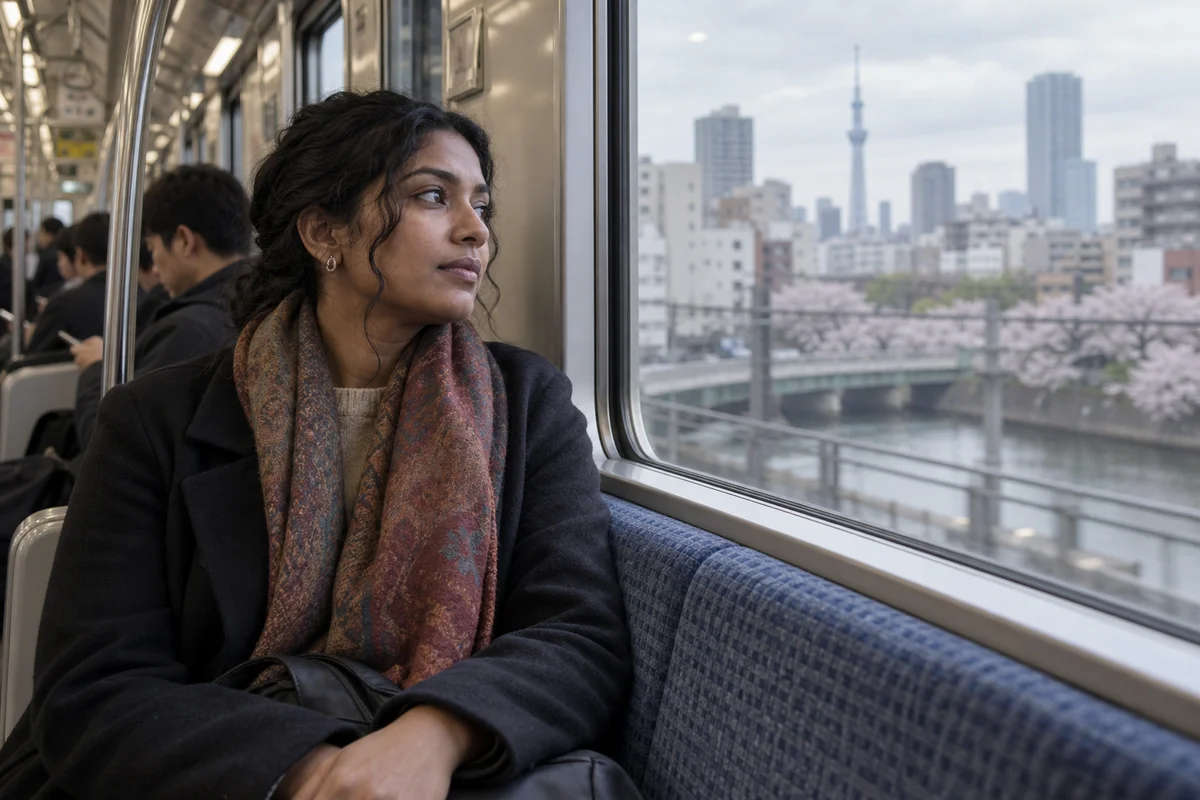
A conversation about racism can turn into a competition surprisingly easily. Someone describes being excluded, and the reply becomes a story about somewhere more hostile. Someone describes feeling welcome, and another person insists they must be missing something.
Different histories change the comparison. A person encountering racial exclusion for the first time may be shaken by something another person recognizes immediately. Neither reaction tells you everything about the event, and neither person's racial identity makes their account automatically complete or worthless.
Race, nationality, accent, Japanese ability, and how others perceive you can shape an interaction in different ways. Two residents can live near the same station and have very different experiences. We should be careful about turning either one into a rule about everyone else.
If a friend tells you something painful, try asking, "Do you want me to listen, help you think it through, or help with a next step?" Your own experience can wait a minute. Listening does not require agreeing that every possible explanation is certain.
An awkward exchange can leave you replaying every second. Was the person assuming you could not speak Japanese? Were they distracted? Was that exclusion? You may not get a clean answer about their intention.
Start with what happened and what you need. Separate the observable event from your interpretation without talking yourself out of the impact. "They kept answering my companion after I asked the question" gives you something more concrete to work with than "I will never belong here."
Different problems need different responses:
You do not need to establish malicious intent before deciding an interaction hurt. You also do not need to decide what it says about an entire country before choosing your next step.

Learning Japanese can make it easier to explain what you need, follow a conversation, and return to a place with more confidence. It can also clear up an assumption that you will not understand. Those are good reasons to keep learning.
But language is not an admission fee for basic respect. If someone treats you badly, "study harder" is not a complete answer. Fluent speakers can still encounter prejudice, and beginners still deserve fair treatment.
Keep the goals separate. Practice the phrase that would help you handle an appointment. Ask for clarification when you need it. Build confidence because it gives you more choices, not because you must earn the right to object.
And in friendship, look for effort in both directions. Someone can speak slowly without being patronizing, ask what you meant without making you feel stupid, and stay interested when finding the right word takes a moment. You can offer the same patience back.
After enough uncomfortable interactions, meeting people can start to feel like an audition. Can you be funny enough, fluent enough, easy enough to include? That is a tiring way to spend a Saturday.
Try looking for mutual interest over approval. Does the other person ask you questions? Remember something you said? Suggest another time if they cannot make your invitation? You are choosing a connection, too.
A shared activity gives you something specific to meet around. A photo walk, a board game, or a visit to a small exhibition lets a conversation begin with what you both enjoy. It does not have to begin with explaining where you are from.
Make one small invitation: "I'm taking photos by the river on Sunday morning. Want to join for half an hour?" If it feels comfortable, suggest another plan. If the effort stays one-sided, you can put that energy somewhere else.
Friendship will not remove institutional discrimination. It can give you people who listen without demanding a country ranking, and ordinary afternoons when you get to be more than the foreign person in the room.
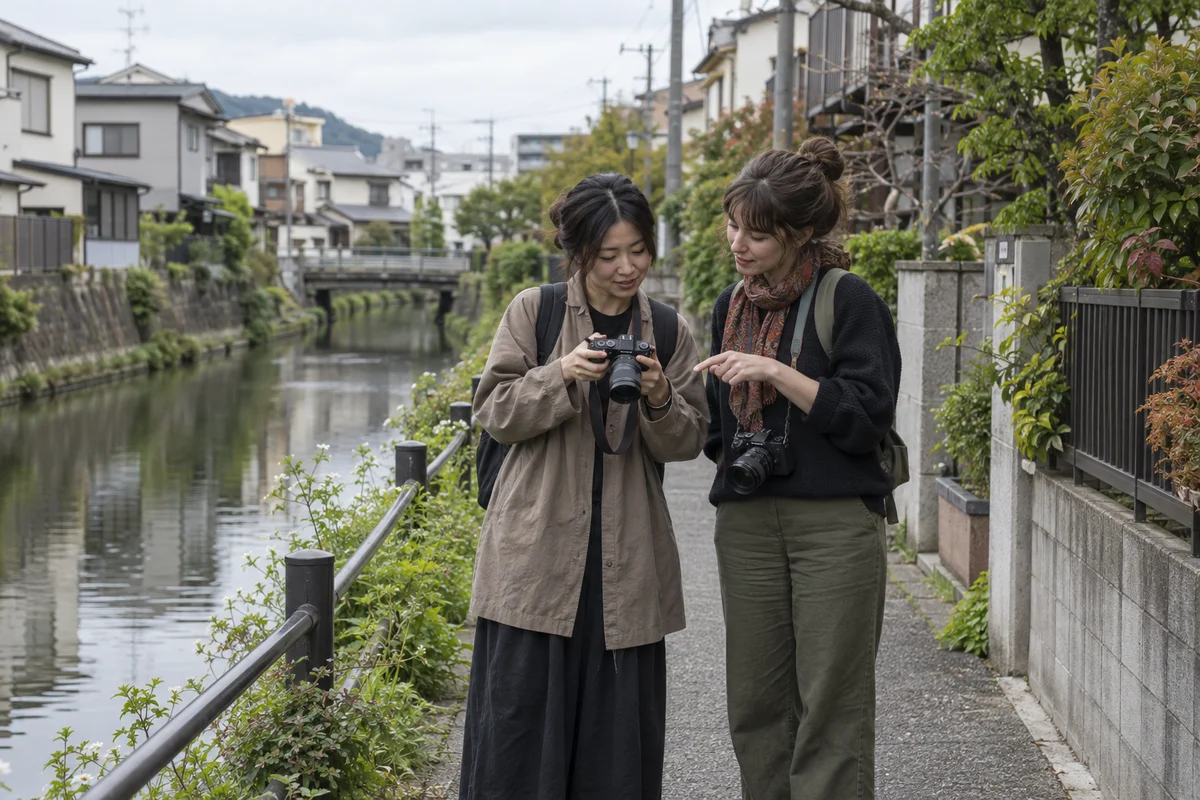
You do not need a final verdict on Japan before making plans for next weekend. You can appreciate what feels easier, take unfair treatment seriously, and keep looking for people who meet you halfway.
SewaYou is a map-based app for finding people nearby for friendship and language exchange. Start with a shared interest and suggest a simple meeting in a public place. The goal is a conversation you both want to continue.
Make Japanese Friends On a Live World Map
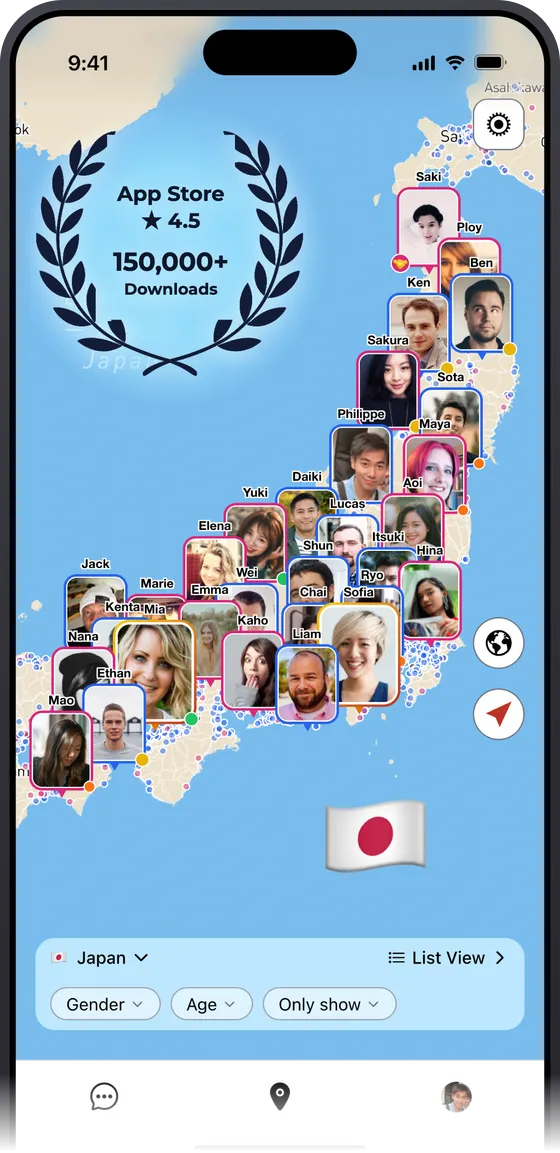
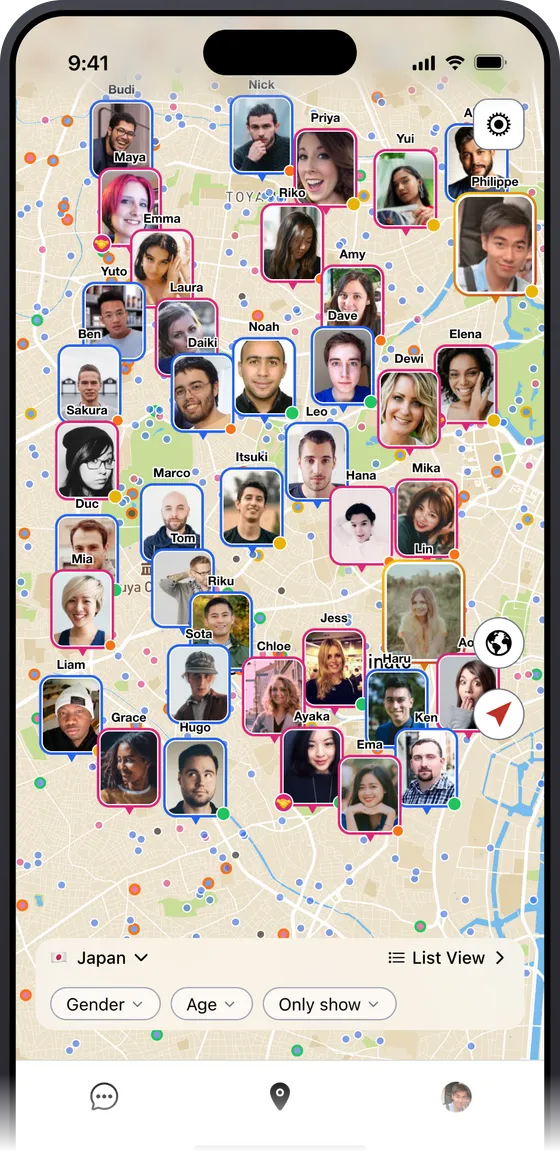
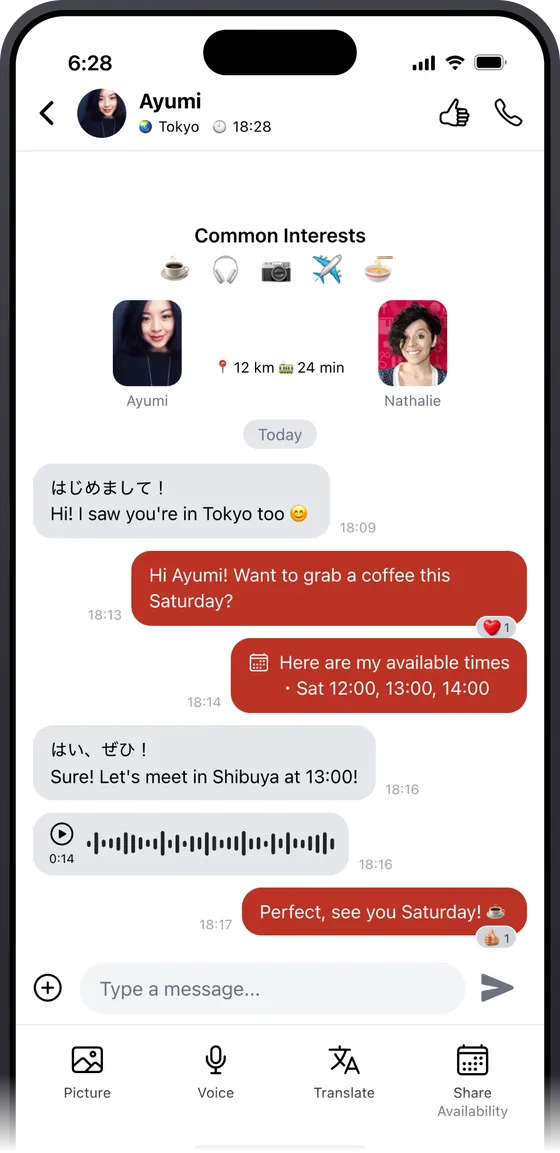


You do not have to represent a country or defend your whole experience of living abroad. You can just be someone who wants company for a photo walk.
Download SewaYou and find someone nearby to share an ordinary afternoon with.