
There's a moment I've seen a lot of foreigners in Japan reach. Life hits hard all at once, maybe a loss, maybe a betrayal, maybe both in the same month. You try to go back to work and you break down at your desk. You try again and it happens again.
So you tell your boss you're done. You'll leave for good, so nobody has to deal with you anymore.
And then your boss surprises you. Instead of accepting, they say: take some time off. Rest. Come back when you're ready.
If you're in that spot right now, part of you probably feels relieved, and a bigger part feels guilty. You don't want to be 迷惑 (a burden). You don't know if "ready" will ever come. And the bills keep arriving whether you work or not.
This one is for you.

When you're depressed, your brain turns into a very convincing accountant. It tallies up everything you cost other people and nothing you give them. Every missed shift becomes evidence. Every kind message from a coworker becomes proof you're a problem they're too polite to name.
Living in Japan can sharpen this. The idea of not causing trouble for others runs deep here, and as a foreigner you may already feel you're on thinner ice than everyone else. Quitting starts to look like the clean, considerate move. You disappear, they hire someone, everyone is spared.
But notice who is doing that math. Depression is a terrible decision-maker. It's the same voice telling you that you'll never feel better, that nobody really cares, that you've ruined everything. You wouldn't let that voice plan your finances. Don't let it write your resignation letter either.
Here's something people often miss in this situation. A manager in Japan who wanted you gone had an easy exit handed to them. You offered to leave. They could have said yes.
They didn't. They said rest.
Maybe it's kindness. Maybe they value your work and would rather wait for you than retrain someone new. Maybe it's simply how their company handles health leave. Whatever the reason, they already did the meiwaku math, and they decided keeping you was worth it.
You're allowed to take that answer at face value. Accepting help someone offered freely is not the same as imposing on them.

The fear underneath all this is usually money and time. "If I take leave, I'm still paying taxes and insurance with no income. How long can I do that? What if I'm never okay?"
Those are real worries, and I won't pretend they aren't. But quitting doesn't make them disappear. It often makes them worse.
A few things worth checking, calmly, with your company's HR or your health insurance provider:
None of this means you'll go back to that job. Leave isn't a promise to return. It's buying time, not signing a contract. You can rest, see how treatment goes, and decide in a month or three, with a clearer head, whether that workplace is still right for you.
Quitting tonight closes doors. Leave keeps them open while you're too tired to walk through any of them.

You don't have to know. Nobody at the start of recovery knows.
If you're seeing a psychiatrist and taking medication, you've already done one of the hardest things: you asked for help in a system and maybe a language that isn't your own. That counts. Give the treatment the time it needs before you judge your whole future by how you feel this week.
And if you're not seeing anyone yet, that's the first thing I'd put on the list, before any decision about your job. If you need support in English, TELL Lifeline offers counseling and a phone line for people in Japan. If you ever feel unsafe with your own thoughts, please contact emergency services or a crisis line right away.
Here's the part I find most important. A lot of people in this situation say something surprising after they finally tell someone the whole story: "I didn't expect to feel lighter just from saying it out loud."
Nothing changed. The loss is still there. The job situation is still unresolved. But the weight is shared now, and shared weight is lighter weight.
That's not a small thing. When you live abroad, the people you see most are often the people you work with. So when work falls apart, your social world falls apart with it. You're on leave, you're home all day, and suddenly there's no one to talk to about anything at all. The isolation quietly feeds the depression, and the depression makes reaching out feel impossible.
You don't need a big friend group to break that loop. You need a few people who know you as a person, not as a coworker or an employee on leave.

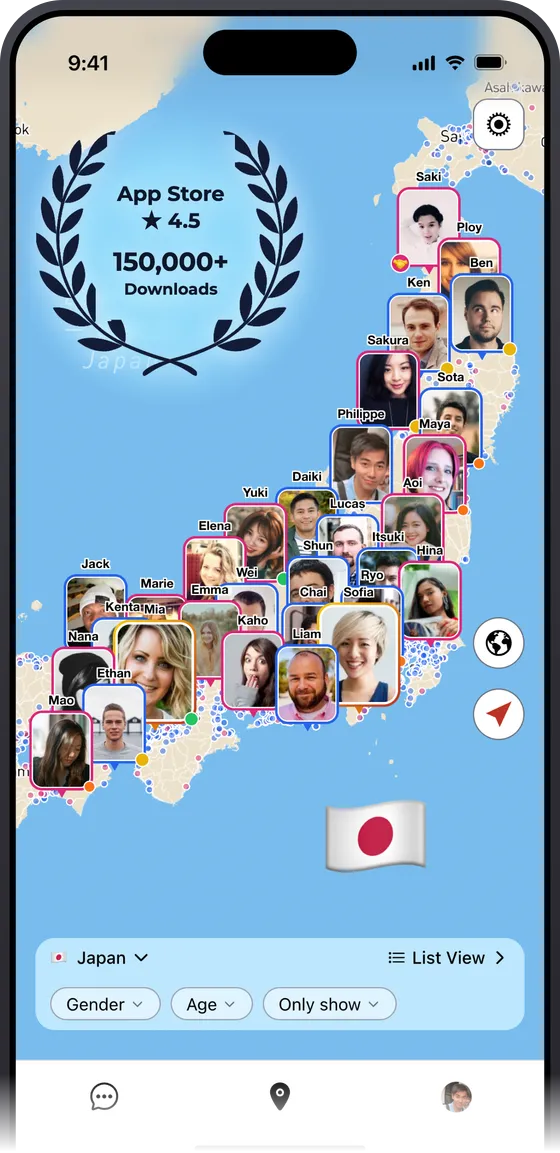
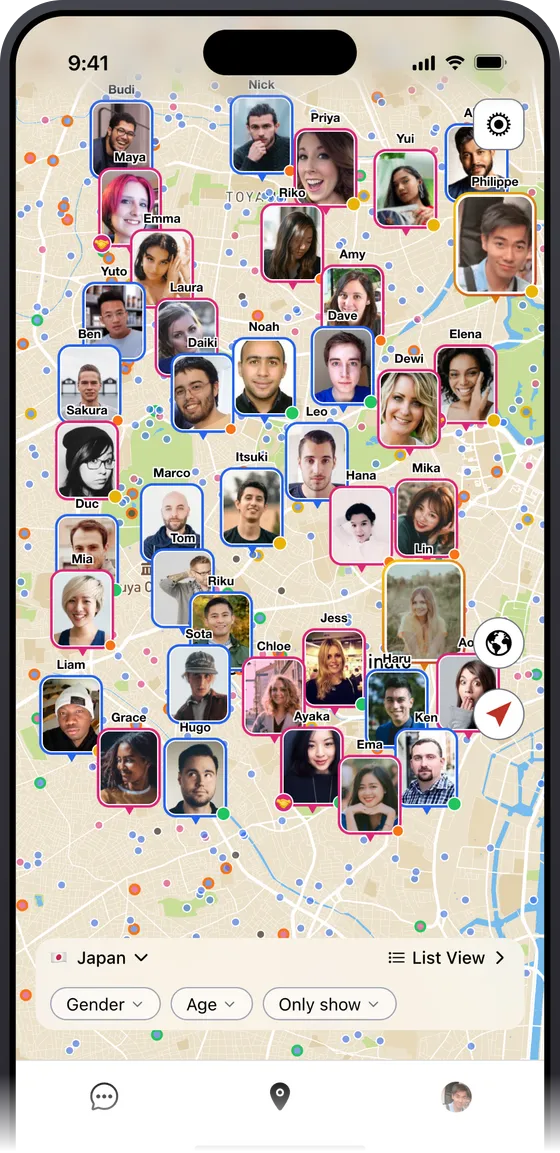
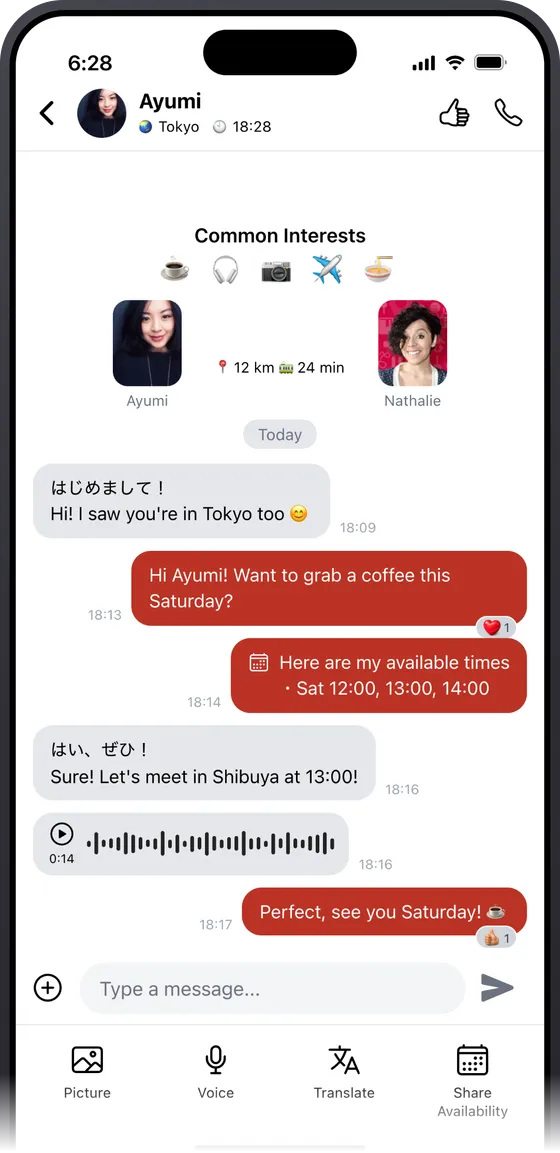
This is where SewaYou can help a little. It's a map-based friendship app for meeting people nearby and anywhere in the world. You can find someone in your own neighborhood for a slow walk or a coffee when you're up to it. Or, on the days you can't leave the apartment, you can explore people in another city or country and just chat online, no plans to meet, no pressure to be your best self.
Some people message someone back home in their own language. Some find another foreigner in Japan who has been through something similar. Some just want a conversation that has nothing to do with work, illness or bills.
Make Japanese Friends On a Live World Map


An app won't fix depression, and it isn't a replacement for your doctor. But it can be one more thread connecting you to people who have nothing to do with your job.
If you take one thing from this: you don't have to make the biggest decision of your year in its hardest month.
Take the leave your boss offered. Check what support you're entitled to. Keep seeing your doctor. And let a few people in, even just one.
When you feel ready to say hello to someone new, nearby or on the other side of the world, download SewaYou and start with a single message.