

I've been watching a strange split happen among long-term foreigners in Japan.
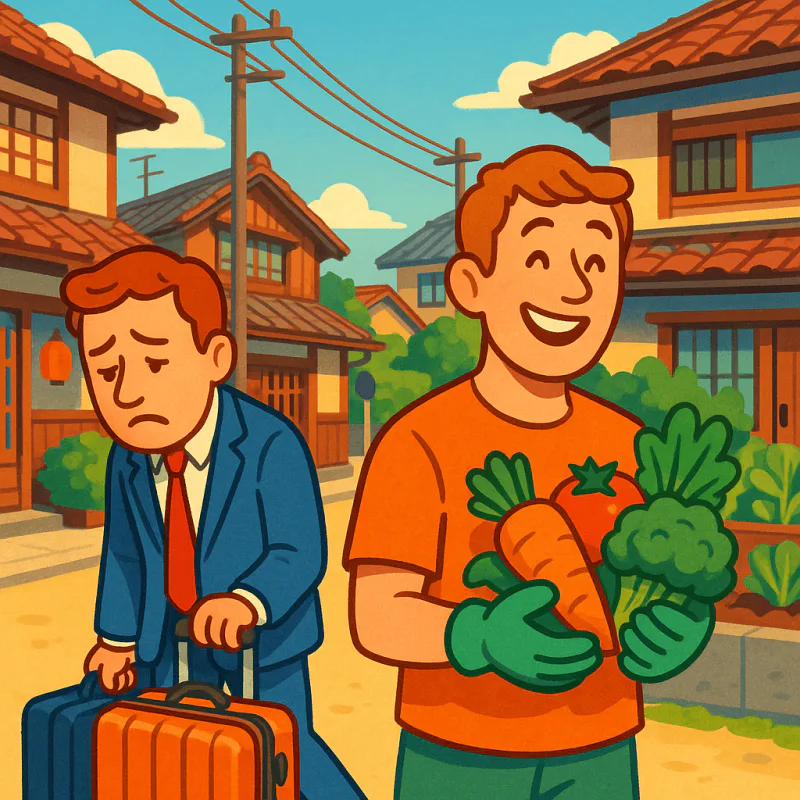
Two friends of mine both crossed the ten-year mark this year. Same visa type. Both married to Japanese partners. Both with Permanent Residency. On paper, the same life.
One of them is quietly starting to pack. He says the country feels colder lately. Neighbors who used to greet him now look through him. The konbini staff forget their smile. The whole mood in his building has shifted. He told me, almost whispering, that after eleven years he's finally thinking about leaving.
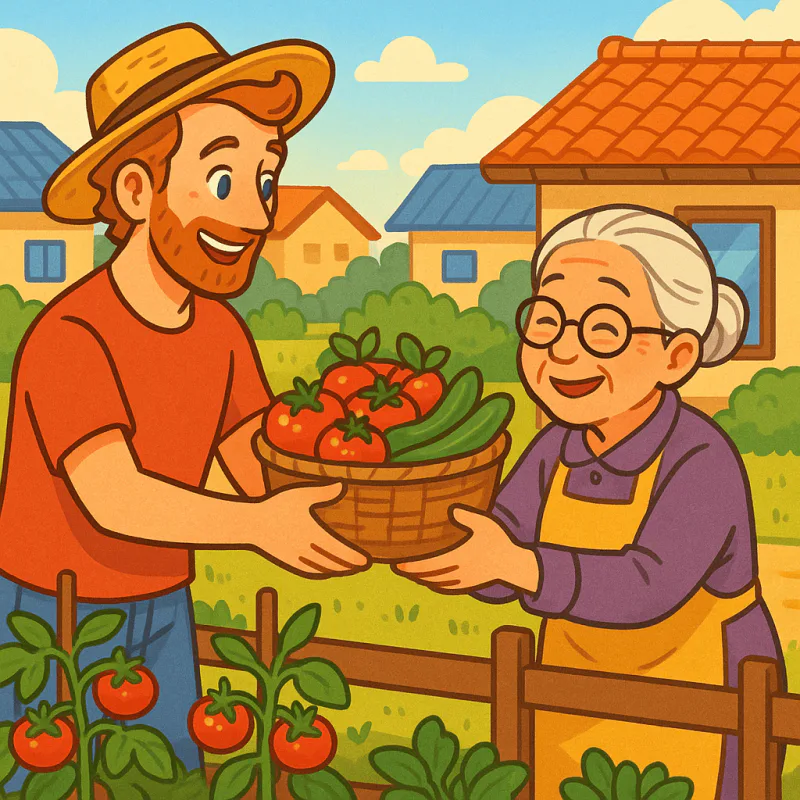
The other one just joined his neighborhood's 青年会 (young adults' community group), hosts barbecues in his tiny garden, and trades homegrown tomatoes with the grandma two doors down. When I asked him how Japan was treating him, he grinned. "Best I've ever felt here."
Same country. Same decade. Opposite experiences.
Let's not dismiss what the first guy is feeling. It isn't paranoia.
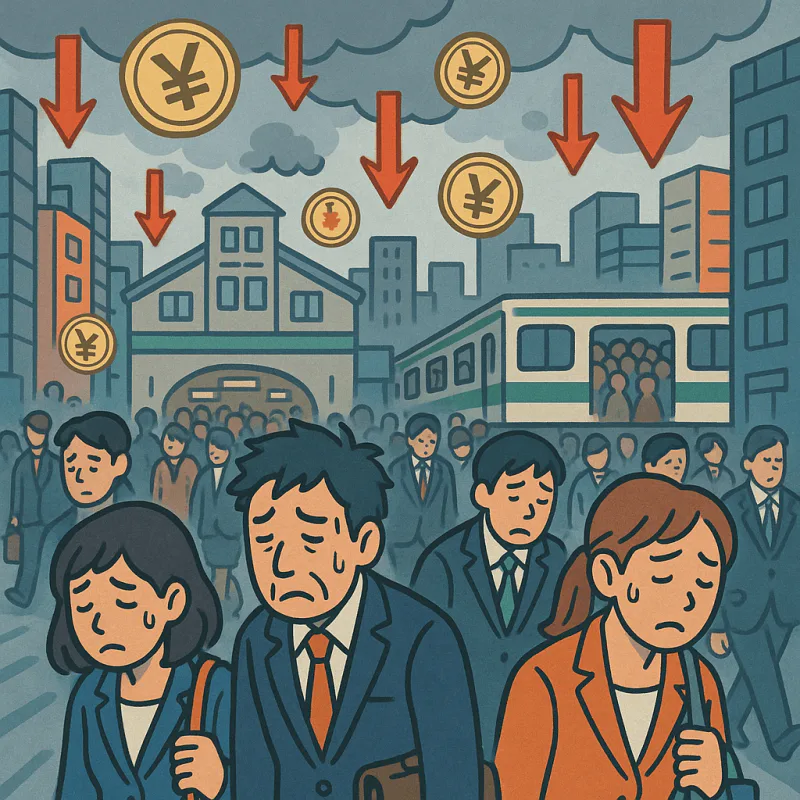
The mood has genuinely shifted. The yen is weak, prices are up, wages aren't. People are stressed. Stressed people smile less, greet less, tolerate less. It isn't personal, but when you're the foreigner on the receiving end, it feels personal.
The political rhetoric has sharpened. Anti-foreigner talking points get more airtime than they did five years ago. Social media amplifies the ugliest comments. Even if your actual neighbor never says a word, the background noise seeps in.
Tourist overload poisoned the well. Post-2023 tourism numbers broke every record. Residential neighborhoods that used to be quiet are now full of rolling suitcases and Google Maps loudspeakers. The Japanese people who live there are exhausted, and the ones who look foreign, whether tourist or 20-year resident, catch the spillover.
So yes, if you feel like the welcome mat has been pulled in a little, you aren't imagining it.
And yet.
Here's what I've come to believe after watching this pattern for years.
The foreigners who feel most welcomed in Japan aren't the ones with the best Japanese, the coolest jobs, or the most Japanese friends. They're the ones who broke through into the hyperlocal layer, and almost nobody tells you it exists.
The hyperlocal layer is made up of things like:
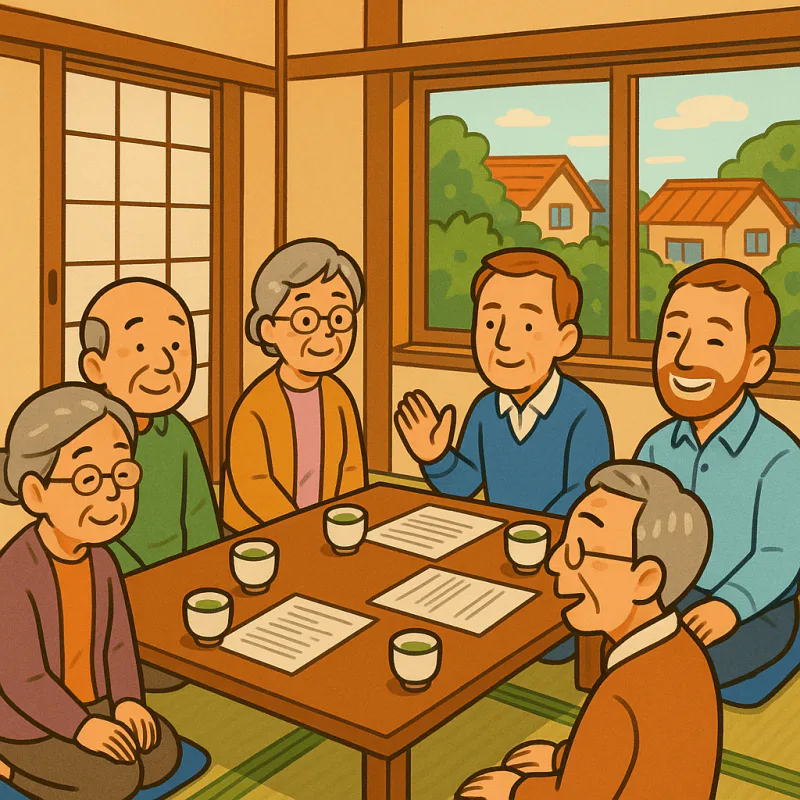
These groups aren't glamorous. They aren't on Meetup. They don't advertise in English. Most Japanese people in their 20s and 30s don't even join them either, which is partly why foreigners who DO join stand out in a very good way.
This is the layer my second friend plugged into. And this is the layer my first friend, despite eleven years in the country, has never once touched.
If this layer is so powerful, why do most foreigners never enter it? A few honest reasons.
You rent, and you move. The hyperlocal layer rewards staying put. If you change apartments every two years, the neighbors never quite learn your name. The second friend bought a small house. That decision alone changed his trajectory. You don't need to buy. But you do need to stop treating your neighborhood as temporary.
You assume welcoming must come from the top down. Most of us wait for Japan, as an abstract country, to welcome us. The hyperlocal layer works the other way. You knock. You introduce yourself. You bring omiyage when you move in. You show up to one cleanup day even though nobody asked you to. Belonging in Japan is something you initiate, not something you receive.
You think your Japanese isn't good enough. It doesn't need to be. The 70-year-old lady running the neighborhood association isn't grading your grammar. She's watching whether you show up twice in a row. Consistency beats fluency at this layer.
You get your social needs met elsewhere. If your expat friends, work colleagues, and Tokyo bar scene already fill your calendar, there's no free slot for a Saturday morning dorokko-sweeping event. And when those expat friends eventually leave (they always do), you realize too late that you built your life on the layer that was always going to dissolve.
You don't need to reinvent your life. You need to enter the layer. A few small moves most long-termers never make:
Introduce yourself to the two neighbors on either side of you this month. Bring a small box of something from your home country or a nice senbei. Say your name, how long you've been in the apartment, and that you're 迷惑をかけないように気をつけます (you'll try not to cause trouble). That sentence alone will change how they see you for years.
Find your ward's 町内会 contact. It's on your ward office's website or posted on a bulletin board near your building. Ask what the annual cleanup days are. Show up to one. Just one.
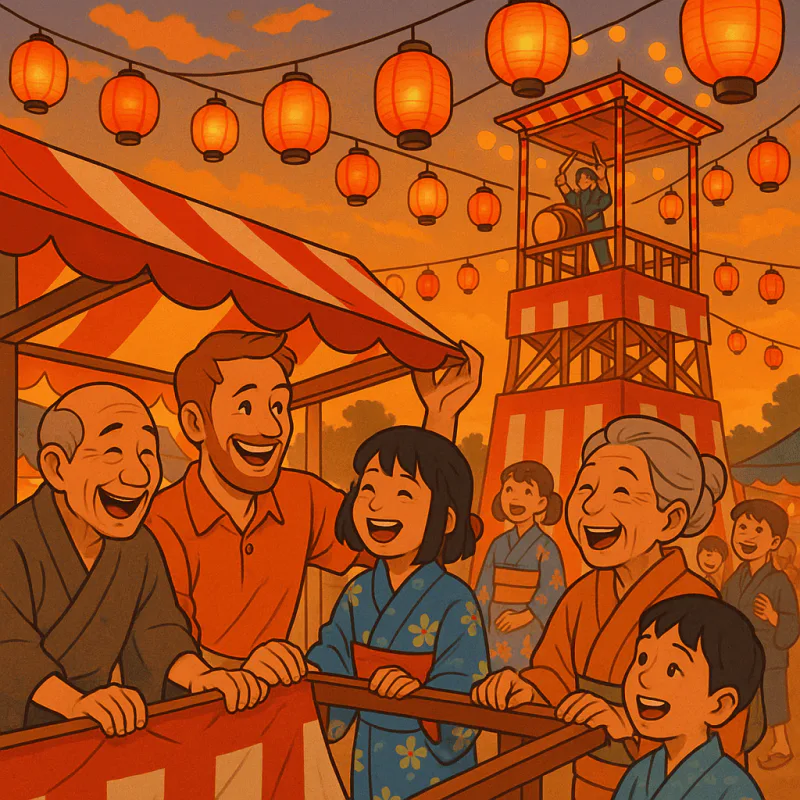
Join the 盆踊り or the 夏祭り planning group. Most neighborhoods are desperately short of volunteers. You'll be the only foreigner. That is a feature, not a bug.
Switch one recurring errand to a local, family-run place. Your coffee, your hair cut, your dry cleaning. Go to the same small place every week. Become a 常連 (regular). Within six months the owner will know your name and your order. That is the seed of belonging.
If you have kids, go to the first 子ども会 meeting, even if it's awkward. Parents bond through their kids faster than through anything else in Japan.
None of these are big. That's the point. The hyperlocal layer is made of small, repeated, boring actions over years. The foreigners who feel like family didn't do something magical. They did small boring things, consistently, for longer than the ones who gave up.
My first friend, the one packing to leave, isn't wrong to leave. Japan isn't for everyone at every life stage, and eleven years of feeling like a ghost in your own building is a valid reason to go.
But I think a lot of long-termers currently feeling that same drift could save themselves the decision. The problem isn't always that Japan has turned cold. Sometimes it's that we've been living on a layer of Japan that was always going to feel cold, and we never knew there was a warmer one right underneath our feet.
If you haven't entered the hyperlocal layer, please try it before you decide the country is done with you.
One honest caveat. The hyperlocal layer is real, but it's rarely where you'll meet people who share your exact context: another foreigner who also wants to root in Japan long-term, another language learner to swap with, another 外国人 parent navigating the same PTA strangeness.
Make Japanese Friends On a Live World Map
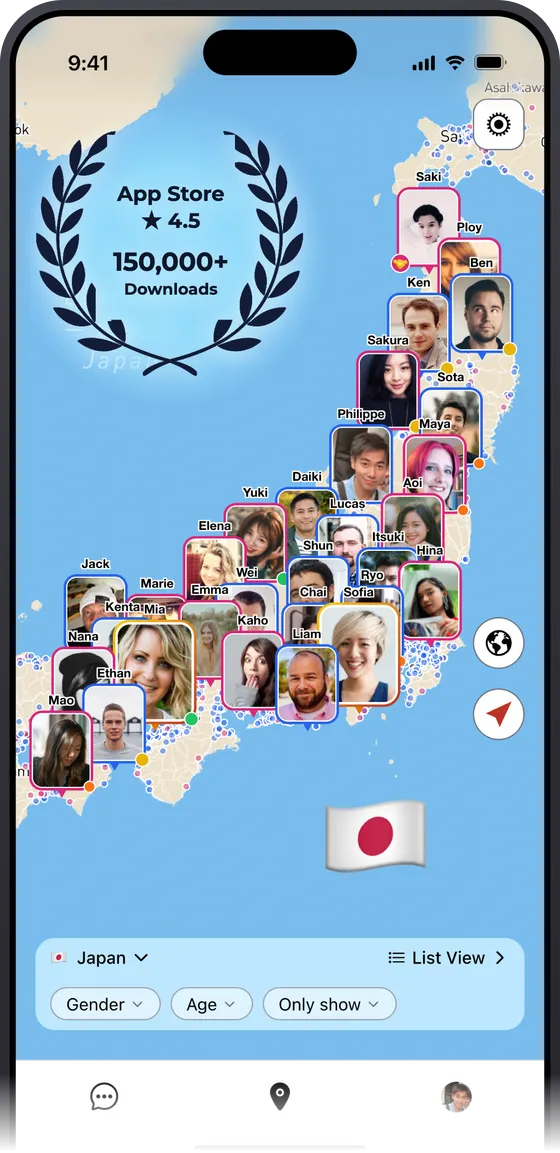
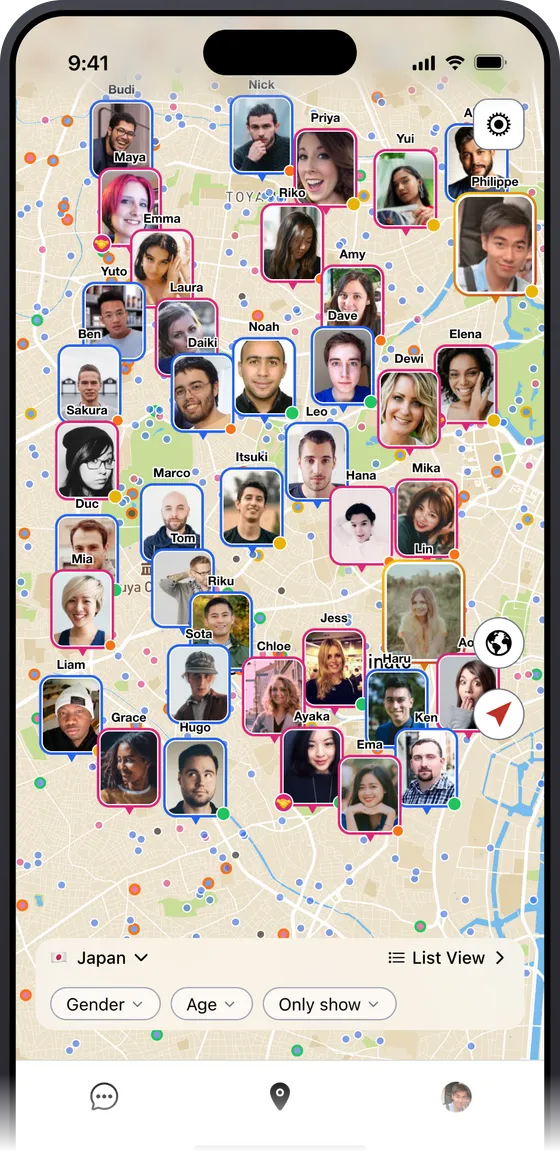
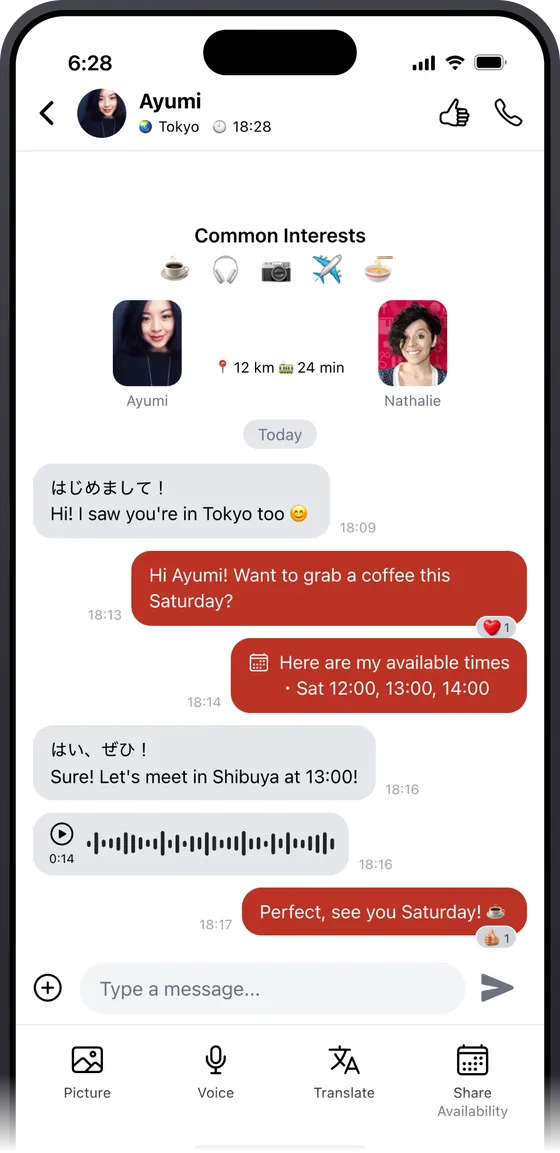


That's where SewaYou comes in. It's a map-based app that shows you who's nearby and open to meeting: international residents, Japanese locals who want international friends, language exchange partners. Think of it as the layer between the global expat crowd and the hyperlocal neighborhood one: it's how you find the people close enough to walk to, who also happen to want the same things you do.
The foreigners who feel most at home in Japan usually build both layers at once. SewaYou just makes the first one dramatically faster, so you can spend your energy on the harder, slower, and more rewarding second one.
Japan hasn't decided yet whether it's getting warmer or colder. But your particular corner of it? That part's still up to you.


