
You joined straight out of university. Your first team was already deep in a project, everyone was slammed, and nobody had an hour to sit with the new person. So you got training modules. Then more training modules.
A year later you moved teams and thought, finally, a fresh start. Same story. Your days are now meetings you can barely follow, a few basic tickets, and enough small tasks to look busy. Some evenings you even stay late, not because there is work, but because a meeting got scheduled after hours.
And now year three is here, and a quiet panic has started. If someone asked you in an interview what you are good at, what would you say?
If that sounds like you, here is the uncomfortable part first. Nobody is coming to train you. Not because you are unwanted, but because the system you are waiting on was never really built to show up.

A lot of Japanese companies lean on learning by doing, the idea that you pick up the job by sitting next to people who already know it. That can work beautifully when a senior colleague has time to pull you into real tasks.
It falls apart when the team is overloaded. Busy people do not have spare hours to explain context, so they hand you something safe, like a course or a ticket nobody else wants. That is not a judgment on you. It is a team protecting its deadline.
The trap is that both sides end up waiting. They assume you will ask when you need something. You assume they will assign you something when you are ready. Three years can disappear inside that polite gap.
Switching teams did not fix it because the problem was never the team. It was the waiting.
Here is a reframe that sounds small but changes the week. Those meetings where you understand maybe forty percent? They are the most detailed map of your company's real work that you will ever get, and you are already being paid to sit in them.
Stop treating them as attendance. Treat them as class.
That last step matters most. "In the meeting, people mentioned the migration plan. Could you give me five minutes on how it works?" is an easy question for a busy senior to answer. "Please teach me" is not.
Within a few weeks, the meetings stop being noise. You start noticing where things are stuck, which is exactly where someone with free hours can actually help.

General requests like "I want more responsibility" usually get a nod and nothing else. Specific ones get answers.
Take something from your meeting list that nobody seems to want. A recurring report, an outdated internal document, a small tool that annoys everyone. Then ask your manager whether you can take it on, start to finish.
It doesn't need to be impressive. It needs to be yours. One task you owned and finished is worth more on a résumé than three years of "attended meetings and supported the team."
And if after-hours meetings keep eating your evenings, it is fair to ask whether you really need to be in all of them. Freeing up even two hours a week gives you room to build actual skills.
This is the part most people skip. When your own team has no time, you assume you are on your own. But guidance doesn't have to come from your manager, or even from your company.
Somebody two or three years ahead of you, in the same field, at a different company, can often tell you in one dinner what nobody told you in three years. What skills people at your level are expected to have. What a normal first project looks like. Whether your situation is unusual or just badly managed.
Plenty of people in Japan feel this, especially foreigners whose whole social life runs through work. When work stops teaching you, it is easy to feel like you are falling behind alone. Isolation makes career stalls feel permanent. Talking to someone outside the bubble makes them feel like a problem with options.
You don't need a formal mentor program. You need a few people you can ask honest questions, over a coffee or a message thread, who aren't part of your company's hierarchy.

Should you change teams, change jobs, or make the most of where you are? Before deciding, try one exercise.
Write down everything you have actually done in three years. Not what you were supposed to learn. What you touched. Tools you used, processes you now understand, meetings where you finally followed the whole discussion, tickets you closed, people you can now ask things. Most people who feel they have wasted three years discover the list is longer than they feared, just never put into words.
Then look at the gaps. If the list shows you understand the business but have never built anything, that tells you what to ask for, inside or outside the company.
A rough rule of thumb, as opinion, not law:
Either way, you will walk into the next conversation with a story instead of a shrug.

The fastest way out of a stalled career is often a conversation with someone who isn't stuck in the same room. That's where SewaYou can help.
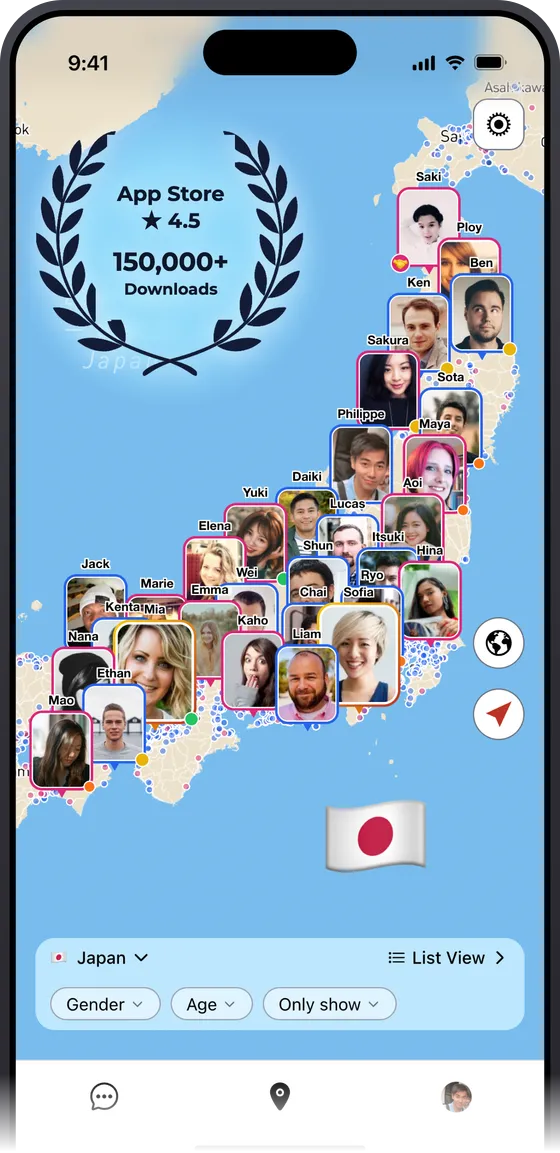
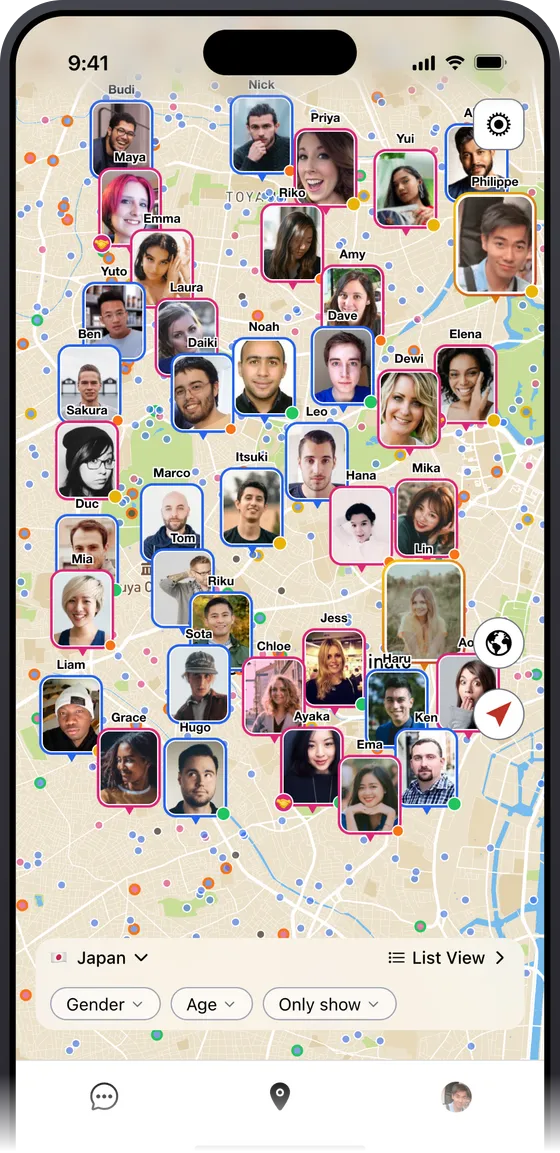
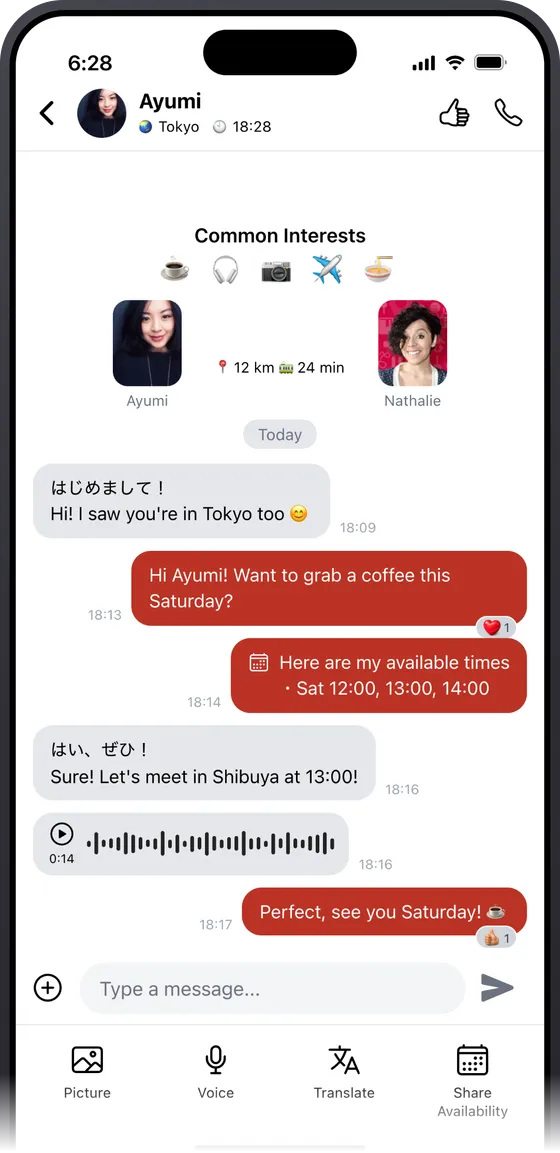
SewaYou is a map-based app for meeting people nearby and anywhere in the world. You can find someone in your city who works in a similar field and meet for a coffee, or explore another city or country from home and make online friends who have been through the same thing somewhere else. If you're thinking about moving for a new job, you can connect with people there before the trip and meet when you arrive.
Make Japanese Friends On a Live World Map


None of that replaces doing the work. But a few honest conversations with people outside your company can tell you, very quickly, whether you are behind, or just unguided.
Three years without guidance feels like a loss, and it's fine to be frustrated about it. But you are not starting from zero. You know how your company works, how meetings run, and what kind of help you actually need. That's more than you had on day one.
So stop waiting for the training that never arrived. Pick one meeting, one small task, and one person outside your team to talk to this month.
Download SewaYou and find the people who can help you figure out what comes next, nearby or anywhere in the world.