

There is a typhoon coming. It will sit on the Kanto area from early morning until the afternoon, and everyone knows it is coming, including your office. Which is why the email is so strange. The office will stay open. Staff can decide for themselves whether to come in, or take a day of annual leave if they would rather not.
You read it twice. You know full well that with the storm, there will be nothing to do at work tomorrow. The colleagues who show up will sit at their desks and stare at nothing. The ones who stay home will spend a vacation day to avoid doing the same. And you live out in a rural pocket where the only way to the office is on foot or by bicycle, into the wind, in the rain.
The storm is not the thing that ruins your evening. The email is.
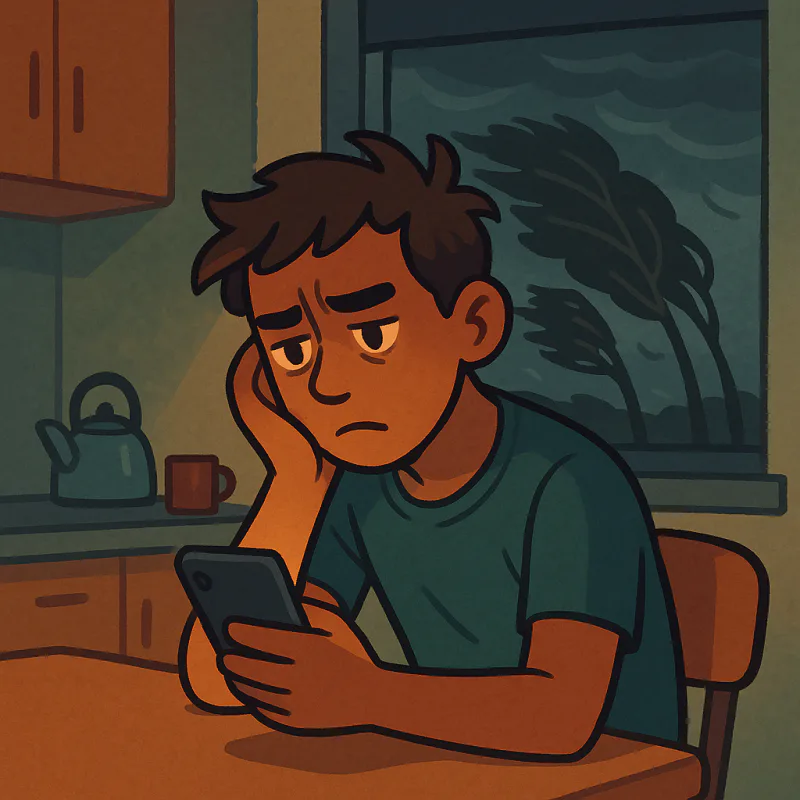
On paper, leaving it to the staff looks generous. In practice it is the opposite. When a company refuses to close and instead tells everyone to decide for themselves, it is not handing you freedom. It is handing you the liability it did not want to carry.
If they close the office, that is the company's call, and the company owns the consequences. If they leave it to you, then showing up is your bravery and staying home is your weakness, and either way the awkward decision is yours, not theirs. Voluntary is never voluntary.
So now you are doing math you should never have to do. Bike through a typhoon to sit at an empty desk and prove you are reliable, or spend a precious day off to dodge a commute that should have been called off for everyone.
Here is the part that locals do not always feel the same way. Your annual leave is not just rest. It is the thread connecting you to a life that is somewhere else.
You were saving those days. For the flight home to see your parents. For the one or two trips a year that make the distance bearable. Every day of leave you have is doing real work, holding a whole other world in place. Your vacation days do heavier work.
So when a typhoon "costs" you a day of that, it does not feel like a weather inconvenience. It feels like the storm reached into the one resource you were guarding and took a piece of it. And the growing reality is that these storms are not rare anymore. A day of leave for every typhoon that rolls through, and by the time you actually want to go home, there is nothing left in the bank.

You will probably go in. You will arrive looking like a drowned rat, because spending a vacation day on this feels worse than the wind. And honestly, the wet commute is not even the thing that gets under your skin.
The thing that gets under your skin is looking around and watching everyone treat this as completely normal. Nobody else seems outraged. Nobody else is doing the leave math in their head. And so you start to wonder if you are the problem, if you are the one overreacting, if everyone else knows something you do not. You cannot tell if you are the crazy one.
That is the quiet weight of living abroad that no guidebook mentions. Not the language, not the paperwork. It is being stuck in a genuinely absurd situation with no one to turn to who will look you in the eye and say, "yeah, that is ridiculous, you are not imagining it."
You do not actually need someone to fix the typhoon policy. You need one person who has lived the same thing to confirm your read on reality.
The difference between a bad day and a downward spiral is often a single message. Someone who has biked through a storm to an empty office, who knows exactly what the leave-or-commute trap feels like, who texts back, "that is wild, I would be furious too." That one reply does something the whole quiet office full of calm colleagues never will. It tells you that you are not broken.
When you have a couple of people like that within reach, the absurd days stop accumulating into something heavier. You get to laugh about the drowned-rat commute instead of carrying it alone. The situation does not change, but you stop facing it by yourself, and that turns out to be most of the battle.

The trouble is that these friendships are hard to build exactly when you need them most, when you are new, tired, and a little isolated in a rural pocket of a country that is not yet home. You cannot manufacture a confidant the night before a typhoon.
Make Japanese Friends On a Live World Map
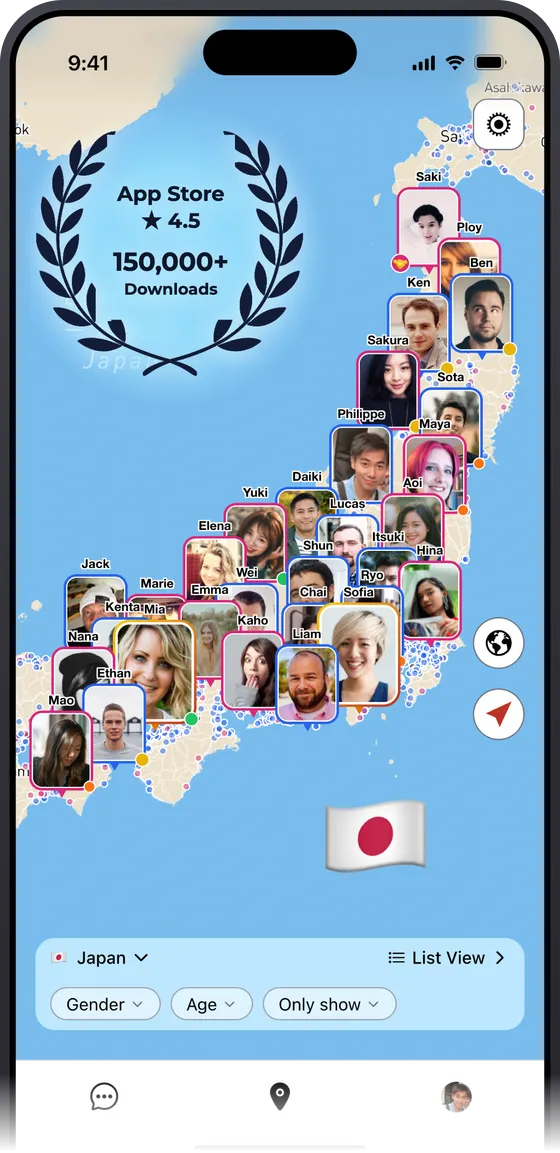
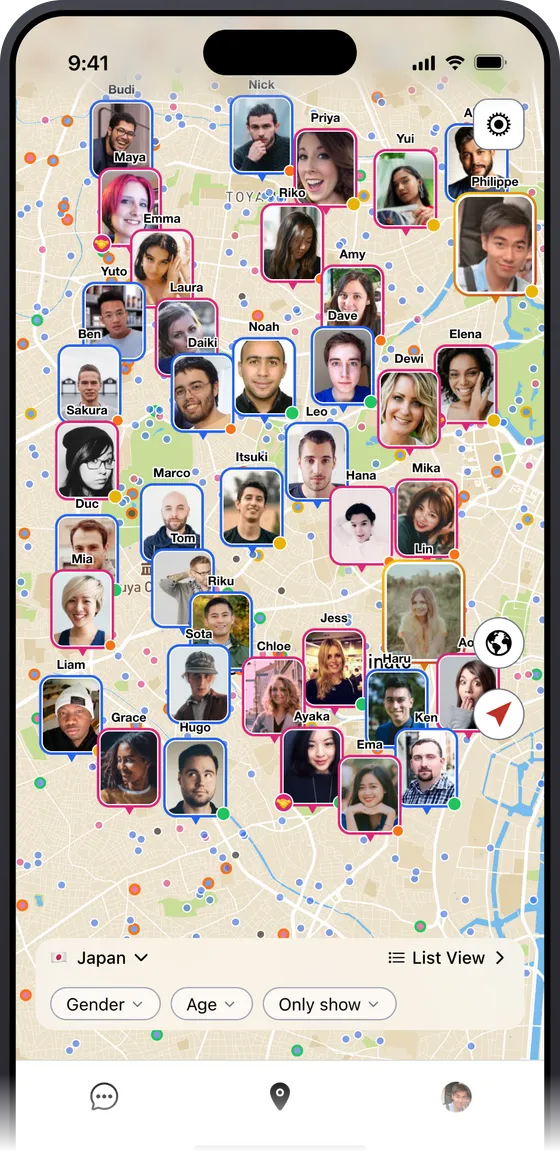
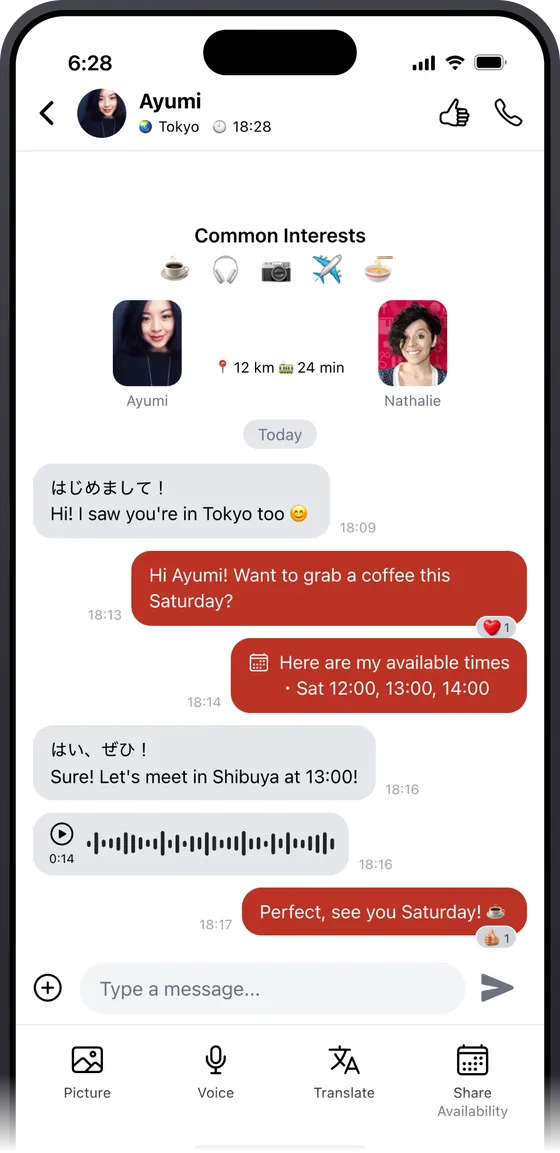


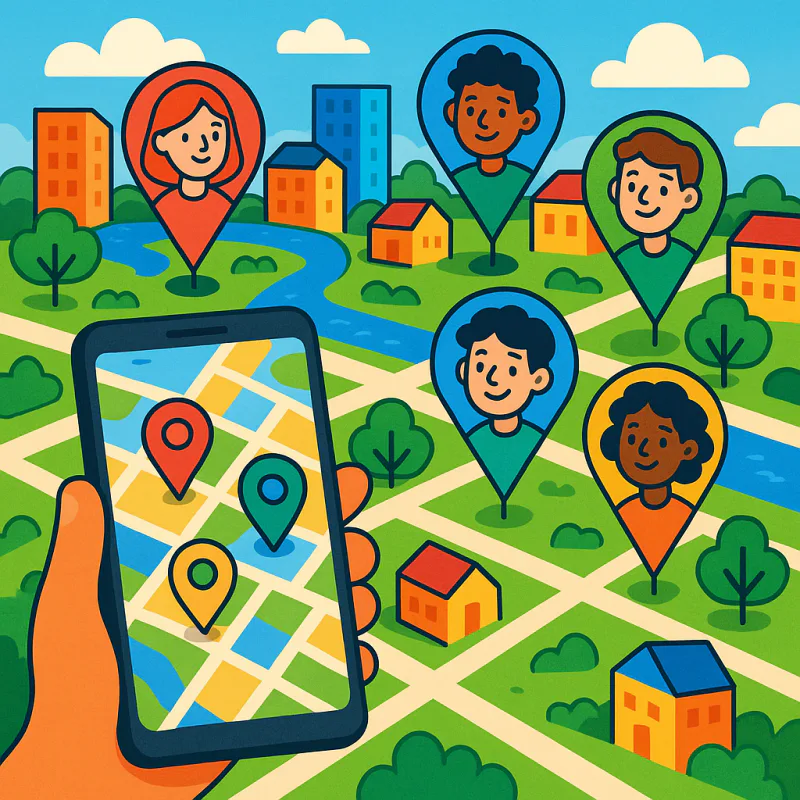
That is the gap SewaYou was built to close. It is a map-based app that shows you the people around you who are open to meeting, other foreigners who have lived your exact frustrations, and locals who are genuinely curious about your world. You set what you are looking for, whether that is a language exchange partner or just someone to grab coffee with, and you find your people nearby instead of hoping they appear.
The next typhoon will come, and some office somewhere will once again call staying open "your choice." You will not be able to change that. But you can make sure that when it happens, you have at least one person to message who will say the thing you needed to hear all along: you are not the crazy one.
Download SewaYou and start finding the people who get it, before the next storm rolls in.


