
You switch from a job with odd hours to a "normal" office job. On paper it should be easier. Regular schedule, weekends off, no more closing shifts.
Then the first few weeks hit. You leave the house around 8, sit at a desk all day, ride an hour back, and walk through your door at 8:30 or 9pm. Dinner, shower, and suddenly it's time for bed. The gym bag hasn't moved. The game you were halfway through is still paused.
So how do people actually do it? In my experience, most of them don't do it the way you're trying to. They stopped expecting the evening to carry their hobbies.
Count it out and you might still have two hours between getting home and sleeping. That sounds like plenty. So why does it feel like zero?
Because those two hours come after a full day of decisions, polite small talk, and a packed train. You arrive with nothing left to start anything. Starting is the expensive part. Lifting weights or opening a sketchbook isn't hard once you're in it, but getting from the couch to the first rep feels impossible at 9pm.
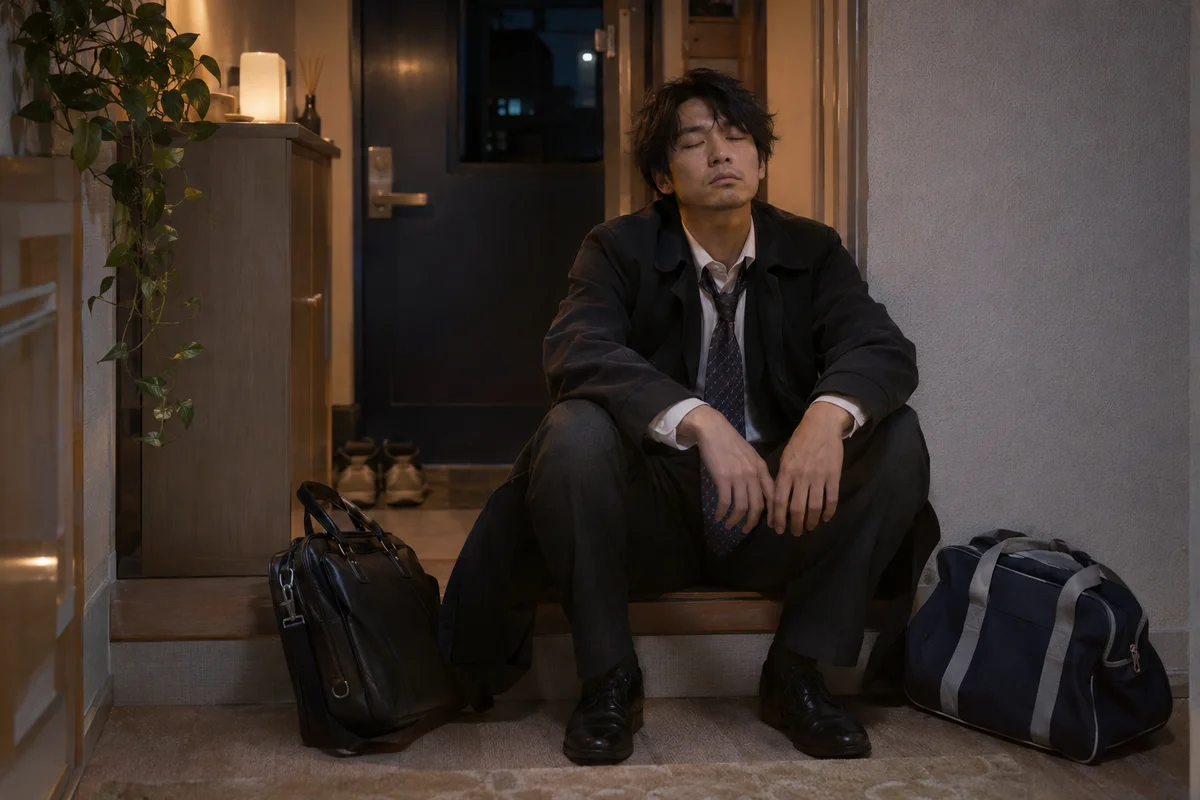
Shift work hid this from you. When your free time landed in the middle of the day, you met your hobbies while you still had some fuel. Now they're scheduled for your emptiest hour, and you're blaming yourself for not showing up.
It's not a discipline problem. It's a timing problem.
The fix that works for a lot of people sounds annoying at first: move one hobby to the morning.
Not all of them. One. Twenty or thirty minutes before work, when the house is quiet and nobody has asked you for anything yet. A short run, a workout at home, a few pages of a book, half an hour of guitar. You'll be surprised how different the day feels when something you chose already happened.

Yes, this means going to bed earlier. That's the real trade. Those late evening hours you're protecting are mostly scrolling while too tired to enjoy it. Swapping some of that for an earlier night and a morning that's actually yours is usually a good deal.
If mornings truly aren't you, try a lunch break instead. A walk, a sketch, a chapter. The point is the same: catch your hobby while you still have energy for it.
An hour each way is roughly ten hours a week. That's a lot of time to write off as lost.
Not every hobby fits on a train, but more do than you'd think. Reading, learning a language, planning a trip, writing, listening to an audiobook in a genre you'd never read on paper. On a packed rush-hour train you might only manage a podcast. On the ride home, when it's a little emptier, you might get a seat and a real chapter in.
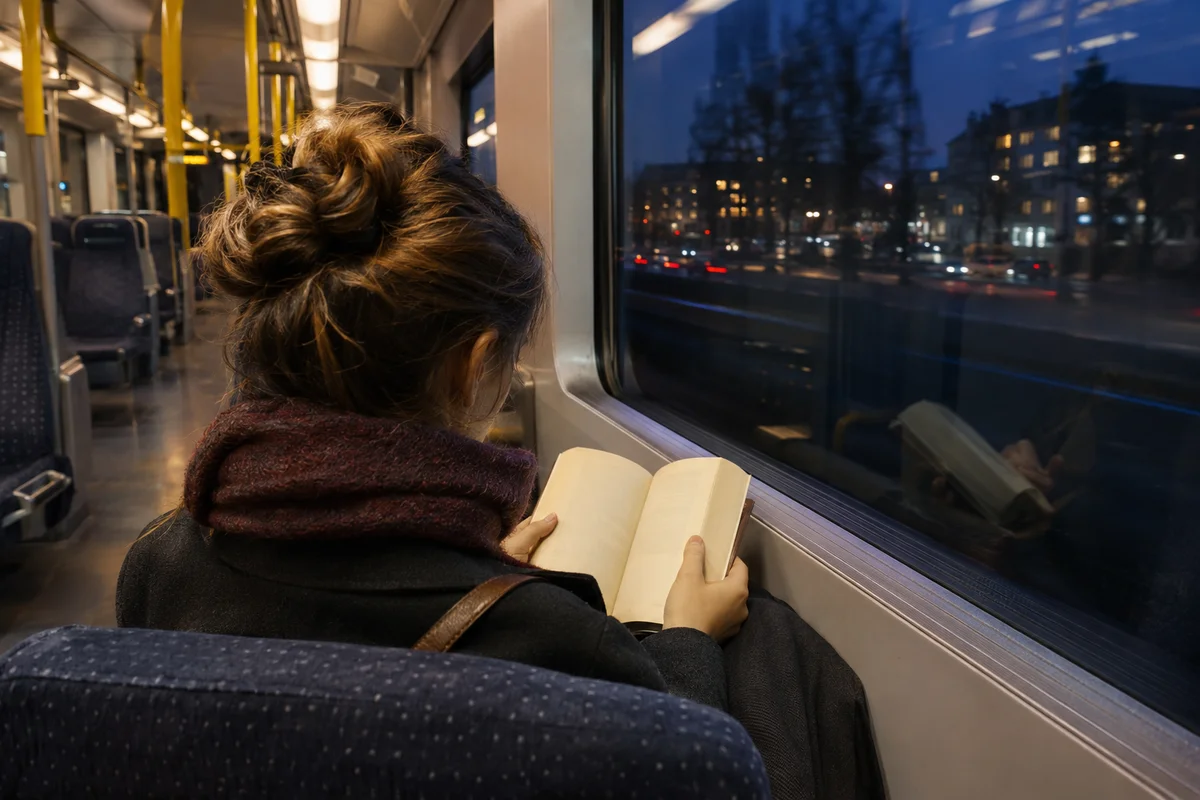
Some people also shift their commute itself. Leaving 30 minutes earlier can mean a calmer train and time at a café near the office before work starts. It's worth testing for a week if your workplace allows any flexibility.
And the evening? Let it be for recovery, not for catching up. Cooking, a bath, a low-effort show. Rest is not a failure to use your time. It's what makes the morning possible.
Here's the part that's easy to miss. Solo hobbies are the first thing to go when you're tired, because the only person you let down by skipping is yourself.
Hobbies with other people are stickier. A Saturday morning run with a friend, a weekly online game night with someone in another time zone, a language exchange call every Sunday. You show up because someone is expecting you, and once you're there, you're glad you did.

There's a second benefit. When your weekdays shrink to work, train, sleep, the people you talk to shrink with them. A hobby you share with someone keeps a part of your life that isn't about your job. That matters more than it sounds during a hard adjustment.
The weekend is where this lives. Pick one fixed thing with one person and protect it. Not five plans. One.
If your current circle is mostly coworkers, finding a hobby partner can feel like one more task you don't have energy for. It doesn't have to be a big project.
SewaYou is a map-based friendship app for meeting people nearby and anywhere in the world. You can find someone near your station for a weekend run or a café sketching session, or build an online friendship with someone in another country who shares your game, your book genre or the language you're learning. You can explore another city from your couch, connect before a trip, and meet up when you're in the same place.
Make Japanese Friends On a Live World Map
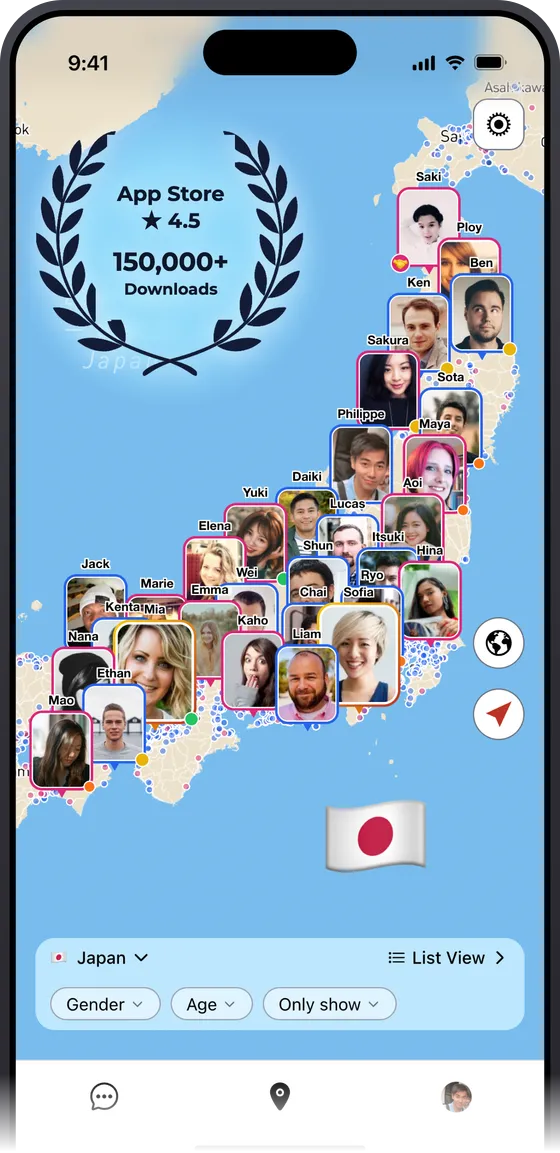
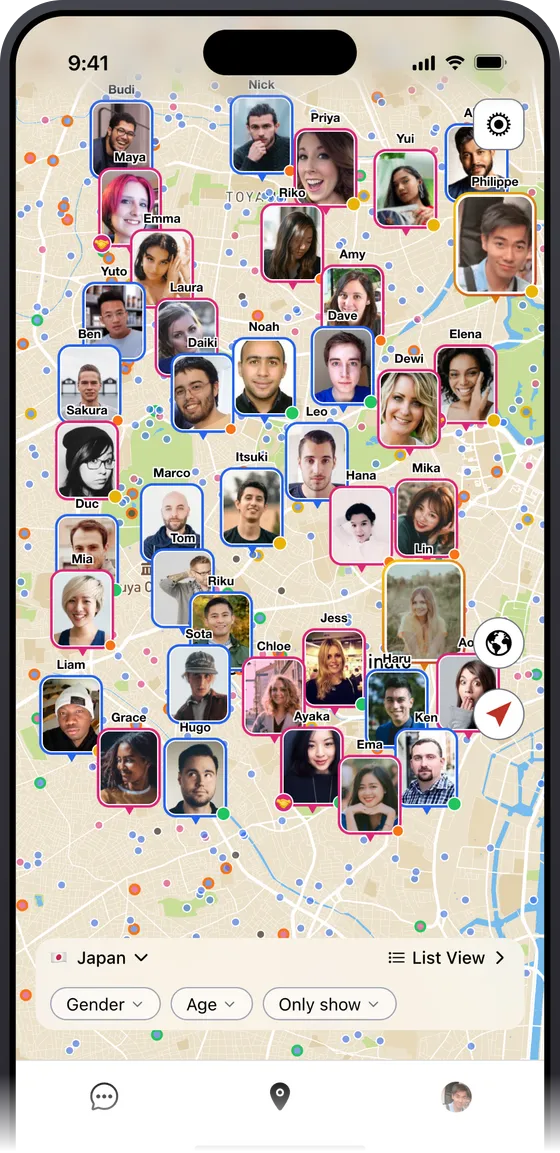
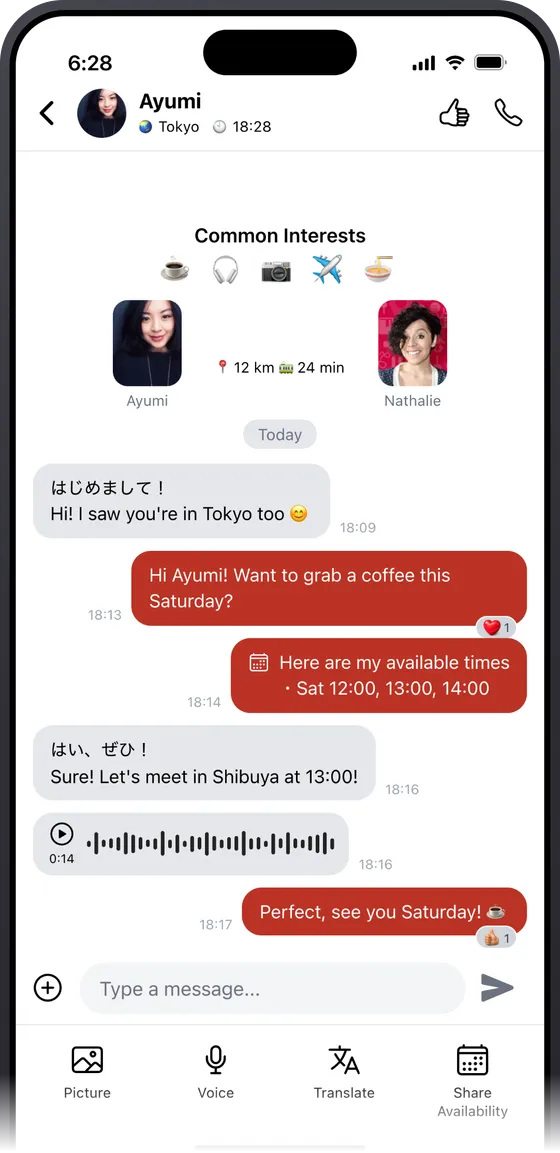


Keep the first message small and specific: "I just started going to the climbing gym near Shinjuku on Saturdays. Do you go too?" or "What are you reading on your commute these days?" A shared hobby gives you something real to talk about from the first line.
A new 9 to 5 doesn't have to mean giving up the things that make you you. Move one hobby to your best hour, use the train, rest in the evening, and share one thing on the weekend. Download SewaYou and find someone nearby or anywhere in the world to keep your hobbies going with.