
You can be completely happy with your life in Japan and still get ambushed by a smell in the air some evening in late October.
It is not the job, the apartment or the people. It is the weather. The light drops a little earlier, the mornings get crisp, and suddenly you are thinking about a street back home where every single tree turned orange at once, without anyone needing to plan a trip to see it.
I have watched this happen to a lot of people who live here, me included. They are not unhappy. They are not planning to leave. They just miss a season. Homesickness can live in the weather.
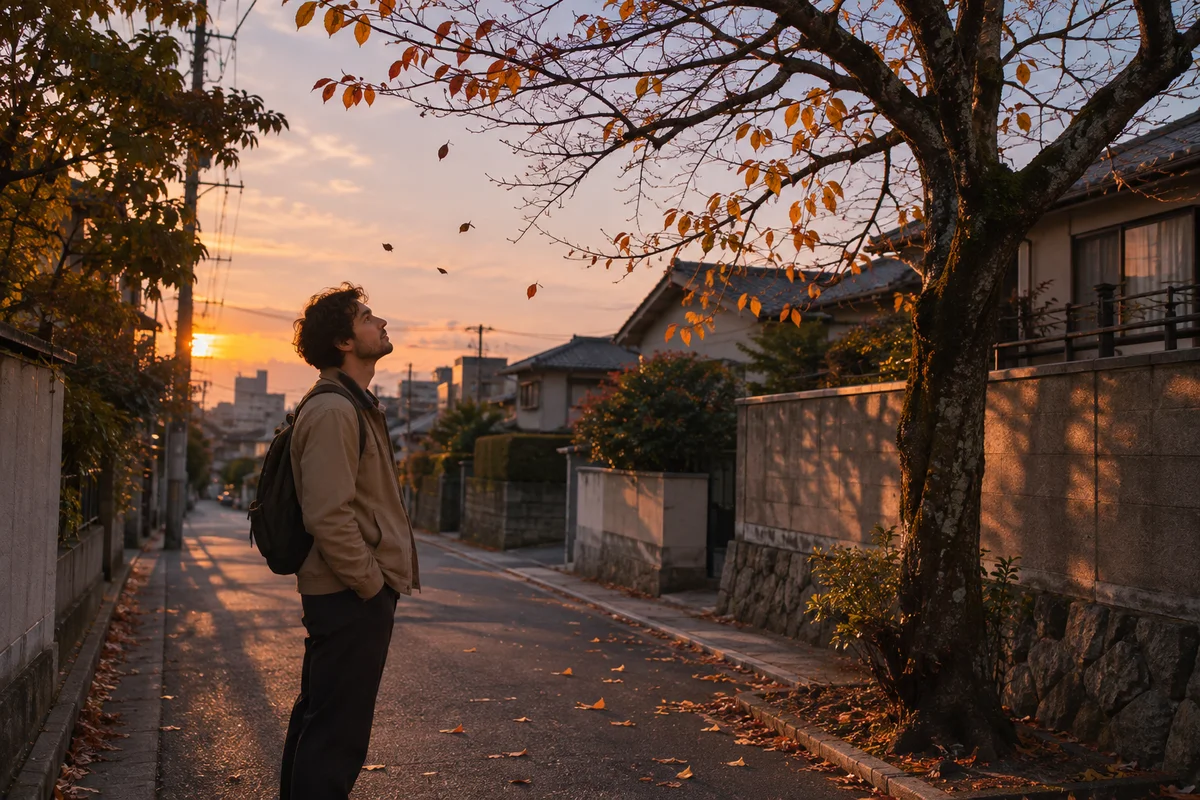
Most of the year, life abroad is busy enough that home stays in the background. Then the season turns, and your body remembers things your calendar never told you about.
Seasons are stored in the senses. The crunch of a certain kind of snow, the color of the sky over a white field at night, the specific silence of a cold street after dark. Those memories do not come back as facts. They come back as feelings, and they usually arrive all at once.
Japan also celebrates its seasons out loud. Autumn leaf viewing, momijigari, is treated like an event: people check when the colors peak and travel to famous spots. If you grew up somewhere the colors were simply everywhere, that can feel oddly touching and oddly lonely at the same time. Everyone around you is excited about the season, and you are quietly comparing it to one they have never seen.
None of this means Japan is worse. It means you have two versions of autumn now, and only one of them is outside your window.
Here is the funny part. The season people miss is often the one they used to grumble about.
Long winters, shoveling snow, freezing bus stops. Back home those were the standard small talk complaints. From an apartment in a mild Japanese city, the same winter starts to look almost magical: the stillness at night, the way snow reflects light back up into the sky, the cozy feeling of being inside while it is brutal outside.
That shift is worth noticing, because it tells you something. What you miss is the feeling, not the forecast. You probably do not miss frozen fingers. You miss the quiet, the coziness, the sense that the whole town slowed down together.
Once you name the feeling, you can start looking for it where you actually live.
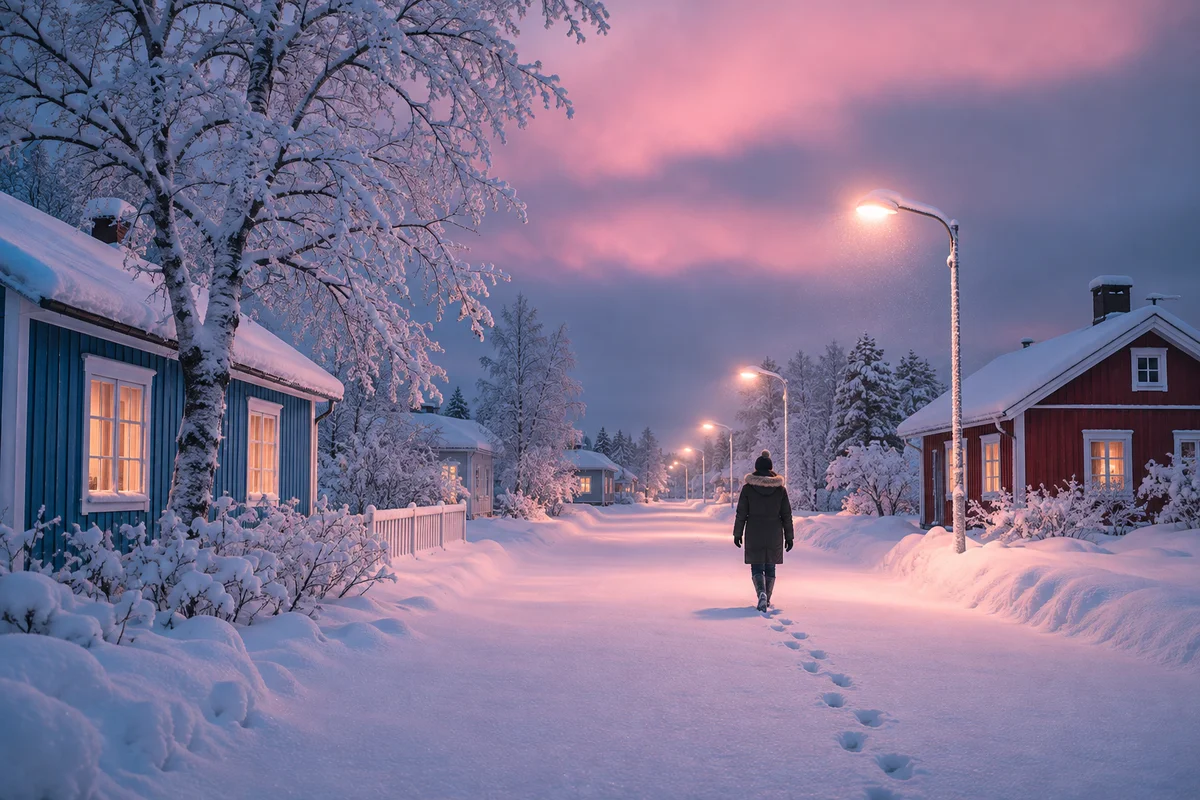
You cannot import a Canadian forest or a northern European winter. You can bring back the rituals that went with them.
Think about what autumn and winter actually looked like for you, hour by hour:
A ritual will not fix homesickness. It gives it somewhere to go. A cozy evening counts as self-care.

Some people take the next step and go looking for the climate they miss. Japan is long from north to south, and the experience of winter changes a lot along the way. Hokkaido and the northern prefectures get real snow seasons, and plenty of residents from cold countries say a winter trip up north feels strangely familiar.
You do not need to move. A weekend somewhere colder, or a mountain town where the leaves turn a little earlier, can scratch the itch. Go with no checklist. Walk around at night, listen to the snow, sit somewhere warm afterward.
It is also worth letting Japan's version of the season become its own thing. The colors here might be different from the ones you grew up with, but a temple garden in late autumn or a quiet winter onsen town is not a consolation prize. It is a second season you get to love.
The loneliest part of seasonal homesickness is feeling like nobody around you understands what you are missing. Your coworkers love autumn too, just a different autumn.
Two kinds of people help here.
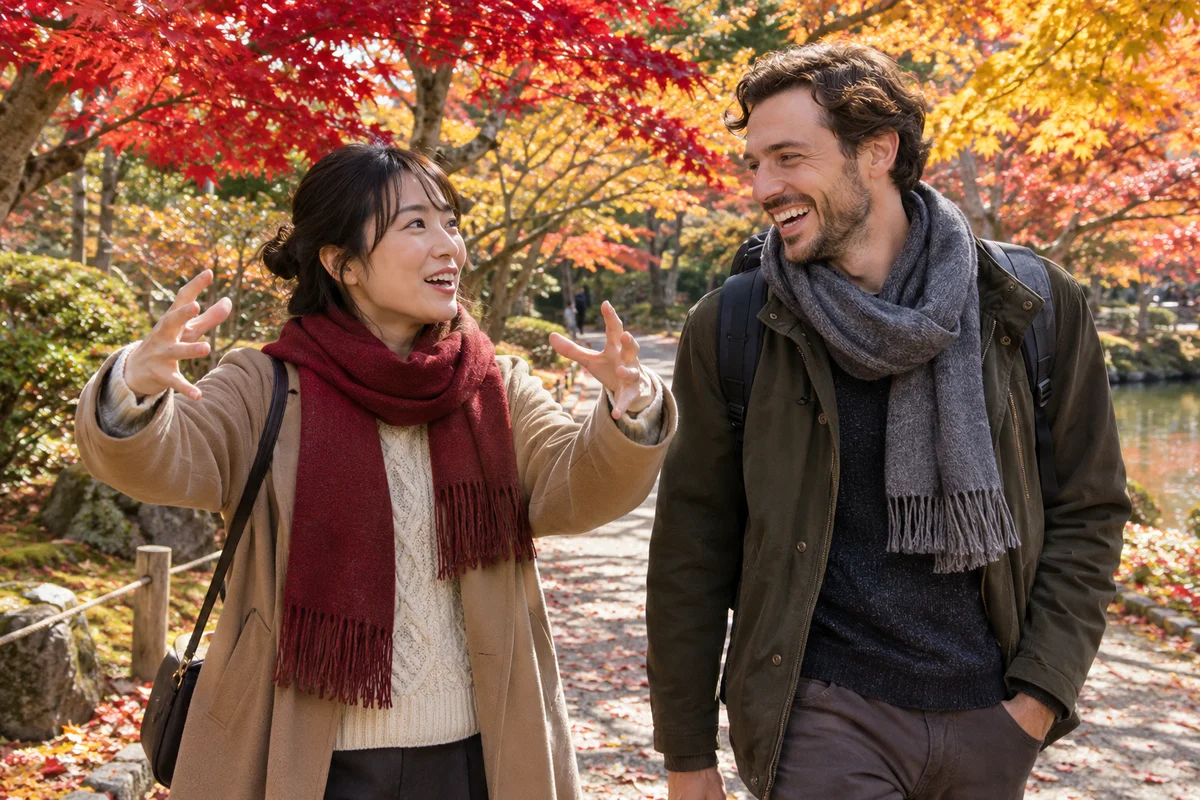
The first is someone from somewhere similar: another person who grew up with heavy snow, or with a forest that turned red all at once. You barely need to explain anything. One sentence about crunchy snow and they are already nodding.
The second is someone who has never seen your season at all. Describing a frozen lake or a whole hillside of maples to a curious local is a great conversation, and they will often trade you their own seasonal memories in return: a favorite autumn food, a winter festival from their hometown, the first snow they ever saw. Trading seasons is an easy conversation.
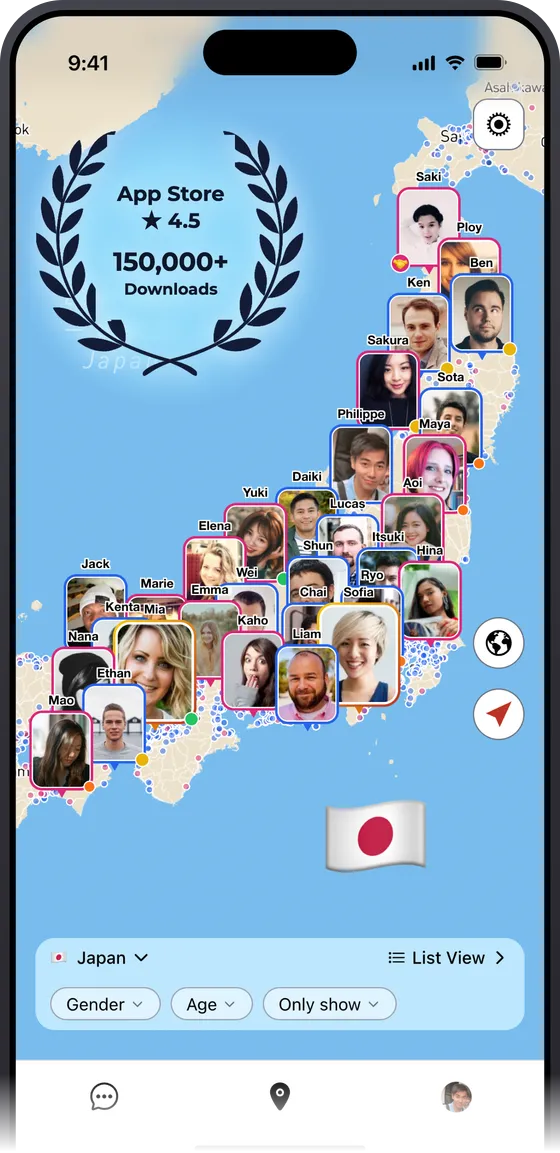
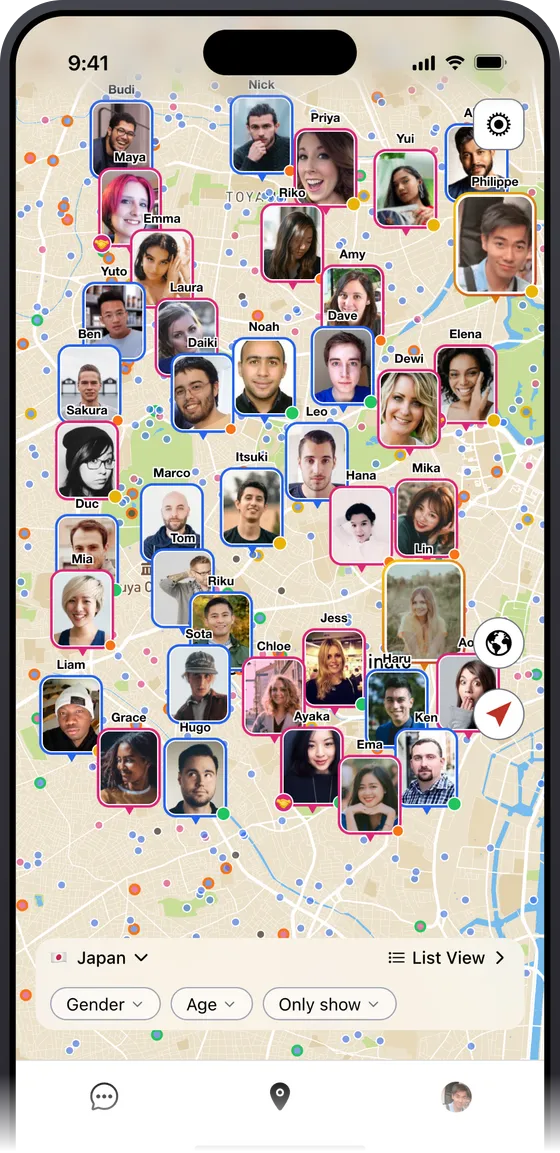
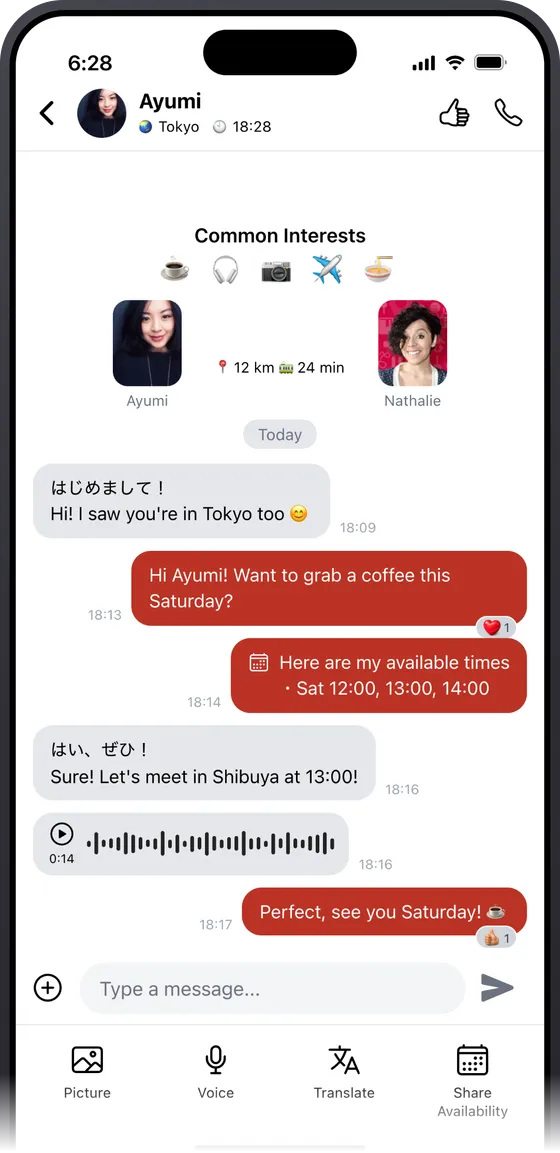
If the people who get it are not in your daily life yet, that is where SewaYou helps. It is a map-based friendship app for meeting people nearby and anywhere in the world. You can look around your own area for someone from a cold country who also misses real winter, or browse another city or country from home and make friends there online, no trip needed.
That might mean finding a fellow northerner in your city to grab a hot drink with on the first cold night. It might mean chatting with someone in Hokkaido before a snow weekend, or swapping autumn photos with a friend on the other side of the world whose season is just starting. When you are nearby, you can meet. When you are not, the friendship still counts.
Make Japanese Friends On a Live World Map


Missing a season does not mean you made the wrong choice by living here. It means you carry two homes now, and each one has its own weather. Make some soup, replay that old favorite, take the long walk, and find a few people to share the cold with.
Download SewaYou and find someone who misses the same season you do, nearby or anywhere in the world.