
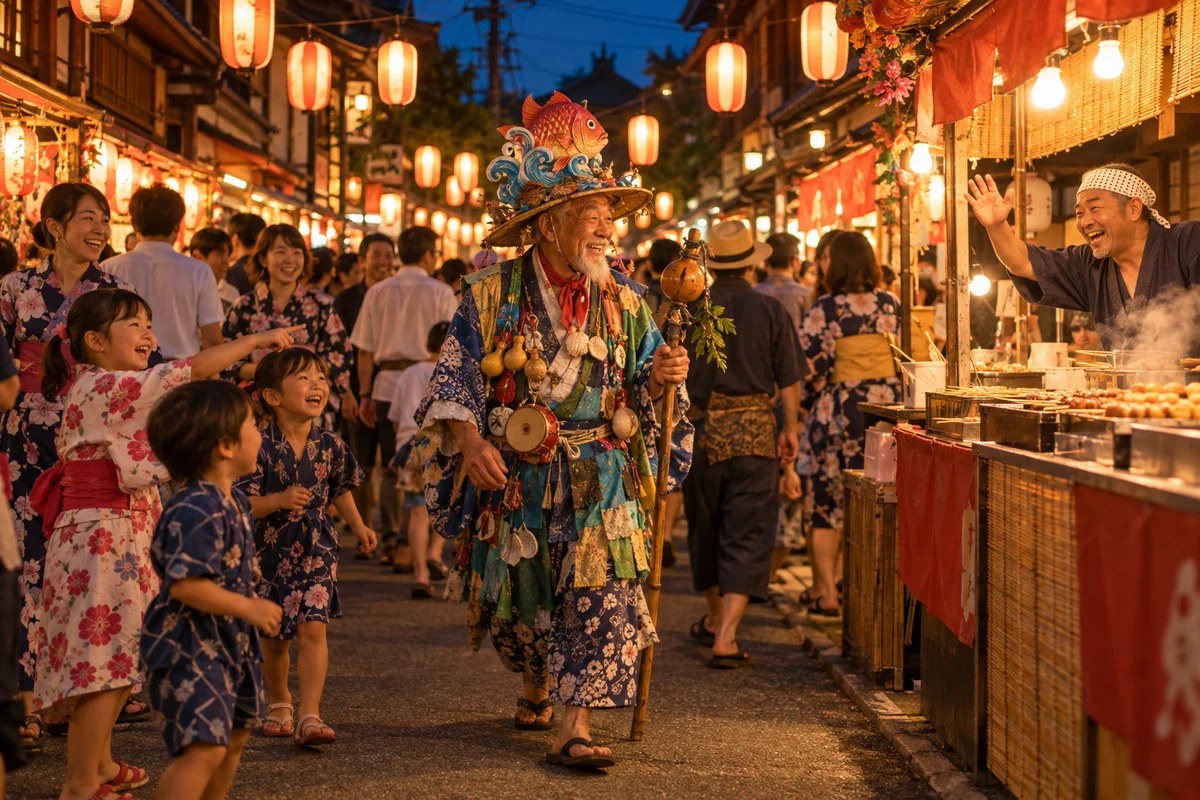
Ask anyone who has lived in the same Japanese town for a while, and they can usually name one. The man who cycles through the shopping street in a different hat every day. The grandmother who dances at every summer festival, whether anyone joins her or not. The guy in the homemade costume who somehow appears at every local event, big or small.
They are not mascots. Nobody hired them. They just keep showing up, and over the years the whole neighborhood has come to know them.
I used to think of these people as a fun bit of local color. Lately I think they are doing something most of us, especially newcomers, are bad at. They have made themselves impossible to miss.
It is tempting to say these people are known because they are loud or strange. But plenty of loud, strange people pass through a town without anyone remembering them.
What the local character really has is repetition you can count on. Same festivals, same streets, same look, year after year. People start expecting them. Kids point them out. Shopkeepers wave. At some point they stop being a stranger and become part of the scenery in the best way.
That is the part worth copying. Not the costume. The consistency.
Think about how a typical first year in Japan goes. You try a different café every weekend. You go to the big famous festival once and skip the small one by the station. You change gyms, routes and supermarkets as you figure things out.
All of that makes sense. It is also why, a year in, many people realize nobody in their neighborhood would notice if they disappeared. You were everywhere once, which in practice means you were nowhere twice.
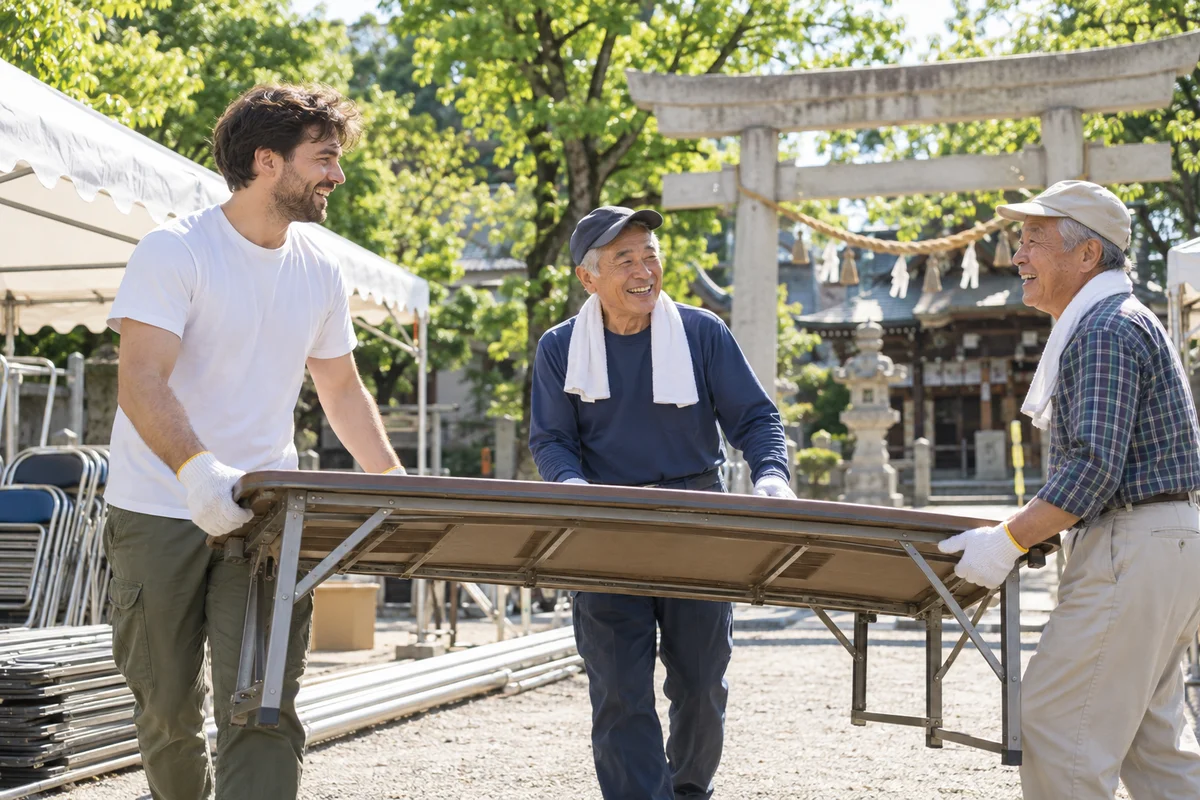
Japanese community life, in my experience, rewards the person who comes back. The second time you show up at the neighborhood cleanup, someone remembers you. The fifth time, someone hands you a drink and asks where you are from. Familiarity has to be earned slowly, and it is earned in the same places.
Here is the uncomfortable side of the story. Everybody knows the local character, but how many people actually know them? Who do they eat dinner with after the festival ends and the lanterns come down?
Recognition can feel like connection while giving you surprisingly little of it. You can be the foreigner every shop on the street greets by name and still spend most evenings alone. That is not a failure. It is just a different, earlier stage.
So when you start becoming a familiar face, be honest with yourself about what you want from it. A nod from the bakery owner is lovely. A wave is not a friendship, and it rarely turns into one on its own.
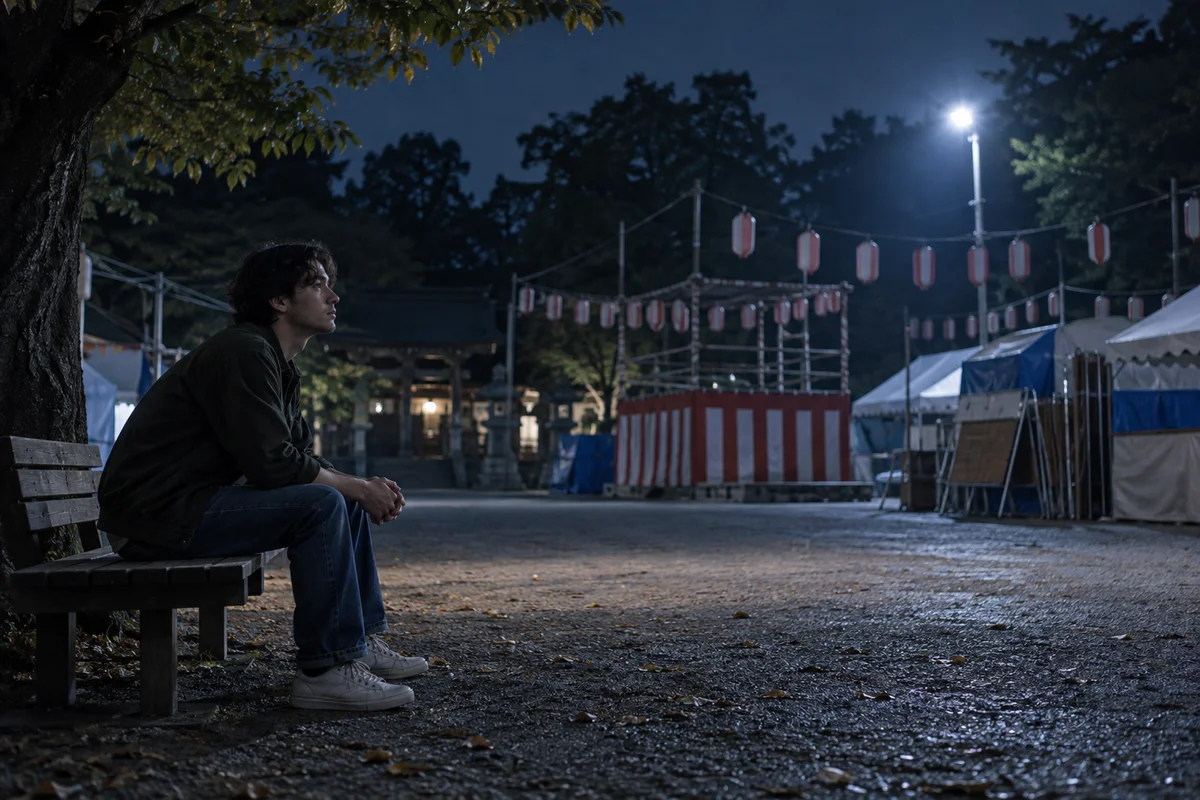
You do not need a light-up costume. You need a small, repeatable presence that gives people a reason to remember you.
Some ideas that work well in Japanese neighborhoods:
The goal is not to be quirky. It is to be the person who is always there, so that when you finally start a real conversation, you are not a stranger.
Once people know your face, the hard part is already done. Now you just need to use it.
Ask the person who runs the festival stall how long they have been doing it. Tell the café owner you have been coming for months and ask what they recommend. Next time you see the same people at the cleanup, suggest a coffee afterward. Familiar faces are much more likely to say yes than strangers, because you are no longer a risk.
And if you notice the local character at the next event, say hello. People who spend years being looked at often enjoy being talked to.
Some neighborhoods are slow. Some events only happen twice a year. And some of us want people to talk to before we have spent years earning a spot in the local scenery.
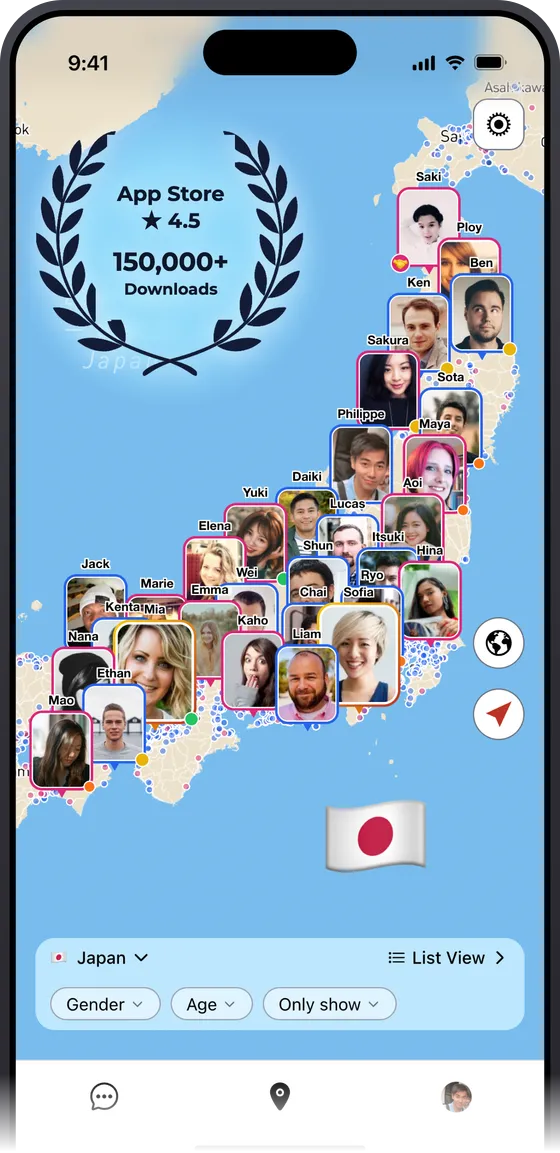
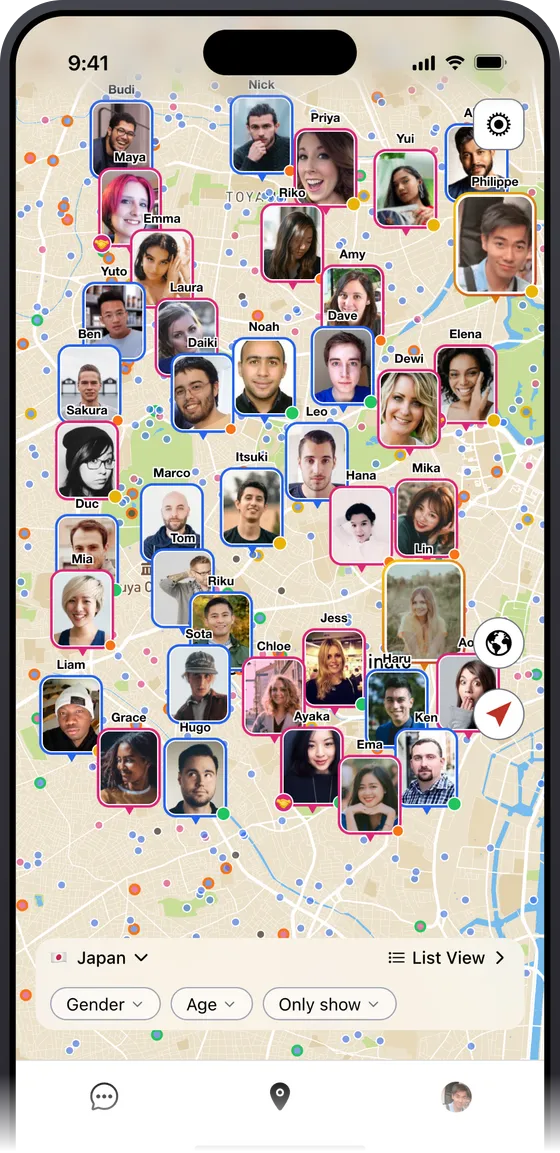
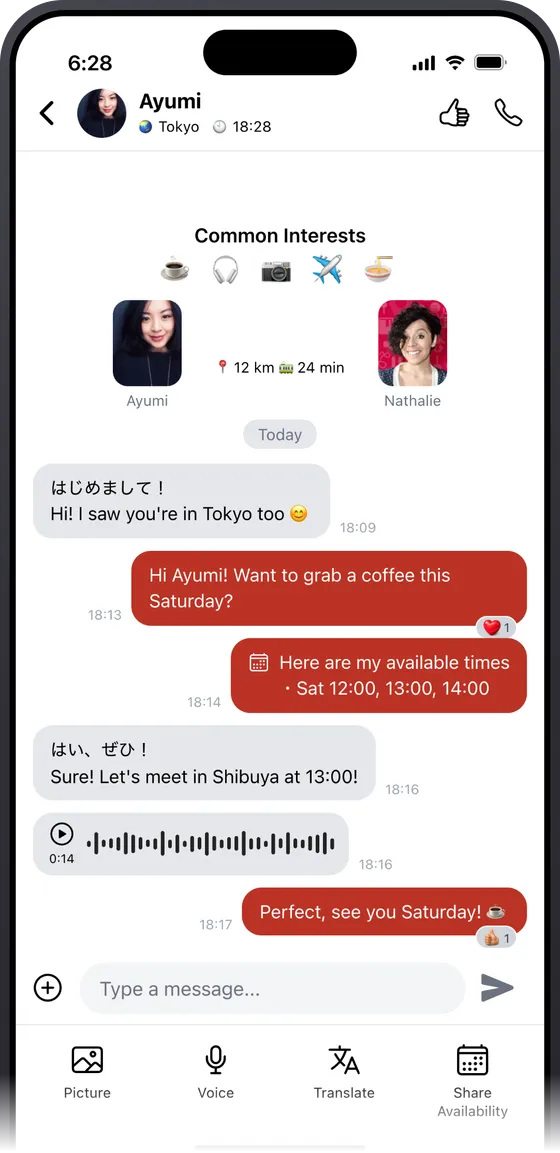
That is where it helps to look a little wider. SewaYou is a map-based friendship app for finding people nearby and anywhere in the world. You can see who lives around your own neighborhood and suggest meeting at that festival you keep going to, or explore another city or country from home and make online friends without any travel plans.
Make Japanese Friends On a Live World Map



Every town has a character everyone recognizes. You do not have to become that person. But borrowing their best habit, showing up again and again, and then actually talking to the people you see, can change how a place feels. Download SewaYou and find someone to show up with.